On this page
- Why Mtskheta Deserves Your Full Day
- Morning: Sacred Sites Circuit
- Midday: Jvari Monastery and Valley Views
- Lunch and Local Market Exploration
- Late Afternoon: Archaeological Museum and City Walls
- Evening: Traditional Dining and Wine Tasting
- Transportation and Getting Around
- Budget Breakdown for Your Day
- Packing Essentials and Practical Tips
- Frequently Asked Questions
💰 Click here to see Georgia Budget Breakdown
💰 Prices updated: October, 2026. Budget figures are estimates — always verify before travel.
Exchange Rate: $1 USD = ₾2.60
Daily Budget (per person)
Shoestring: ₾70.00 – ₾130.00 ($26.92 – $50.00)
Mid-range: ₾180.00 – ₾350.00 ($69.23 – $134.62)
Comfortable: ₾500.00 – ₾1,000.00 ($192.31 – $384.62)
Accommodation (per night)
Hostel/guesthouse: ₾30.00 – ₾60.00 ($11.54 – $23.08)
Mid-range hotel: ₾110.00 – ₾200.00 ($42.31 – $76.92)
Food (per meal)
Budget meal: ₾15.00 ($5.77)
Mid-range meal: ₾35.00 ($13.46)
Upscale meal: ₾100.00 ($38.46)
Transport
Single metro/bus trip: ₾1.00 ($0.38)
Monthly transport pass: ₾40.00 ($15.38)
Planning a day trip to Mtskheta in 2026 means navigating new tourist flows, updated opening hours, and fresh dining options in Georgia’s ancient capital. The challenge isn’t finding things to do — it’s seeing everything worthwhile without feeling rushed through 3,000 years of history packed into a walkable town center.
Why Mtskheta Deserves Your Full Day
Most visitors treat Mtskheta as a quick UNESCO checkbox, spending two hours at Svetitskhoveli Cathedral before heading back to Tbilisi. That’s a mistake. This compact town holds Georgia’s deepest spiritual significance, archaeological treasures spanning millennia, and some of the country’s most photogenic monastery settings.
The magic lies in taking time. Watch morning light filter through Svetitskhoveli’s ancient stones. Climb to Jvari Monastery when the Aragvi and Mtkvari rivers sparkle below. Browse the central market when locals shop for evening meals. Each site reveals layers of history that rush jobs miss entirely.
A full day allows you to experience Mtskheta’s rhythm. Morning pilgrims at prayer, midday tour groups, afternoon’s peaceful moments when day-trippers depart, and evening’s golden hour when locals reclaim their town center.
Morning: Sacred Sites Circuit
Start early at Svetitskhoveli Cathedral, arriving by 9:00 AM when morning light streams through eastern windows and before tour buses arrive. The cathedral opens at 8:00 AM, giving you precious quiet time in Georgia’s holiest church.
Enter through the main western door and head directly to the central pillar housing Christ’s robe relic. The morning atmosphere feels contemplative — watch local women light candles while elderly men whisper prayers in corners. The faint scent of incense mingles with centuries-old stone in the cool morning air.
Spend 45 minutes exploring the frescoes, particularly the vivid Last Judgment scene on the western wall and the Tree of Life fresco near the southern entrance. Look for the mysterious builder’s hand carved in stone — a 11th-century architect’s signature that guides still point out with pride.

Walk next to Samtavro Monastery, a 10-minute stroll through Mtskheta’s quiet residential streets. This active convent houses the tomb of King Mirian, Georgia’s first Christian monarch, and St. Nino’s cell. The blackberry bushes where St. Nino prayed still grow in the courtyard, tended by nuns who’ve maintained this garden for generations.
The monastery feels more intimate than Svetitskhoveli. Nuns move quietly between buildings, tending gardens and preparing for daily services. Visitors can observe but should respect the working religious community by keeping voices low and avoiding flash photography.
Midday: Jvari Monastery and Valley Views
Take a taxi or marshrutka up to Jvari Monastery around 11:00 AM when morning haze clears and the Aragvi-Mtkvari confluence becomes crystal clear below. The 6th-century church perches on a rocky outcrop 150 meters above the valley floor, offering Georgia’s most photographed panoramic view.
The 15-minute drive up winding mountain roads reveals why early Christians chose this spot. The monastery seems to float above the landscape, its simple stone cross silhouetted against sky. Park at the small lot and walk the final 100 meters uphill.
Inside Jvari’s compact interior, 1,400-year-old frescoes peek through centuries of weathering. The original stone cross that gave the monastery its name (“jvari” means cross) stood here when St. Nino first preached Christianity to pagan Georgians. Today’s building replaced that cross but maintains the same spiritual intensity.
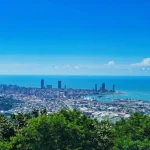
The real draw lies outside. Walk around the church’s perimeter for 360-degree views: Mtskheta spread below, the Caucasus Mountains rising north, and two ancient rivers meeting in silver ribbons. Tour groups arrive by noon, so claim your photo spots early.

Budget 45 minutes total: 15 minutes inside the church, 30 minutes for views and photos. The mountain air feels sharp and clean, especially refreshing after Tbilisi’s summer heat. Bring a light jacket even in warm weather — elevation and wind make Jvari noticeably cooler.
Lunch and Local Market Exploration
Return to Mtskheta town center by 12:30 PM for lunch at Restaurant Salobie, a local institution famous for its bean stew and khachapuri. Located on Arsukidze Street, this family-run spot serves traditional Georgian comfort food without tourist markups. The mtsvadi (grilled meat skewers) comes fresh from outdoor grills, filling the small dining room with smoky aromas.
After lunch, explore Mtskheta’s central market on Arsenidze Street. Local vendors sell churchkhela (Georgian candy), tkemali sauce, and fresh produce. The market operates daily but peaks around 2:00 PM when locals shop for dinner ingredients.
This isn’t a tourist market — vendors sell to neighbors and visitors alike. Watch elderly women select herbs with practiced hands, testing freshness with quick sniffs. Teenagers buy churchkhela by the handful, the sweet walnut-and-grape treats dangling like colorful necklaces from market stalls.
Sample tkemali varieties at Keto’s stall (look for the woman with the bright headscarf near the market’s eastern end). She offers tastes of green, yellow, and red tkemali made from different plum varieties. Prices run 8-12 GEL per jar — excellent souvenirs that actually fit in luggage.
Browse the small handicraft shops along Arsukidze Street selling locally made ceramics, textiles, and jewelry. Quality varies dramatically, so examine pieces carefully. The best items show clear craftsmanship rather than mass-produced tourist trinkets.
Late Afternoon: Archaeological Museum and City Walls
Visit Mtskheta’s Archaeological Museum around 4:30 PM when afternoon light makes the exhibits particularly photogenic. Located near the central square, this small but excellent museum showcases artifacts from Bronze Age through medieval periods found in and around Mtskheta.

Highlights include gold jewelry from Armazi Cemetery, ancient wine vessels proving Georgia’s 8,000-year winemaking tradition, and coins from various periods showing Mtskheta’s role as a trade crossroads. The museum’s English labels improved significantly in 2025, making exhibits accessible to international visitors.
After the museum, walk to the remaining sections of Bebris Tsikhe (Old Fortress) walls visible throughout town. These 1st-century fortifications once encircled ancient Mtskheta when it served as the Iberian Kingdom’s capital. The best-preserved section runs along the river behind the cathedral.
Follow the path along the Mtkvari River for views of the fortress walls and Jvari Monastery perched above. This 20-minute walk offers photography opportunities without crowds and helps you understand Mtskheta’s defensive position controlling river crossings and mountain passes.
The riverbank path continues to a small park with benches — perfect for resting tired feet while watching the Aragvi and Mtkvari rivers merge. Local families use this spot for evening picnics, creating a peaceful scene of daily Georgian life away from tourist sites.
Evening: Traditional Dining and Wine Tasting
Book dinner at Chateau Mukhrani’s Mtskheta tasting room around 6:30 PM for wine paired with traditional Georgian dishes. This upscale option occupies a renovated 19th-century mansion near the town center, offering both indoor and garden seating.
The wine flights feature Chateau Mukhrani’s estate-grown varieties paired with regional specialties. Try the Rkatsiteli paired with trout from nearby mountain streams, or the Saperavi alongside slow-cooked beef stew. The sommelier explains each pairing in English and shares stories about Georgian winemaking traditions.
For budget-friendly alternatives, eat at Family House Ezo on Arsukidze Street. This guesthouse restaurant serves generous portions of home-style Georgian food in a garden setting. The khachapuri emerges from a traditional tone oven, cheese bubbling and bread crust perfectly crispy. Prices run 15-25 GEL for main dishes versus 35-50 GEL at upscale spots.

End the evening with a stroll through illuminated Mtskheta. Svetitskhoveli Cathedral lights up after dark, creating dramatic silhouettes against the night sky. Jvari Monastery glows on its mountainside perch, visible from throughout the town center.
Evening brings different energy to Mtskheta’s streets. Locals emerge for after-dinner walks, elderly men gather outside wine shops for conversation, and teenagers claim benches near the central square. The ancient town transforms from tourist destination to living community.
Transportation and Getting Around
Mtskheta sits just 20 kilometers north of Tbilisi, making day trips straightforward via multiple transportation options. The town center spans less than one kilometer, easily walkable once you arrive.
Marshrutkas depart Tbilisi’s Didube Bus Station every 20-30 minutes from 8:00 AM to 8:00 PM. Look for buses marked “Mtskheta” — the fare costs 1 GEL and journey takes 30-40 minutes depending on traffic. Marshrutkas drop passengers at Mtskheta’s central square, walking distance from all major sites.
Taxis from Tbilisi cost 25-35 GEL each way depending on your negotiation skills and departure point. Bolt operates in both cities, offering fixed pricing around 30 GEL. Private drivers at Tbilisi hotels charge 60-80 GEL for round-trip service including 4-6 hours waiting time.
For reaching Jvari Monastery, local taxis wait near Svetitskhoveli Cathedral charging 10-15 GEL for the uphill trip. Some drivers offer round-trip service for 20 GEL including 30-45 minutes waiting time. Walking up takes 45 minutes on steep, winding roads — possible but tiring in summer heat.
Georgian Railway runs hourly trains between Tbilisi and Mtskheta from 7:00 AM to 9:00 PM. The 25-minute journey costs just 1 GEL but requires walking 15 minutes from Mtskheta station to the town center. Trains prove most reliable during rush hours when road traffic slows other options.
Budget Breakdown for Your Day

Budget travelers can explore Mtskheta thoroughly for 40-60 GEL per person excluding transportation from Tbilisi. This includes marshrutka fares, modest meals, museum entries, and basic souvenir purchases.
Budget Tier (40-60 GEL): Marshrutka transport (2 GEL), simple lunch at local restaurant (12-18 GEL), museum entries (10 GEL total), Jvari taxi (15 GEL), snacks and drinks (6-10 GEL), basic souvenirs (5-15 GEL).
Mid-Range Tier (80-120 GEL): Private taxi transport (60 GEL round-trip), nice lunch with wine (25-35 GEL), museum entries (10 GEL), quality souvenirs (15-30 GEL), afternoon coffee and sweets (8-12 GEL).
Comfortable Tier (150-250 GEL): Private driver with waiting time (120-150 GEL), upscale dinner with wine tasting (50-80 GEL), premium souvenirs and local crafts (30-50 GEL), all museum entries plus guided tours (25 GEL).
Food costs vary dramatically between local spots and tourist-focused restaurants. Street vendors sell khachapuri for 3-5 GEL while hotel restaurants charge 15-20 GEL for similar items. Wine by the glass ranges from 8 GEL at casual spots to 25 GEL at upscale tasting rooms.
Museum and church entries remain affordable — Svetitskhoveli Cathedral requests 5 GEL donations, the Archaeological Museum charges 5 GEL, and Jvari Monastery remains free though donations are appreciated.
Packing Essentials and Practical Tips
Wear comfortable walking shoes with good grip — cathedral floors can be slippery, especially when wet, and Jvari involves uneven stone paths and steep approaches. Avoid high heels or smooth-soled shoes that struggle on medieval stonework.
Pack modest clothing for church visits. Women should cover shoulders and wear skirts/pants below the knee. Men need long pants and covered shoulders. Svetitskhoveli provides wraps for inappropriately dressed visitors, but bringing proper attire shows respect and avoids delays.
Bring a small backpack for water, snacks, and souvenir purchases. Mtskheta lacks large supermarkets, so stock up on water and energy food in Tbilisi. Summer temperatures can reach 35°C, making hydration crucial during outdoor exploration.

Cash remains king in Mtskheta — bring Georgian lari for taxi fares, restaurant meals, and market purchases. While some hotels and upscale restaurants accept cards, most local vendors and transportation options require cash payment.
Download translation apps if you don’t speak Georgian or Russian. Younger locals often speak English, but older vendors and taxi drivers may not. Google Translate’s camera feature helps read Georgian script on signs and menus.
Respect photography restrictions inside churches. Flash photography damages ancient frescoes, and many religious sites prohibit photography during services. Always ask permission before photographing people, especially elderly locals and religious figures.
Frequently Asked Questions
How long do I need to see Mtskheta properly? A full day (8-10 hours) allows thorough exploration without rushing. You can see the main sites in 4-5 hours, but a relaxed pace with proper meal breaks and time for reflection makes the experience much more meaningful.
Can I visit Mtskheta in winter? Yes, though bring warm clothes and check weather conditions for Jvari access. Winter offers fewer crowds and dramatic mountain views, but temperatures can drop below freezing and roads to Jvari may ice over during severe weather.
Is Mtskheta suitable for travelers with mobility issues? The town center and Svetitskhoveli Cathedral are mostly accessible, but Jvari Monastery requires uphill walking on uneven terrain. Samtavro involves some stairs. Plan accordingly and consider focusing on the valley-level sites if mobility is limited.
What’s the best time of day to photograph Jvari Monastery? Late afternoon (4:00-6:00 PM) offers the most dramatic lighting with the monastery silhouetted against western sky. Morning light works well for valley views, but afternoon provides better contrast for architectural photography.
Can I buy quality wine in Mtskheta to take home? Absolutely. Look for bottles from Chateau Mukhrani, Shumi, and local family wineries. Prices range 25-80 GEL for good bottles. Many shops provide protective packaging for air travel, though bringing wine as carry-on is prohibited.
📷 Featured image by Giorgi Khatchapuridze on Unsplash.