On this page
- Discovering Batumi’s Unique Black Sea Character
- Navigating Batumi’s Distinct Neighborhoods
- Essential Attractions and Unforgettable Experiences
- Where to Experience Batumi’s Food Scene
- Getting Around Batumi Efficiently
- Rewarding Day Trips from Batumi
- Experiencing Batumi’s Vibrant Nightlife
- Shopping Districts and Local Markets
- Accommodation and Dining Essentials
- Timing Your Visit to Batumi
- Essential Practical Information
- Realistic Budget Planning for Batumi
- Frequently Asked Questions
💰 Click here to see Georgia Budget Breakdown
💰 Prices updated: October, 2026. Budget figures are estimates — always verify before travel.
Exchange Rate: $1 USD = ₾2.60
Daily Budget (per person)
Shoestring: ₾70.00 – ₾130.00 ($26.92 – $50.00)
Mid-range: ₾180.00 – ₾350.00 ($69.23 – $134.62)
Comfortable: ₾500.00 – ₾1,000.00 ($192.31 – $384.62)
Accommodation (per night)
Hostel/guesthouse: ₾30.00 – ₾60.00 ($11.54 – $23.08)
Mid-range hotel: ₾110.00 – ₾200.00 ($42.31 – $76.92)
Food (per meal)
Budget meal: ₾15.00 ($5.77)
Mid-range meal: ₾35.00 ($13.46)
Upscale meal: ₾100.00 ($38.46)
Transport
Single metro/bus trip: ₾1.00 ($0.38)
Monthly transport pass: ₾40.00 ($15.38)
Planning your first trip to Batumi in 2026 means navigating a city that’s transformed dramatically since the pandemic. Georgia’s seaside capital now attracts more international visitors than ever, yet many first-timers arrive unprepared for its unique blend of subtropical beach town and glitzy casino destination. This guide cuts through the confusion with practical advice for experiencing Batumi’s distinct personality without the common rookie mistakes.
Discovering Batumi’s Unique Black Sea Character
Batumi feels nothing like the rest of Georgia. While Tbilisi pulses with ancient history and mountain towns embrace tradition, Batumi embraces modernity with an almost defiant enthusiasm. The city stretches along 7 kilometres of Black Sea coastline, where glass skyscrapers reflect the subtropical sun and palm trees line boulevards that wouldn’t look out of place in Miami.
The contrast hits you immediately. Soviet-era apartment blocks stand next to sleek casinos, while the Old Town’s cobblestone streets lead directly to a beachfront promenade dotted with contemporary sculptures. This architectural schizophrenia isn’t accidental – it reflects Batumi’s rapid transformation from a sleepy port into the Caucasus region’s premier beach destination.
The city’s personality shifts with the seasons. Summer brings a carnival atmosphere as Georgian families, Russian tourists, and international visitors pack the beaches and fill the restaurants. The warm breeze carries the scent of grilled mtsvadi and the sound of multiple languages mixing along the Boulevard. Winter reveals a different Batumi – quieter, more introspective, where locals reclaim their city and the casino lights reflect off rain-slicked streets.
What makes Batumi special isn’t just its beaches or nightlife, but how it balances hedonistic pleasures with genuine Georgian hospitality. You can spend your morning exploring Byzantine fortress ruins, your afternoon lounging on black sand beaches, and your evening trying your luck at European-style casinos. Few cities offer such diverse experiences within walking distance.
Navigating Batumi’s Distinct Neighborhoods

Each area of Batumi serves different traveler needs, and choosing the right base affects your entire experience. The Old Town (Batumi Cikhe) occupies the original settlement where narrow alleys wind between 19th-century buildings. Here, family-run guesthouses hide behind ornate balconies, and small restaurants serve traditional Adjarian khachapuri in vine-covered courtyards. The neighborhood feels authentically Georgian despite the tourist influx.
The New Boulevard represents modern Batumi’s ambitions. This reclaimed seafront district houses the city’s most distinctive architecture, including the Alphabetic Tower and the moving Statue of Love. Hotels here command premium prices but offer direct beach access and stunning sea views. The area buzzes with international energy, though it can feel disconnected from local culture.
Porta Batumi, the casino and entertainment district, pulses with neon energy after dark. This is where you’ll find the city’s biggest hotels, flashiest restaurants, and most expensive nightlife. The neighborhood attracts visitors seeking luxury and excitement, but it’s also where tourist prices reach their peak.
The residential areas behind the main tourist zones offer the most authentic experience. Neighborhoods like Khimshiashvili provide glimpse into daily Batumi life, with local markets, neighborhood cafes, and significantly lower prices. These areas require more effort to explore but reward curious travelers with genuine interactions.
Essential Attractions and Unforgettable Experiences
Batumi’s Alphabetic Tower stands as the city’s most recognizable landmark – a 130-meter structure shaped like DNA that represents the Georgian script’s uniqueness. The tower’s observation deck offers panoramic views across the Black Sea, while its restaurant slowly rotates, providing a 360-degree perspective of the city below. Visit at sunset to watch the coastline transform as evening lights begin to twinkle.

The Batumi Botanical Garden spreads across 108 hectares of hillside overlooking the sea, containing over 5,000 plant species from around the world. The garden’s subtropical and tropical sections thrive in Batumi’s humid climate, creating microenvironments that transport visitors from Georgian mountains to Asian bamboo forests. The Japanese garden section, added in 2025, has become particularly popular for its peaceful walking paths and traditional tea house.
Piazza Square brings Italian elegance to Georgian shores with its colorful facades and central fountain. The square’s surrounding buildings house cafes, bars, and boutique shops, while street musicians often perform in the evenings. The architecture’s stained glass windows and ornate balconies create perfect photo opportunities, especially when lit up after dark.
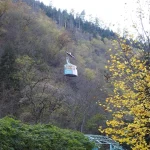
The Batumi cable car (Argo Cable Car) connects the city center to Anuria Hill in just eight minutes, climbing 250 meters above sea level. The modern gondolas provide spectacular views during the ascent, while the hilltop station offers restaurants, walking trails, and observation platforms. The ride costs 5 GEL each way, making it an affordable way to gain perspective on Batumi’s layout.
Europe Square showcases Batumi’s astronomical clock and the Medea sculpture, a 130-meter-tall golden figure that has become another city symbol. The square connects directly to the Boulevard, making it a natural starting point for exploring the waterfront. The surrounding buildings display a mix of architectural styles that tell the story of Batumi’s evolution through different historical periods.
Where to Experience Batumi’s Food Scene
Batumi’s dining landscape reflects its coastal location and cultural diversity. The fish markets near the port offer the freshest seafood in the city – arrive early morning to see local fishermen selling their overnight catch directly from wooden boats. Small restaurants around these markets prepare grilled fish with minimal seasoning, letting the sea’s flavors shine through.

The Old Town’s hidden courtyards house some of Batumi’s best traditional restaurants. Sanapiro, tucked behind an unmarked door on Zurab Gorgiladze Street, serves exceptional Adjarian khachapuri – the boat-shaped cheese bread topped with egg and butter that originated in this region. The restaurant’s vine-covered terrace provides intimate dining away from the Boulevard’s crowds.
Batumi Boulevard’s restaurant strip caters to international tastes with varying degrees of success. The Georgian restaurants here tend to be tourist-oriented and overpriced, but the seafood establishments like Fantan offer excellent Black Sea fish preparations. The boulevard’s strength lies in its diversity – you’ll find Turkish, Armenian, and Russian restaurants reflecting the region’s cultural connections.
For authentic local flavors, explore the residential neighborhoods’ family-run establishments. Adjara’s mountainous interior produces unique dishes like khavitsi (corn bread with cheese) and borano (spinach with eggs), often unavailable in tourist areas. These neighborhood restaurants rarely have English menus, but pointing and smiling usually results in delicious discoveries.
The covered market on Ninoshvili Street provides the best introduction to regional ingredients. Vendors sell everything from churchkhela (Georgian candy made with nuts and grape juice) to local honey and wine. The market’s prepared food section offers inexpensive meals popular with locals, including khachapuri variations and grilled vegetables seasoned with Georgian spices.
Getting Around Batumi Efficiently
Batumi’s compact size makes walking the most practical transportation method for most visitors. The Boulevard stretches 7 kilometers along the coast, creating a natural pedestrian highway that connects major attractions. The promenade’s smooth pavement and regular benches make it pleasant for extended walks, while bike rental stations every few hundred meters offer alternative mobility.
The city’s minibus (marshrutka) system operates on numbered routes that connect different neighborhoods to the center. Route #10 runs from the airport to the Boulevard, costing 0.80 GEL per ride. These Soviet-era vehicles might seem intimidating initially, but they’re reliable and frequent. Passengers signal stops by shouting “gaacheret” (stop), and payment happens on board in cash.

Taxis remain affordable throughout Batumi, with most rides within the city costing 3-8 GEL. Bolt operates extensively here, offering transparent pricing and English-language service. Traditional street taxis require negotiation, but they’re often willing to accept lower fares for short distances. Always agree on prices before starting your journey to avoid misunderstandings.
Batumi International Airport sits 2 kilometers from the city center, making airport transfers simple and inexpensive. The #10 marshrutka provides the cheapest connection at 0.80 GEL, while taxis charge 10-15 GEL depending on your destination. In 2026, the new airport express service offers air-conditioned buses every 30 minutes for 3 GEL, representing a comfortable middle option.
Bike sharing has expanded significantly since 2024, with electric scooters and bicycles available through multiple apps. The flat terrain along the coast makes cycling enjoyable, though be cautious of pedestrian traffic on the Boulevard during peak hours. Rental costs typically range from 1-2 GEL for short trips.
Rewarding Day Trips from Batumi
Gonio Fortress represents one of the region’s most impressive historical sites, located just 12 kilometers south of Batumi. This Roman-era fortification dates to the 1st century CE and allegedly contains the grave of Saint Matthias, one of Christ’s apostles. The fortress walls enclose archaeological excavations revealing layers of Roman, Byzantine, and Ottoman occupation. Marshrutkas depart hourly from Batumi’s central station, costing 2 GEL each way, with the journey taking 25 minutes.
Makhuntseti Waterfall and Arch Bridge provide a mountain escape from Batumi’s coastal atmosphere. The 30-meter waterfall cascades through lush forest, while the ancient stone bridge nearby demonstrates medieval Georgian engineering. The site offers swimming opportunities in natural pools and hiking trails through pristine woodland. Reaching Makhuntseti requires either a rental car (45-minute drive) or organized tour, as public transport doesn’t serve this remote location reliably.

The Turkish border crossing at Sarpi opens opportunities for international day trips, though passport requirements apply. The crossing itself has become a tourist attraction, featuring duty-free shopping and restaurants on both sides. Turkish coastal towns like Hopa offer different cultural experiences just 30 minutes beyond the border. Marshrutkas run regularly to Sarpi from Batumi for 3 GEL, making this an accessible adventure for EU and many other passport holders.
Kobuleti beach resort provides a more traditional Georgian seaside experience compared to Batumi’s international atmosphere. The town’s 10-kilometer beach stretches further than Batumi’s, with less development and lower prices. Local restaurants serve excellent seafood, while the smaller crowds create a more relaxed environment. The Georgian Railway operates comfortable trains between Batumi and Kobuleti four times daily, costing 3 GEL for the 45-minute journey.
Chakvi and Green Cape offer mountain and sea combinations within 30 minutes of Batumi. These former Soviet resort towns maintain vintage charm with their sanatoriums and tree-lined beaches. The cable car at Green Cape (rebuilt in 2025) provides spectacular views across the coast, while Chakvi’s botanical garden complements Batumi’s main garden with different climate zones. Both destinations are accessible via local marshrutkas for under 2 GEL.
Experiencing Batumi’s Vibrant Nightlife
Batumi’s nightlife centers around three distinct zones, each offering different experiences. The casino district pulses with high-energy venues where international DJs mix electronic music while slot machines chime in the background. Venues like Shangri La and Casino Batumi attract serious gamblers and party-seekers with their 24-hour operations and regular live entertainment.
The Boulevard’s bar scene caters to a more diverse crowd with rooftop venues offering sea views and craft cocktails. Sky Bar, perched atop the Hilton, provides panoramic vistas across the coast while serving international cocktails with Georgian wine variations. The prices reflect the premium location, but the sunset views justify the expense for special occasions.

Old Town’s nightlife feels more intimate and authentically Georgian. Wine bars like Vino Underground occupy converted cellars where local musicians perform traditional songs alongside contemporary covers. These venues attract locals and culturally curious visitors who prefer conversation over loud music. The wine selections focus on Georgian varieties, often including rare bottles from small Adjarian vineyards.
Beach bars operate seasonally from May through September, creating temporary party zones directly on the sand. These venues range from simple structures serving beer and grilled food to sophisticated establishments with imported sound systems and international bartenders. The atmosphere peaks during summer weekends when Georgian youth travel from Tbilisi for seaside celebrations.
Live music venues showcase both traditional Georgian polyphonic singing and contemporary bands. The Batumi Music Center, opened in 2025, hosts regular concerts featuring everything from jazz to Georgian fusion. Smaller venues in the Old Town offer more intimate performances where musicians often invite audience participation in traditional songs.
Shopping Districts and Local Markets
Batumi Mall represents the city’s largest shopping complex, housing international brands alongside Georgian designers and local artisans. The mall’s four floors include a hypermarket, electronics stores, and a food court serving regional specialties. The top floor’s entertainment zone features bowling, cinema, and arcade games, making it popular with families during hot afternoons or rainy weather.
The covered market on Ninoshvili Street offers the most authentic shopping experience with vendors selling everything from fresh produce to handmade crafts. The spice section particularly impresses visitors with its aromatic displays of Georgian seasonings, dried herbs, and traditional medicine preparations. Bargaining is expected and enjoyed, with vendors often offering samples of honey, nuts, or dried fruits.

Gogebashvili Street functions as Batumi’s main shopping thoroughfare, lined with boutiques, souvenir shops, and local designers. The street connects the Old Town to the modern district, creating natural shopping progression from traditional crafts to contemporary fashion. Prices increase closer to the Boulevard, so explore the entire street before making purchases.
The weekend flea market near Europe Square features antiques, Soviet memorabilia, and handmade items from throughout the region. Vendors spread their wares on blankets and small tables, creating treasure-hunting opportunities among genuine antiques and tourist reproductions. The market operates Saturday and Sunday mornings, attracting both locals and visitors seeking unique finds.
Duty-free shopping opportunities exist at both the airport and the Turkish border crossing. The airport’s duty-free selection focuses on Georgian wine, brandy, and traditional crafts at competitive prices. Border duty-free shops offer broader international selections, though Georgian products often cost less in city markets than in these tourist-focused outlets.
Accommodation and Dining Essentials
Luxury travelers gravitate toward the New Boulevard’s international hotel chains, where properties like the Hilton and Radisson offer direct beach access and comprehensive amenities. These hotels provide concierge services, spa facilities, and restaurants with English-speaking staff. Expect to pay 300-500 GEL per night during peak season, though shoulder periods offer significant discounts.
Mid-range accommodations cluster around the Old Town and residential areas just inland from the Boulevard. Boutique hotels in converted 19th-century buildings offer character and central locations at 100-200 GEL per night. These properties often include breakfast and provide more personalized service than larger chains, though amenities might be more limited.
Budget travelers find excellent value in family-run guesthouses throughout the residential neighborhoods. These accommodations typically cost 40-80 GEL per night and often include home-cooked breakfast featuring regional specialties. The hosts frequently speak minimal English but compensate with overwhelming hospitality and insider knowledge about local attractions.

Beachfront accommodations command premium prices but offer convenience and views that justify the cost for many visitors. Properties directly facing the sea provide balcony sunrise viewing and eliminate transportation needs for beach access. However, these locations can be noisy during summer nights when Boulevard activities continue late into the evening.
Apartment rentals through local platforms offer space and kitchen facilities particularly valuable for longer stays or family groups. These properties typically cost less than hotels while providing more living space and cooking capabilities. The best deals exist in residential areas where locals rent extra rooms or entire apartments to supplement their income.
Timing Your Visit to Batumi
Summer (June-August) brings peak season energy with temperatures reaching 30°C and humidity that can feel overwhelming for visitors from drier climates. The Black Sea warms to comfortable swimming temperatures around 24°C, while beaches fill with Georgian families and international tourists. Hotel prices peak during this period, particularly in July and August when Russian visitors arrive in large numbers.
Spring (April-May) offers the year’s best weather combination – warm days around 20-25°C with lower humidity and fewer crowds. The botanical gardens explode with blooms, while restaurants extend their outdoor seating as locals emerge from winter hibernation. This period provides excellent value, with accommodation prices 30-40% lower than summer peaks.
Autumn (September-October) delivers another sweet spot for visitors seeking pleasant weather without summer’s intensity. September maintains warm sea temperatures while crowds thin significantly after Georgian schools resume. The harvest season brings fresh wine and produce to local markets, while comfortable temperatures encourage exploration beyond the beach.
Winter (November-March) reveals a completely different Batumi where locals reclaim their city and prices drop dramatically. Temperatures rarely fall below 5°C, though frequent rain creates a moody atmosphere that some visitors find romantic. The casino scene continues year-round, while restaurants offer cozy indoor dining with hearty regional dishes.

The Batumi Music Festival in September has grown significantly since 2024, now attracting international performers alongside Georgian artists. This period sees increased accommodation demand and higher prices, but the cultural offerings justify the expense for music enthusiasts. Book accommodations well in advance if traveling during festival dates.
Essential Practical Information
Georgian remains the primary language, though Russian is widely understood among older residents due to Soviet history. Young people increasingly speak English, particularly in tourist-facing businesses. Learning basic Georgian phrases like “madloba” (thank you) and “bodishi” (sorry) generates warm responses from locals who appreciate visitors’ linguistic efforts.
Batumi feels safe for solo travelers, including women, though standard urban precautions apply. The Boulevard maintains good lighting and regular police presence during evening hours. Avoid displaying expensive jewelry or electronics, particularly in crowded areas during festival periods. The casino district can become rowdy late at night, so exercise caution when walking alone after midnight.
The Georgian lari (GEL) is the only accepted currency, though some tourist businesses quote prices in US dollars. ATMs are plentiful throughout the city, accepting international cards with reasonable fees. Credit cards work in hotels, restaurants, and larger shops, but cash remains necessary for markets, taxis, and small businesses.
Tap water meets safety standards throughout Batumi, though the taste might seem unfamiliar due to different mineral content. Bottled water costs 1-2 GEL in shops and provides peace of mind for sensitive stomachs. The humid climate increases hydration needs, particularly during summer activities or extended walking tours.
Realistic Budget Planning for Batumi
Budget travelers can experience Batumi comfortably on 60-80 GEL per day by staying in guesthouses, eating at local markets, and using public transportation. This budget includes accommodation in residential areas (40-50 GEL), meals from street vendors and small restaurants (15-20 GEL), transportation via marshrutka (3-5 GEL), and modest entertainment expenses (10-15 GEL).

Mid-range visitors typically spend 150-200 GEL daily for boutique hotel accommodations (100-120 GEL), restaurant dining with wine (40-60 GEL), taxi transportation (10-15 GEL), and attraction entrance fees plus evening entertainment (20-30 GEL). This budget allows comfortable exploration without luxury amenities but includes most experiences visitors seek.
Luxury travelers investing 300-500 GEL per day enjoy beachfront hotel suites (250-350 GEL), fine dining at top restaurants (80-120 GEL), private transportation (30-50 GEL), and premium entertainment including casino visits and exclusive venues (50-100 GEL). This level provides maximum comfort and convenience while supporting Georgia’s developing luxury tourism sector.
Accommodation represents the largest expense variable, with location and season dramatically affecting prices. Boulevard properties cost 2-3 times more than identical quality accommodations just 500 meters inland. Summer rates increase 40-60% over spring and autumn prices, while winter offers the year’s best value with luxury hotels sometimes costing less than mid-range summer alternatives.
Dining costs vary significantly based on location and restaurant type. Market meals cost 3-5 GEL while Boulevard restaurants charge 15-25 GEL for similar dishes. Wine prices particularly fluctuate – local varieties cost 8-15 GEL per bottle in shops but 25-40 GEL in restaurants. Smart travelers buy wine from local vendors and enjoy it at their accommodation or during beach picnics.
Frequently Asked Questions
Do I need a visa to visit Batumi as a tourist?
Citizens from over 90 countries, including the US, EU, UK, Canada, and Australia, can enter Georgia visa-free for up to 365 days. Your passport must be valid for at least six months. This policy makes Batumi extremely accessible for spontaneous travel decisions.
Is Batumi safe for solo female travelers?
Batumi is generally very safe for solo female travelers. The city has low crime rates, and locals are helpful toward tourists. Exercise normal urban caution, especially in the casino district late at night. Many solo female travelers report feeling comfortable walking around during daylight hours.
What’s the best way to get from Tbilisi to Batumi?
The Georgian Railway operates comfortable overnight trains departing Tbilisi at 20:45 and arriving in Batumi at 06:00, costing 25-40 GEL depending on class. Alternatively, marshrutkas run during daylight hours for 25 GEL, taking about 6 hours. Flying takes 45 minutes but costs significantly more.
Can I use US dollars or euros in Batumi?
No, you must use Georgian lari (GEL) for all transactions. Currency exchange offices are plentiful and offer competitive rates. ATMs accept international cards, though some charge fees. Avoid exchanging money with street vendors who offer “better rates” – they’re often counterfeiters.
How many days should I spend in Batumi?
Three to four days allow sufficient time to explore the city center, enjoy the beach, visit major attractions, and take one day trip. Longer stays suit travelers seeking relaxation or using Batumi as a base for exploring the broader Adjara region. Two days feels rushed unless you’re primarily focused on beaches and nightlife.
Explore more
Your Essential First-Timer’s Guide to Batumi, Georgia
The Ultimate Batumi Shopping Guide: Malls, Markets & Must-Buy Souvenirs
Where is the Best Shopping in Batumi, Georgia for Tourists?
📷 Featured image by Etienne Dayer on Unsplash.