On this page
- The Sacred Heart of Georgia
- Sacred Neighborhoods & Districts
- UNESCO Monuments & Archaeological Treasures
- Traditional Georgian Flavors
- Navigating the Ancient Capital
- Sacred Day Trips from Mtskheta
- Evening Spirituality & Cultural Life
- Artisan Markets & Religious Crafts
- Pilgrimage & Spiritual Lodging
- Seasonal Spirituality & Festival Calendar
- Pilgrim Practicalities
- Sacred Journey Budgets
- Frequently Asked Questions
💰 Click here to see Georgia Budget Breakdown
💰 Prices updated: October, 2026. Budget figures are estimates — always verify before travel.
Exchange Rate: $1 USD = ₾2.60
Daily Budget (per person)
Shoestring: ₾70.00 – ₾130.00 ($26.92 – $50.00)
Mid-range: ₾180.00 – ₾350.00 ($69.23 – $134.62)
Comfortable: ₾500.00 – ₾1,000.00 ($192.31 – $384.62)
Accommodation (per night)
Hostel/guesthouse: ₾30.00 – ₾60.00 ($11.54 – $23.08)
Mid-range hotel: ₾110.00 – ₾200.00 ($42.31 – $76.92)
Food (per meal)
Budget meal: ₾15.00 ($5.77)
Mid-range meal: ₾35.00 ($13.46)
Upscale meal: ₾100.00 ($38.46)
Transport
Single metro/bus trip: ₾1.00 ($0.38)
Monthly transport pass: ₾40.00 ($15.38)
Mtskheta draws pilgrims and history enthusiasts to Georgia’s most sacred ground, but many visitors in 2026 struggle to balance spiritual respect with tourist curiosity. The challenge isn’t just finding the right moments for quiet contemplation between tour bus arrivals—it’s understanding how to experience this UNESCO World Heritage site as both an active religious center and an archaeological treasure without feeling like an intruder in someone else’s sacred space.
The Sacred Heart of Georgia
Twenty kilometers north of Tbilisi, Mtskheta pulses with 3,000 years of unbroken spiritual energy. This compact city of 7,500 residents serves as the seat of the Georgian Orthodox Church and houses some of the country’s most revered religious sites. The Aragvi and Mtkvari rivers converge here, creating the fertile junction where Georgia’s ancient capital flourished from the 3rd century BC.
Walking through Mtskheta feels like stepping through layers of Georgian identity. The scent of burning beeswax candles mingles with fresh bread from monastery bakeries, while the melodic chanting of morning prayers echoes across cobblestone streets that have witnessed royal coronations, invasions, and countless acts of faith. Every stone here tells multiple stories—archaeological excavations reveal Bronze Age settlements beneath medieval foundations, while active monasteries continue traditions that stretch back to the 4th century when Saint Nino brought Christianity to Georgia.
The city’s spiritual significance runs deeper than its monuments. Svetitskhoveli Cathedral holds the robe of Christ, making it one of Orthodox Christianity’s most sacred pilgrimage sites. Yet Mtskheta isn’t frozen in religious amber. Modern Georgia’s spiritual renaissance has brought renewed vitality to ancient traditions, with young families traveling from across the Caucasus to baptize children in these hallowed waters and couples choosing monastery courtyards for wedding ceremonies.
Unlike other religious destinations that feel museumlike, Mtskheta thrums with living faith. Monks still tend vineyards on monastery slopes, elderly women light daily candles for departed relatives, and theological students debate scripture in library alcoves. This authentic spiritual atmosphere makes Mtskheta Georgia’s most emotionally moving destination—a place where ancient stones still serve their original sacred purpose.

Sacred Neighborhoods & Districts
Mtskheta’s compact layout centers around three distinct areas, each offering different experiences for visitors seeking spiritual connection or historical exploration.
Old Town Core
The pedestrian-friendly heart surrounds Svetitskhoveli Cathedral, where narrow streets lined with traditional Georgian houses create an intimate atmosphere perfect for contemplative walks. This area suits pilgrims and culture enthusiasts who want to wake up steps from Georgia’s most sacred church. Family-run guesthouses occupy restored 18th-century buildings, offering rooms with cathedral views and home-cooked meals featuring monastery-sourced ingredients. The sound of morning bells becomes your natural alarm clock, and evening vespers provide a peaceful conclusion to each day.
Staying here means joining the daily rhythm of local religious life. You’ll encounter processions during Orthodox holidays, witness baptismal celebrations in the cathedral courtyard, and observe the quiet devotion of elderly parishioners who’ve walked these streets for decades. The trade-off involves limited parking and higher prices during major religious festivals when pilgrimage crowds swell.
Jvari Monastery Area
The slopes below Jvari Monastery offer panoramic views across the river confluence and Mtskheta’s rooftops. Several boutique accommodations have opened here in 2026, designed for travelers seeking spiritual retreat with modern comfort. These properties cater to international visitors who want proximity to sacred sites without sacrificing amenities like reliable WiFi and contemporary bathrooms.
This elevated location provides morning meditation spots overlooking the ancient capital while keeping you close enough for easy walks to the cathedral. The area appeals to photographers chasing golden hour light on monastery walls and couples seeking romantic settings with spiritual significance. Evening hours bring profound quiet, with only monastery bells marking the passage of time.

Riverside Quarter
Along the Mtkvari riverbank, newer accommodations serve visitors who prefer easy access to restaurants and shops while maintaining walking distance to religious sites. This area has expanded significantly since 2024, with several family-friendly hotels opening to accommodate the growing number of cultural tourists combining Mtskheta visits with broader Georgian explorations.
The riverside location offers practical advantages including ample parking, proximity to the main road connecting to Tbilisi, and dining options beyond monastery refectories. Families with children appreciate the open spaces along the riverbank and the less solemn atmosphere that allows for normal conversation without constant whispers. The area serves as an excellent base for visitors planning day trips to nearby archaeological sites.
UNESCO Monuments & Archaeological Treasures
Mtskheta’s designation as a UNESCO World Heritage site encompasses far more than its famous cathedral. The city represents one of the world’s most complete examples of a continuously inhabited religious and political center, where each archaeological layer reveals new chapters of Georgian civilization.
Svetitskhoveli Cathedral
The massive 11th-century cathedral dominates Mtskheta’s skyline and Georgian Orthodox spirituality. Built over earlier churches dating to the 4th century, Svetitskhoveli houses the robe of Christ and serves as the burial place of Georgian kings. The cathedral’s limestone walls show remarkable preservation, with original frescoes still visible in protected alcoves.
Inside, the atmosphere shifts between hushed reverence and celebration depending on the liturgical calendar. The cathedral’s acoustics amplify Georgian polyphonic singing into an otherworldly experience—four-part harmonies seem to emerge from the very stones. Archaeological excavations beneath the altar have revealed foundations of Saint Nino’s original wooden church, creating a tangible connection to Georgia’s Christian conversion.
The cathedral complex includes a treasury displaying medieval manuscripts, ecclesiastical goldwork, and the processional crosses used in major religious ceremonies. Recent restoration work completed in 2025 has enhanced visitor access while preserving the building’s sacred character. New climate control systems protect ancient frescoes while allowing natural light to illuminate the soaring nave.
Jvari Monastery
Perched on a rocky outcrop above the river confluence, the 6th-century Jvari Monastery represents the pinnacle of early Georgian church architecture. The cross-shaped building inspired countless similar designs across the Orthodox world, making it one of the most influential structures in Christian architecture. UNESCO recognition acknowledges both its architectural significance and its role in Georgian spiritual identity.
The monastery’s elevated position provides spectacular views across the Mtkvari and Aragvi valleys, explaining why early Christians chose this site for their sacred cross. The building’s perfect proportions and harmonious integration with the rocky landscape demonstrate sophisticated understanding of both engineering and aesthetics. Interior space feels intimate despite the soaring central dome, creating an atmosphere of concentrated spiritual energy.
Archaeological work around the monastery has uncovered evidence of Bronze Age settlements and Roman-era fortifications, confirming this hilltop’s strategic importance across millennia. The site’s multilayered history makes it a perfect introduction to Georgia’s complex cultural evolution—ancient pagan traditions, early Christian conversion, and medieval architectural mastery all converge in one compact location.
Samtavro Monastery
Often overshadowed by its more famous neighbors, Samtavro Monastery offers a more intimate sacred experience within an active monastic community. The complex includes churches from the 4th and 11th centuries, demonstrating the evolution of Georgian religious architecture across seven centuries. Saint Nino lived her final years here, making it a crucial pilgrimage site for understanding Georgia’s Christian foundation story.

The monastery maintains traditional Georgian monastic life, with nuns cultivating gardens, preparing herbal medicines, and continuing manuscript illumination traditions. Visitors can observe authentic religious practices while exploring churches that house some of Georgia’s most precious religious artifacts. The peaceful atmosphere contrasts with Svetitskhoveli’s grand ceremonies, providing space for personal reflection and prayer.
Recent archaeological discoveries at Samtavro include Bronze Age burials and medieval workshop remains, adding archaeological importance to its spiritual significance. The monastery’s museum displays finds spanning three millennia, creating a comprehensive introduction to Mtskheta’s role as Georgia’s spiritual and temporal capital.
Bebris Tsikhe Fortress
The ruins of this medieval fortress crown a hill overlooking modern Mtskheta, providing military context for the city’s religious development. Built in the 14th century to defend against Mongol invasions, the fortress demonstrates how spiritual and temporal power intertwined in medieval Georgia. Recent stabilization work has made the ruins safer to explore while preserving their dramatic relationship with the landscape.
Climbing to Bebris Tsikhe rewards visitors with panoramic views across Mtskheta’s religious sites and the river confluence that made this location strategically vital. The fortress walls frame spectacular photographic compositions of Svetitskhoveli Cathedral and Jvari Monastery, helping visitors understand the geographical factors that shaped Georgia’s ancient capital.
Traditional Georgian Flavors
Mtskheta’s culinary landscape blends monastic traditions with royal court heritage, creating a distinctive food culture rooted in sacred and secular Georgian cooking. The city’s restaurants and markets showcase ingredients blessed by centuries of religious cultivation while maintaining the sophisticated flavors that once graced medieval banquet tables.
Monastic Bakeries & Traditional Breads
Several working monasteries operate bakeries that supply both monastic communities and visitors with bread baked according to ancient recipes. Samtavro Monastery’s bakery produces exceptional shotis puri (traditional Georgian bread) using wood-fired ovens and natural fermentation methods passed down through generations of nuns. The bread emerges from boat-shaped ovens with a distinctive crispy crust and tender interior, perfect for pairing with local cheeses and monastery-made preserves.

These monastic bakeries also create special liturgical breads used in Orthodox services, offering visitors insight into the spiritual significance of bread in Georgian Christianity. The nuns sell their bread after morning services, creating opportunities for authentic interactions with religious communities while supporting monastery operations.
Salobie Restaurant
Located on Davit Aghmashenebeli Street, Salobie specializes in traditional Georgian dishes prepared with ingredients sourced from monastery gardens and local farms. Their khachapuri Meskhetian-style reflects the influence of refugees who settled in Mtskheta, while their mtsvadi (grilled meat) uses marinades based on medieval royal recipes. The restaurant’s wine list emphasizes qvevri wines from nearby vineyards, including bottles blessed by Orthodox priests during harvest celebrations.
The dining room occupies a restored 19th-century merchant house, creating an atmospheric setting enhanced by traditional Georgian polyphonic singing performances on weekend evenings. Prices range from 25-45 GEL per person for complete meals including wine, making it accessible for most budgets while maintaining authentic preparation methods.
Mtskheta Wine Cellars
The Azarpesha Wine Cellar, carved into the hillside below Jvari Monastery, offers tastings of traditional qvevri wines alongside monastery-style preserved foods. The temperature-controlled caves maintain perfect conditions for aging wine in clay vessels buried according to 8,000-year-old Georgian methods. Tastings include explanations of each wine’s spiritual significance—certain varietals are reserved for communion while others accompany religious festival meals.
The cellar’s monastery connections mean visitors can purchase wines unavailable elsewhere, including limited batches blessed during religious ceremonies. Their churchkhela (traditional candy made with grape must and nuts) follows recipes from medieval monastery libraries, creating authentic connections between contemporary flavors and historical traditions.
Riverside Market

The daily market along the Mtkvari riverbank showcases seasonal produce from monastery gardens and surrounding farms. Vendors sell fresh herbs used in traditional Georgian medicine, honey from monastery apiaries, and seasonal fruits preserved using methods documented in medieval Georgian manuscripts. The market operates from early morning until mid-afternoon, with the best selection available before 11 AM.
Local women sell homemade churchkhela in countless varieties, from traditional walnut and grape combinations to innovative versions using hazelnuts and pomegranate juice. Their knowledge of preparation methods provides insights into Georgian culinary traditions while supporting families who maintain these skills across generations.
Restaurant Ornament
This family-run establishment near Svetitskhoveli Cathedral serves refined versions of traditional Georgian dishes in a setting decorated with replicas of religious art from Mtskheta’s churches. Their specialty involves dishes mentioned in medieval Georgian literature, recreated using historical research and traditional cooking techniques. The restaurant’s commitment to authenticity extends to sourcing ingredients from the same valleys that supplied royal kitchens centuries ago.
Their wine selection focuses on bottles from vineyards with connections to Georgian monasteries, creating pairings that reflect the spiritual and culinary heritage of Georgian Christianity. The restaurant offers special medieval feast experiences for groups, featuring multiple courses designed according to historical accounts of religious celebrations.
Navigating the Ancient Capital
Mtskheta’s compact size makes walking the preferred transportation method for exploring religious sites and archaeological treasures. The ancient capital’s layout follows medieval patterns, with narrow streets radiating from Svetitskhoveli Cathedral toward defensive positions on surrounding hills.
Walking Routes & Sacred Circuits
The classic pilgrimage route begins at Svetitskhoveli Cathedral, proceeds to Samtavro Monastery, then climbs to Jvari Monastery for sunset views. This 4-kilometer circuit takes 2-3 hours including time for prayer and contemplation at each site. Well-maintained footpaths connect all major monuments, with multilingual signage installed in 2025 providing historical and spiritual context.

The climb to Jvari Monastery gains 150 meters elevation over 1.5 kilometers, manageable for most fitness levels but requiring sturdy footwear. The path offers spectacular valley views and passes several smaller chapels where pilgrims traditionally pause for brief prayers. Recent improvements include rest benches positioned at scenic viewpoints and improved lighting for early morning or evening walks.
Parking & Vehicle Access
Limited parking in Mtskheta’s historic core requires planning, especially during religious holidays and summer weekends. The main parking area near Svetitskhoveli Cathedral accommodates 50 vehicles for 2 GEL per day, while additional spaces along the riverside cost 1 GEL daily. Jvari Monastery maintains a small parking area accessible via a winding mountain road, though spaces fill quickly during peak season.
New park-and-ride facilities opened in 2026 on Mtskheta’s outskirts, connected to the historic center by shuttle service running every 20 minutes. This system reduces traffic congestion around religious sites while providing convenient access for visitors arriving by private vehicle.
Public Transport from Tbilisi
Marshrutka minibuses leave Tbilisi’s Didube bus station every 15 minutes for Mtskheta, covering the 25-kilometer journey in 35-40 minutes for 2 GEL per person. These shared taxis provide an authentic Georgian travel experience while offering glimpses of rural landscape and suburban development between the capital and ancient capital.
The new suburban train service launched in late 2025 connects Tbilisi Central Station to Mtskheta twice daily, providing a comfortable alternative for visitors carrying luggage or preferring fixed schedules. The 45-minute journey costs 3 GEL and includes panoramic windows showcasing the Mtkvari valley’s changing landscape.
Guided Tour Transport
Numerous tour operators offer day trips from Tbilisi combining Mtskheta with nearby attractions like Gori or Uplistsikhe. These tours typically include air-conditioned transport, multilingual guides, and admission fees for 60-80 GEL per person. Private tours for 2-4 people cost 200-300 GEL total, allowing flexible timing and customized itineraries focused on specific interests.

Some tour companies now offer spiritual pilgrimage experiences led by guides with theological training, providing deeper understanding of Georgian Orthodox traditions and their connection to architectural monuments. These specialized tours cost 20-30 GEL more but offer insights unavailable through standard cultural presentations.
Sacred Day Trips from Mtskheta
Mtskheta’s central location makes it an ideal base for exploring Georgia’s historical and spiritual sites within a day’s journey. These destinations complement Mtskheta’s religious significance while offering different perspectives on Georgian culture and history.
Gori & Stalin Museum (50 kilometers, 1 hour)
The contrast between Mtskheta’s spiritual atmosphere and Gori’s complex political history creates fascinating cultural juxtaposition. Stalin’s hometown houses an extensive museum documenting the Soviet leader’s life while largely ignoring his crimes—a reminder of Georgia’s complicated relationship with its most infamous son. The museum occupies Stalin’s childhood home plus a purpose-built exhibition hall, displaying personal artifacts and propaganda materials that shaped 20th-century history.
Combined visits to Mtskheta and Gori highlight Georgia’s dual identity as both deeply religious nation and former Soviet republic. The journey between cities passes through the Kartli Plain, Georgia’s agricultural heartland, where collective farm remnants coexist with new vineyards and monastery holdings. Public transport connects both cities via Tbilisi, while private tours eliminate transfer complications for 120-150 GEL per person.
Uplistsikhe Cave City (60 kilometers, 1.5 hours)
This ancient rock-hewn settlement predates Mtskheta’s Christian monuments by centuries, offering insights into pre-Christian Georgian civilization. The complex includes temples, royal halls, and residential quarters carved directly into sandstone cliffs, demonstrating sophisticated urban planning from the 1st millennium BC. Archaeological evidence suggests Uplistsikhe served as a major pagan religious center before Christianity’s arrival.
Walking through Uplistsikhe’s carved chambers provides tangible connections to Georgia’s pre-Christian spiritual traditions. The site’s decline coincided with Christianity’s spread from Mtskheta, making combined visits particularly meaningful for understanding Georgia’s religious transformation. Recent conservation work has stabilized dangerous areas while preserving the site’s dramatic relationship with the Mtkvari valley below.

The round trip requires a full day including travel time, with entrance fees at 7 GEL for adults. Local guides at Uplistsikhe speak basic English and provide essential safety guidance for navigating carved chambers and cliff paths. Combined tour packages from Mtskheta cost 80-100 GEL including transport and entrance fees.
Ananuri Fortress & Aragvi Valley (95 kilometers, 2 hours)
This medieval fortress complex demonstrates the military architecture that protected trade routes leading to Mtskheta from northern invasions. The 17th-century stronghold includes churches decorated with exceptional stone carving alongside defensive walls positioned to control the strategic Aragvi valley. Recent restoration has enhanced visitor access while preserving the fortress’s commanding presence above the Zhinvali reservoir.
The journey from Mtskheta follows the old Silk Road route through increasingly dramatic mountain scenery. Ananuri’s churches show architectural influences from both Georgian and Armenian traditions, reflecting the complex cultural exchanges that shaped medieval Caucasus politics. The site’s elevated position provides spectacular photographic opportunities framing fortress walls against snow-capped peaks.
Day trips combining Mtskheta and Ananuri offer comprehensive introductions to Georgian medieval civilization, from spiritual centers to military strongholds. The route passes several active monasteries where visitors can observe continuing religious traditions within authentic historical settings.
Samtavisi Cathedral (45 kilometers, 45 minutes)
Often overlooked by international visitors, this 11th-century cathedral represents Georgian church architecture at its most refined. Built during the same period as Svetitskhoveli but on a more intimate scale, Samtavisi demonstrates the sophisticated stone carving and proportional harmony that influenced religious buildings across the medieval Orthodox world. The cathedral occupies a peaceful rural setting that contrasts with Mtskheta’s pilgrimage crowds.

Samtavisi’s isolation has preserved its contemplative atmosphere while protecting exceptional medieval frescoes from tourist damage. The surrounding village maintains traditional Georgian rural life, offering opportunities to observe authentic cultural practices alongside architectural masterpieces. Local families sometimes provide simple meals featuring ingredients grown in monastery-blessed soil.
David Gareja Monastery Complex (120 kilometers, 2.5 hours)
This extensive cave monastery system along the Azerbaijan border represents one of Georgia’s most important monastic sites. Founded in the 6th century by Saint David, the complex includes hundreds of cells, churches, and refectories carved into semi-desert cliffs. The site’s remote location preserved exceptional medieval frescoes while maintaining an atmosphere of austere spirituality that shaped Georgian Orthodox monasticism.
The journey from Mtskheta crosses diverse landscapes from fertile river valleys to semi-arid steppes, demonstrating Georgia’s remarkable geographical variety within compact borders. David Gareja’s harsh environment contrasts sharply with Mtskheta’s riverside setting, showing how Georgian monasticism adapted to different physical and spiritual challenges.
Border security requires passport checks for visitors approaching certain sections of the monastery complex. The round trip requires early departure from Mtskheta to allow sufficient exploration time while returning before dark. Specialized tours focusing on monastic history cost 150-200 GEL including expert guides and necessary permits.
Evening Spirituality & Cultural Life
Mtskheta’s evening atmosphere transforms as tourist crowds disperse and the city returns to its essential spiritual character. The golden hour illumination of monastery walls creates meditation opportunities while traditional cultural performances provide insights into Georgian religious and folk traditions.
Vesper Services & Evening Prayers
Svetitskhoveli Cathedral conducts evening services daily at 6 PM, featuring Georgian polyphonic chanting that fills the vast interior with otherworldly harmonies. These services attract local parishioners who participate with deep reverence, creating authentic religious experiences for respectful visitors. The cathedral’s acoustics amplify four-part vocal arrangements into transcendent musical prayers that seem to emerge from the building’s ancient stones.
Samtavro Monastery offers more intimate evening prayers in their smaller chapel, where nuns maintain traditional chanting styles passed down through generations of monastic communities. These services provide opportunities to observe authentic Georgian Orthodox practices within an active religious community. Visitors should arrive early to find seating and maintain respectful silence throughout the services.
During major religious holidays, evening processions wind through Mtskheta’s streets carrying icons and crosses between different churches. These candlelit ceremonies create profound spiritual atmosphere while demonstrating the living faith that animates Georgia’s ancient capital. Participation requires understanding of Orthodox customs and appropriate religious attire.
Traditional Music Performances
The Mtskheta Cultural Center hosts Georgian polyphonic singing performances twice weekly during tourist season, featuring local choirs performing sacred and secular music in the traditional style. These concerts take place in a restored medieval hall near Svetitskhoveli Cathedral, providing atmospheric settings that enhance the music’s emotional impact. Performances include explanations of different singing styles and their roles in Georgian religious and social life.
Several restaurants offer live traditional music during evening meals, though quality varies significantly. Ornament Restaurant features professional musicians performing authentic arrangements while Salobie includes audience participation elements that teach visitors basic Georgian songs. These performances create cultural immersion opportunities while supporting local musical traditions.
Candlelit Monastery Tours
Jvari Monastery remains open until sunset, allowing visitors to experience the building’s spiritual atmosphere during the magical transition from day to night. The monastery’s elevated position provides spectacular sunset views across the river confluence while the ancient stones glow with warm light. Evening visits avoid daytime crowds while creating opportunities for personal reflection and prayer.
Some tour operators offer special evening experiences combining sunset at Jvari with traditional dinner at monastery-affiliated restaurants. These programs include transportation to the monastery for sunset photography followed by authentic Georgian feasts featuring monastery-produced wine and traditional entertainment. Such experiences cost 80-120 GEL per person but provide comprehensive cultural immersion.
Spiritual Walks & Night Meditation
Mtskheta’s compact size and safe environment make evening walks ideal for contemplating the day’s spiritual experiences. Illuminated pathways connect major religious sites while subtle lighting preserves the ancient atmosphere without harsh modern intrusion. The sound of evening prayers from different churches creates a meditative soundscape for reflective strolls.
The riverbank path offers quiet spaces for personal meditation while maintaining proximity to accommodations and restaurants. Recent improvements include benches positioned for contemplating illuminated church silhouettes against star-filled skies. These spaces provide perfect settings for processing the emotional impact of encounters with Georgia’s living religious traditions.
Artisan Markets & Religious Crafts
Mtskheta’s artistic heritage encompasses both sacred crafts maintaining medieval techniques and contemporary artisans inspired by the city’s spiritual atmosphere. Shopping here supports traditional skills while acquiring authentic religious and cultural artifacts with genuine connections to Georgia’s spiritual traditions.
Icon Workshops & Religious Art
Several workshops near Svetitskhoveli Cathedral produce hand-painted icons using traditional methods and natural pigments. Master iconographer Giorgi Nakashidze operates a studio where visitors can observe the careful process of creating religious art according to strict Orthodox guidelines. His icons incorporate Georgian artistic traditions with Byzantine influences, creating distinctively Georgian expressions of universal Christian themes.
These workshops sell completed icons ranging from 50-500 GEL depending on size and complexity, with custom commissions available for specific saints or personal devotions. The artists explain the spiritual significance of different iconographic elements while demonstrating techniques passed down through generations of Georgian church artists. Some workshops offer brief classes for visitors interested in learning basic icon painting methods.
The monastery gift shops stock a wider selection of religious items including prayer books in multiple languages, carved wooden crosses, and blessed medals featuring Georgian saints. These items carry authentic spiritual significance while supporting monastic communities that maintain traditional crafts as part of their religious practice.
Traditional Craft Center
The recently opened Traditional Crafts Center on Arsena Marabdeli Street showcases artisans working in techniques documented in medieval Georgian manuscripts. Woodworkers create liturgical items using traditional joinery methods, while textile artists weave ecclesiastical garments according to patterns preserved in monastery libraries. These crafts maintain cultural traditions while serving contemporary religious needs.
Visitors can purchase handwoven textiles, carved wooden household items, and pottery created using traditional Georgian techniques. The center’s educational mission means artisans willingly explain their methods while demonstrating skills that connect contemporary Georgia with its medieval heritage. Prices reflect the time-intensive nature of handwork while remaining accessible for most budgets.
Monastery Stores & Blessed Items
Each monastery operates shops selling items produced by their communities alongside religious articles from other Georgian monasteries. Samtavro Monastery’s shop features herbal preparations made from plants grown in monastery gardens, preserved foods prepared according to traditional recipes, and handcrafted items created during quiet hours between prayers.
These monastery shops offer items blessed by monks or nuns, adding spiritual significance to practical purchases. Honey from monastery beehives, wine from blessed vineyards, and bread from monastery ovens provide tangible connections to Georgia’s living religious traditions. Prices support monastery operations while ensuring authentic provenance for religious items.
Churchkhela & Traditional Sweets
Local families produce churchkhela using traditional methods that transform grape juice and nuts into Georgia’s beloved rope candy. These artisans set up small stalls around religious sites, offering freshly made churchkhela alongside historical explanations of its significance in Georgian culture. The candy’s role in religious celebrations and its nutritional properties for medieval pilgrims add cultural depth to simple purchases.
Quality varies significantly between producers, with the best churchkhela requiring weeks of careful preparation using natural grape must and perfect nuts. Local families maintain recipes passed down through generations, creating subtle variations that reflect regional preferences and seasonal ingredients. Prices range from 2-5 GEL per piece depending on size and quality.
Souvenir Market
The weekend market near the cathedral features vendors selling traditional Georgian crafts alongside typical tourist items. Serious buyers focus on handwoven kilims, traditional Georgian knives (kinzhals), and authentic folk costumes created by rural artisans. These items require careful selection to avoid mass-produced imports, but knowledgeable vendors can explain the provenance and techniques behind authentic pieces.
Local potters create pieces inspired by archaeological finds from Mtskheta’s excavations, offering contemporary interpretations of ancient Georgian ceramic traditions. Their work bridges historical and modern aesthetics while supporting artisans who maintain traditional skills in contemporary contexts. Custom orders allow visitors to commission pieces incorporating personal preferences with authentic Georgian techniques.
Pilgrimage & Spiritual Lodging
Accommodation options in Mtskheta cater to diverse spiritual and cultural interests, from monastery guesthouses offering authentic religious experiences to boutique hotels designed for contemporary travelers seeking comfort alongside cultural immersion. The city’s compact size ensures all lodging provides easy access to religious sites while offering different levels of spiritual engagement.
Monastery Guesthouses
Samtavro Monastery operates a simple guesthouse for Orthodox pilgrims, offering basic rooms with shared facilities at 25 GEL per night. Guests participate in monastery life including morning and evening prayers, communal meals featuring monastery-grown ingredients, and opportunities for spiritual guidance from resident nuns. This authentic experience requires adherence to monastery rules including modest dress, quiet hours, and participation in religious observances.
The guesthouse serves Orthodox Christians seeking deep spiritual immersion rather than casual tourists. Reservations require advance contact in Georgian or Russian, with preference given to pilgrims undertaking specific religious journeys. Meals follow monastery schedules and dietary restrictions, creating genuine insight into contemporary Georgian monastic life.
Boutique Religious Retreats
Several properties near Jvari Monastery cater to visitors seeking spiritual reflection within comfortable accommodations. Villa Jvari offers rooms designed for meditation with private balconies facing the monastery, daily yoga sessions, and vegetarian meals sourced from local organic farms. Rates start at 120 GEL per night including breakfast and access to meditation spaces.
These retreats combine spiritual atmosphere with contemporary amenities, appealing to international visitors who want religious experiences without monastery austerity. Services include guided meditation sessions, spiritual counseling by trained facilitators, and flexible schedules allowing personal retreat design. The properties maintain respectful distance from active religious sites while providing easy access for worship and contemplation.
Historic Guesthouses
Family-run guesthouses in restored traditional buildings offer authentic Georgian hospitality within historic settings. Guesthouse Svetitskhoveli occupies an 18th-century merchant house with rooms featuring traditional Georgian furnishings, hand-painted ceilings, and views of the cathedral courtyard. Rates range from 60-90 GEL per night including homemade breakfast and family-style evening meals.
These properties provide cultural immersion through personal interactions with Georgian families who share stories about local traditions, religious customs, and family histories connected to Mtskheta’s spiritual significance. Guests become temporary family members, participating in daily life while receiving insider knowledge about Georgian Orthodox practices and local customs.
Contemporary Hotels
The new Hotel Mtskheta opened in 2025 near the riverside, offering modern accommodations for visitors who prefer international standards alongside cultural experiences. Rooms feature contemporary design incorporating Georgian artistic motifs, modern bathrooms, reliable WiFi, and climate control systems. Rates start at 150 GEL per night with breakfast, parking, and concierge services for arranging cultural tours.
The hotel serves business travelers, international tour groups, and families who want comfort and convenience while exploring religious sites. The location provides easy access to restaurants, shops, and transportation while maintaining respectful distance from active religious areas. Services include multilingual staff, cultural orientation sessions, and partnerships with qualified guides specializing in religious tourism.
Camping & Budget Options
The riverside camping area accommodates budget travelers and backpackers with basic facilities including clean toilets, cold showers, and picnic tables. Sites cost 10 GEL per night with additional charges for electrical hookups. The location provides beautiful views of Jvari Monastery while maintaining easy walking access to all religious sites.
Several private houses offer basic rooms for budget-conscious travelers at 30-40 GEL per night. These accommodations provide essential comfort with opportunities for authentic cultural interaction. Hosts often invite guests to join family meals, share traditional stories, and participate in local religious observances during their stays.
Seasonal Spirituality & Festival Calendar
Mtskheta’s spiritual calendar follows Orthodox traditions while incorporating uniquely Georgian celebrations that blend Christian observance with ancient cultural practices. Understanding seasonal patterns helps visitors align their travels with specific religious experiences while preparing for weather conditions that range from snowy winters to warm summers.
Spring Renewal (March-May)
Spring brings profound spiritual renewal to Mtskheta as Orthodox Easter celebrations transform the ancient capital into Georgia’s most important pilgrimage destination. Easter week features elaborate processions, all-night vigils, and the consecration of Easter bread that draws thousands of believers from across the Caucasus. The cathedral fills with candle-carrying pilgrims while overflow crowds gather in the courtyard for outdoor services.
Weather during spring varies dramatically, with March bringing occasional snow while May offers perfect temperatures around 20°C. The season’s unpredictability requires layered clothing and waterproof footwear for outdoor ceremonies. Hotel prices increase significantly during Easter week, requiring advance reservations for any decent accommodations.
Saint George’s Day celebrations in May combine religious services with traditional Georgian cultural events including folk dancing, wine blessing ceremonies, and the preparation of special foods associated with Georgia’s patron saint. These celebrations demonstrate how Georgian Orthodoxy incorporates national identity with religious devotion.
Summer Pilgrimage Season (June-August)
Summer brings the heaviest tourist crowds but also the most accessible weather for exploring all religious sites. Temperatures reach 30°C during peak summer, making early morning and evening visits most comfortable for extensive walking. The Transfiguration celebration in August marks one of Georgia’s most important religious holidays, featuring special services and traditional blessing ceremonies.
Monastery gardens reach full bloom during summer, showcasing the agricultural traditions that sustain religious communities. Visitors can observe nun-tended herb gardens, participate in grape harvest preparations, and purchase fresh produce from monastery farms. The abundance of seasonal foods creates opportunities for authentic Georgian culinary experiences.
Extended daylight hours allow for comprehensive exploration of all sites while evening services benefit from warm weather that encourages outdoor processions and courtyard gatherings. Accommodation prices peak during summer, but the variety of available options increases as seasonal properties open for tourist season.
Autumn Harvest Blessings (September-November)
Autumn brings Rtveli (grape harvest) celebrations that blend ancient agricultural traditions with Christian blessing ceremonies. Local vineyards invite visitors to participate in traditional harvest methods while monastery wineries conduct blessing ceremonies for new wine. The season offers perfect weather with temperatures around 15-20°C and dramatic light ideal for photography.
The Orthodox calendar includes several major saints’ days during autumn, creating opportunities to observe traditional Georgian religious practices within authentic community contexts. These celebrations feature less tourist presence while maintaining full spiritual significance for local believers.
November weather becomes unpredictable with possible early snow, but indoor religious services provide warm refuge while showcasing the acoustic properties of Georgian church architecture. Hotel prices drop significantly after summer season, creating excellent value for travelers focused on spiritual rather than outdoor experiences.
Winter Contemplation (December-February)
Winter transforms Mtskheta into a contemplative spiritual retreat as snow covers ancient monuments and reduces crowds to serious pilgrims. Christmas and Epiphany celebrations in January showcase uniquely Georgian Orthodox traditions including elaborate blessing ceremonies and traditional carol singing. The cathedral’s interior warmth creates intimate spiritual atmosphere perfect for extended prayer and meditation.
Temperatures drop below freezing with occasional significant snowfall, requiring serious winter clothing for outdoor exploration. However, snow-covered monastery walls create magical photographic opportunities while indoor services demonstrate the comforting role of religious community during harsh weather.
Winter accommodations operate on reduced schedules with limited restaurant options, but monastery refectories continue serving traditional meals to visitors seeking authentic spiritual retreat experiences. The season appeals to travelers prioritizing religious contemplation over sightseeing activities.
Pilgrim Practicalities
Visiting Mtskheta’s religious sites requires understanding Orthodox customs and practical considerations that ensure respectful participation while avoiding cultural missteps. These guidelines help international visitors navigate sacred spaces appropriately while supporting the religious communities that maintain Georgia’s spiritual traditions.
Dress Codes & Religious Etiquette
All religious sites in Mtskheta enforce strict dress codes that require covered shoulders and long pants or skirts for both men and women. Women must cover their heads with scarves when entering churches, while men should remove hats and caps. Many churches provide loaner scarves and wraps for unprepared visitors, but bringing appropriate clothing demonstrates cultural respect.
Photography inside churches requires permission and faces restrictions during active services. Flash photography damages ancient frescoes and disrupts religious observances, so visitors should ask guides or clergy about appropriate photography practices. Many churches allow photography for personal use while prohibiting commercial or social media posting.
Orthodox services involve standing for extended periods with specific postures for different parts of the liturgy. Visitors should observe local behavior rather than assuming Catholic or Protestant practices apply in Georgian Orthodox settings. Crossing oneself follows Orthodox patterns different from Western Christian traditions.
Service Times & Religious Calendar
Svetitskhoveli Cathedral conducts daily services at 9 AM and 6 PM, with additional services during major religious holidays. Samtavro Monastery follows traditional monastic schedules with prayers beginning before dawn and concluding after sunset. Service times change seasonally and require confirmation with monastery offices or local guides.
Major Orthodox holidays differ from Western Christian dates due to calendar differences. Georgian Orthodox Christmas occurs on January 7, while Easter dates vary annually based on Orthodox calculations. These holidays bring increased crowds and accommodation challenges but offer authentic religious experiences unavailable during regular periods.
Friday evening and Saturday morning services attract particularly devout congregations, creating opportunities for visitors to observe authentic Georgian Orthodox practices. These services feature traditional chanting and rituals that demonstrate the living nature of Georgia’s religious traditions.
Language & Communication
Religious services conduct in Georgian and Old Church Slavonic, with limited English translation available. However, the spiritual atmosphere transcends language barriers while Orthodox liturgical patterns remain consistent across cultures. Visitors familiar with Orthodox practices from other countries can follow services despite language differences.
Monastery staff often speak basic English, Russian, or Armenian, reflecting Georgia’s multilingual religious heritage. However, bringing translation apps or phrase books helps with practical communications about accommodation, meals, and local customs. Learning basic Georgian greetings demonstrates cultural respect appreciated by religious communities.
Tourist information centers in Mtskheta provide multilingual maps and guides explaining religious customs for international visitors. These resources help visitors understand appropriate behavior while providing historical context that enhances spiritual experiences.
Safety & Practical Concerns
Mtskheta maintains excellent safety standards with low crime rates and helpful local residents. However, monastery paths can become slippery during rain or snow, requiring appropriate footwear for hillside locations. Emergency medical services operate from Tbilisi, so visitors with serious health conditions should carry necessary medications and contact information.
Water from monastery sources generally requires filtration for international visitors unaccustomed to local bacteria. Bottled water remains widely available, while monastery refectories serve safe food prepared according to traditional hygiene standards. Most restaurants cater to international visitors with familiar safety standards.
Banking services in Mtskheta accept international cards, though cash remains preferred for small purchases and monastery donations. ATMs near the cathedral provide reliable access to Georgian lari, while exchange services operate from local banks during business hours.
Cultural Sensitivity
Georgian Orthodox Christianity maintains conservative social values that visitors should respect regardless of personal beliefs. Appropriate behavior includes modest dress, quiet conversation near religious sites, and respectful observation of religious practices. Public displays of affection should remain minimal, particularly near churches and monasteries.
Religious sites serve active spiritual communities rather than museums, so visitors must balance tourism interests with respect for ongoing religious activities. This means following local guidance about appropriate times for exploration, photography, and cultural questions.
Tipping practices follow Georgian customs with service charges rarely included in restaurant bills. Religious sites don’t require admission fees, but donations support monastery operations and restoration projects. Appropriate donations range from 5-20 GEL depending on services received and personal circumstances.
Sacred Journey Budgets
Spiritual tourism in Mtskheta accommodates diverse budgets while maintaining authentic religious experiences. Costs vary significantly between seasons and accommodation choices, but the city’s compact size minimizes transportation expenses while monastery-affiliated services provide budget-friendly options for dedicated pilgrims.
Budget Pilgrim Experience (40-60 GEL daily)
Budget spiritual travelers can experience Mtskheta’s religious significance through monastery guesthouses, simple family accommodations, and traditional Georgian meals. Accommodation in monastery facilities costs 25 GEL per night including basic meals, while family guesthouses charge 35-40 GEL for rooms with shared facilities and breakfast included.
Meals from monastery refectories or simple local restaurants cost 15-20 GEL daily, featuring traditional Georgian dishes prepared with monastery-grown ingredients. Public transportation from Tbilisi costs 4 GEL round-trip while walking between religious sites eliminates local transport costs. Religious sites charge no admission fees, though donations of 5-10 GEL support monastery operations and restoration projects.
This budget allows for authentic spiritual immersion through participation in monastery life, traditional meals, and close interaction with Georgian Orthodox communities. The experience prioritizes spiritual significance over tourist comfort while providing genuine cultural exchange opportunities.
Mid-Range Cultural Explorer (80-120 GEL daily)
Mid-range visitors enjoy comfortable accommodations in restored traditional buildings, quality restaurant meals, and cultural activities beyond basic religious observance. Historic guesthouses charge 70-90 GEL per night including breakfast and often evening meals, while contemporary hotels cost 100-120 GEL with modern amenities and English-speaking staff.
Restaurant meals featuring traditional Georgian cuisine with wine pairings cost 25-35 GEL per person, while guided tours with cultural context cost 30-50 GEL for half-day experiences. Private transportation for day trips to nearby attractions costs 80-120 GEL for small groups, eliminating schedule restrictions of public transport.
This budget supports local artisans through craft purchases, traditional music performances, and cultural workshops that enhance understanding of Georgian spiritual traditions. Accommodations provide comfortable bases for extended exploration while maintaining authentic Georgian character.
Comfortable Spiritual Retreat (150-250 GEL daily)
Luxury spiritual tourism combines first-class accommodations with exclusive cultural experiences and personalized spiritual guidance. Boutique retreat centers charge 150-200 GEL per night including meals, meditation sessions, and spa services designed for spiritual renewal. Premium hotels offer suites with monastery views and concierge services for 200-250 GEL nightly.
Private guides specializing in Georgian Orthodox history and theology cost 100-150 GEL for full-day experiences, while custom spiritual tours including monastery visits and theological discussions cost 200-300 GEL for small groups. Fine dining restaurants featuring elevated Georgian cuisine with premium wine pairings cost 60-80 GEL per person.
This budget allows for comprehensive cultural immersion including private access to normally restricted monastery areas, meetings with senior clergy, and custom spiritual programs designed for individual interests. Transportation via private vehicles eliminates practical concerns while maximizing time for spiritual activities.
Additional Costs & Considerations
Souvenir and religious artifact purchases range from 10 GEL for simple blessed items to 500 GEL for handcrafted icons or traditional crafts. Photography fees at some sites cost 5-10 GEL, while professional guided photography tours cost 100-150 GEL for full-day experiences.
Travel insurance should include coverage for medical emergencies and trip cancellations during religious holidays when accommodations face high demand. Currency exchange rates affect daily costs, with Georgian lari generally stable against major international currencies throughout 2026.
Seasonal price variations significantly impact accommodation costs, with summer rates 30-50% higher than winter prices. Orthodox holidays bring premium pricing and limited availability, requiring advance planning and flexible budgets for visitors seeking specific religious experiences.
Frequently Asked Questions
What is the best time to visit Mtskheta for spiritual experiences?
Spring and autumn offer ideal conditions for spiritual tourism with comfortable temperatures, fewer crowds, and important religious celebrations. Easter week in spring provides the most significant Orthodox celebrations, while autumn harvest blessings combine religious traditions with cultural authenticity. Winter offers contemplative experiences with minimal crowds but requires weather preparation.
Can non-Orthodox Christians participate in religious services at Mtskheta churches?
All visitors can attend Orthodox services as respectful observers, following dress codes and behavioral guidelines. However, communion and certain rituals remain restricted to Orthodox believers. The spiritual atmosphere transcends denominational boundaries while respecting Georgian Orthodox traditions. Visitors should observe rather than participate in specific religious practices.
How much time should I spend in Mtskheta to see the main religious sites?
A full day allows comprehensive exploration of Svetitskhoveli Cathedral, Samtavro Monastery, and Jvari Monastery with time for contemplation at each site. Two days enable deeper spiritual engagement, participation in religious services, and exploration of archaeological sites. Three days accommodate day trips to nearby religious destinations while maintaining unhurried spiritual reflection.
Are there restrictions on photography inside Georgian Orthodox churches?
Photography policies vary by location and circumstances. Many churches allow photography for personal use outside of service times, but flash photography and commercial use face restrictions. Some churches charge small fees for photography permits. Always ask permission from clergy or guides before taking photos, especially during religious services when photography may be prohibited entirely.
What should I wear when visiting religious sites in Mtskheta?
Dress conservatively with covered shoulders, long pants or skirts, and modest necklines. Women must cover their heads with scarves when entering churches, while men should remove hats. Avoid revealing clothing, shorts, tank tops, or flip-flops. Many churches provide loaner scarves and coverings, but bringing appropriate attire demonstrates respect for Georgian Orthodox customs.
Explore more
Mtskheta Old Town vs. Riverside: Where to Stay for Your Perfect Trip
Where to Go Out in Mtskheta: Your Guide to Evening Dining & Wine Bars
The Ultimate Mtskheta Travel Guide: Plan Your Perfect Trip
How to Get to Mtskheta from Tbilisi: Your Complete Transport Options
Mtskheta on a Budget: Exploring Georgia’s UNESCO Sites Affordably
Where to Drink in Mtskheta: A Traveler’s Guide to Evening Entertainment
Mtskheta’s Ancient History: Discovering Georgia’s First Capital
Where to Eat in Mtskheta: Authentic Georgian Cuisine Experiences
Integrating Mtskheta into Your Georgia Travel Itinerary (2-7 Days)
The Best Time to Visit Mtskheta: Seasonal Guide & Local Tips
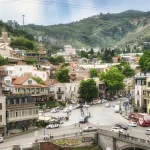
📷 Featured image by Evgeniy Prokofiev on Unsplash.