On this page
- Drinking in Mtskheta in 2026: What Travelers Get Wrong
- The Wine Bars and Restaurants Worth Your Evening
- Where to Sit Outdoors After Dark
- Local Chacha and Georgian Spirits: Where to Find Them
- The Riverside Strip: Mtskheta’s Most Atmospheric Drinking Zone
- 2026 Budget Reality: What a Night Out Costs in Mtskheta
- Practical Logistics: Getting There, Getting Back, Getting It Right
- Frequently Asked Questions
💰 Click here to see Georgia Budget Breakdown
💰 Prices updated: October, 2026. Budget figures are estimates — always verify before travel.
Exchange Rate: $1 USD = ₾2.60
Daily Budget (per person)
Shoestring: ₾70.00 – ₾130.00 ($26.92 – $50.00)
Mid-range: ₾180.00 – ₾350.00 ($69.23 – $134.62)
Comfortable: ₾500.00 – ₾1,000.00 ($192.31 – $384.62)
Accommodation (per night)
Hostel/guesthouse: ₾30.00 – ₾60.00 ($11.54 – $23.08)
Mid-range hotel: ₾110.00 – ₾200.00 ($42.31 – $76.92)
Food (per meal)
Budget meal: ₾15.00 ($5.77)
Mid-range meal: ₾35.00 ($13.46)
Upscale meal: ₾100.00 ($38.46)
Transport
Single metro/bus trip: ₾1.00 ($0.38)
Monthly transport pass: ₾40.00 ($15.38)
Drinking in Mtskheta in 2026: What Travelers Get Wrong
Most visitors to Mtskheta are day-trippers. They arrive from Tbilisi by marshrutka, walk to Svetitskhoveli Cathedral, eat lunch, and head back before 4pm. That means if you stay into the evening, you will have the town almost entirely to yourself — but you need to know where to go. The tourist-facing restaurants on the main pedestrian drag, Davit Aghmashenebeli Street, pack up early and charge heavily for the privilege of a UNESCO view. The places worth drinking at are quieter, slightly off the obvious path, and most of them only start feeling alive after 7pm. This guide covers exactly where those places are.
The Wine Bars and Restaurants Worth Your Evening
Mtskheta does not have a wine bar scene in the Tbilisi sense — no moody natural wine caves, no curated by-the-glass lists. What it does have is a cluster of family-run restaurants that take their wine seriously because Kartli, the region surrounding Mtskheta, has been producing it for centuries. The difference between a good evening and a forgettable one here is almost entirely about choosing the right place to sit down.
Kartlis Dedofali on the western edge of the old town remains the most consistent option in 2026. The house Rkatsiteli is poured from a clay jug kept behind the bar, and it arrives slightly cool, faintly tannic, with that dry apricot finish that amber wine drinkers will recognise immediately. The food here anchors the drinking — the mtsvadi is charcoal-grilled to order and takes about 20 minutes, so order early. Tables on the upper terrace fill up fast on weekends.
Nino’s House, a three-room restaurant on a side street behind the Cathedral, is a better choice for smaller groups. The owner sources Chinuri from a cousin’s vineyard near Gori. It is not on a menu — you ask, and they either have it or they don’t. When they do, it is worth every tetri. The dining room smells of toasted walnut and beeswax from the taper candles on each table, which gives the whole room a warmth that no amount of ambient lighting design can replicate.
Where to Sit Outdoors After Dark
Mtskheta’s outdoor drinking culture is modest but genuinely pleasant in the warmer months (April through October). The town sits at the confluence of the Aragvi and Mtkvari rivers, and the evening air carries a coolness that makes sitting outside with a glass of wine feel like a reward after the heat of the afternoon.

The courtyard behind Mtskheta Tavern (Tavisuplebis Street, near the old market square) is the best outdoor spot in the centre. It is enclosed by stone walls, lit with string lights, and the noise level stays low because it attracts mostly Georgian families and older couples rather than tour groups. They serve Saperavi by the carafe starting from 18 GEL for 500ml.
For a more open-air setting with a direct river view, the terrace seating at Aragvi Riverside Café works well for a drink at dusk. Order something simple — local beer or house wine — and watch the Jvari Monastery on the hill above shift from gold to grey as the light drops. It is one of those views that feels cinematic even when you are sitting in a plastic chair.
Local Chacha and Georgian Spirits: Where to Find Them
Chacha — Georgia’s grape pomace spirit, essentially a grappa with more personality — is the drink that separates the curious traveler from the cautious one. In Mtskheta, you are much closer to village distillation traditions than you are in Tbilisi, and that shows in what is available.
The small shop on the corner of Stalini Street and the lane that leads toward the Antioch Church stocks chacha from at least four local producers. There are no tasting notes on the bottles. You ask the woman behind the counter, she opens what she thinks is best, pours you a small plastic cup, and you decide. A 500ml bottle of good local chacha costs between 25 and 40 GEL depending on age and producer. This is not a tourist shop — it is a neighbourhood off-licence that happens to be accessible to visitors who find it.
Several restaurants also do tableside chacha pours as a welcome drink or digestif. Kartlis Dedofali brings it unprompted at the end of a meal, which can catch people off guard. It is impolite to refuse the first pour. A second is entirely your choice.
If you want to try Tkhilauri, a walnut-infused Georgian spirit that is rarer and sweeter than chacha, ask at Nino’s House. They sometimes stock a homemade version. It tastes like hazelnuts and caramel and goes down deceptively easily.
The Riverside Strip: Mtskheta’s Most Atmospheric Drinking Zone
The stretch of restaurants running along the Mtkvari riverbank, accessible from the southern end of Davit Aghmashenebeli Street, is where Mtskheta’s evening energy concentrates. During the day, this area is loud with tour buses and souvenir stalls. By 7:30pm, the buses are gone, the stalls are shuttered, and the whole embankment changes character entirely.
The sound of the river is the first thing you notice when the crowd thins — a low, constant rushing that you could not hear at midday over the noise. Three restaurants operate late along this strip: Old Mtskheta, Riverstone, and an unnamed family place that locals simply call “Tamara’s” after the owner. Of these, Riverstone has the best drink selection — they stock Kindzmarauli, Mukuzani, and a house-label semi-sweet red that is made for tourists but is perfectly drinkable. Tamara’s has the best prices and the most honest food.
The riverside walk itself is free and pleasant. You do not have to be seated at a restaurant to enjoy it. Bring your own wine from the corner shop (the one near the bus stop stocks Tbilvino and Teliani Valley bottles for 12–18 GEL), find a bench, and watch the reflection of Jvari in the water. Nobody will bother you.
2026 Budget Reality: What a Night Out Costs in Mtskheta
Mtskheta is noticeably cheaper than Tbilisi for evening drinks, and the gap has widened slightly since 2024 as Tbilisi’s bar scene has continued to gentrify. Here is what you can realistically expect to spend in 2026:
- Budget evening (drinks only, no food): 20–35 GEL per person. A couple of glasses of house wine or a beer at a riverside terrace, possibly a chacha pour included as welcome.
- Mid-range evening (drinks plus a shared meal): 50–80 GEL per person. A carafe of decent regional wine, a main dish, possibly a starter. This covers a full evening at Kartlis Dedofali or Nino’s House.
- Comfortable evening (bottled wine, full dinner, spirits): 100–150 GEL per person. You would need to actively try to spend this much in Mtskheta — it means ordering a named bottle rather than house wine, eating well, and finishing with chacha or coffee.
Cocktails are rare here. If you see a cocktail menu, it is aimed squarely at tourists and the prices jump accordingly — 18–25 GEL per cocktail is common. Wine and chacha are the honest choices and the cheaper ones.
Practical Logistics: Getting There, Getting Back, Getting It Right
Mtskheta is 20 kilometres north of Tbilisi. The marshrutka from Didube station in Tbilisi runs until roughly 8pm in 2026 and costs 1 GEL. After that, your options are taxi or rideshare. Bolt and Yandex both operate the Tbilisi–Mtskheta route; expect to pay 20–35 GEL for the ride depending on time of night and surge pricing. The journey takes 25–40 minutes.
There is no Georgian Railway station directly in the old town — the Mtskheta train halt is about 3 kilometres from the centre and poorly lit at night, so the train is not practical for a late evening return. The Tbilisi–Gori–Kutaisi rail line passes through, but timing rarely works for an evening out and back.
If you are staying overnight in Mtskheta (which makes the whole evening considerably more relaxed), guesthouses charge 80–150 GEL per night for a double room in 2026, breakfast sometimes included. The town has fewer than ten proper guesthouses, so book ahead on weekends between May and October.
One important practical note: Mtskheta is a deeply religious town. Svetitskhoveli Cathedral is a functioning place of worship, and the streets around it stay quiet as a form of respect even in the evening. Loud behaviour near the cathedral or the old churches is noticed and unwelcome. Keep that in mind as the night goes on and the chacha starts working.
Frequently Asked Questions
Does Mtskheta have bars that stay open past midnight?
Not reliably. Most venues close between 10pm and 11pm, with riverside restaurants occasionally staying open until midnight on busy summer weekends. Mtskheta is a town that winds down early. If you want a late night, Tbilisi is 25 minutes away by taxi and stays open indefinitely.
Is it safe to walk around Mtskheta at night?
Yes. Mtskheta is a small, quiet town with very low crime. The main streets and the riverbank are adequately lit. The only practical concern is uneven cobblestones on some of the older lanes near the cathedral — watch your step after dark, especially after rain.
Can I drink alcohol near the churches and religious sites?
There is no formal prohibition on carrying a drink in public spaces, but drinking visibly in front of active religious sites is considered disrespectful by locals. Stick to restaurant terraces and the riverside benches. Nobody will confront you, but common sense applies.
Are there any craft beer options in Mtskheta in 2026?
Very few. Craft beer culture has expanded in Tbilisi significantly since 2024, but Mtskheta has not followed at the same pace. You will find Natakhtari and Kazbegi on tap almost everywhere, and some riverside restaurants stock Tbilisi Brewing Company bottles. Do not expect a rotating tap list.
What is the best time of year for an evening out in Mtskheta?
May, June, September, and October offer the best combination of mild evenings, open terraces, and manageable tourist numbers. July and August are hot and crowded. Winter evenings are cold but atmospheric — some restaurants light outdoor braziers, and the candlelit interiors feel genuinely cosy rather than staged.
Explore more
Where to Go Out in Mtskheta: Your Guide to Evening Dining & Wine Bars
Mtskheta Day Trip from Tbilisi: Essential Tips, Getting There & Itinerary
Mtskheta Old Town vs. Riverside: Where to Stay for Your Perfect Trip
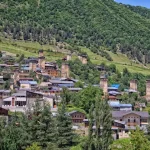
📷 Featured image by Artem Bryzgalov on Unsplash.