On this page
- Historic Market Square and Traditional Vendors
- Svetitskhoveli Cathedral Gift Shops and Religious Artifacts
- Jvari Monastery Area Artisan Workshops
- Mtskheta’s Cloisonné Enamel Masters and Studios
- Traditional Georgian Handicrafts on Arsenashvili Street
- Authentic Souvenirs vs Tourist Traps
- 2026 Pricing Guide for Mtskheta Shopping
- Frequently Asked Questions
💰 Click here to see Georgia Budget Breakdown
💰 Prices updated: October, 2026. Budget figures are estimates — always verify before travel.
Exchange Rate: $1 USD = ₾2.60
Daily Budget (per person)
Shoestring: ₾70.00 – ₾130.00 ($26.92 – $50.00)
Mid-range: ₾180.00 – ₾350.00 ($69.23 – $134.62)
Comfortable: ₾500.00 – ₾1,000.00 ($192.31 – $384.62)
Accommodation (per night)
Hostel/guesthouse: ₾30.00 – ₾60.00 ($11.54 – $23.08)
Mid-range hotel: ₾110.00 – ₾200.00 ($42.31 – $76.92)
Food (per meal)
Budget meal: ₾15.00 ($5.77)
Mid-range meal: ₾35.00 ($13.46)
Upscale meal: ₾100.00 ($38.46)
Transport
Single metro/bus trip: ₾1.00 ($0.38)
Monthly transport pass: ₾40.00 ($15.38)
Finding authentic Georgian souvenirs in Mtskheta has become increasingly challenging as the ancient capital draws more visitors in 2026. Many shops now stock mass-produced items from neighbouring countries, while the genuine local artisans work from smaller studios tucked away from the main tourist routes. This guide reveals where to find the real treasures.
Historic Market Square and Traditional Vendors
The cobblestone square beside Svetitskhoveli Cathedral remains Mtskheta’s primary shopping hub, though the vendors here cater heavily to tour groups rushing through on day trips from Tbilisi. The morning hours between 9-11 AM offer your best chance to browse without crowds and engage properly with sellers.
Three wooden stalls on the square’s eastern side consistently stock quality items. Nana Kiknadze’s stall, recognisable by its hand-painted sign in Georgian script, specialises in traditional textiles. Her felt slippers (20-35 GEL) feature authentic Georgian patterns, and she weaves small prayer rugs on a portable loom throughout the morning. The texture of her wool work feels substantially heavier than machine-made alternatives sold elsewhere.
The metalwork vendor beside the cathedral steps crafts small liturgical items on-site using traditional techniques. His brass crosses (15-40 GEL) show actual hammer marks and slight irregularities that mark handmade pieces. Tourist groups often overlook his work in favour of shinier, factory-made items from the larger shops.
Local ceramics appear at the northern stalls, where potters from the Kartli region bring traditional wine vessels and decorative plates. The clay bears a distinctive reddish tint specific to Georgian earth, and pieces often retain the potter’s fingerprint marks in the glaze. Prices range from 25 GEL for small bowls to 150 GEL for large qvevri-style vessels.

Svetitskhoveli Cathedral Gift Shops and Religious Artifacts
The cathedral’s official gift shop, located in the restored medieval building beside the main entrance, maintains higher standards for religious items than most tourist-oriented stores. Their icon collection includes works from contemporary Georgian iconographers who follow traditional Byzantine techniques, priced between 80-400 GEL depending on size and complexity.
Father Giorgi, who manages the shop’s religious artifacts section, carefully vets each piece for theological accuracy and artistic merit. His selections include hand-copied prayer books in Georgian script (45-120 GEL), silver-plated crosses blessed during cathedral services (30-85 GEL), and small reliquary boxes crafted by local silversmiths (60-200 GEL).
The shop’s incense selection deserves particular attention. Unlike the synthetic fragrances sold at tourist stalls, these blends use traditional Georgian herbs and resins. The monastery blend (12 GEL per packet) contains pine resin from the Caucasus mountains mixed with Georgian thyme, creating an authentic ecclesiastical fragrance.
Two private religious goods stores operate within 100 metres of the cathedral. “Tamar’s Treasures” on the western approach stocks reproductions of historical Georgian church artifacts, including scaled copies of medieval chalices (90-250 GEL) and illuminated manuscript pages (25-60 GEL). The owner, Tamar Tsereteli, studied art restoration in Tbilisi and provides detailed provenance information for each piece.
Authentication Tips for Religious Items
Genuine Georgian religious artifacts show specific characteristics that distinguish them from imports. Traditional icons use egg tempera on wood rather than printed materials, creating a subtle texture visible under close examination. Hand-painted halos show slight irregularities, while factory prints maintain perfect symmetry.
Silver crosses from Georgian workshops bear small maker’s marks, usually initials in Georgian script stamped into the reverse side. Imported pieces often lack these signatures or show generic symbols. The silver itself appears slightly duller than machine-polished alternatives, reflecting traditional finishing techniques.

Jvari Monastery Area Artisan Workshops
The steep path leading to Jvari Monastery houses several small workshops where artisans create traditional Georgian handicrafts away from tourist crowds. These studios operate from restored medieval buildings, maintaining techniques passed through generations of local families.
Mikheil Chkheidze’s woodworking studio, identified by the carved grapevine motif above its door, produces exceptional religious and decorative items from Georgian walnut and oak. His specialty involves carving traditional Georgian patterns into small boxes and frames, creating pieces that range from 40-180 GEL. The workshop smells strongly of walnut shavings and linseed oil, and visitors can observe Mikheil using hand tools identical to those employed by medieval Georgian craftsmen.
The textile workshop operated by sisters Ketevan and Maia Lomidze focuses on traditional Georgian embroidery techniques. Their work includes table runners featuring ancient Georgian motifs (65-140 GEL), small wall hangings depicting scenes from Georgian folklore (85-220 GEL), and traditional Georgian caps called “nabadi” (45-80 GEL). Each piece requires several weeks to complete, and the sisters often work on multiple projects simultaneously using silk threads imported from specific regions of Georgia.
These workshops accept custom orders for visitors planning extended stays in Georgia. Commission prices typically start at 150 GEL for small items and can reach 800 GEL for complex pieces requiring several months of work. The artisans require 50% payment upfront and can arrange international shipping through Georgian postal services.
Mtskheta’s Cloisonné Enamel Masters and Studios
Mtskheta hosts two master craftsmen who continue Georgia’s ancient cloisonné enamel tradition, creating jewelry and decorative objects using techniques dating to medieval Georgian courts. This art form nearly disappeared during Soviet times but experienced revival in the 1990s through efforts to preserve traditional Georgian crafts.
Vazha Nadiradze operates his studio from a renovated house on Pirveli Maisi Street, marked by a small blue sign in Georgian script. His workshop produces traditional Georgian jewelry designs, including the distinctive “gvino” wine-themed pieces featuring grapevine patterns in blue and green enamel (120-400 GEL). Each piece requires multiple firing stages, and the metallic clink of his tools creates a rhythmic soundtrack throughout working hours.

Nadiradze’s specialty involves recreating historical Georgian cloisonné patterns from museum pieces, particularly designs from the golden age of Georgian art in the 11th-12th centuries. His reproductions of medieval Georgian crowns (scaled to bracelet size, 280-450 GEL) and traditional Georgian church artifacts (150-350 GEL) attract collectors from across Georgia and international visitors seeking authentic cultural artifacts.
Nino Kapanadze’s smaller studio near the Aragvi River focuses on contemporary interpretations of traditional patterns. Her work incorporates modern color combinations while maintaining classical Georgian motifs, creating pieces that appeal to younger buyers. Earrings start at 85 GEL, while larger pendants and brooches range from 160-320 GEL.
Understanding Cloisonné Quality
Authentic Georgian cloisonné shows specific technical characteristics that distinguish masterwork from amateur attempts. The metal wire outlines (cloisons) should appear perfectly even in width and height, creating uniform cells for the enamel. High-quality pieces use fine silver wire, which develops a subtle patina over time, while lower-grade work employs copper wire that eventually discolors.
Genuine cloisonné feels substantial due to multiple enamel layers built up through repeated firing. The surface should appear completely smooth when properly finished, with enamel filling the cells to precisely the same level as the metal dividers. Inferior pieces often show raised or recessed enamel that indicates rushed production or inadequate skill.
Traditional Georgian Handicrafts on Arsenashvili Street
Arsenashvili Street, running parallel to the main tourist route, houses several workshops specializing in traditional Georgian handicrafts that receive less attention from casual visitors. These artisans focus on functional items rooted in Georgian daily life rather than decorative souvenirs designed for tourists.

The knife-making workshop run by Guram Kikabidze produces traditional Georgian hunting and utility knives using carbon steel and local horn for handles. His kindjali (traditional Georgian daggers) represent authentic reproductions of historical designs, with prices ranging from 180-450 GEL depending on blade length and handle materials. Each knife includes a hand-tooled leather sheath crafted by Guram’s wife, who learned traditional Georgian leatherworking from her grandmother.
Three doors down, the Tsereteli family operates a small carpet workshop where they create traditional Georgian kilim rugs using wool from Javakheti sheep. Their geometric patterns follow designs specific to the Mtskheta region, incorporating motifs that reference local landmarks and religious symbols. Small pieces (60×40 cm) cost 120-180 GEL, while larger room-sized carpets can reach 800-1,200 GEL.
The street’s pottery workshop, recognisable by the kiln smoke that appears most afternoons, produces functional Georgian ceramics including wine cups, storage vessels, and traditional cooking pots. The potter, Avtandil Chachkhiani, uses clay from deposits near Mtskheta that creates the distinctive brown and orange coloring characteristic of Kartli region ceramics. His wine cups (18-35 GEL) follow traditional Georgian proportions designed to enhance wine tasting, while his larger storage jars (80-200 GEL) use the same techniques employed by medieval Georgian potters.
Authentic Souvenirs vs Tourist Traps
Understanding the difference between genuine Georgian handicrafts and mass-produced tourist items requires knowledge of traditional Georgian materials, techniques, and design elements. Authentic pieces show characteristics that reflect Georgia’s cultural heritage and geographical resources.
Authentic Georgian Materials
Traditional Georgian crafts use materials indigenous to Georgia or historically imported through traditional trade routes. Georgian silver appears slightly duller than modern commercial silver due to traditional alloying methods. Local textiles use wool from Caucasus sheep, which produces yarn with shorter, denser fibers than commercial alternatives. Georgian ceramics incorporate local clays that create earth tones ranging from deep orange to reddish brown.

Wood crafts should use Georgian hardwoods, particularly walnut, oak, and boxwood. These species grow throughout Georgia and have been used by local craftsmen for centuries. Imported woods often appear too uniform in grain pattern or show tropical wood characteristics inconsistent with Georgian forestry.
Design Elements to Recognize
Georgian traditional designs incorporate specific motifs that appear consistently across different crafts. The grapevine pattern reflects Georgia’s winemaking heritage and appears in metalwork, textiles, and stone carving. The Georgian cross, with its distinctive proportions and arm relationships, should match historical examples rather than generic cross designs.
Traditional Georgian color combinations favor earth tones, deep blues, and burgundy reds that reflect natural dyes available historically in Georgia. Bright synthetic colors or tropical hues suggest modern production rather than traditional methods.
Common Tourist Trap Items
Several categories of items sold in Mtskheta tourist shops have no connection to Georgian culture. Mass-produced “Soviet” memorabilia often comes from China rather than representing authentic Georgian Soviet-era artifacts. Generic Caucasus region items may originate from Armenia, Azerbaijan, or Russia rather than Georgia specifically.
Machine-made textiles with Georgian patterns printed rather than woven lack the texture and irregularities that characterize handmade pieces. Factory-produced religious items often show perfect symmetry and synthetic materials that contrast with traditional Georgian ecclesiastical crafts.
2026 Pricing Guide for Mtskheta Shopping
Souvenir prices in Mtskheta have stabilized in 2026 following the post-pandemic tourism recovery, with authentic handmade items commanding premium prices while mass-produced goods remain affordable for budget travelers.
Budget Range (10-50 GEL)
Small ceramic items including wine cups, decorative bowls, and simple plates fall within budget range when purchased directly from potters. Traditional felt slippers and basic textile items like small embroidered sachets or simple scarves fit budget constraints. Religious items in this range include basic wooden crosses, small prayer books, and packets of traditional incense.

Postcards featuring Georgian religious art cost 3-5 GEL each, while small reproductions of historical Georgian coins range from 8-15 GEL. Basic wooden souvenirs including small carved boxes or simple utensils typically cost 15-35 GEL when purchased from workshop vendors rather than tourist shops.
Mid-Range Purchases (50-150 GEL)
Quality religious icons, traditional Georgian jewelry pieces, and medium-sized textile items occupy the mid-range price category. Hand-painted icons on wood typically cost 80-120 GEL for standard sizes, while larger or more complex pieces approach 150 GEL. Traditional Georgian metalwork including decorated crosses, small liturgical items, and basic cloisonné jewelry falls within this range.
Handwoven textiles including table runners, wall hangings, and traditional Georgian caps cost 65-140 GEL depending on size and complexity. Medium-sized ceramic pieces and traditional Georgian knives with basic handles fit mid-range budgets.
Comfortable Range (150+ GEL)
Premium handcrafted items including large religious icons, complex cloisonné jewelry, substantial textile pieces, and custom-made items require comfortable budgets. Master craftsman pieces, particularly from established artisans with recognized reputations, command prices from 200-800 GEL.
Large ceramic vessels, room-sized carpets, custom religious artifacts, and historical reproduction pieces represent significant investments. These items often require commission arrangements with specific delivery timelines.
Negotiation and Payment
Traditional Georgian hospitality includes moderate bargaining expectations, particularly for multiple purchases or larger items. Vendors typically offer 10-15% discounts for cash payments or multiple item purchases. Religious items and artifacts blessed by clergy generally maintain fixed prices.
Most vendors accept Georgian lari cash, with some larger shops accepting credit cards. Several workshops offer payment plans for commissioned pieces, typically requiring 50% upfront with balance due upon completion.
Frequently Asked Questions
Can I ship large pottery or religious artifacts internationally from Mtskheta? Yes, most established workshops arrange international shipping through Georgian postal services or private couriers. Costs typically range from 25-80 GEL depending on size and destination, with delivery times of 2-4 weeks to most countries.

How can I verify that religious items are properly blessed? Authentic religious artifacts sold through cathedral shops or verified workshops include documentation of blessing ceremonies. Items blessed at Svetitskhoveli Cathedral include small certificates signed by cathedral clergy, while workshop pieces may include letters of authenticity.
Are there any restrictions on taking Georgian cultural artifacts out of the country? Modern reproductions and contemporary handicrafts travel freely, but items over 100 years old require export permits from Georgian cultural authorities. Most tourist purchases qualify as contemporary crafts and face no restrictions.
What’s the best time of day to shop in Mtskheta for avoiding crowds? Early morning hours (9-11 AM) and late afternoon (4-6 PM) offer the best shopping experiences with smaller crowds. Avoid midday hours when tour buses arrive from Tbilisi, and Sunday mornings when many authentic craftspeople observe religious services.
Can I visit workshops to watch artisans working? Most workshops welcome visitors during working hours, typically 10 AM to 5 PM Monday through Saturday. Call ahead or ask locally for specific schedules, as some artisans take breaks during traditional Georgian meal times or religious observances.
Explore more
Mtskheta Day Trip from Tbilisi: Essential Tips, Getting There & Itinerary
Mtskheta Old Town vs. Riverside: Where to Stay for Your Perfect Trip
The Best Day Trips from Mtskheta: Explore Georgia’s Ancient Heart
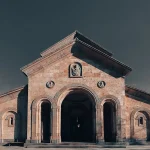
📷 Featured image by Inna Nasonova on Unsplash.