July in Batumi is not a secret. The city pulls enormous summer crowds from across Georgia, Armenia, Azerbaijan, Turkey, and beyond — and in 2026, visitor numbers have climbed again after several strong seasons. If you arrive without a plan expecting a quiet beach escape, you will be surprised. But if you know how Batumi actually works in high summer, it delivers something genuinely hard to find elsewhere in the region: a lively Black Sea city where mountains are an hour away, the wine flows freely, and the sea is warm enough to swim in every single day of the month.
The Beach Scene in July
Batumi’s beach is famously pebbly, not sandy. That catches some visitors off guard. The stones are smooth and grey, and by July the sea temperature sits comfortably between 24°C and 27°C — warm enough that you will want to stay in for hours. The water is calm most mornings, with light chop picking up in the afternoons when the sea breeze comes in off the Black Sea.
The city beach running along the Boulevard is free and crowded. On a Saturday afternoon in mid-July, expect shoulder-to-shoulder sunbathers, vendors walking past with corn on the cob and cold beer, and children everywhere. The noise, the smell of sunscreen and grilled fish drifting from nearby cafés, the thud of beach volleyball — it is genuinely festive rather than relaxing. If that energy suits you, position yourself toward the northern end of the Boulevard where it thins out slightly.
For more breathing room, the beaches toward Gonio, about 15 kilometres south of central Batumi, are the local alternative. You reach Gonio by marshrutka from the central market area for around 2–3 GEL. The pebbles are the same, but the density of tourists is noticeably lower, and the backdrop of forested hills rolling down to the coast gives the whole place a different feel. Some small beach bars there hire out sun loungers for 10–15 GEL per day.
Jellyfish appear in Batumi’s coastal waters during July, usually in short pulses. They are generally harmless, but swimmers should watch for them. Locals treat them with complete indifference.
Beyond the Sand: What Batumi Actually Has to Offer
A common mistake is treating Batumi as a pure beach destination. The city rewards people who wander. The old town, just a few blocks inland from the sea, has a cluster of streets where ornate iron balconies hang over narrow lanes, and local families sit out on their doorsteps in the cooler evening air. It is not a large area, but it is genuinely charming and mostly free of the neon-lit casino strip that dominates the Boulevard further north.
The Batumi Botanical Garden, sitting on a headland about 8 kilometres north of the city center, is one of the best in the entire Caucasus region. In July the subtropical plantings are at their fullest — bamboo groves, eucalyptus stands, Japanese garden sections, all overlooking the Black Sea. The light in the late afternoon, when the sea goes silver beneath you and the garden is quiet, is worth the entry fee alone. A cable car connects the garden to the coastline below; the ride takes just a few minutes and costs a modest fare.
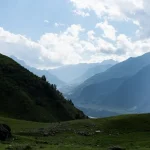
The Adjara hills behind Batumi are an underused asset. Goderdzi Pass and the villages of the Adjara highlands are accessible as a day trip from the city — think cool temperatures (often 10°C cooler than the coast), dense beech forests, and working guesthouses serving homemade Adjaran food. Minibuses and shared taxis depart from the Batumi central bus station toward Khulo and surrounding villages. The road is winding, but the landscape shifts dramatically within 30 minutes of leaving the coastal plain.
What to Eat and Drink in July 2026
Adjaran cuisine is distinct from the Georgian cooking most visitors know from Tbilisi. The most famous export is Adjaran khachapuri — the boat-shaped bread filled with cheese, topped with a raw egg and a knob of butter that melts into the filling as you tear the dough from the edges. In Batumi, this is everyday food, not a tourist performance. Find it at the local bakeries just off the old town rather than the Boulevard-facing restaurants, where prices are higher and quality is more variable.
July brings exceptional fresh produce. Bazroba (the market near the central bus station) is full of local tomatoes, herbs, wild blackberries from the hills, and young walnuts. A breakfast of tomatoes, fresh cheese, and churchkhela bought at the market costs almost nothing and is far better than anything from a hotel buffet.
Seafood is central to summer eating here. Grilled mullet (kefali) and sea bass appear on almost every menu. A full grilled fish with salad and bread at a no-frills sea-facing restaurant runs 35–60 GEL depending on the fish and the location. The restaurants packed onto the Boulevard markup aggressively in July; walk one block inland and prices drop meaningfully.
Adjaran wine is less celebrated than Kakheti, but the region produces a light, slightly herbal white from local varieties that pairs well with the heat. Ask for local wine by the carafe at older tavern-style places — it will arrive in a jug without a label and cost 10–15 GEL per litre.
2026 Budget Reality
July is peak season. Prices reflect that. Here is what you can realistically expect to spend in July 2026:
Accommodation (per night)
- Budget: Guesthouses in the old town or residential streets, shared bathroom, basic breakfast sometimes included — 60–100 GEL per night for a double room.
- Mid-range: A clean, air-conditioned hotel or apartment rental with a private bathroom, central location, possibly a small balcony — 150–280 GEL per night.
- Comfortable: Established hotels with pools, sea views, reliable Wi-Fi — 350–600 GEL per night. Rates spike further on weekends and Georgian public holidays.
Food (per day, per person)
- Budget: Market breakfasts, khachapuri lunches, and simple dinner at a local tavern — 40–60 GEL per day.
- Mid-range: Sit-down meals with wine twice a day — 100–150 GEL per day.
- Comfortable: Full restaurant meals, cocktails on the Boulevard, fresh seafood nightly — 200–300 GEL per day or more.
Activities
- Botanical Garden entry: approximately 15–20 GEL
- Marshrutka to Gonio beach: 2–3 GEL each way
- Day trip shared taxi to Adjara highlands: 30–50 GEL per person depending on group size and destination
- City beaches: free
Book accommodation at least 6–8 weeks in advance for July. The city genuinely fills up, and last-minute options shrink to overpriced or inconveniently located rooms.
Getting to Batumi in July
The most common route for most visitors is the overnight or daytime train from Tbilisi. Georgian Railway operates multiple departures daily on the Tbilisi–Batumi route; the journey takes around five to six hours. The overnight sleeper is particularly good value — you travel while you sleep, arrive in the morning, and save a night’s accommodation cost. Tickets sell out early in July, so book through the Georgian Railway website as soon as your dates are fixed.
Minibuses from Tbilisi’s Didube station also run throughout the day to Batumi and are slightly faster on a good traffic day, though comfort varies. The marshrutka fare is lower than the train.
Batumi International Airport receives direct flights from several regional cities and select European destinations. Flight availability and routes shift season to season — check current schedules directly with airlines operating from your departure point. If you are already in Georgia and flying domestically, Vanilla Sky and other smaller carriers have historically operated Tbilisi–Batumi air routes, though availability in 2026 should be confirmed directly.
From Turkey, regular bus services run from Trabzon and Artvin to Batumi, crossing at the Sarpi border. The crossing can be slow in July due to summer traffic; mornings generally move faster than afternoons.
Practical July Essentials
July in Batumi is hot and humid. Average daytime temperatures sit around 28–32°C, and the humidity makes it feel heavier than those numbers suggest. Unlike the dry heat of Tbilisi in summer, Batumi’s coastal air stays thick. Light, loose-fitting clothing is not optional — it is a practical necessity.
Rain is part of July here. Batumi is one of the wettest cities in the entire Caucasus, receiving significant rainfall even in the height of summer. Afternoon thunderstorms roll in from the sea quickly and pass just as fast. Pack a small umbrella or a light waterproof — not because it will ruin your trip, but because getting caught in a Batumi summer downpour without one is a thorough soaking.
Mosquitoes are active near the riverbanks and greener residential areas after dark. A basic repellent from any local pharmacy will cover you.
The city stays alive very late in July. Restaurants and bars along the Boulevard keep serving past midnight; the noise from outdoor venues carries into nearby accommodation. If you are a light sleeper, choose a guesthouse a few blocks inland or bring earplugs.
Cash remains widely useful in Batumi, especially in markets, guesthouses, and smaller food spots. ATMs are plentiful throughout the city center and dispense Georgian lari without difficulty.
Frequently Asked Questions
Is July a good time to visit Batumi?
July is the peak of Batumi’s summer season — the sea is warm, the city is lively, and all services are fully operational. The trade-off is higher prices, crowded beaches, and humid heat. If you want the full summer atmosphere, July delivers it completely. If you prefer quieter conditions, late May or early September offer similar warmth with thinner crowds.
How crowded is Batumi in July 2026?
Very crowded by Georgian standards, especially on weekends and Georgian public holidays. The Boulevard and main beach are packed midday. The city absorbs the crowds reasonably well, but accommodation books up fast. Arriving midweek, staying slightly outside the central strip, and planning beach time for early morning all make a significant difference to your experience.
What is the sea temperature in Batumi in July?
The Black Sea at Batumi reaches 24–27°C in July — comfortably warm for swimming throughout the day. The water is clean at the main beach areas, though the city beach can feel busy. Water temperature stays consistent through the month, with small variations depending on wind direction and any brief upwelling events.
How do I get from Tbilisi to Batumi?
The most reliable option is the Georgian Railway train, which runs multiple times daily and takes around five to six hours. The overnight sleeper is popular and books up quickly in July. Marshrutkas from Tbilisi’s Didube station are also widely used and slightly faster, though less comfortable. Book train tickets in advance through the Georgian Railway website.
What should I budget for a week in Batumi in July?
A budget traveller staying in a basic guesthouse, eating at local spots, and using public transport can manage on roughly 400–500 GEL per week excluding accommodation. Mid-range travellers should plan for 1,200–1,800 GEL per week all-in. July prices are noticeably higher than shoulder season, so factor in the premium when planning.
Explore more
Beating the Heat: Essential Tips for Visiting Georgia in July 2026
Summer Flavors of Georgia: Seasonal Dishes and Drinks for June 2026
Georgia’s Black Sea Coast: Your June 2026 Summer Guide