On this page
- Why Mtskheta Deserves a Full Day
- Getting to Mtskheta from Tbilisi
- Essential Historical Sites and UNESCO Treasures
- Hidden Gems Beyond the Main Attractions
- Where to Eat in Mtskheta
- Shopping for Local Crafts and Souvenirs
- Seasonal Considerations and Best Times to Visit
- Photography Spots and Instagram-Worthy Views
- Combining Mtskheta with Other Nearby Attractions
- Cultural Events and Practical Tips
- Budget Breakdown for Different Travel Styles
- Frequently Asked Questions
💰 Click here to see Georgia Budget Breakdown
💰 Prices updated: October, 2026. Budget figures are estimates — always verify before travel.
Exchange Rate: $1 USD = ₾2.60
Daily Budget (per person)
Shoestring: ₾70.00 – ₾130.00 ($26.92 – $50.00)
Mid-range: ₾180.00 – ₾350.00 ($69.23 – $134.62)
Comfortable: ₾500.00 – ₾1,000.00 ($192.31 – $384.62)
Accommodation (per night)
Hostel/guesthouse: ₾30.00 – ₾60.00 ($11.54 – $23.08)
Mid-range hotel: ₾110.00 – ₾200.00 ($42.31 – $76.92)
Food (per meal)
Budget meal: ₾15.00 ($5.77)
Mid-range meal: ₾35.00 ($13.46)
Upscale meal: ₾100.00 ($38.46)
Transport
Single metro/bus trip: ₾1.00 ($0.38)
Monthly transport pass: ₾40.00 ($15.38)
Many travelers rush through Mtskheta in two hours, snapping photos at Svetitskhoveli Cathedral before heading back to Tbilisi. This approach misses the soul of Georgia’s ancient capital entirely. In 2026, with improved transport links and a growing number of authentic restaurants and guesthouses, Mtskheta rewards visitors who take time to wander its cobblestone streets, climb to hidden viewpoints, and experience the spiritual energy that has drawn pilgrims here for over 1,500 years.
Why Mtskheta Deserves a Full Day
Mtskheta holds the title of Georgia’s spiritual heart for good reason. This UNESCO World Heritage site served as the capital of the Kingdom of Iberia from the 3rd century BC until the 5th century AD, making it older than Tbilisi itself. Beyond its historical significance, Mtskheta offers an intimate glimpse into Georgian Orthodox culture that you simply cannot experience in the capital’s tourist-heavy sites.
The morning light filtering through the ancient walls of Svetitskhoveli Cathedral creates an almost mystical atmosphere as local worshippers light candles and whisper prayers. The scent of burning incense mingles with the cool stone air, while shafts of sunlight illuminate 11th-century frescoes that have survived countless invasions and earthquakes.
Unlike Tbilisi’s sometimes overwhelming energy, Mtskheta moves at a contemplative pace. You can spend hours exploring without feeling rushed, whether you’re climbing the steep path to Jvari Monastery for panoramic views or sitting by the Mtkvari River watching local fishermen cast their lines where two rivers converge.
Getting to Mtskheta from Tbilisi
The journey from Tbilisi to Mtskheta has become significantly easier since the 2025 expansion of public transport options. Your best choices include marshrutkas, private taxi, rental car, or organized tour.
Marshrutkas (shared minibuses) depart from Didube Metro Station every 15-20 minutes throughout the day. The fare costs 2 GEL and the journey takes 45 minutes to an hour depending on traffic. These yellow minibuses marked “Mtskheta” fill up quickly during summer months and weekends, so arrive early or be prepared to stand.

Private taxis offer more comfort and flexibility, with most drivers charging 40-50 GEL for a round trip including 3-4 hours of waiting time. Bolt and Yandex taxi apps work reliably for this route, though negotiating directly with taxi drivers at Rustaveli Avenue often yields better prices.
Rental cars provide maximum freedom to explore at your own pace. The drive takes 30 minutes via the E60 highway, with parking available near the main sites for 5 GEL per day. Traffic can be heavy on Friday evenings and Sunday afternoons as locals head to and from weekend houses.
Essential Historical Sites and UNESCO Treasures
Svetitskhoveli Cathedral stands as Mtskheta’s crown jewel and one of Georgia’s most sacred sites. Built in the 11th century on the spot where Christ’s robe was supposedly buried, this massive limestone structure houses the tombs of Georgian kings and showcases some of the country’s finest medieval architecture. The interior’s towering columns and intricate stone carvings create a sense of awe that photographs cannot capture.
Plan to spend at least 90 minutes inside the cathedral. Look for the famous fresco depicting the hand of God blessing the church’s construction, and don’t miss the small chapel containing what locals believe to be a piece of the True Cross. The cathedral’s acoustics are extraordinary – if you’re lucky enough to hear Georgian polyphonic singing during a service, the harmonies seem to emanate from the very stones.
Jvari Monastery, perched dramatically on a hilltop overlooking Mtskheta, requires a 20-minute uphill walk or short drive from the town center. This 6th-century church inspired Lermontov’s famous poem and offers the best panoramic views of the Mtkvari and Aragvi rivers’ confluence. The monastery’s simple stone exterior contrasts beautifully with the surrounding landscape, especially during golden hour when the entire valley glows amber.

Samtavro Monastery, often overlooked by rushed visitors, houses the tomb of Saint Nino, who brought Christianity to Georgia in the 4th century. The complex includes both ancient and modern elements, with nuns still living and working on the grounds. The peaceful gardens provide a quiet retreat from the main tourist areas.
Hidden Gems Beyond the Main Attractions
The Old Mtskheta Archaeological Site, located near the Mtkvari River, reveals layers of the ancient city through ongoing excavations. Local archaeologist Giorgi Maisuradze often provides impromptu tours on weekends, sharing discoveries that rewrite Georgian history textbooks. The site costs 5 GEL to enter and offers a fascinating glimpse into pre-Christian Mtskheta.
For a unique perspective, follow the unmarked trail that begins behind the Samtavro Monastery and leads to the ruins of Armazi Fortress. This 45-minute hike rewards you with solitude and sweeping views that most tourists never see. Bring water and good walking shoes, as the path can be rocky and steep in places.
The Mtskheta Ethnographic Museum, housed in a traditional Georgian home, displays artifacts from the region’s 3,000-year history. The museum’s elderly curator, Nana Tsereteli, speaks excellent English and shares stories passed down through generations. Entry costs 3 GEL, and the personal attention makes this small museum surprisingly memorable.
During summer months, locals swim and picnic along the riverbanks where the Mtkvari and Aragvi meet. Pack a lunch and join families enjoying this free, refreshing activity that offers a glimpse into everyday Georgian life away from tourist sites.

Where to Eat in Mtskheta
Mtskheta’s dining scene has evolved dramatically since 2024, with several excellent restaurants complementing traditional family-run establishments. Salobie Bia, located in a restored 19th-century merchant’s house on Arsukidze Street, serves exceptional khachapuri and mtsvadi (Georgian barbecue) in atmospheric candlelit rooms. Their lobiani costs 8 GEL and arrives piping hot with a perfect balance of bean filling and flaky pastry.
For authentic home cooking, visit Deda Ena restaurant near Svetitskhoveli Cathedral. This family-run establishment offers a daily-changing menu based on seasonal ingredients. Their khinkali (dumplings) are hand-made fresh each morning, and the chakapuli (herb stew) showcases the region’s wild herbs gathered from nearby mountains. Expect to pay 25-30 GEL per person for a full meal with wine.
The Mtskheta Bazaar, held every Saturday in the main square, offers the best street food experience. Try churchkhela (Georgian candy made from nuts and grape juice) from vendor Maia Chkuaseli, whose family has been making this traditional sweet for four generations. Her stall recognizable by its colorful displays charges 3 GEL per piece.
Cafe Ornament provides the town’s best coffee, roasted locally and served in a cozy space decorated with traditional Georgian textiles. Their Georgian breakfast platter, featuring fresh bread, local cheese, honey, and seasonal fruits, costs 15 GEL and provides excellent fuel for a day of sightseeing.
Shopping for Local Crafts and Souvenirs
Mtskheta’s artisan workshops produce some of Georgia’s finest handmade goods. The Cloisonné Enamel Workshop on Chavchavadze Street demonstrates the ancient technique of creating intricate religious icons and jewelry using colored enamel and gold wire. Master craftsman Levan Chubinishvili offers 30-minute demonstrations for 10 GEL, and his finished pieces range from 50-500 GEL.
Traditional carpet weaving continues at the Mtskheta Carpet Workshop, where you can watch artisans create intricate patterns using techniques passed down through centuries. Small rugs suitable for carrying home start at 80 GEL, while larger pieces can cost several hundred lari but represent genuine investment-quality craftsmanship.

The souvenir market near Svetitskhoveli Cathedral offers the usual selection of magnets and postcards, but look for vendors selling handmade felt items and traditional Georgian jewelry. Prices here are generally lower than in Tbilisi, with negotiation expected and welcomed.
Antique shops along the main pedestrian street occasionally yield treasures like Soviet-era medals, vintage Georgian textiles, or old religious icons. Shop carefully and ask for provenance documentation for any expensive items, as export restrictions apply to genuine antiques over 50 years old.
Seasonal Considerations and Best Times to Visit
Each season offers distinct advantages for visiting Mtskheta. Spring (April-May) brings mild temperatures averaging 18-22°C and blooming wildflowers that carpet the surrounding hills. This period sees fewer crowds than summer but offers comfortable weather for hiking to Jvari Monastery and exploring outdoor sites.
Summer (June-August) attracts the largest crowds but also provides the longest daylight hours and warmest weather for riverside activities. Temperatures can reach 30°C, making early morning or late afternoon visits to outdoor sites more comfortable. Book accommodations well in advance during this peak period.
Autumn (September-October) delivers ideal weather with clear skies, comfortable temperatures around 20-25°C, and stunning foliage along the riverbanks. The grape harvest season adds special energy to the town, with local families selling fresh wine and chacha from roadside stands.
Winter visits require warm clothing but offer a completely different atmosphere. Snow often caps the surrounding mountains while leaving the town itself accessible. The reduced tourist numbers mean you might have major sites nearly to yourself, and the cozy restaurants become especially welcoming refuges from the cold.

Svetitskhoveli hosts major Orthodox celebrations throughout the year. The feast of Saint Nino on January 14th draws thousands of pilgrims for special services and processions. Mtskhetoba, celebrated in mid-October, combines religious observance with traditional music, dance, and food festivals throughout the town.
Photography Spots and Instagram-Worthy Views
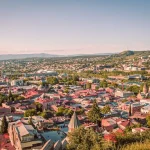
The classic Mtskheta panorama photograph requires positioning yourself on the road leading up to Jvari Monastery about halfway to the top. This vantage point captures both the monastery perched on its cliff and the town spread below where two rivers meet. Golden hour, occurring around 7 PM in summer and 5 PM in winter, provides the most dramatic lighting.
Inside Svetitskhoveli Cathedral, photography is permitted but flash is prohibited. The best shots capture the interplay of natural light streaming through windows with the warm glow of hundreds of candles. The tomb area in the cathedral’s center creates particularly atmospheric compositions.
For unique perspectives, climb the bell tower at Samtavro Monastery (small donation requested). The elevated position offers fresh angles on the town’s red-tiled roofs and surrounding landscapes without the crowds gathered at Jvari.
The riverfront promenade provides excellent foreground elements for photographing the town’s skyline. Early morning mist rising from the water creates ethereal conditions, while sunset reflections turn the rivers into golden mirrors.
Combining Mtskheta with Other Nearby Attractions
Gori, Stalin’s birthplace, lies just 45 minutes from Mtskheta and can easily be combined into a full day trip. The Stalin Museum offers controversial but fascinating insights into Georgia’s most famous – and infamous – son. Allow 2-3 hours for the museum visit and factor in lunch at one of Gori’s traditional restaurants.
Uplistsikhe, an ancient rock-hewn city dating to the 6th century BC, sits 20 minutes beyond Gori. This remarkable archaeological site features carved chambers, tunnels, and amphitheaters built directly into the rock face. The combination of Mtskheta’s Christian heritage and Uplistsikhe’s pre-Christian history provides excellent historical context for understanding Georgia’s cultural evolution.

Wine enthusiasts can extend their day trip to include the Kartli wine region. Several family-run wineries within 30 minutes of Mtskheta offer tastings and cellar tours. Château Mukhrani, a restored 19th-century estate, provides the most polished experience with guided tours available in English for 25 GEL including tastings.
Adventure seekers can combine Mtskheta with white-water rafting on the Mtkvari River. Several outfitters based in nearby Saguramo offer half-day trips suitable for beginners, with equipment and transport included for around 80 GEL per person.
Cultural Events and Practical Tips
The annual Mtskheta Wine Festival in late September celebrates the region’s winemaking traditions with tastings, traditional music, and folk dancing in the main square. Local families set up stalls selling homemade wine, chacha, and traditional foods. Entry is free, though tastings typically cost 5-10 GEL per glass.
Religious music concerts occur regularly in Svetitskhoveli Cathedral, particularly during Orthodox holidays. The internationally renowned Rustavi Ensemble often performs here, showcasing Georgia’s ancient polyphonic traditions in their original spiritual context. Concert information is posted at the cathedral entrance and at local guesthouses.
The Mtskheta Craft Fair, held monthly from May through October, brings together artisans from across the region. Demonstrations of traditional techniques like blacksmithing, pottery, and woodcarving provide educational entertainment while supporting local craftspeople.
Dress modestly when visiting religious sites – long pants and covered shoulders are required for both men and women entering churches. Many sites provide wraps for visitors who arrive unprepared, but bringing appropriate clothing shows respect for local customs.
Georgian is the primary language in Mtskheta, with Russian widely understood among older residents. English is increasingly common among younger people and those working in tourism, but learning basic Georgian phrases like “madloba” (thank you) and “bodishi” (excuse me) will earn appreciative smiles.

ATMs are available near the main square and at the larger restaurants, but smaller vendors and craft workshops often prefer cash payments. Bring enough lari for meals, entrance fees, and purchases rather than relying entirely on cards.
Free WiFi is available at most restaurants and the main tourist information center near Svetitskhoveli Cathedral. Local SIM cards can be purchased in Tbilisi if you need reliable internet access for navigation or communication throughout your trip.
Comfortable walking shoes are essential, as many of the town’s streets are cobblestone and can become slippery when wet. The path to Jvari Monastery involves a steep climb that can be challenging in inappropriate footwear.
Budget Breakdown for Different Travel Styles
Budget travelers can experience Mtskheta comfortably for 40-50 GEL per person per day. This includes marshrutka transport from Tbilisi (4 GEL round trip), entrance fees to major sites (10-15 GEL total), a simple lunch at a local restaurant (15 GEL), and small purchases like churchkhela or postcards (10 GEL).
Mid-range visitors typically spend 80-100 GEL per day for a more comfortable experience. This budget covers private taxi transport (50 GEL), entrance fees to all sites including guided tours (25 GEL), a good meal with wine at a traditional restaurant (35 GEL), and modest souvenir purchases (20 GEL).
Comfortable travelers can expect to spend 150-200 GEL per day for premium experiences. This includes private car with driver for the day (100 GEL), entrance fees plus private guide services (40 GEL), an excellent lunch with multiple courses and wine pairing (60 GEL), and quality craft purchases like handmade textiles or jewelry (100+ GEL).
These estimates assume a day trip from Tbilisi. Visitors staying overnight in Mtskheta can add 40-80 GEL for basic guesthouse accommodation or 120-200 GEL for boutique hotel rooms.

Frequently Asked Questions
How much time do I need for Mtskheta?
A full day (8-10 hours) allows you to see all major sites without rushing, including time for meals and shopping. Half-day trips (4-5 hours) cover the essential churches but miss the town’s deeper character and hidden gems.
Can I visit Mtskheta independently without a guide?
Absolutely. The town is small and walkable, with clear signage to major sites. However, a local guide adds valuable historical context and can arrange access to sites like archaeological excavations that aren’t always open to independent visitors.
What should I wear when visiting the churches?
Modest clothing is required – long pants, covered shoulders, and closed shoes for both men and women. Head coverings for women are recommended but not always strictly enforced. Avoid shorts, tank tops, or revealing clothing.
Is Mtskheta suitable for children and elderly visitors?
Most sites are accessible to all ages, though the climb to Jvari Monastery may be challenging for those with mobility issues. The main cathedral and town center are flat and easy to navigate with strollers or wheelchairs.
What’s the best way to combine Mtskheta with other attractions?
Organize geographically – combine with Gori and Uplistsikhe in one direction, or with Kartli region wineries. Most day tour operators offer combination packages, or rent a car for maximum flexibility to create your own itinerary.
Explore more
Mtskheta Day Trip from Tbilisi: Your Ultimate Guide to Georgia’s Ancient Capital
The Ultimate Mtskheta Shopping Guide: Markets, Souvenirs & What to Buy
Mtskheta After Dark: Uncovering the City’s Best Late-Night Venues