On this page
- Mestia Base Camp: Gateway to Upper Svaneti’s Medieval Towers
- The Classic Mestia-Ushguli Trek: Route Planning and Trail Highlights
- Ushguli Village: Europe’s Highest Settlement and UNESCO Towers
- Multi-Day Trekking Essentials: Gear, Weather, and Safety in 2026
- Svan Culture and Mountain Hospitality: Guesthouses and Local Encounters
- Planning Your Svaneti Adventure
- Budget Breakdown: Trekking Costs in Georgian Lari
- Frequently Asked Questions
💰 Click here to see Georgia Budget Breakdown
💰 Prices updated: October, 2026. Budget figures are estimates — always verify before travel.
Exchange Rate: $1 USD = ₾2.60
Daily Budget (per person)
Shoestring: ₾70.00 – ₾130.00 ($26.92 – $50.00)
Mid-range: ₾180.00 – ₾350.00 ($69.23 – $134.62)
Comfortable: ₾500.00 – ₾1,000.00 ($192.31 – $384.62)
Accommodation (per night)
Hostel/guesthouse: ₾30.00 – ₾60.00 ($11.54 – $23.08)
Mid-range hotel: ₾110.00 – ₾200.00 ($42.31 – $76.92)
Food (per meal)
Budget meal: ₾15.00 ($5.77)
Mid-range meal: ₾35.00 ($13.46)
Upscale meal: ₾100.00 ($38.46)
Transport
Single metro/bus trip: ₾1.00 ($0.38)
Monthly transport pass: ₾40.00 ($15.38)
Svaneti’s reputation as Georgia’s premier trekking destination reached new heights in 2026, with improved trail infrastructure and updated weather monitoring systems making the legendary Mestia-Ushguli route more accessible than ever. Yet many visitors still underestimate the physical demands and weather variability that can transform this UNESCO World Heritage landscape from postcard-perfect to genuinely challenging within hours.
Mestia Base Camp: Gateway to Upper Svaneti’s Medieval Towers
Mestia serves as the natural staging ground for Svaneti’s most iconic trek, its cluster of defensive towers silhouetted against the Caucasus peaks at 1,500 metres elevation. The town transformed significantly since 2024, with the completion of the Svaneti Museum’s new wing and upgraded helicopter landing pad for emergency evacuations—a reassuring addition given the region’s unpredictable weather patterns.
The morning air carries the scent of wood smoke and fresh bread from local bakeries, where Svan women still roll out traditional kubdari—spiced meat pastries that make perfect trail food. Stock up at the central market, where vendors speak a mix of Georgian, Svan, and increasingly, English to accommodate the growing number of international trekkers.
Mestia’s accommodation scene evolved considerably in 2026. The restored Queen Tamar Hotel offers comfortable rooms from 120 GEL per night, while traditional guesthouses like Laila’s maintain their authentic charm at 40-60 GEL per person including breakfast. Book ahead during peak season (July-September), as the town’s infrastructure still feels the strain of increased tourism.
Essential pre-trek services cluster around the main square: mountain equipment rental at Alpine Georgia (established 2025), weather updates at the visitor information centre, and trail permits—now streamlined through a digital system that took effect in January 2026. The new system requires advance registration for overnight camping, though day hiking remains unrestricted.
Acclimatization and Trail Preparation
Spend at least one full day in Mestia before attempting the Ushguli trek. The town sits significantly higher than Tbilisi, and proper acclimatization reduces the risk of altitude-related issues on the trail. Use this time for shorter hikes to nearby villages like Tsvirmi or the Chalaadi Glacier trail, both offering excellent warm-up terrain.

The Mestia Tourism Development Office, relocated to a larger facility in 2026, provides current trail conditions and weather forecasts specific to the high-altitude route. Staff speak excellent English and maintain real-time communication with mountain rescue teams—a service that proved invaluable during the unexpected September snowstorm of 2025.
The Classic Mestia-Ushguli Trek: Route Planning and Trail Highlights
The 54-kilometre trek from Mestia to Ushguli ranks among the Caucasus region’s most rewarding multi-day hikes, typically completed in 3-4 days depending on fitness level and weather conditions. The trail gained new waymarkers in 2026, following international hiking standards that significantly reduced navigation errors.
Day one covers the 17-kilometre stretch to Zhabeshi, beginning with a gentle ascent through alpine meadows before crossing the Dolra Pass at 2,030 metres. The path winds through ancient Svan settlements where defensive towers stand sentinel against a backdrop of 4,000-metre peaks. Wildflowers carpet the meadows from June through August, while September brings golden larches and crystal-clear mountain air.
The second day’s 20-kilometre segment to Adishi presents the trek’s most challenging terrain. The trail climbs to 2,300 metres at the Baki Pass, offering panoramic views of Mount Shkhara (5,193m) and the Enguri Gorge. Weather can shift rapidly at this elevation—morning sunshine often gives way to afternoon thunderstorms that roll in from the Russian border peaks.
Adishi village provides a welcome rest stop, its guesthouse offering hot meals and basic accommodation. The village maintains one of Svaneti’s best-preserved tower clusters, with some structures dating to the 12th century. Local families supplement income through tourism while continuing traditional farming practices—a delicate balance that UNESCO monitoring helps maintain.

The final day’s 17-kilometre push to Ushguli includes the trek’s highest point at Guli Pass (2,200m). Early morning starts are essential, as afternoon weather frequently deteriorates. The descent into Ushguli reveals one of the world’s most dramatic village settings, where medieval towers cluster beneath the imposing mass of Mount Shkhara.
Navigation and Trail Conditions
Trail marking improved dramatically in 2026 following partnership between Georgian National Tourism Administration and European hiking organizations. Red and white blazes now mark the entire route, supplemented by trilingual signs at major junctions. However, sections between Adishi and Ushguli can become obscured during heavy weather—GPS backup remains essential.
Bridge maintenance addressed previous safety concerns, with three major stream crossings receiving new installations in early 2026. The notorious Adishi River crossing now features a proper suspension bridge, eliminating the treacherous ford that claimed several hiking poles in previous years.
Ushguli Village: Europe’s Highest Settlement and UNESCO Towers
Ushguli sits at 2,200 metres elevation, earning recognition as Europe’s highest continuously inhabited settlement. The village actually comprises four distinct hamlets—Zhibiani, Chvibiani, Chazhashi, and Murkmeli—each maintaining unique characteristics while sharing the region’s iconic tower architecture.
The settlement’s 70 defensive towers create an otherworldly skyline against Mount Shkhara’s glacier-draped slopes. These structures, built between the 9th and 13th centuries, served as refuges during invasions and blood feuds that plagued medieval Svaneti. UNESCO World Heritage status, granted in 1996, helps preserve both the towers and traditional Svan culture.
Chazhashi offers the most photogenic tower cluster and houses the small Ethnographic Museum (admission 5 GEL), which reopened in 2026 with improved English interpretations. The museum’s highlights include traditional Svan weapons, religious icons, and a fascinating exhibit on the region’s unique polytheistic traditions that survived alongside Orthodox Christianity.

Village life continues much as it has for centuries. Families tend high-altitude gardens where potatoes and barley grow in the short mountain summer. The sound of cowbells echoes across meadows where livestock graze beneath glaciated peaks, creating scenes unchanged since medieval times.
Queen Tamar’s Castle and Ancient Legends
The ruins of Queen Tamar’s castle crown a hill above Ushguli, though reaching the site requires a steep 45-minute climb. Local legend claims the 12th-century queen visited Ushguli, though historians debate the castle’s actual connection to Georgia’s most famous monarch. The climb rewards visitors with spectacular views across Upper Svaneti and into Russia’s Kazbek region.
Recent archaeological work, conducted in 2025-2026, uncovered evidence of much earlier occupation. Pottery fragments suggest the site may have been fortified as early as the 6th century, making it one of the Caucasus region’s oldest continuously occupied defensive positions.
Multi-Day Trekking Essentials: Gear, Weather, and Safety in 2026
Svaneti’s weather patterns shifted noticeably in recent years, with increased precipitation variability and more frequent late-season snowfall. The 2026 trekking season saw snow as late as mid-June at higher elevations, while September storms arrived earlier than historical averages suggest.
Essential gear includes waterproof layers rated for alpine conditions, insulating mid-layers, and sturdy hiking boots with ankle support. The rocky terrain between Adishi and Ushguli demands proper footwear—lightweight trail runners proved inadequate for multiple trekkers in 2025. Trekking poles help significantly on steep descents and river crossings.
Sleeping equipment should accommodate temperatures down to -5°C even in summer months. Alpine conditions above 2,000 metres can bring frost any night of the year. A reliable tent withstands mountain weather better than relying solely on village accommodation, which may be unavailable during peak periods.

The new emergency communication system, implemented across Svaneti in 2026, provides satellite-based rescue coordination. Emergency shelters were installed at three locations along the main trek route, stocked with basic supplies and equipped with emergency beacons. However, self-reliance remains the golden rule for mountain safety.
Water Sources and Food Considerations
Mountain streams provide abundant water throughout the trek route, though purification tablets or filtration remain wise precautions. The clear, cold water flowing from glacial sources tastes exceptional and rarely causes stomach issues for acclimatized hikers.
Food options exist in all villages, though selection varies significantly. Mestia offers full grocery shopping, while Ushguli provides basic supplies and prepared meals. Traditional Svan dishes like kubdari and tashmijabi (cheesy mashed potatoes) provide excellent hiking fuel, though bringing supplementary snacks ensures adequate nutrition during long trail days.
Svan Culture and Mountain Hospitality: Guesthouses and Local Encounters
Svaneti’s isolation preserved cultural traditions that disappeared elsewhere in Georgia centuries ago. The Svan language, related to but distinct from Georgian, serves as the primary communication in remote villages. While younger generations speak Georgian and increasingly English, elder Svans may communicate only in their ancestral tongue.
Traditional guesthouses provide the most authentic accommodation experience. Family-run establishments like Nana’s Guesthouse in Adishi and Gogi’s Tower House in Ushguli offer simple rooms and hearty meals prepared using recipes passed down through generations. The warmth of Georgian hospitality feels especially genuine in these remote mountain communities.
Evening meals become cultural exchanges where stories flow alongside local chacha (Georgian brandy) and homemade wine. Svan families share tales of avalanche survival, bear encounters, and the harsh realities of mountain winters when villages remain cut off for months. These conversations provide insights into a way of life largely unchanged for centuries.
Traditional Svan architecture extends beyond the famous towers to include unique household designs adapted for extreme mountain conditions. Houses feature stone foundations, wooden upper floors, and distinctive slate roofs that shed heavy snow loads. Many families maintain traditional crafts—metalworking, woodcarving, and wool processing—as both cultural preservation and supplemental income.

Religious Traditions and Sacred Sites
Svaneti maintains fascinating religious syncretism where Orthodox Christianity blends with pre-Christian beliefs. Ancient shrines dedicated to local deities dot the landscape, often marked by collections of ibex horns and offerings. The Church of the Archangels in Adishi, dating to 1130 AD, contains frescoes that survived both Mongol invasions and Soviet anti-religious campaigns.
Village festivals, typically held in late summer, combine Christian celebrations with older mountain traditions. The Lamproba festival in August brings communities together for blessing ceremonies that acknowledge both Saint Mary and ancient protector spirits of the peaks.
Planning Your Svaneti Adventure
The full Mestia-Ushguli trek demands 3-4 days minimum, making it strictly an overnight adventure. However, several alternatives accommodate different time constraints and fitness levels. Day hikers can explore sections of the route or alternative trails that provide similar mountain experiences.
The Mestia to Zhabeshi section works well as a challenging day hike (8-10 hours round trip), offering spectacular mountain views without requiring overnight camping gear. This option appeals to visitors with limited time or those testing their fitness before committing to the full trek.
Ushguli makes an excellent 2-3 day destination accessed via the improved 4WD road from Mestia. The 47-kilometre drive, while rough, became more manageable following road improvements in 2025. This approach allows exploration of Ushguli and surrounding areas without the physical demands of the full trek.
Extended trekking options include continuing from Ushguli into the Caucasus Main Ridge region or connecting with trails toward Mount Elbrus. These advanced routes require mountaineering experience and specialized equipment, appealing to serious high-altitude enthusiasts.

Seasonal Considerations
Prime trekking season runs from late June through early October, though each period offers distinct advantages. July and August provide the most stable weather and warmest temperatures, but also bring crowds and higher accommodation costs. September offers spectacular autumn colors and fewer trekkers, though weather becomes less predictable.
Early season (June) and late season (October) trekking requires additional preparation for snow conditions and limited village services. Some guesthouses close during shoulder seasons, making camping equipment essential rather than optional.
Budget Breakdown: Trekking Costs in Georgian Lari
Svaneti trekking costs vary significantly based on accommodation choices, guided services, and transportation methods. The 2026 season brought moderate price increases reflecting improved infrastructure and rising operational costs in remote mountain areas.
Budget Level (400-500 GEL total): Basic guesthouse accommodation (40-50 GEL per night), simple meals prepared by hosts (25-35 GEL), marshrutka transportation to/from Mestia (45 GEL from Zugdidi). This option requires carrying camping gear as backup and accepting basic amenities. Wild camping costs nothing but demands complete self-sufficiency.
Mid-Range Level (700-900 GEL total): Comfortable guesthouses with private rooms and full meal service (80-100 GEL per night including meals), hired porter for heavy gear (150-200 GEL total), quality equipment rental if needed (30-50 GEL per day). This level provides good comfort while maintaining authentic mountain experiences.
Comfortable Level (1,200-1,500 GEL total): Premium guesthouses like Ushguli Alpine Lodge (200-250 GEL per night), guided services with local expert (300-400 GEL for 4-day trek), helicopter transport option for Mestia-Ushguli (800 GEL), professional equipment rental and clothing. This option maximizes safety and comfort while supporting local tourism development.
Additional Costs and Hidden Expenses
Factor in equipment costs if purchasing rather than renting. Quality hiking boots (200-400 GEL), weather protection (150-300 GEL), and camping gear (500-800 GEL) represent significant investments for occasional trekkers. Mestia’s equipment rental services offer reasonable alternatives.

Emergency evacuation insurance becomes increasingly important given the remote location and unpredictable weather. Annual mountain sports coverage costs approximately 150-200 GEL and provides essential peace of mind for serious mountain activities.
Frequently Asked Questions
How difficult is the Mestia-Ushguli trek for average fitness levels?
The trek demands good physical condition and previous hiking experience. Daily distances of 15-20 kilometres with elevation gains up to 700 metres challenge most hikers. Regular cardiovascular exercise and practice hikes with full pack weight provide essential preparation.
Can I complete the trek without a guide?
Yes, the improved trail marking system makes self-guided trekking feasible for experienced hikers. However, guides provide valuable cultural insights, weather interpretation, and safety backup. Solo trekking is not recommended due to emergency response limitations in remote areas.
What’s the best weather window for trekking?
July through early September offers the most stable conditions, though weather remains unpredictable at high altitude. Early morning starts help avoid afternoon thunderstorms. Monitor weather forecasts daily and be prepared to adjust plans for safety.
Is wild camping allowed along the trek route?
Wild camping is permitted with advance registration through the 2026 digital permit system. Camp only in designated areas to minimize environmental impact. Respect local customs and maintain distance from religious sites and active farming areas.
How do I arrange transport back to Mestia from Ushguli?
Daily marshrutka service runs between Ushguli and Mestia during summer season (30 GEL). Pre-arrange pickup through your accommodation or hire private 4WD transport (200-250 GEL). Some trekkers arrange helicopter pickup for scenic return journey (800 GEL).
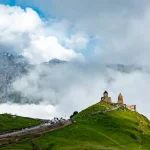
📷 Featured image by Denis Arslanbekov on Unsplash.