On this page
- Exploring Uplistsikhe’s Ancient Architecture and Cave Systems
- The Historical Significance Through Georgia’s Ages
- Navigating the Site: Essential Areas and Must-See Features
- Getting to Uplistsikhe from Tbilisi and Other Georgian Cities
- Practical Tips for Cave City Exploration
- Local Food and Refreshments Near the Archaeological Site
- Budget Breakdown: Entry Fees and Associated Costs in 2026
- Frequently Asked Questions
💰 Click here to see Georgia Budget Breakdown
💰 Prices updated: October, 2026. Budget figures are estimates — always verify before travel.
Exchange Rate: $1 USD = ₾2.60
Daily Budget (per person)
Shoestring: ₾70.00 – ₾130.00 ($26.92 – $50.00)
Mid-range: ₾180.00 – ₾350.00 ($69.23 – $134.62)
Comfortable: ₾500.00 – ₾1,000.00 ($192.31 – $384.62)
Accommodation (per night)
Hostel/guesthouse: ₾30.00 – ₾60.00 ($11.54 – $23.08)
Mid-range hotel: ₾110.00 – ₾200.00 ($42.31 – $76.92)
Food (per meal)
Budget meal: ₾15.00 ($5.77)
Mid-range meal: ₾35.00 ($13.46)
Upscale meal: ₾100.00 ($38.46)
Transport
Single metro/bus trip: ₾1.00 ($0.38)
Monthly transport pass: ₾40.00 ($15.38)
Many visitors to Georgia in 2026 rush between the country’s headline attractions without realizing that one of its most extraordinary archaeological sites sits just 90 minutes from Tbilisi. Uplistsikhe Cave City offers something genuinely different from Georgia’s monastery-dotted landscape: a sprawling ancient settlement carved directly into volcanic rock that predates many of Europe’s famous historical sites by centuries.
Exploring Uplistsikhe’s Ancient Architecture and Cave Systems
Uplistsikhe stretches across a rocky outcrop above the Mtkvari River, encompassing over 700 cave structures that once housed up to 20,000 residents. The complex divides into three distinct sections connected by narrow tunnels and steep stone pathways carved into the cliff face.
The Lower City contains the oldest settlements, dating back to the 6th century BCE. Here you’ll find basic dwelling caves with simple geometric patterns etched into their walls. The stone feels smooth under your fingertips after millennia of weathering, and natural light filters through carefully positioned openings that served as both windows and ventilation systems.
The Middle City represents Uplistsikhe’s golden age between the 9th and 11th centuries CE. This section houses the most impressive structures, including the large hall known as Tamaris Darbazi (Queen Tamar’s Hall). The hall features a distinctive barrel-vaulted ceiling carved from solid rock, with acoustic properties that amplify whispers from one end to the other across its 10-meter length.
The Upper City, accessible via a steep climb through a rock tunnel, contains the site’s Christian-era additions. The 10th-century Uplistsuli Church crowns the complex, built from traditional stone blocks rather than carved from the existing rock. From this vantage point, the Mtkvari River valley spreads below, offering views that haven’t changed substantially since ancient times.
Several caves feature sophisticated engineering solutions that showcase the inhabitants’ advanced understanding of their environment. The wine cellars maintain consistent temperatures year-round, while the grain storage chambers include drainage systems that prevented moisture damage during Georgia’s wet seasons.
The Historical Significance Through Georgia’s Ages
Archaeological evidence places Uplistsikhe’s founding in the Early Bronze Age, making it one of the oldest continuously inhabited settlements in the Caucasus region. The site’s strategic position along ancient trade routes between Europe and Asia transformed it into a crucial commercial and religious center.
During the Hellenistic period (4th-2nd centuries BCE), Greek influence shaped Uplistsikhe’s development. The large ceremonial halls likely served pagan religious functions, with some chambers showing evidence of ritual sacrifices and astronomical observations. Stone altars and carved symbols suggest the worship of multiple deities, particularly those associated with fertility and the sun.
The arrival of Christianity in Georgia during the 4th century CE marked a turning point for Uplistsikhe. Rather than abandoning the site, inhabitants adapted existing caves for Christian worship while constructing new churches. This religious transition left visible layers of history throughout the complex, where pagan symbols appear alongside early Christian crosses.
Arab invasions in the 7th century drove many Georgians to seek refuge in Uplistsikhe’s defensible position. The population swelled as the cave city became a temporary capital while Tbilisi remained under foreign control. During this period, residents expanded the tunnel system and fortified key entrances against potential sieges.
The site’s decline began in the 13th century following Mongol invasions that devastated much of Georgia. By the 15th century, most inhabitants had relocated to more accessible settlements in the valley below, leaving Uplistsikhe to centuries of gradual abandonment.
Navigating the Site: Essential Areas and Must-See Features
Begin your exploration at the visitor center, where the site’s layout becomes clear through detailed models and historical timelines. The main pathway leads upward through three distinct terraces, each representing different historical periods.

The Pharmacy Cave, located in the Lower City, contains carved stone shelves where archaeologists discovered medicinal herb residues. The precise temperature control and ventilation suggest sophisticated knowledge of herbal preservation techniques that wouldn’t look out of place in a modern laboratory.
Tamaris Darbazi dominates the Middle City section and represents the engineering pinnacle of Uplistsikhe’s builders. The hall’s dimensions follow precise mathematical ratios that create optimal acoustics for large gatherings. Stone benches line the walls, suggesting use for council meetings or religious ceremonies.
The Secret Tunnel provides the most dramatic approach to the Upper City. This narrow passage, carved through solid rock, winds upward for nearly 50 meters before emerging near the Christian church. The tunnel’s strategic positioning allowed defenders to move unseen between different levels during conflicts.
The Theatre Cave showcases Uplistsikhe’s cultural sophistication. This semicircular chamber features tiered stone seating carved directly from the rock face, designed to accommodate several dozen spectators. Acoustic tests confirm that performers speaking normally from the central area can be heard clearly throughout the space.
Several residential caves retain their original features, including stone furniture, storage niches, and even primitive plumbing systems. The Royal Chambers, distinguished by their larger dimensions and decorative elements, provide insight into social hierarchies within the ancient community.
Weather Considerations for Cave Exploration
The caves maintain relatively stable temperatures throughout the year, typically ranging from 12-15°C regardless of external conditions. This makes Uplistsikhe comfortable to explore during hot summers, though the rocky surfaces can become slippery during winter months when moisture freezes overnight.
Spring and autumn offer the best visiting conditions, with mild external temperatures and clear skies that enhance photography opportunities. Summer visits require sun protection for the outdoor portions, while winter exploration benefits from proper footwear with good traction on potentially icy stone surfaces.

Getting to Uplistsikhe from Tbilisi and Other Georgian Cities
Marshrutkas to Gori depart from Tbilisi’s Didube Bus Station every 20-30 minutes throughout the day, costing 4 GEL per person for the hour-long journey. From Gori’s central bus station, local marshrutkas marked “Uplistsikhe” run every 45 minutes during tourist season (April through October) for 2 GEL.
The Georgian Railway’s updated 2026 schedule includes four daily trains between Tbilisi and Gori, departing at 08:30, 12:45, 16:20, and 19:15. Second-class tickets cost 6 GEL, while first-class seats run 12 GEL. The journey takes 1 hour and 20 minutes, slightly longer than marshrutka but more comfortable for families or those carrying camera equipment.
Driving from Tbilisi follows the E60 highway west toward Gori, then secondary road signs toward Uplistsikhe. The route covers 85 kilometers and typically takes 75 minutes outside rush hours. Parking costs 3 GEL at the designated area near the visitor center.
From Kutaisi, morning marshrutkas reach Gori by 11:00, allowing time for Uplistsikhe exploration before return connections. The journey requires one transfer in Gori and costs 8 GEL total. Batumi visitors can reach Uplistsikhe via early morning train connections through Tbilisi, though this requires a full day commitment.
Tour operators from Tbilisi offer guided day trips combining Uplistsikhe with Gori’s Stalin Museum, typically costing 45-60 GEL per person including transportation and guide services. These tours provide historical context but limit exploration time to 2-3 hours at each site.
Practical Tips for Cave City Exploration
Wear sturdy walking shoes with good ankle support, as the ancient pathways consist of uneven stone surfaces that can be challenging to navigate. Avoid sandals or smooth-soled shoes that provide insufficient grip on the rock surfaces.

Bring a flashlight or ensure your smartphone has adequate battery for its torch function. While most major caves have some natural lighting, several chambers and tunnels remain quite dark. The site’s lighting system has been upgraded in 2026, but personal illumination remains helpful for examining carved details and navigating safely.
The visitor center provides detailed maps in multiple languages, but the site’s layout can still be confusing for first-time visitors. Follow the marked pathways rather than attempting to create your own routes, as some areas remain unstable or are closed for archaeological work.
Photography restrictions apply in certain chambers where flash can damage ancient pigments or carvings. The site management has relaxed previous restrictions in 2026, but respectful photography practices help preserve Uplistsikhe for future visitors.
Water fountains are available at the visitor center and midway point, but bring additional water during summer months when temperatures can exceed 30°C on the exposed rock surfaces. The caves themselves remain cool, but the walking between sections involves significant sun exposure.
Local Food and Refreshments Near the Archaeological Site
The visitor center cafe serves basic refreshments including Georgian pastries, coffee, and cold drinks, but food options remain limited on-site. Prices reflect the tourist location, with khachapuri costing 8 GEL compared to 4-5 GEL in nearby Gori.
Gori offers superior dining options just 15 minutes away by marshrutka. Restaurant Salome, located near the city center, specializes in traditional Kartlian dishes including chakapuli (herb stew) and lobiani (bean-filled bread). Expect to pay 15-25 GEL for a substantial meal with local wine.
For picnic supplies, the small shop at Uplistsikhe’s entrance stocks drinks, nuts, and pre-packaged snacks. However, purchasing supplies in Gori before heading to the archaeological site provides better variety and prices. The nearby Carrefour supermarket offers fresh bread, local cheese, and seasonal fruits perfect for outdoor dining.

Several families in the village below Uplistsikhe offer homemade food to visitors, particularly during summer months. These informal arrangements provide authentic rural Georgian cuisine at reasonable prices, though availability depends on advance notice and language skills.
The area’s wine heritage means local varieties are available at most restaurants in Gori. Kartli region wines, particularly those made from Chinuri and Goruli Mtsvane grapes, pair excellently with the local cuisine and provide a fitting conclusion to historical exploration.
Budget Breakdown: Entry Fees and Associated Costs in 2026
Budget Option (20-35 GEL per person):
- Uplistsikhe entry fee: 15 GEL
- Marshrutka from Tbilisi: 6 GEL return
- Basic refreshments: 5-8 GEL
- Audio guide rental: 5 GEL
Mid-Range Experience (45-70 GEL per person):
- Site entry and guide: 15 GEL
- Train from Tbilisi (second class): 12 GEL return
- Lunch in Gori restaurant: 20 GEL
- Local marshrutka connections: 4 GEL
- Souvenirs and additional refreshments: 10-15 GEL
Comfortable Tour Package (80-120 GEL per person):
- Organized day tour from Tbilisi: 55-75 GEL
- Professional guide and transportation included
- Traditional Georgian lunch: 25-30 GEL
- Combined Gori Stalin Museum visit: 10 GEL
- Quality souvenirs and local wine: 15-20 GEL
Group discounts apply for parties of 10 or more, reducing entry fees to 12 GEL per person. Students with valid ID receive 50% discounts on entry fees, while Georgian residents pay reduced rates of 5 GEL. Children under 6 enter free, and family tickets (2 adults + 2 children) cost 35 GEL total.
Parking fees of 3 GEL apply to private vehicles, while organized tour buses park free in designated areas. The site accepts both cash (GEL) and card payments, though the rural location sometimes experiences connectivity issues affecting card processing.

Frequently Asked Questions
How long does it take to explore Uplistsikhe completely?
A thorough visit requires 2-3 hours, allowing time to explore all three city levels, examine the detailed carvings, and climb to the church viewpoint. Rushed visits can cover the highlights in 90 minutes.
Is Uplistsikhe suitable for visitors with mobility limitations?
The site involves significant climbing and uneven surfaces that make wheelchair access impossible. Visitors with moderate mobility issues can explore the Lower City, but reaching the Upper City requires climbing steep stone pathways.
What’s the best time of year to visit Uplistsikhe?
April through June and September through October offer ideal conditions with mild temperatures and clear skies. Avoid July-August heat and December-February ice on the rock surfaces.
Can I combine Uplistsikhe with other nearby attractions?
Yes, the Stalin Museum in Gori is 15 minutes away, while Ateni Sioni Church and Surami Fortress are within 30 minutes’ drive. Day tours commonly combine 2-3 regional sites.
Are there accommodation options near Uplistsikhe itself?
No hotels exist at the archaeological site, but Gori offers several guesthouses and small hotels within 15 minutes. Tbilisi day trips remain the most popular option for international visitors.
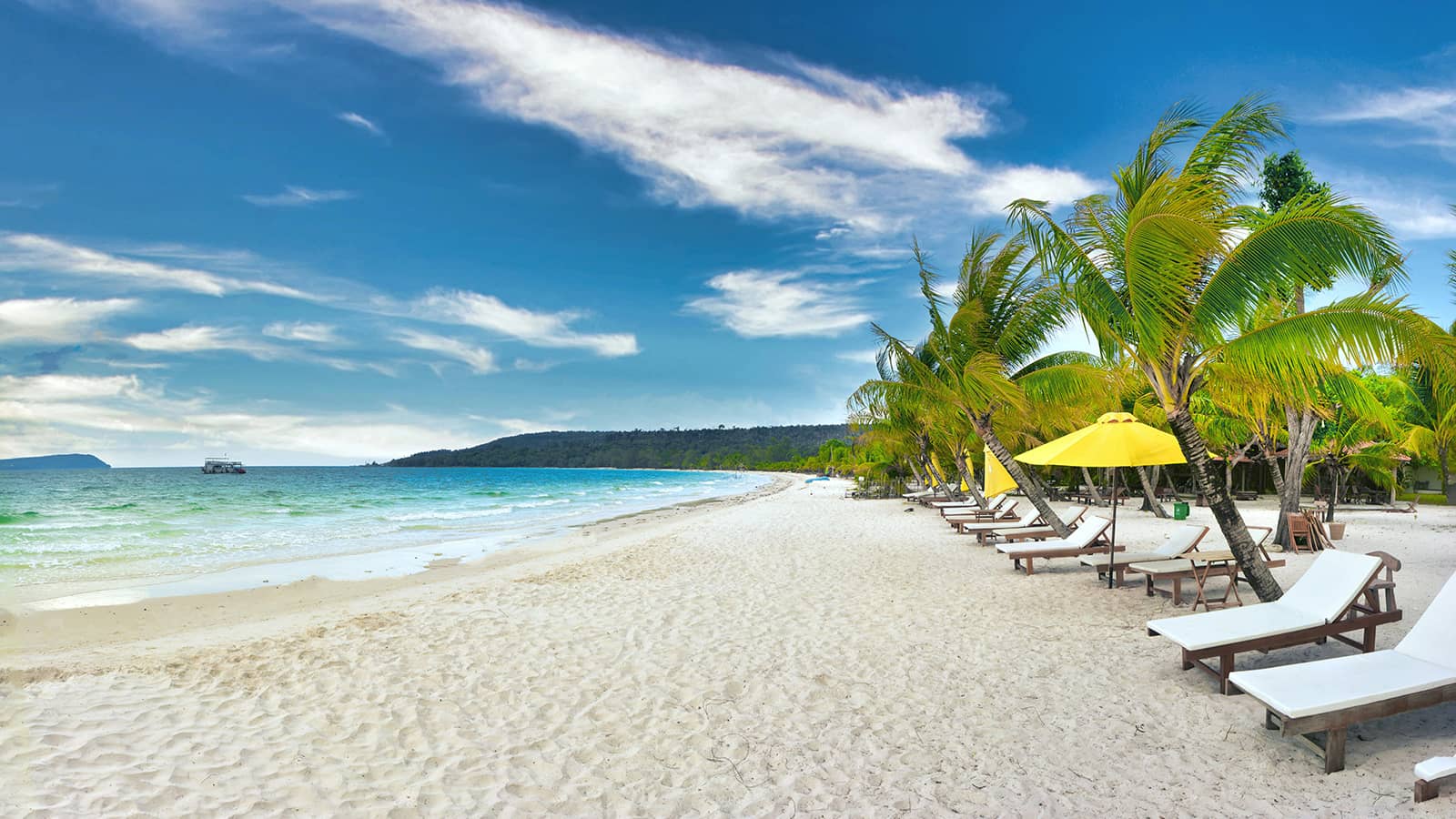
📷 Featured image by Nick Osipov on Unsplash.