On this page
- What Makes Davit Gareja Special
- Planning Your Visit: Seasons and Timing
- Getting There: The Journey from Tbilisi
- Exploring the Cave Monasteries
- The Disputed Territory: Border Considerations
- Hiking Trails and Physical Demands
- Day Trip or Overnight: Making the Choice
- Current Costs and Budget Planning
- Frequently Asked Questions
💰 Click here to see Georgia Budget Breakdown
💰 Prices updated: October, 2026. Budget figures are estimates — always verify before travel.
Exchange Rate: $1 USD = ₾2.60
Daily Budget (per person)
Shoestring: ₾70.00 – ₾130.00 ($26.92 – $50.00)
Mid-range: ₾180.00 – ₾350.00 ($69.23 – $134.62)
Comfortable: ₾500.00 – ₾1,000.00 ($192.31 – $384.62)
Accommodation (per night)
Hostel/guesthouse: ₾30.00 – ₾60.00 ($11.54 – $23.08)
Mid-range hotel: ₾110.00 – ₾200.00 ($42.31 – $76.92)
Food (per meal)
Budget meal: ₾15.00 ($5.77)
Mid-range meal: ₾35.00 ($13.46)
Upscale meal: ₾100.00 ($38.46)
Transport
Single metro/bus trip: ₾1.00 ($0.38)
Monthly transport pass: ₾40.00 ($15.38)
Planning to visit Davit Gareja in 2026? You’ll encounter conflicting advice online about border restrictions, trail access, and seasonal closures. While this 6th-century monastery complex remains one of Georgia’s most remarkable destinations, recent changes in visitor protocols and improved infrastructure have transformed the experience significantly since 2024.
What Makes Davit Gareja Special
Davit Gareja stands as Georgia’s largest monastery complex, sprawling across the semi-arid Gareja Ridge on the Georgia-Azerbaijan border. Founded in the 6th century by Saint David Garejeli, one of the Thirteen Assyrian Fathers who brought Christianity to Georgia, the complex comprises over 100 cave monasteries carved directly into the colorful sandstone cliffs.
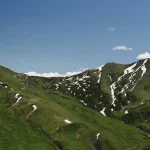
The landscape feels otherworldly. Badlands stretch toward distant horizons, painted in layers of rust, ochre, and pale yellow that shift with the changing light. Unlike Georgia’s mountain monasteries, Davit Gareja occupies a stark desert environment that mirrors parts of Central Asia more than the Caucasus.
The most significant monastery, Lavra, houses active monks and serves as the complex’s spiritual center. Here, you’ll find the tomb of Saint David Garejeli in a cave chapel where the scent of frankincense mingles with cool stone air. The adjacent museum displays medieval frescoes, manuscripts, and artifacts that survived centuries of abandonment and Soviet suppression.
The real treasure lies in the upper caves of Udabno Monastery, where 8th to 13th-century frescoes cover cave walls in vivid blues, reds, and gold. These paintings, depicting Christ, saints, and Georgian nobles, represent some of the finest medieval art in the Caucasus. The dry climate has preserved details that would have vanished elsewhere centuries ago.
Planning Your Visit: Seasons and Timing
Davit Gareja’s desert climate creates extreme seasonal variations. Summer temperatures regularly exceed 35°C, making hiking dangerous between June and August. The best visiting window runs from mid-March through May and September through early November.

Spring brings brief wildflower blooms that transform the usually brown landscape into patches of green dotted with poppies and wild tulips. This season offers comfortable hiking temperatures around 18-22°C, though occasional rain can make trails muddy.
Autumn provides the most reliable weather. September and October deliver clear skies, moderate temperatures, and excellent visibility for photography. The harsh summer sun has baked the landscape into its most dramatic colors by this time.
Winter visits are possible but challenging. Snow rarely falls, but temperatures drop below freezing at night, and strong winds sweep across the exposed ridges. The monastery buildings provide shelter, but the hiking trails to Udabno become treacherous in ice.
Weekends bring crowds of Georgian families and international tour groups, particularly from March through October. Arrive early on weekends or visit midweek for a more contemplative experience. The monks of Lavra Monastery appreciate quiet visitors who respect the site’s spiritual significance.
In 2026, new visitor management protocols limit group sizes to 15 people in the painted caves of Udabno to preserve the frescoes. Pre-booking through the Georgian National Tourism Administration became mandatory for weekend visits starting in January 2026.
Getting There: The Journey from Tbilisi
No public transport serves Davit Gareja directly. Most visitors join organized tours or rent vehicles in Tbilisi, located 60 kilometers northwest of the monastery complex.
The drive takes 90 minutes via the Tbilisi-Rustavi highway, then rural roads through Sagarejo and Udabno village. The final 10 kilometers follow an unpaved track that requires careful navigation in regular cars. The Georgian government improved this access road in 2025, adding gravel surface and better drainage, but it remains rough after heavy rains.

Tour operators in Tbilisi offer day trips ranging from 80-150 GEL per person depending on group size and inclusions. These typically include transport, guide services, and entrance fees. Quality varies significantly, so choose operators who employ certified guides familiar with the site’s religious and artistic significance.
Self-driving requires a robust vehicle. Compact cars manage the route in dry conditions, but SUVs or 4x4s provide better clearance and confidence on the rocky sections. Several Tbilisi rental agencies now offer SUV packages specifically for Davit Gareja visits, including GPS coordinates and route instructions.
The nearest fuel station operates in Sagarejo, 25 kilometers before the monastery. Fill your tank there, as no services exist near Davit Gareja itself.
Marshrutkas run from Tbilisi to Udabno village several times daily for 7 GEL, but you’ll still need to walk or arrange local transport for the final 10 kilometers. Some enterprising locals in Udabno offer rides to the monastery for 20-30 GEL, though availability varies by season.
Exploring the Cave Monasteries
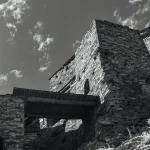
Your visit begins at Lavra Monastery, the complex’s active heart. A stone path leads from the parking area through the monastery gate, where resident monks maintain a peaceful atmosphere despite tourist activity. The main church houses Saint David’s tomb, while smaller chapels occupy caves carved into the cliff face above.
The monastery museum, housed in renovated cave chambers, displays the best-preserved artifacts and provides historical context through English-language panels installed in 2025. Entry costs 5 GEL and includes access to several painted caves normally closed to visitors.
The highlight awaits at Udabno Monastery, reached by a steep 1.5-kilometer trail from Lavra. This hike gains 200 meters of elevation over rocky terrain that becomes slippery when wet. Proper hiking shoes with good grip are essential.
Udabno’s cave complex extends through multiple levels carved into the cliff face. The lower caves served as monks’ cells and storage areas, while the upper chambers functioned as chapels and refectories. The most spectacular frescoes occupy the upper caves, where 12th-century paintings cover walls and ceilings in remarkably preserved detail.

The frescoes depict biblical scenes, Georgian royalty, and monastic life with a sophistication that reflects Georgia’s medieval golden age. Look for the famous portrait of Queen Tamar in the main chapel, painted during her reign when Georgia reached its territorial and cultural peak.
Photography is permitted in most areas, though flash photography damages the pigments and is strictly forbidden. The caves stay naturally cool year-round, providing relief from summer heat and requiring light jackets in winter.
Cave Monastery Etiquette
Respect the site’s sacred nature. Dress modestly with covered shoulders and knees. Women should bring headscarves for the active monastery areas, though this isn’t required in the historical caves.
Maintain quiet voices throughout the complex. The monks still use Lavra for daily prayers and meditation. Visitors are welcome to observe services from designated areas, but participation requires permission from the monastery’s abbot.
Never touch the frescoes or cave walls. Natural oils from skin cause irreversible damage to medieval pigments. Stay on marked paths and behind protective barriers in painted caves.
The Disputed Territory: Border Considerations
Part of Davit Gareja’s intrigue comes from its location on the Georgia-Azerbaijan border, where boundary disputes have created complications for visitors since the 1990s. The monastery complex straddles the frontier, with some caves technically in Azerbaijani territory.
In 2026, a bilateral agreement between Georgia and Azerbaijan clarified visitor access to disputed areas. Tourists can now visit all major cave sites without special permits, but the border remains sensitive. Georgian border guards patrol regularly, and visitors must carry passports at all times.

The trail to the ridge viewpoint crosses into disputed territory marked by warning signs. While generally safe for tourists, this area experiences periodic tensions. Check current conditions with your tour guide or the Georgian border police before venturing beyond the main monastery areas.
Border demarcation work begun in 2024 has improved clarity about which areas visitors can safely access. New signage in Georgian, English, and Azerbaijani marks the tourist zone boundaries clearly.
Avoid approaching Azerbaijani border posts or military positions. Photography of border infrastructure is prohibited and can result in detention. Focus your camera on the monasteries, landscapes, and cultural sites rather than border-related subjects.
Hiking Trails and Physical Demands
Davit Gareja offers several hiking options beyond the basic monastery visit. The trail network expanded in 2025 with new marked paths and improved safety features, though the terrain remains challenging.
The essential Lavra-to-Udabno trail requires moderate fitness and takes 45 minutes each way. The path climbs steadily over loose stone and requires careful footing. Metal handholds installed in 2025 assist on the steepest sections, but the trail becomes treacherous in wet conditions.
The ridge trail extends beyond Udabno to spectacular viewpoints overlooking the Alazani Valley. This 3-kilometer round trip adds two hours to your visit and demands good physical condition. The exposed ridge offers no shade and faces constant wind, making proper clothing and water essential.
Adventure hikers can explore unmarked trails leading to remote cave clusters scattered across the Gareja Ridge. These require navigation skills and local knowledge, as paths fade or disappear entirely. Several caves contain unrestored frescoes, but access is increasingly restricted to protect the artwork.
Water sources don’t exist along the trails. Bring at least two liters per person for extended hiking, more in summer heat. The monastery complex provides basic restroom facilities but no food services.
Sun protection becomes critical in the exposed landscape. Wide-brimmed hats, sunglasses, and sunscreen prevent painful burns that can ruin your visit. The combination of altitude, dry air, and reflected light from pale stone creates intense UV exposure.
Day Trip or Overnight: Making the Choice
Most visitors experience Davit Gareja as a long day trip from Tbilisi, combining the monastery visit with stops in Sighnaghi or other Kakheti region destinations. This approach works well for seeing the main sites but feels rushed for serious photography or contemplation.
Day trip timing typically involves leaving Tbilisi by 9 AM, arriving at Davit Gareja around 10:30 AM, exploring for 3-4 hours, and returning by late afternoon. This schedule allows adequate time for both Lavra and Udabno monasteries plus the essential ridge hike.
Overnight options remain extremely limited. The nearest accommodation lies in Sagarejo, 25 kilometers away, where several guesthouses offer basic rooms for 40-60 GEL per night. These family-run establishments provide authentic Georgian hospitality and home-cooked meals featuring local specialties.
Camping near the monastery is theoretically possible but complicated by water scarcity, extreme temperatures, and border sensitivities. The few designated camping areas lack facilities and require advance permission from monastery authorities.
Sunrise and sunset at Davit Gareja offer spectacular photography opportunities that day visitors miss. The low-angle light transforms the colorful badlands into a photographer’s paradise, while the spiritual atmosphere intensifies during the monks’ evening prayers.
Consider extending your stay in the Kakheti region rather than rushing back to Tbilisi. Signagi, Telavi, or even Tbilisi-area accommodations provide better bases for leisurely exploration while maintaining reasonable access to urban amenities.

Current Costs and Budget Planning
Budget travelers can visit Davit Gareja for minimal cost if willing to use public transport and hike extensively. The basic expenses include:
Budget Approach (per person):
- Marshrutka Tbilisi-Udabno village: 7 GEL
- Local transport Udabno-monastery: 25 GEL
- Museum entrance: 5 GEL
- Total: 37 GEL plus meals and accommodation
Mid-range Option:
- Organized tour from Tbilisi: 100-120 GEL
- Includes transport, guide, entrance fees
- Lunch in Sagarejo: 15-20 GEL
- Total: 135 GEL for comprehensive day trip
Comfortable Experience:
- Private vehicle rental: 150-200 GEL per day
- Fuel costs: 40-50 GEL
- Private guide services: 200-300 GEL per day
- Quality accommodation in Sighnagi: 120-180 GEL per night
- Restaurant meals: 30-50 GEL per person
- Total: 540-780 GEL for two-day experience
Hidden costs often surprise visitors. Proper hiking gear rental in Tbilisi adds 20-30 GEL per day. Photography permits for professional equipment cost 50 GEL. Border documentation fees, while rare, can reach 25 GEL if special access becomes necessary.
Food and drink prices at Davit Gareja itself are non-existent, as no commercial facilities operate within the complex. Stock up in Sagarejo or bring supplies from Tbilisi. Water bottles in Sagarejo cost 2-3 GEL, significantly more than Tbilisi prices.
Tipping guides and drivers follows standard Georgian customs. For day tours, 10-15% of the tour price represents appropriate gratitude for quality service. Private guides typically receive 50-100 GEL per day depending on expertise and service quality.
Frequently Asked Questions
Can I visit Davit Gareja without a guide?
Yes, but a knowledgeable guide greatly enhances the experience. The historical and artistic significance of the frescoes and monastery layout becomes much clearer with expert interpretation. Self-guided visitors should research the site thoroughly beforehand.
Is Davit Gareja safe for families with children?
The basic Lavra monastery visit suits families, but the Udabno trail requires careful supervision. Children under 10 may struggle with the steep, rocky terrain. The exposed cliff edges and cave entrances present genuine hazards without proper precautions.

What should I bring for a Davit Gareja visit?
Essential items include sturdy hiking shoes, sun protection, water, snacks, passport for border areas, and modest clothing. A headlamp or flashlight helps in darker caves. Bring a jacket even in summer, as caves stay cool.
How long does a typical visit take?
Plan 4-5 hours minimum for seeing both Lavra and Udabno monasteries with moderate hiking. Serious photographers or spiritual pilgrims often spend 6-8 hours exploring the full complex and surrounding trails.
Can I visit during Georgian Orthodox religious holidays?
Major religious holidays bring crowds of Georgian pilgrims but create meaningful cultural experiences. Visitor access may be restricted during active religious ceremonies. Check the Georgian Orthodox calendar and arrive early during holiday periods for the best experience.
📷 Featured image by Mike Swigunski on Unsplash.