On this page
- When to Visit Batumi for Weather and Crowds
- Getting to and Around Batumi in 2026
- Where to Stay: Neighborhood Guide by Travel Style
- Essential Batumi Experiences Beyond the Tourist Trail
- Navigating Batumi’s Food Scene Like a Local
- Beach Strategy and Coastal Activities
- Money Matters and Practical Essentials
- Day Trip Options from Your Batumi Base
- Frequently Asked Questions
Batumi has transformed dramatically since 2024, with new infrastructure projects completing and tourism patterns shifting after years of regional changes. While the city’s magnetic blend of subtropical coastline and architectural ambition draws more visitors than ever, navigating Batumi’s evolving landscape requires insider knowledge to avoid overcrowded spots and inflated prices.
When to Visit Batumi for Weather and Crowds
Batumi’s subtropical climate means you can visit year-round, but timing determines your experience entirely. The sweet spot runs from mid-May through early October, when temperatures hover between 22-28°C and rainfall stays manageable.
June through August brings peak season chaos. Hotel prices double, beaches overflow, and restaurant waits stretch beyond reason. The August humidity can feel oppressive, especially when combined with crowds around Batumi Boulevard and the cable car station.
September emerges as the goldilocks month. Water temperatures remain perfect at 23-24°C, crowds thin considerably after Georgian schools restart, and autumn light creates stunning photography conditions along the coastline. October extends this sweet period if you don’t mind occasional rain showers.
Winter (December-February) transforms Batumi into a completely different destination. Temperatures rarely drop below 8°C, but expect frequent rain and limited beach activities. However, accommodation costs plummet by 60-70%, and you’ll experience the city’s café culture and indoor attractions without competition.
Spring (March-May) brings unpredictable weather but spectacular blooming in Batumi Botanical Garden. April can surprise with several consecutive sunny days perfect for exploring, followed by dramatic thunderstorms that clear quickly.
Getting to and Around Batumi in 2026
Batumi-Kostava International Airport expanded significantly in 2025, adding direct routes from Amsterdam, Prague, and seasonal connections to Scandinavian cities. The airport sits 20 kilometers from city center, with reliable bus service (Route 10) running every 30 minutes for 1 GEL. Taxis charge 25-30 GEL for the journey, though ride-sharing apps like Bolt offer consistent pricing around 20-25 GEL.

The Georgian Railway’s electrified Tbilisi-Batumi route, completed in late 2025, revolutionized overland travel. Modern electric trains complete the journey in 4.5 hours, with spectacular mountain and valley views through Samtskhe-Javakheti. First-class tickets cost 35 GEL, standard class 20 GEL. Book through the Georgian Railway app or at stations.
Within Batumi, the compact old city center remains walkable, but the expanding tourist zone stretches 8 kilometers along the coast. The Batumi Boulevard bike path, extended to Petra-Tsikhisdziri in 2025, offers the most scenic transportation option. Rent electric bikes near Dancing House of Justice for 15 GEL daily.
Public buses serve most tourist destinations for 1 GEL per ride. Download the “Batumi Transport” app for real-time schedules and routes. The cable car to Anuria Hill operates year-round (15 GEL round-trip) but expect 45-minute waits during peak summer afternoons.
For reaching coastal villages and mountain destinations, marshrutkas (shared minibuses) depart from Batumi central station. These Soviet-era vehicles provide authentic local transport but operate on flexible schedules. Destinations like Kobuleti (3 GEL), Chakvi (2 GEL), and Khelvachauri (1.5 GEL) connect easily this way.
Where to Stay: Neighborhood Guide by Travel Style
Batumi’s accommodation landscape expanded rapidly through 2025, creating distinct neighborhoods suited to different travel styles and budgets.
Old Town (Budget: 40-80 GEL, Mid-range: 80-150 GEL)
The atmospheric old quarter surrounding Piazza Square offers authentic Georgian architecture and walking access to restaurants, bars, and cultural sites. Cobblestone streets and restored 19th-century buildings create Instagram-worthy backdrops, but noise from late-night revelry can disturb light sleepers. Choose accommodations on quieter side streets like Chavchavadze or Gorgasali.
Batumi Boulevard Strip (Mid-range: 120-200 GEL, Luxury: 200-400 GEL)
High-rise hotels along the oceanfront promenade provide convenient beach access and sea views, but represent the most expensive and crowded option. The area buzzes with tourist energy but lacks authentic Georgian character. Book properties toward the Bagrationi Street end for easier access to genuine dining options.

Khelvachauri Suburb (Budget: 25-60 GEL, Mid-range: 60-120 GEL)
This residential area 15 minutes east of central Batumi offers excellent value accommodation with easy beach access minus the tourist markup. Local guesthouses provide authentic experiences with Georgian families, while newer aparthotels cater to longer stays. The 15-minute marshrutka ride to central Batumi costs 1.5 GEL.
Petra-Tsikhisdziri Villages (Budget: 30-70 GEL, Mid-range: 70-130 GEL)
These coastal villages 20-30 minutes north of Batumi provide stunning Black Sea settings without city chaos. Perfect for travelers seeking tranquility while maintaining day-trip access to Batumi attractions. The extended bike path makes cycling to Batumi possible for active travelers.
Essential Batumi Experiences Beyond the Tourist Trail
While most visitors cluster around Alphabet Tower and the cable car, Batumi’s genuine character emerges in lesser-known experiences that locals actually enjoy.
The weekly Saturday market at Hopa-Batumi border crossing offers the region’s most authentic cultural exchange. Turkish and Georgian vendors trade everything from handmade textiles to local honey, creating a vibrant cross-cultural atmosphere. Arrive early (8-10 AM) for the best selection and fewer crowds.
Batumi Botanical Garden’s microclimate zones contain over 5,000 plant species arranged by geographic origin. The Japanese section, featuring authentic tea ceremony pavilions, provides unexpected tranquility. Visit during late afternoon when golden light filters through the bamboo groves, creating an almost ethereal atmosphere.
The abandoned Soviet-era sanatorium complex at Green Cape, 12 kilometers north of Batumi, represents one of Georgia’s most striking urban exploration opportunities. These brutalist concrete structures, slowly being reclaimed by subtropical vegetation, offer dramatic photography opportunities and panoramic sea views.
Batumi’s traditional sulfur baths, tucked away in the Abanotubani quarter, provide authentic wellness experiences away from tourist spas. The mineral-rich hot springs, used for centuries by locals, cost just 10-15 GEL per session compared to 50-80 GEL at hotel spas.

The Adjara State Museum’s ethnographic collection, housed in a beautifully restored mansion, showcases Adjarian cultural traditions distinct from broader Georgian heritage. The museum’s garden café serves traditional Adjarian specialties while overlooking the old city’s terracotta rooftops.
Navigating Batumi’s Food Scene Like a Local
Batumi’s culinary landscape reflects its position as a cultural crossroads, blending Georgian traditions with Turkish, Armenian, and European influences. Understanding where locals eat versus tourist traps makes the difference between memorable meals and overpriced disappointments.
The covered market (Batumi Bazaar) near the central station serves as the city’s authentic food hub. Local women prepare fresh khachapuri, lobiani, and kubdari at modest stalls throughout the complex. A complete meal costs 8-12 GEL, and the quality often surpasses expensive restaurants. The cheese khachapuri here uses traditional Adjarian Imeretian cheese blends impossible to find elsewhere.
Avoid restaurants directly on Batumi Boulevard, where tourist-focused establishments charge 25-40 GEL for standard Georgian dishes available elsewhere for 12-18 GEL. Instead, explore parallel streets like Ninoshvili, Chavchavadze, and Baratashvili, where family-run establishments serve locals daily.
Batumi’s traditional “supra” (Georgian feast) culture thrives in neighborhood establishments that don’t advertise to tourists. Ask locally for recommendations to places like “Chveni Sakhli” (Our House) or “Ajarian Karkhana” (Adjarian Factory), where multi-course traditional meals cost 30-45 GEL per person including wine.
The city’s growing wine scene extends beyond standard Georgian varieties. Local Adjarian wines, particularly those from Khelvachauri and Keda regions, offer unique flavor profiles influenced by maritime climate. Wine bars in the old town quarter often provide tastings of these regional specialties for 15-25 GEL.
Street food culture peaks during evening hours (7-10 PM) when vendors set up along Gorgasali and Chavchavadze streets. Fresh corn, churchkhela, and seasonal fruits cost 2-5 GEL, providing perfect late-evening snacks between restaurant meals and nightlife activities.

Beach Strategy and Coastal Activities
Batumi’s 8-kilometer coastline varies dramatically in character, crowd levels, and facilities. Strategic beach selection transforms your coastal experience from claustrophobic to blissful.
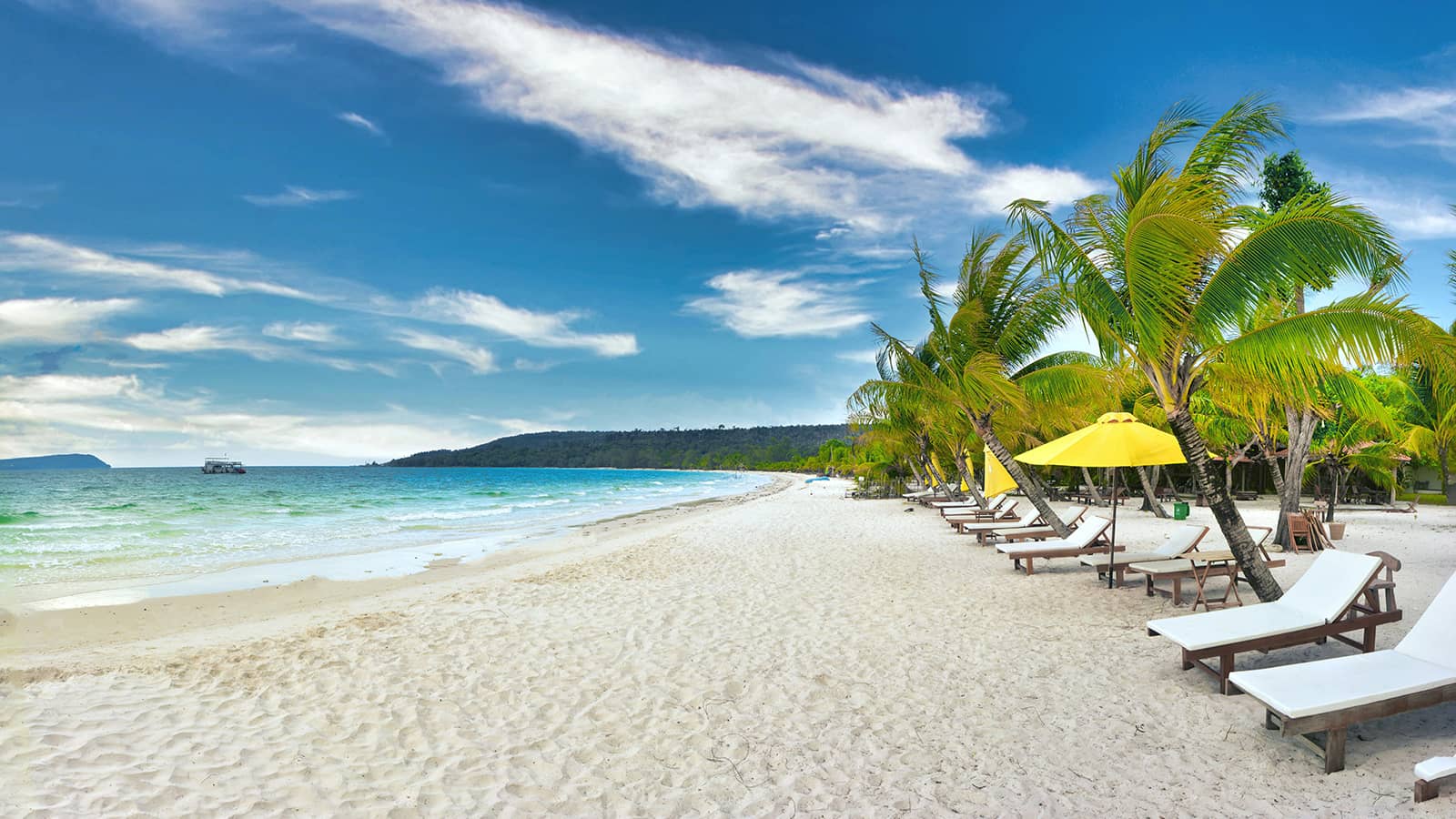
The central Batumi Beach (in front of Hilton and Sheraton hotels) attracts maximum crowds but provides full amenities including restrooms, cafes, and equipment rental. Arrive before 9 AM to claim prime spots, or accept that summer afternoons mean shoulder-to-shoulder sunbathing. Beach chair rental costs 10 GEL daily.
Northward along the coast, Kvariati Beach offers similar pebbled coastline with dramatically fewer crowds. The 25-minute marshrutka ride (2 GEL) delivers you to pristine waters and affordable beachside dining. Local families run small guesthouses here for extended beach stays.
For active beach experiences, the Petra-Tsikhisdziri coastal stretch provides excellent conditions for kayaking, paddleboarding, and windsurfing. Equipment rental through local operators costs 20-35 GEL daily. The protected bay at Tsikhisdziri offers calmer waters perfect for swimming during rough sea conditions.
Naturist-friendly options exist at secluded coves between Chakvi and Kobuleti, accessible via unmarked trails from the main coastal road. These areas lack facilities but provide privacy and stunning natural settings for clothing-optional sunbathing.
Evening beach walks along the extended Boulevard bike path offer magical experiences as sunset light reflects off the Caucasus Mountains. The path connects all major beach areas, allowing exploration of different coastal sections during single visits.
Money Matters and Practical Essentials
Batumi operates primarily on cash, despite credit card acceptance at major hotels and tourist restaurants. ATMs cluster around central squares and shopping areas, but withdrawal fees range from 2-5 GEL per transaction. Bank of Georgia and TBC Bank ATMs offer the most reliable service and reasonable rates.

2026 Budget Expectations
Budget travelers (40-80 GEL daily): Hostel beds 25-40 GEL, market meals 8-15 GEL, public transport 5-10 GEL, basic activities 10-20 GEL. This level allows comfortable exploration while eating well and staying in social accommodation.
Mid-range comfort (80-180 GEL daily): Private hotel rooms 80-150 GEL, restaurant dinners 25-40 GEL, occasional taxis 10-25 GEL, paid attractions 15-30 GEL. This range provides privacy, dining flexibility, and convenient transportation.
Comfortable luxury (180+ GEL daily): Oceanfront hotels 200-400 GEL, upscale dining 45-80 GEL, private transport 30-60 GEL, premium experiences 40-100 GEL. This level ensures comfort, convenience, and access to Batumi’s best offerings.
Tipping culture remains modest. Round up taxi fares to the nearest 5 GEL, tip restaurant servers 10% for exceptional service, and offer small tips (2-5 GEL) to helpful hotel staff. Aggressive tipping marks tourists for overcharging.
Free WiFi reaches most public areas including Batumi Boulevard, major squares, and shopping centers. Accommodation WiFi quality varies significantly – confirm speed requirements for work or streaming when booking.
The subtropical humidity requires specific packing considerations. Lightweight, breathable fabrics work year-round, with waterproof layers essential for sudden shower protection. Sunscreen costs significantly more in Batumi than European countries – pack adequate supplies.
Day Trip Options from Your Batumi Base
Batumi’s location provides access to diverse day trip destinations spanning mountains, forests, cultural sites, and neighboring countries.
Gonio-Apsaros Fortress (30 minutes)
This Roman-era fortress complex, dating to the 1st century AD, sits 15 kilometers south of Batumi near the Turkish border. The well-preserved walls and archaeological museum provide fascinating glimpses into ancient regional history. Marshrutkas depart hourly from Batumi central station (2 GEL each way). Combine with Sarpi beach visit for a full coastal day.

Machakhela National Park (45 minutes)
The park’s waterfalls, including the impressive Makhuntseti Falls, offer refreshing mountain escapes from coastal heat. The restored Queen Tamara Bridge provides dramatic photo opportunities spanning the Machakhela River. Hire a taxi for 60-80 GEL round trip, or join organized tours (35-45 GEL per person) that include multiple waterfall stops.
Kobuleti and Kolkheti National Park (1 hour)
Georgia’s premier wetland reserve protects crucial migration habitat for European and Asian bird species. The visitor center provides boat tours through protected marshlands (25 GEL per person). Kobuleti town offers additional beaches and traditional Adjarian architecture. Regular marshrutkas connect Batumi-Kobuleti (3 GEL, 45 minutes).
Keda and Mountain Villages (1.5 hours)
Traditional Adjarian mountain settlements preserve architectural styles and cultural practices unchanged for centuries. Keda serves as base for exploring authentic villages like Shuakhevi and Khino, where families maintain traditional lifestyles. Arrange transport through local tour operators (80-120 GEL for private vehicle and driver).
Turkey Border Crossing Adventure (20 minutes)
The Sarpi-Hopa border crossing allows visa-free day trips into Turkey for many nationalities. Turkish Hopa offers different cultural atmosphere, excellent seafood restaurants, and shopping opportunities. Verify your specific visa requirements before attempting crossing. Shared taxis run regularly between Batumi and the border (5-7 GEL).
Frequently Asked Questions
Do I need a visa to visit Batumi as a tourist?
Citizens from over 95 countries can enter Georgia visa-free for stays up to one year, including EU, US, Canada, Australia, and UK passport holders. Check current requirements on the Georgian government’s official website before travel.
Is Batumi safe for solo female travelers?
Batumi is generally very safe with low crime rates and respectful local attitudes toward solo travelers. Use standard urban precautions, avoid excessive alcohol in unfamiliar areas, and trust local recommendations for safe neighborhoods and establishments.

Can I use Uber or similar ride-sharing in Batumi?
Bolt operates throughout Batumi with reliable service and transparent pricing. Local taxi apps like “Taxify Georgia” also function well. Traditional street taxis are common but negotiate prices beforehand to avoid overcharging.
What’s the best way to exchange money in Batumi?
Exchange bureaus offer better rates than hotels or airports. Bank of Georgia, TBC Bank, and Liberty Bank provide competitive rates with locations throughout central Batumi. Bring euros or US dollars for best exchange rates.
How crowded does Batumi get during peak summer season?
July and August bring significant crowds, especially weekends when domestic tourists arrive from Tbilisi. Beaches, restaurants, and attractions experience substantial waits. Book accommodation well in advance and consider visiting popular sites early morning or late afternoon.
Explore more
Batumi After Dark: The Ultimate Guide to the Best Bars, Clubs & Nightlife
Where to Stay in Batumi: Old Town, Beach District, or New Boulevard?
The Best Restaurants in Batumi: Your Ultimate Food Guide
📷 Featured image by Denis Arslanbekov on Unsplash.