On this page
- Kutaisi Center: Business Hub with Modern Comfort
- Old Town Charm: Historic Streets and Traditional Guesthouses
- Riverside Retreats: Rioni Views and Garden Settings
- Transport Connections: Getting Around from Each Area
- Budget Breakdown: What You’ll Pay in 2026
- Seasonal Considerations: Best Areas by Time of Year
- Frequently Asked Questions
💰 Click here to see Georgia Budget Breakdown
💰 Prices updated: October, 2026. Budget figures are estimates — always verify before travel.
Exchange Rate: $1 USD = ₾2.60
Daily Budget (per person)
Shoestring: ₾70.00 – ₾130.00 ($26.92 – $50.00)
Mid-range: ₾180.00 – ₾350.00 ($69.23 – $134.62)
Comfortable: ₾500.00 – ₾1,000.00 ($192.31 – $384.62)
Accommodation (per night)
Hostel/guesthouse: ₾30.00 – ₾60.00 ($11.54 – $23.08)
Mid-range hotel: ₾110.00 – ₾200.00 ($42.31 – $76.92)
Food (per meal)
Budget meal: ₾15.00 ($5.77)
Mid-range meal: ₾35.00 ($13.46)
Upscale meal: ₾100.00 ($38.46)
Transport
Single metro/bus trip: ₾1.00 ($0.38)
Monthly transport pass: ₾40.00 ($15.38)
Kutaisi‘s accommodation scene has transformed dramatically since 2024, with new boutique hotels opening in the historic center and riverside properties expanding their offerings. Yet many travelers still struggle to choose between staying near the bustling Rustaveli Avenue, wandering the cobblestone charm of the Old Town, or enjoying peaceful Rioni River views — each area offers a completely different Georgian experience.
Kutaisi Center: Business Hub with Modern Comfort
The city center radiates from Rustaveli Avenue and David the Builder Square, placing you within walking distance of Kutaisi’s main attractions while offering the most hotel amenities. This area pulses with energy from early morning until late evening, as locals head to work and tourists navigate between the Bagrati Cathedral and Gelati Monastery day trips.
Hotel Kutaisi Inn and Argo Palace Hotel anchor the center’s accommodation options, both featuring reliable WiFi, 24-hour reception, and English-speaking staff. These properties cater primarily to business travelers and international tourists who prioritize convenience over atmosphere. Rooms typically include air conditioning, modern bathrooms, and breakfast buffets featuring both Georgian and international options.
The central location means you can walk to Restaurant Palaty for traditional Georgian cuisine in under five minutes, or catch marshrutkas to nearby attractions directly from Freedom Square. Banking services, pharmacies, and grocery stores cluster around this area, making longer stays particularly convenient.
Street noise represents the main drawback of central accommodation. Rustaveli Avenue carries steady traffic throughout the day, and weekend evenings bring crowds to nearby bars and restaurants. Light sleepers should request rooms facing interior courtyards or consider properties slightly removed from the main thoroughfares.
Old Town Charm: Historic Streets and Traditional Guesthouses
Kutaisi’s Old Town spreads across the hillside south of the Rioni River, where narrow cobblestone streets wind between traditional Georgian houses and small family-run guesthouses. This area preserves the city’s pre-Soviet character, offering an authentic glimpse into daily Georgian life that larger hotels cannot replicate.

Guesthouse Nika and Villa Dali represent the Old Town’s accommodation style — family-owned properties housed in renovated traditional buildings. These guesthouses typically feature 4-8 rooms, shared common areas, and home-cooked Georgian breakfasts prepared by the owners themselves. The morning aroma of fresh khachapuri baking in wood-fired ovens drifts through these properties, creating an atmosphere no chain hotel can match.
Walking through the Old Town reveals hidden wine cellars, small neighborhood bakeries, and locals gathering around traditional Georgian tables for lengthy supras. The area maintains a village-like feel despite sitting in Georgia’s second-largest city. Cats doze on warm stone steps while elderly residents tend small vegetable gardens tucked between houses.
Practical considerations include steeper walking routes and limited parking options. Most Old Town streets accommodate only pedestrian traffic, meaning taxi drivers drop passengers at main road intersections. Carrying luggage up cobblestone inclines can prove challenging, particularly during winter months when stones become slippery.
However, this isolation creates the Old Town’s greatest appeal — genuine tranquility just minutes from city center attractions. Evening walks reveal warm light spilling from traditional Georgian windows while families gather for dinner, providing travelers with authentic cultural immersion rarely found in tourist-focused areas.
Riverside Retreats: Rioni Views and Garden Settings
The Rioni River corridor offers Kutaisi’s most scenic accommodation options, where properties capitalize on waterfront locations and established gardens. Hotels and guesthouses along both riverbanks provide peaceful alternatives to city center bustle while maintaining reasonable access to major attractions.
Villa Riverside and Hotel Central Park exemplify this area’s appeal, featuring terraces overlooking the Rioni’s gentle current and mature trees providing natural shade during summer months. These properties often include gardens where guests can enjoy morning coffee while listening to water flowing over ancient stones and birds calling from riverside vegetation.

The Bagrati Cathedral looms dramatically above riverside accommodations, creating postcard views particularly stunning during golden hour when evening light illuminates the cathedral’s distinctive architecture. Many properties position outdoor seating areas to maximize these cathedral vistas, allowing guests to enjoy Georgia’s famous hospitality while contemplating centuries of history.
River proximity brings unique advantages including cooler summer temperatures and natural sound masking that blocks city traffic noise. The Rioni creates a microclimate that moderates temperature extremes, making riverside stays more comfortable during both summer heat and winter cold snaps.
Access to riverside properties requires crossing bridges that can become congested during peak traffic hours. The nearest bridge connections funnel vehicles into narrow approach roads, occasionally creating delays for guests traveling to airports or train stations during rush periods.
Transport Connections: Getting Around from Each Area
Kutaisi’s compact size makes all accommodation areas reasonably well-connected, though each offers different advantages for specific travel patterns. Understanding these connections helps optimize your Georgian exploration.
Center accommodations provide the most transport flexibility. Marshrutkas to Gelati Monastery, Motsameta Monastery, and Prometheus Cave depart from Freedom Square throughout the day. The central bus station sits within 10 minutes’ walk, offering connections to Tbilisi, Batumi, and regional destinations. Taxis congregate near major hotels, ensuring reliable access to Kutaisi Airport for early morning or late evening flights.
Old Town properties require slightly more planning for transport connections. While walking to the center takes 15-20 minutes, carrying luggage or traveling during inclement weather makes taxi service preferable. Most Old Town guesthouses arrange airport transfers for guests, typically charging 25-30 GEL for the journey.

Riverside accommodations often provide the best walking access to Kutaisi’s major attractions. The White Bridge connects directly to Bagrati Cathedral trails, while the Chain Bridge leads toward the central commercial district. However, marshrutka connections require walking to designated stops along main roads.
The 2026 expansion of Kutaisi’s local transport network now includes more frequent bus services connecting all areas. New route 15 specifically serves riverside hotels, running every 20 minutes during peak hours and connecting to both the central bus station and airport shuttle departure points.
Airport Considerations
Kutaisi Airport’s growing international connectivity makes transport planning increasingly important. Budget airlines now offer direct flights to 25 European destinations, creating more arrival and departure scheduling options than in previous years.
Airport shuttle services operate from the center every 90 minutes, charging 3 GEL per person for the 25-minute journey. Taxis provide more flexible scheduling but cost 35-40 GEL per trip. Riverside and Old Town guests should factor additional time for reaching shuttle departure points or arrange private transfers through their accommodation.
Budget Breakdown: What You’ll Pay in 2026
Kutaisi accommodation costs remain significantly lower than Tbilisi, though 2026 prices reflect increased demand from both domestic and international visitors. Understanding current price ranges helps set realistic expectations for different area choices.
Budget Options (40-80 GEL per night)
Old Town guesthouses dominate this category, offering basic private rooms with shared bathrooms and family-style breakfasts. Guesthouse Nika charges 45 GEL for double rooms with shared facilities, while Villa Dali’s en-suite rooms cost 65 GEL including breakfast. These properties provide excellent value for travelers prioritizing authentic Georgian hospitality over modern amenities.
Center hostels like Hostel Kutaisi offer dormitory beds from 25 GEL and private rooms from 55 GEL. These properties cater to younger travelers and backpackers seeking central locations without premium pricing.
Mid-Range Comfort (80-150 GEL per night)

This category includes most riverside properties and upgraded Old Town accommodations. Villa Riverside charges 120 GEL for river-view rooms with private bathrooms and air conditioning. Hotel Central Park’s garden rooms cost 140 GEL including breakfast and parking.
Center properties like Hotel Kutaisi Inn fall into this range at 135 GEL for standard double rooms. These hotels provide reliable comfort with modern amenities, English-speaking staff, and consistent service standards.
Comfortable Luxury (150+ GEL per night)
Premium accommodations remain limited in Kutaisi compared to Tbilisi, but several properties offer elevated experiences. Argo Palace Hotel’s deluxe rooms cost 180 GEL with city views and upgraded bathrooms. New boutique properties opening in 2026 charge 200-250 GEL for designer rooms with premium amenities.
Riverside villas with private gardens and premium locations command 220-300 GEL per night, particularly during peak season periods.
Seasonal Considerations: Best Areas by Time of Year
Kutaisi’s climate and tourist patterns create distinct advantages for different accommodation areas depending on travel timing. Seasonal factors significantly influence both comfort and pricing across all neighborhoods.
Spring and Summer (April-September)
Riverside accommodations shine during warmer months when garden settings and river proximity provide natural cooling. Properties with outdoor terraces become particularly appealing as evening temperatures allow comfortable outdoor dining and relaxation. The Rioni’s gentle sounds create natural white noise that enhances sleep quality during warm nights when windows remain open.
Old Town properties benefit from traditional architecture that naturally moderates temperature extremes. Thick stone walls and smaller windows keep interiors cooler during summer heat waves, while elevated positions often catch cooling breezes that don’t reach river level or city center locations.
Center hotels during summer months can feel stuffy despite air conditioning, as urban heat island effects concentrate around paved commercial areas. However, summer festivals and extended daylight hours make central locations ideal for travelers wanting to maximize cultural activities and evening entertainment.

Autumn and Winter (October-March)
Winter transforms Kutaisi’s accommodation landscape dramatically. Old Town cobblestones become slippery and challenging to navigate, making riverside or center properties more practical for travelers with mobility concerns or heavy luggage.
Center hotels provide reliable heating and 24-hour services that smaller guesthouses sometimes struggle to maintain during cold snaps. Business-oriented properties invest more heavily in winter comfort systems, ensuring consistent warmth and hot water even during Georgia’s occasional severe weather events.
Riverside properties can feel isolated during short winter days, though many guests appreciate the cozy atmosphere created by river sounds and garden views even in dormant season. Properties with fireplaces or traditional Georgian heating systems create particularly atmospheric winter experiences.
Autumn brings special considerations as harvest season attracts visitors for wine tourism activities. Rtveli celebrations in nearby regions create accommodation demand spikes, particularly during September and early October weekends.
Frequently Asked Questions
Which area offers the best value for money?
Old Town guesthouses provide the best value, combining authentic Georgian hospitality with budget-friendly rates. Family-run properties include homemade breakfasts and personal attention that chain hotels cannot match at similar price points.
How far is each area from Kutaisi’s main attractions?
All areas remain within 20 minutes’ walk of major sites. Center locations average 5-10 minutes to most attractions, Old Town requires 10-15 minutes, while riverside properties offer 10-20 minute walks depending on specific locations.
Do riverside hotels have noise issues from traffic or crowds?
Riverside accommodations typically experience less noise than center properties. The Rioni River creates natural sound masking, while most riverside roads carry lighter traffic than central commercial streets throughout the day and evening.
Which area works best for families with children?
Riverside properties excel for families, offering garden spaces for children to play safely while parents relax. Many feature pools or playground equipment, plus river access for supervised water activities during warmer months.
Is it safe to walk between areas at night?
Kutaisi maintains excellent safety standards across all accommodation areas. Well-lit main streets connect all neighborhoods, though Old Town’s cobblestone paths require careful attention during wet conditions regardless of lighting quality.
Explore more
Best Restaurants in Kutaisi: Your Guide to Traditional Georgian Food
Kutaisi Nightlife Guide: Best Bars, Wine Spots & Live Music After Dark
Best Shopping in Kutaisi: Markets, Souvenirs & Imereti Wine Finds
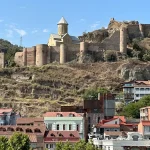
📷 Featured image by Sergio Guardiola Herrador on Unsplash.