On this page
- Old Town (Dzveli Tbilisi) – Historic Heart with Cobblestone Charm
- Rustaveli Avenue – Central Boulevard Living
- Marjanishvili & Chughureti – Emerging Creative Districts
- Vake – Upscale Residential with Park Access
- Saburtalo – Modern High-Rise Living
- Vera – Bohemian Quarter with Mountain Views
- Sololaki – Wine Culture and Authentic Neighborhoods
- Mtatsminda – Hillside Retreats Above the City
- Isani & Samgori – Budget-Friendly Eastern Districts
- Transportation & Getting Around Your Chosen Area
- Budget Breakdown by Neighborhood
- Frequently Asked Questions
💰 Click here to see Georgia Budget Breakdown
💰 Prices updated: October, 2026. Budget figures are estimates — always verify before travel.
Exchange Rate: $1 USD = ₾2.60
Daily Budget (per person)
Shoestring: ₾70.00 – ₾130.00 ($26.92 – $50.00)
Mid-range: ₾180.00 – ₾350.00 ($69.23 – $134.62)
Comfortable: ₾500.00 – ₾1,000.00 ($192.31 – $384.62)
Accommodation (per night)
Hostel/guesthouse: ₾30.00 – ₾60.00 ($11.54 – $23.08)
Mid-range hotel: ₾110.00 – ₾200.00 ($42.31 – $76.92)
Food (per meal)
Budget meal: ₾15.00 ($5.77)
Mid-range meal: ₾35.00 ($13.46)
Upscale meal: ₾100.00 ($38.46)
Transport
Single metro/bus trip: ₾1.00 ($0.38)
Monthly transport pass: ₾40.00 ($15.38)
Finding the right neighborhood in Tbilisi can make or break your Georgian experience. With rapid development transforming the city landscape since 2024, choosing where to stay now requires navigating a mix of preserved historic quarters, gentrifying creative districts, and brand-new residential towers. The city’s dramatic topography means each area offers a completely different lifestyle—from cobblestone streets echoing with centuries of history to modern high-rises with Caucasus Mountain views.
Old Town (Dzveli Tbilisi) – Historic Heart with Cobblestone Charm
The Old Town remains Tbilisi’s most atmospheric neighborhood, where narrow cobblestone alleys wind past 19th-century wooden balconies and sulfur baths that have welcomed visitors for over 1,500 years. Walking through Shardeni Street at dusk, you’ll hear the gentle hum of wine glasses clinking on restaurant terraces mixed with the distant sound of traditional Georgian polyphonic singing drifting from hidden courtyards.
This UNESCO-protected area stretches from the Mtkvari River up to Narikala Fortress, encompassing the iconic Abanotubani sulfur bath district and the maze-like streets around Sioni Cathedral. The architecture tells Georgia’s complex story—Orthodox churches sit beside mosque ruins, while Art Nouveau facades face Soviet-era interventions.
For accommodation, boutique guesthouses dominate the landscape. Properties like Rooms Hotel Tbilisi and smaller family-run establishments occupy restored 19th-century buildings. Expect original frescoes, exposed brick walls, and rooms that open onto flower-filled courtyards. The trade-off for this authenticity comes in practicality—many buildings lack elevators, and parking remains virtually impossible on the narrow streets.
The neighborhood comes alive after sunset when locals and tourists fill wine bars like 8949 and Vinoground. Traditional restaurants serve khachapuri and khinkali alongside natural Georgian wines, often accompanied by live folk music performances that continue well past midnight.
Daily life here centers around small family shops and the nearby Dezerter Bazaar, where vendors sell everything from churchkhela (Georgian candy) to handwoven carpets. The Rike Park cable car provides easy access to Mother Georgia statue, while the Bridge of Peace connects directly to Baratashvili Street and modern Tbilisi.
Rustaveli Avenue – Central Boulevard Living
Rustaveli Avenue serves as Tbilisi’s main artery, stretching 1.5 kilometers from Freedom Square to Rustaveli Metro Station. This grand boulevard, lined with plane trees and flanked by neoclassical and Soviet-era buildings, puts you within walking distance of the National Theatre, Parliament building, and the country’s premier shopping destinations.
The avenue’s character shifts dramatically from block to block. Near Freedom Square, luxury hotels like Marriott Tbilisi and boutique properties occupy restored 19th-century buildings. Moving northwest toward Rustaveli Square, Soviet-era apartment buildings house both budget hostels and mid-range hotels, many renovated with contemporary interiors that contrast sharply with their imposing concrete exteriors.
Living on Rustaveli means easy access to cultural life. The Georgian National Museum, Opera House, and multiple art galleries sit within a few blocks of each other. The Dry Bridge Flea Market operates every weekend just steps away, where you can browse Soviet-era memorabilia and handcrafted jewelry while sipping coffee from street vendors.
The dining scene here leans cosmopolitan compared to Old Town’s traditional focus. Modern Georgian restaurants like Barbarestan and international cuisines from Italian to Japanese create options for every palate. Late-night options include both upscale wine bars and casual spots that stay open until 3 AM.
Transportation from Rustaveli couldn’t be more convenient. Two metro stations—Rustaveli and Freedom Square—connect the avenue to every corner of Tbilisi. Marshrutka minibuses and regular bus lines run constantly, while taxi apps like Bolt respond within minutes throughout the day and night.
The main drawback remains noise, especially on weekends when locals promenade along the avenue until late evening. Rooms facing the boulevard offer prime people-watching but require earplugs for light sleepers. Interior courtyard rooms in the same buildings provide quieter alternatives while maintaining the central location.

Marjanishvili & Chughureti – Emerging Creative Districts
North of the Old Town, the Marjanishvili and Chughureti neighborhoods have transformed dramatically since 2024 into Tbilisi’s creative heartland. Former industrial spaces now house art studios, independent galleries, and experimental restaurants that attract both local artists and international visitors seeking authentic Georgian culture beyond the tourist trail.
Marjanishvili Square anchors this cultural revival, with the recently renovated Marjanishvili Theatre hosting avant-garde productions alongside traditional Georgian drama. The surrounding streets buzz with independent cafés like Linville and wine bars specializing in natural Georgian varieties from small producers.
Accommodation options reflect the area’s evolving character. Converted warehouses now serve as design-forward hostels and boutique hotels, featuring exposed brick walls, industrial fixtures, and rooftop terraces with panoramic city views. Family-run guesthouses operate from traditional Georgian homes, offering intimate experiences with local families who often invite guests to join evening supras (feast gatherings).
The neighborhood’s artistic credentials extend beyond galleries to street art that covers building walls throughout Chughureti. Local and international artists have created an open-air museum that changes constantly, with new murals appearing monthly. The Saturday morning art walk, organized by local collectives, provides guided tours of the most significant pieces.
Food culture here emphasizes innovation within Georgian tradition. Restaurants like Azarphesha experiment with regional ingredients and techniques, creating dishes that honor historical recipes while appealing to contemporary tastes. Small wine bars feature qvevri wines from producers who rarely export beyond Georgia’s borders.
Transportation connections improved significantly with the 2025 completion of new bus routes linking Marjanishvili Metro Station to Saburtalo and Vake districts. Walking to Old Town takes 15-20 minutes through scenic backstreets, while shared taxis provide quick connections to major attractions.

Vake – Upscale Residential with Park Access
Vake represents Tbilisi’s most affluent residential district, stretching up the hillsides west of the city center. This neighborhood combines Soviet-era urban planning with modern development, creating a unique landscape of tree-lined streets, spacious parks, and both restored and contemporary apartment buildings.
The crown jewel of Vake is Vake Park, a sprawling green space that connects to the mountainside Memorial of the Unknown Soldier. Early morning walks here reveal families exercising together, elderly men playing backgammon under shade trees, and the crisp mountain air that makes summer temperatures noticeably cooler than downtown areas.
Accommodation in Vake tends toward upscale apartments converted into vacation rentals and small boutique hotels. Many properties feature balconies or terraces overlooking the park or offering distant mountain views. The neighborhood’s residential character means fewer traditional hotels but more opportunities for authentic local experiences through home-sharing platforms.
Shopping and dining reflect Vake’s affluent demographic. The East Point shopping center provides international brands alongside Georgian designers, while local restaurants focus on refined interpretations of traditional cuisine. Wine culture here emphasizes premium bottles from established Georgian wineries, often served in elegant settings that attract Tbilisi’s business and cultural elite.
The neighborhood’s elevation creates natural air conditioning during summer months, with evening temperatures dropping 5-7 degrees Celsius below downtown levels. This microclimate, combined with abundant green space, makes Vake particularly appealing for visitors seeking respite from urban intensity while maintaining easy access to central Tbilisi.
Vake Metro Station connects the neighborhood to downtown in under 10 minutes, while multiple bus lines provide alternatives for those preferring surface transportation. The neighborhood’s well-maintained sidewalks and relatively low traffic make walking and cycling popular options for exploring both residential streets and park areas.

Saburtalo – Modern High-Rise Living
Saburtalo district represents Tbilisi’s rapid modernization, with gleaming residential towers and contemporary shopping centers that have transformed the landscape since 2020. This northwestern neighborhood offers a completely different Georgian urban experience—one focused on convenience, modern amenities, and stunning mountain views from upper-floor apartments.
The accommodation landscape here centers on serviced apartments within modern residential complexes. These buildings typically feature amenities rare in historic Tbilisi—swimming pools, fitness centers, underground parking, and 24-hour security. Many apartments come fully furnished with contemporary Georgian design elements, providing comfort levels that rival international hotel chains.
Saburtalo’s commercial heart revolves around major shopping destinations like Galleria Tbilisi and East Point, where international brands mix with Georgian retailers. The food court culture here introduces visitors to modern Georgian fast food—upgraded versions of traditional dishes designed for busy urban lifestyles.
The neighborhood attracts young Georgian professionals and international residents, creating a cosmopolitan atmosphere distinct from traditional Tbilisi. Coffee shops stay busy throughout the day with remote workers, while evening entertainment focuses on wine bars and restaurants that cater to international tastes without losing Georgian identity.
Public transportation connections include multiple bus routes and shared taxi services, though the neighborhood’s car-oriented design makes personal transportation more convenient than in historic districts. The trade-off comes in walkability—while individual complexes include landscaped areas, the broader neighborhood lacks the pedestrian charm found in older parts of Tbilisi.
Vera – Bohemian Quarter with Mountain Views
Vera district climbs the hillsides east of Rustaveli Avenue, creating Tbilisi’s most bohemian neighborhood where artists, writers, and musicians have gathered for decades. The steep, winding streets lined with early 20th-century houses create an intimate village atmosphere within the broader city, enhanced by spectacular views across the Mtkvari River valley to the Caucasus Mountains beyond.

The neighborhood’s character emerges from its organic development—houses built at different periods create an architectural patchwork that tells Tbilisi’s modern history. Art Nouveau mansions sit beside Soviet-era apartments and contemporary interventions, all connected by narrow streets that discourage car traffic and encourage walking exploration.
Accommodation options reflect Vera’s artistic heritage. Small guesthouses operate from converted family homes, often featuring original artwork by local painters and sculptors. Boutique properties emphasize character over luxury, with rooms that open onto terraces overlooking the city or gardens filled with fruit trees and herb gardens.
The cultural life centers around intimate venues like Gallery 27 and small wine bars where local intellectuals gather for evening discussions that blend Georgian history, contemporary politics, and artistic criticism. The morning ritual of fresh bread from neighborhood bakeries and coffee from hole-in-the-wall cafés creates daily rhythms that connect visitors to authentic local life.
Vera’s elevation provides natural relief from summer heat, while winter snow creates postcard-perfect scenes of red-roofed houses against white mountainsides. The neighborhood’s quieter pace suits visitors seeking contemplative experiences—sunrise walks through empty streets, afternoon reading sessions in hidden parks, and evening wine tastings with mountain sunsets as backdrop.
Transportation requires planning due to steep streets that challenge both walking and driving. Shared taxis provide convenient connections to metro stations, while the physical effort of climbing neighborhood streets becomes part of the daily exercise routine for many visitors.
Sololaki – Wine Culture and Authentic Neighborhoods
Sololaki district stretches along the southeastern slopes of Mount Mtatsminda, encompassing some of Tbilisi’s most authentic residential neighborhoods where traditional Georgian family life continues much as it has for generations. This area offers visitors insight into daily rhythms that remain largely unchanged by tourism or rapid modernization.

The neighborhood’s wine culture represents its strongest draw for visitors. Small family-run wine cellars operate from basement spaces beneath residential buildings, where three generations of the same family often collaborate to produce natural wines using traditional qvevri clay vessels. These intimate tastings, typically arranged through local contacts rather than commercial booking systems, provide authentic experiences with Georgian wine-making traditions.
Accommodation in Sololaki emphasizes family guesthouses where hosts share meals, stories, and often homemade wine with their guests. These properties rarely advertise online, instead relying on word-of-mouth recommendations and repeat visitors who return year after year. Rooms typically feature traditional Georgian textiles, family photographs spanning decades, and balconies overlooking quiet courtyards where neighbors gather each evening.
The dining scene focuses on neighborhood restaurants that serve the same families who have eaten there for decades. Menus change based on seasonal availability and family recipes passed down through generations. Wine lists feature bottles that never reach commercial distribution, sourced directly from producers in nearby regions like Kakheti and Kartli.
Daily life revolves around small local markets where vendors know their customers’ preferences and family histories. Morning conversations over fresh khachapuri and afternoon backgammon games in courtyard shade create rhythms that invite visitor participation for those seeking cultural immersion beyond typical tourist experiences.
The neighborhood’s authenticity comes with practical considerations—fewer English-speaking residents, limited restaurant hours, and accommodation that prioritizes personal connections over hotel-style services. These characteristics appeal to travelers seeking genuine cultural exchange but may challenge those preferring standardized hospitality services.
Mtatsminda – Hillside Retreats Above the City

The Mtatsminda district occupies the upper slopes of Tbilisi’s defining mountain, offering accommodation options that feel like mountain retreats while maintaining easy access to urban amenities. This elevated neighborhood provides escape from city noise and summer heat while delivering panoramic views that stretch from the Caucasus Mountains to the Javakheti Plateau.
Properties here range from converted mountain houses to contemporary hotels designed to maximize the spectacular setting. The famous Funicular Railway, operating since 1905, connects Mtatsminda Park to central Tbilisi, making this hilltop location surprisingly accessible despite its remote atmosphere. The sound of the funicular climbing through the forest creates a distinctive audio backdrop that marks time throughout the day.
Mtatsminda Park itself offers entertainment that appeals to both families and couples—traditional Georgian folk dance performances, outdoor restaurants with live music, and walking trails that wind through dense forest. The park’s Ferris wheel has become an Instagram landmark, providing 360-degree views of Tbilisi sprawling in the valley below.
Accommodation options emphasize the natural setting while providing luxury amenities. Boutique hotels feature floor-to-ceiling windows that frame mountain views, while restored houses offer intimate experiences with fireplaces, private gardens, and terraces perfect for sunset wine tastings. The cooler mountain climate means properties here remain comfortable year-round without air conditioning.
The dining scene capitalizes on the mountain setting with restaurants that serve traditional Georgian cuisine alongside international options, all enhanced by views that make every meal memorable. Local wine bars feature selections from high-altitude Georgian vineyards that mirror the elevation of their setting.
Transportation relies primarily on the funicular railway, which operates until late evening but requires planning for late-night returns to accommodation. Private transportation provides flexibility but involves navigating winding mountain roads that can challenge unfamiliar drivers, especially during winter weather conditions.

Isani & Samgori – Budget-Friendly Eastern Districts
The eastern districts of Isani and Samgori offer Tbilisi’s most affordable accommodation while providing authentic glimpses of residential life in a rapidly developing part of the city. These neighborhoods, connected to central Tbilisi by metro lines completed in 2023, represent where many young Georgian families are choosing to live as property prices force them away from traditional central areas.
Isani district centers around the major transportation hub of Isani Metro Station, from which new residential developments spread eastward toward Lilo. The neighborhood combines Soviet-era apartment blocks with contemporary housing projects, creating a diverse architectural landscape that reflects Georgia’s ongoing transition from socialist to market economy.
Budget accommodation here includes hostels housed in converted apartments, small family-run guesthouses, and vacation rentals in residential buildings where visitors experience daily life alongside local families. The trade-off for lower prices comes in distance from major tourist attractions, though the improved public transportation network makes central Tbilisi easily accessible.
The food scene reflects local preferences rather than tourist expectations. Traditional Georgian restaurants serve generous portions at prices significantly lower than central Tbilisi, while local markets offer fresh produce, traditional breads, and regional specialties. Wine culture focuses on everyday drinking wines that represent excellent value for visitors exploring Georgian viticulture on limited budgets.
Transportation improvements since 2024 include new bus routes connecting eastern districts to major attractions, while the metro system provides fast, affordable access to central Tbilisi. The neighborhood’s developing infrastructure includes new bike lanes and improved pedestrian areas that make local exploration increasingly convenient.
Transportation & Getting Around Your Chosen Area
Understanding Tbilisi’s transportation network significantly impacts neighborhood choice, especially considering the city’s dramatic topography and ongoing infrastructure improvements completed throughout 2025-2026. The metro system, expanded with new stations and improved frequency, now connects previously isolated neighborhoods to central areas within 30 minutes.

The two metro lines—Akhmeteli-Varketili and Saburtalo—intersect at Station Square, creating the city’s primary transportation hub. New digital payment systems introduced in 2025 accept contactless cards and mobile payments, while traditional paper cards remain available for short-term visitors. Metro trains run every 2-4 minutes during peak hours, with service extending until midnight on weekends.
Bus transportation received major upgrades with new electric buses covering 15 routes that connect metro stations to hilltop neighborhoods like Vera and Mtatsminda. The TTransport app, launched in 2025, provides real-time arrival information in multiple languages and allows digital ticket purchasing. Bus stops now feature digital displays showing arrival times and route maps.
Marshrutka shared minibuses continue operating on traditional routes, particularly serving areas where bus service remains limited. These privately operated vehicles follow loosely defined routes, stopping anywhere passengers request. While less predictable than formal bus service, marshrutkas often provide the fastest connections between specific neighborhoods.
Ride-sharing apps Bolt and Yandex dominate taxi services, with both companies adding electric vehicle options throughout 2025-2026. Pricing remains competitive compared to European standards, with rides across central Tbilisi typically costing 3-8 GEL depending on time and distance. Traditional taxis operate from designated stands near major hotels and transportation hubs.
Walking remains the preferred method for exploring individual neighborhoods, though Tbilisi’s hills create challenging routes between districts. The city’s improved sidewalk infrastructure and new pedestrian bridges across major roads have made walking safer and more pleasant, particularly in central areas where most visitor accommodation concentrates.
Budget Breakdown by Neighborhood
Accommodation costs in Tbilisi vary dramatically by neighborhood and season, with 2026 prices reflecting both inflation and increased international visitor demand following improved flight connections to Shota Rustaveli International Airport. Understanding these price ranges helps match expectations with budget realities across different areas of the city.

Budget Range (50-120 GEL per night)
Isani and Samgori districts offer Tbilisi’s most affordable accommodation, with dormitory beds in converted apartment hostels starting around 50 GEL during off-peak periods. Private rooms in family guesthouses range 80-120 GEL, typically including breakfast and shared bathroom facilities. These eastern neighborhoods provide authentic local experiences while maintaining metro connections to central attractions.
Budget options in Marjanishvili and Chughureti fall into the 70-130 GEL range for private rooms in artistic guesthouses and converted warehouse hostels. The creative atmosphere and emerging cultural scene justify slightly higher prices compared to purely residential eastern districts.
Mid-Range (120-300 GEL per night)
Old Town guesthouses and small boutique hotels occupy the 150-280 GEL range, with prices varying based on room size, bathroom arrangements, and historical building features. Properties with air conditioning and restored architectural details command premium prices, especially during summer months when demand peaks.
Rustaveli Avenue accommodations span 120-300 GEL depending on proximity to Freedom Square and building quality. Soviet-era hotels with contemporary renovations typically price 120-200 GEL, while restored 19th-century properties reach 250-300 GEL for standard rooms.
Vera district family guesthouses and artistic properties range 140-250 GEL, with mountain view rooms commanding higher prices. The neighborhood’s bohemian character and quieter atmosphere justify mid-range pricing despite less central locations.
Comfortable Range (300-600 GEL per night)
Vake district boutique hotels and upscale apartment rentals typically cost 300-500 GEL, reflecting the neighborhood’s affluent character and park access. Properties with mountain views, modern amenities, and luxury finishes reach the upper end of this range.
Saburtalo’s modern serviced apartments price 250-450 GEL depending on building amenities and floor level. Properties with swimming pools, fitness centers, and panoramic mountain views command premium rates, while standard apartments remain competitively priced.
Mtatsminda hilltop properties range 350-600 GEL, with mountain retreat ambiance and funicular access justifying higher costs. Boutique hotels with spa services and fine dining reach premium pricing levels comparable to international luxury standards.
Additional costs include city tax (2 GEL per person per night), parking fees in central neighborhoods (15-25 GEL daily where available), and breakfast at properties that don’t include meals (15-35 GEL for continental options). Airport transfer costs typically range 40-60 GEL for central Tbilisi neighborhoods, while metro connections cost only 1 GEL per journey.
Frequently Asked Questions
Which neighborhood offers the best value for first-time visitors to Tbilisi?
Old Town provides the most immersive Georgian experience with historic architecture, traditional restaurants, and walking access to major attractions. While prices run higher than outer districts, the cultural authenticity and convenience justify costs for visitors with limited time to explore.
How safe are different Tbilisi neighborhoods for solo travelers?
All mentioned neighborhoods maintain good safety standards, with central areas like Rustaveli Avenue and Old Town offering the most 24-hour activity and police presence. Eastern districts like Isani require standard urban precautions but pose no unusual risks for solo travelers.
Which areas provide the best access to Georgian wine culture?
Sololaki district offers the most authentic wine experiences through family cellars and traditional tastings, while Old Town provides convenient access to commercial wine bars and shops. Vera combines artistic atmosphere with serious wine culture for visitors seeking both authenticity and sophistication.
How do transportation costs affect neighborhood choice?
Metro access significantly reduces daily transportation costs to 2-4 GEL for unlimited city travel, making eastern districts like Isani viable despite distance from attractions. Hilltop neighborhoods like Mtatsminda require taxi use (15-25 GEL per trip) when funicular service ends, affecting budget considerations.
What neighborhood changes should visitors expect in 2026 compared to previous years?
Marjanishvili and Chughureti have transformed into major creative districts with new galleries and restaurants, while Saburtalo continues expanding with modern residential towers. Improved public transportation and digital payment systems make all neighborhoods more accessible than in previous years.
Explore more
The Best Bars & Clubs in Tbilisi: Your Ultimate Guide to Nightlife After Dark
The 10 Best Day Trips From Tbilisi You Can’t Miss
Where to Eat in Tbilisi: 15 Must-Try Restaurants for Authentic Georgian Food & Beyond
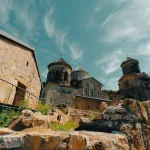
📷 Featured image by Vanburn Gonsalves on Unsplash.