On this page
- Why Tusheti Feels Different
- What Has Changed for Tusheti in 2026
- Getting to Omalo: Abano Pass by Marshrutka and 4×4
- When to Go: The Short Season
- Villages Worth Your Time
- Hiking in Tusheti
- What and Where to Eat
- Day Trip or Overnight?
- Getting Around Once You Are There
- Tusheti Budget in 2026
- Practical Tips
- Frequently Asked Questions
💰 Click here to see Georgia Budget Breakdown
💰 Prices updated: October, 2026. Budget figures are estimates — always verify before travel.
Exchange Rate: $1 USD = ₾2.60
Daily Budget (per person)
Shoestring: ₾70.00 – ₾130.00 ($26.92 – $50.00)
Mid-range: ₾180.00 – ₾350.00 ($69.23 – $134.62)
Comfortable: ₾500.00 – ₾1,000.00 ($192.31 – $384.62)
Accommodation (per night)
Hostel/guesthouse: ₾30.00 – ₾60.00 ($11.54 – $23.08)
Mid-range hotel: ₾110.00 – ₾200.00 ($42.31 – $76.92)
Food (per meal)
Budget meal: ₾15.00 ($5.77)
Mid-range meal: ₾35.00 ($13.46)
Upscale meal: ₾100.00 ($38.46)
Transport
Single metro/bus trip: ₾1.00 ($0.38)
Monthly transport pass: ₾40.00 ($15.38)
Many travellers in 2026 want somewhere that still feels remote, and they are finding that Georgia’s popular mountain spots are busier than they expected. Tusheti is the exception. It sits behind a 2,850-metre pass, the road is open for only about four months, and mobile signal drops out in the valleys. The reward is stone villages, open alpine slopes, and a way of life that has barely changed. You have to plan carefully, though.
Why Tusheti Feels Different
Tusheti is in the northeast corner of Georgia, in the Greater Caucasus close to the Russian republics of Chechnya and Dagestan. For centuries, shepherds have lived here in summer and moved their flocks to the lowlands in autumn. Most houses are still built of slate and stone, and many are topped with defensive towers.
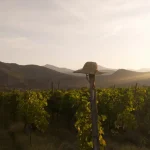
The landscape is made of steep green valleys, rivers with blue-grey meltwater, and ridges above 3,000 metres. It feels closer to the high pastures of the Alps than to anywhere else in Georgia, but with far fewer people. In the evening you hear sheep bells and smell woodsmoke from stoves in the village below.
What Has Changed for Tusheti in 2026
Since 2024, interest in Tusheti has grown steadily. More guesthouses now take bookings by messaging apps and email, and several Omalo hosts can arrange your transfer and a guide at the same time. Parts of the road before the pass have had repairs, so the early section from Kakheti is smoother than before. The pass itself is still unpaved and rough.
Better flight connections to Tbilisi and Kutaisi make it easier to reach Kakheti, the gateway region. But nothing has changed about the basic rule: you still need a 4×4 and a good driver to cross Abano Pass.
Getting to Omalo: Abano Pass by Marshrutka and 4×4
Almost everyone starts in Telavi, the main town of Kakheti. From Tbilisi, a marshrutka to Telavi takes around two hours and costs roughly 15 GEL. From Telavi, the road to Omalo is about 100 km and takes four to five hours in a proper 4×4.
- Shared 4×4 or marshrutka: in season, vehicles leave Telavi in the morning, usually once enough passengers have gathered. Expect about 60–80 GEL per person one way. Return trips run on a similar basis, so ask your guesthouse to help arrange the seat.
- Private 4×4 with driver: about 350–450 GEL from Telavi and 600–800 GEL from Tbilisi, shared between up to four or five passengers.
- Driving yourself: not recommended. The track has sheer drops, no guardrails, stream crossings, and thick fog. Many rental companies ban Tusheti in their contracts.
The last hour over the pass is the real experience. Gravel crunches under the tyres, the air gets colder, and the road clings to a slope with a long drop on one side. You descend into a green bowl of villages and hay meadows. Passengers who get carsick should take tablets before the climb.
When to Go: The Short Season
The road normally opens in mid-June and closes by mid-October, depending on snow, rain, and landslides. July to early September is the safest window. Days in Omalo are about 15–25°C, but nights can drop to 3–6°C even in August.
- Late June: wildflowers, green slopes, occasional snow patches on the pass, and few visitors.
- July and August: the best weather and the most guesthouses open. Tushetoba, a folk festival, is usually held in August.
- September: quieter and golden. Rain and early snow are more likely, and some places begin to close.
Villages Worth Your Time
Omalo
Omalo is the main base. Lower Omalo has guesthouses and a few shops. Upper Omalo (Keselo) has a cluster of stone towers, the best-preserved of which are in a fortress complex with wide views down the valley.
Dartlo
Dartlo is the most photogenic village, with tight stone lanes, slate roofs, and tall towers. It is also a base for hikes and has a small ethnographic museum.
Diklo and Shenako
Diklo has ruined fortress walls on a ridge and a spectacular position above the valley. Shenako has a pretty wooden church and a quieter feel, good for slow afternoons.
Hiking in Tusheti
Walking is the main activity. Trails are marked in places, but signposts disappear, so download an offline map before you leave Telavi.
- Omalo to Diklo: a short, rewarding walk of about 2–3 hours one way that is ideal for your first day.
- Omalo to Dartlo: a full day through the valley, around 15 km with some climbs. Many people take a car one way.
- Dartlo to Kvavlo: a moderate route through pastures and old villages.
- Multi-day treks: Tusheti to Khevsureti over the Atsunta Pass (3,431 m) is a serious route for experienced hikers with a guide, and snow can linger into July.
Horse riding is also available through guesthouses and local guides. Expect around 100–150 GEL per half day for a guided ride.
What and Where to Eat
Food in Tusheti is simple, local, and filling. Most visitors eat at their guesthouse, where half-board is standard. Dinner comes out in many small dishes, with fresh bread, soup, potatoes, salad, and cheese.
- Guda cheese: a sharp, salty sheep cheese ripened in sheepskin. It is the most famous Tushetian product, with a smoky, almost peppery taste.
- Kotori: a baked pastry filled with cheese or potato, similar to khachapuri but thinner and hearty. It is best when still warm, with the steam rising as you tear it open.
- Dambalkhacho: a soft blue-green cheese mixed with herbs, usually served as a spread.
- Local beer and chacha: some families brew beer and distil chacha for guests. Ask before assuming it is for sale.
For a meal outside your guesthouse, small cafés in Omalo and Dartlo serve khinkali, soup, and tea. Opening hours are loose, so confirm in advance if you are walking far.
Day Trip or Overnight?
Tusheti is not a day trip. The drive from Telavi takes four to five hours each way, so you would spend most of the day in a vehicle. Stay at least three nights. That gives you one day to settle in and walk to Diklo, one for Dartlo, and one flexible day for weather or rest.
If you have a week, split your time between Omalo and a second village such as Dartlo or Shenako, or add a guided trek. If you only have two days in Kakheti, visit Telavi’s wineries and Sighnaghi instead and keep Tusheti for a longer trip.
Getting Around Once You Are There
The valley is spread across tracks and trails, so your options are walking, hitching with locals, or hiring a driver. Guesthouses can arrange 4×4 transfers between villages for about 40–120 GEL per vehicle, depending on distance. Public transport inside Tusheti does not exist. Plan walking days with a ride at one end if your legs are tired.
Tusheti Budget in 2026
Prices are higher than in lowland Georgia because everything is carried up the mountain. These are approximate daily costs per person, excluding the transfer from Telavi.
- Budget (100–160 GEL/day): a simple guesthouse room or camping, half-board, and your own walking. Shared transfers only.
- Mid-range (180–300 GEL/day): a comfortable guesthouse with half-board, a packed lunch, and an occasional village transfer or guided walk.
- Comfortable (350–600 GEL/day): a private 4×4 for the whole trip, better rooms, horse riding, and a private guide.
Typical guesthouse half-board is 100–150 GEL per person per night. A guide for a day costs about 150–250 GEL, and a multi-day trek with a guide and horses can reach 300–500 GEL per day.
Practical Tips
- Connectivity: mobile signal is patchy and may disappear outside Omalo. Download maps, tickets, and contact details before you go.
- Packing: a warm layer, rain jacket, hiking boots, sun protection, and a headlamp. Evenings are cold even in midsummer.
- Cash: bring all you need in small notes, since there are no ATMs and card payments are rare.
- Safety: tell your host which trail you are taking. Rivers rise after rain, and rescue is slow in a valley with weak signal.
- Border zone: some treks near the Russian border require a free permit from the border police. Ask your guesthouse before you set off.
- Respect local life: ask before photographing people or entering sacred sites, and carry out your rubbish.
Frequently Asked Questions
When is Tusheti open?
The road over Abano Pass usually opens in mid-June and closes by mid-October, depending on snow and landslides. July to early September is the safest window. Outside those months, the villages are nearly empty and the road is closed to normal traffic. Always check the current road status with a Telavi driver before you go.
Can I drive to Tusheti myself?
Only with a proper high-clearance 4×4 and mountain driving experience. The unpaved road has steep drops, no guardrails, river crossings, and frequent fog. Many rental companies ban Tusheti in their contracts. Most visitors hire a local driver instead, which costs more than a marshrutka but removes the biggest risk of the trip.
How many days do I need in Tusheti?
Plan at least three nights, ideally four to six. The journey from Telavi takes four to five hours each way, so a shorter stay wastes most of your time. Three nights lets you hike to Dartlo and Diklo, while a week allows a proper trek between villages or over to Khevsureti.
Is Tusheti safe for solo travellers?
Yes, the villages are very safe, and guesthouse hosts look after their guests. The real risks are weather, river crossings, and the road. Tell your host your route, carry offline maps, and avoid remote high-pass hikes alone. Rescue is slow because mobile signal is weak and help may be hours away.
Do I need cash or permits in Tusheti?
Bring enough lari for the whole stay, because there are no ATMs in Tusheti and few places take cards. You do not need a permit for the main villages. Treks close to the Russian border can require a free border-police permit, so ask your guesthouse before you set off.
📷 Featured image by Kristina Gegeshidze on Unsplash.