On this page
- Why Tusheti Remains Georgia’s Ultimate Adventure Challenge
- Getting to Tusheti: Navigating the Infamous Abano Pass Road
- Where to Base Yourself: Omalo vs Dartlo vs Shenako
- Trekking the High Caucasus: Multi-Day Routes and Day Hikes
- Tushetian Tower Villages: Living History in Stone
- Local Life and Tushetian Culture: Shepherds, Cheese, and Traditions
- Practical Survival Guide: What to Pack and Expect
- Budget Breakdown: What Tusheti Actually Costs in 2026
- Frequently Asked Questions
💰 Click here to see Georgia Budget Breakdown
💰 Prices updated: October, 2026. Budget figures are estimates — always verify before travel.
Exchange Rate: $1 USD = ₾2.60
Daily Budget (per person)
Shoestring: ₾70.00 – ₾130.00 ($26.92 – $50.00)
Mid-range: ₾180.00 – ₾350.00 ($69.23 – $134.62)
Comfortable: ₾500.00 – ₾1,000.00 ($192.31 – $384.62)
Accommodation (per night)
Hostel/guesthouse: ₾30.00 – ₾60.00 ($11.54 – $23.08)
Mid-range hotel: ₾110.00 – ₾200.00 ($42.31 – $76.92)
Food (per meal)
Budget meal: ₾15.00 ($5.77)
Mid-range meal: ₾35.00 ($13.46)
Upscale meal: ₾100.00 ($38.46)
Transport
Single metro/bus trip: ₾1.00 ($0.38)
Monthly transport pass: ₾40.00 ($15.38)
Tusheti’s reputation as Georgia’s most challenging destination isn’t just marketing hype. In 2026, this remote mountain region still requires genuine commitment—the seasonal road remains treacherous, accommodation is basic, and weather can trap you for days. But for those who make the journey, Tusheti delivers an unfiltered slice of medieval Georgia where defensive towers pierce alpine meadows and shepherds still drive flocks to summer pastures exactly as their ancestors did.
Why Tusheti Remains Georgia’s Ultimate Adventure Challenge
Tusheti sits in Georgia’s far northeast corner, pressed against the Chechen and Dagestani borders at altitudes reaching 4,000 meters. This isn’t just another mountain destination—it’s a functioning medieval landscape where 13th-century defensive towers still guard villages and traditional pastoral life continues unchanged.
The region operates on nature’s schedule. The infamous Abano Pass road opens only from late May through October, weather permitting. Even in midsummer, sudden storms can close the pass for days, stranding visitors in this roadless wilderness. No mobile coverage exists beyond Omalo village center, and the nearest hospital sits four hours away in Telavi.
What makes this remoteness worthwhile is Tusheti’s authenticity. Unlike Georgia’s more accessible mountain regions, mass tourism hasn’t reached here. You’ll encounter shepherds who speak only Georgian and Tushetian dialect, taste cheese aged in caves using 800-year-old methods, and sleep in guesthouses where the bathroom is an outhouse and hot water comes from a wood-fired boiler.
The landscape itself defies comparison. Alpine meadows stretch endlessly between jagged peaks, dotted with stone watchtowers that served as medieval early warning systems. Villages like Dartlo and Shenako appear frozen in time, their defensive towers and stone houses clinging to impossibly steep mountainsides.
Getting to Tusheti: Navigating the Infamous Abano Pass Road
Reaching Tusheti requires crossing the Abano Pass via what locals call “Georgia’s most dangerous road.” This 72-kilometer route from Pshaveli village to Omalo climbs to 2,926 meters through hairpin turns carved into sheer cliff faces, with no guardrails and frequent rockslides.

Your transport options are limited but clear. Local drivers with Soviet-era UAZ minivans or newer 4x4s run daily services from Telavi and Tbilisi throughout the season. From Tbilisi, expect to pay 120-150 GEL per person for shared transport, with the journey taking 6-8 hours depending on road conditions. Private vehicle hire costs 800-1,000 GEL for the round trip.
Never attempt this route in a regular car. The steep grades, loose gravel surfaces, and river crossings demand high clearance and 4WD capability. Even experienced Georgian mountain drivers respect this road—locals say a prayer before ascending and cross themselves at the summit.
Weather determines everything. Rain turns the road into a muddy nightmare, while early season snow can block the pass entirely. Check conditions with your guesthouse before departing, as rescue operations are complex and expensive in this remote region.
New Transport Developments in 2026
A helicopter service launched in summer 2026, offering scenic flights from Telavi to Omalo for 300 GEL per person (minimum 4 passengers). While expensive, this 45-minute aerial route provides spectacular views and bypasses the notorious road entirely. Book through Tusheti Helicopter Tours, operating June through September.
The Georgian government has also improved emergency communications, installing satellite phones in Omalo and Dartlo for genuine emergencies. However, these are strictly for medical or safety situations, not tourist convenience.
Where to Base Yourself: Omalo vs Dartlo vs Shenako
Tusheti’s accommodation choices reflect its medieval character—expect stone buildings, shared bathrooms, and wood-heated water. Your base village determines your entire Tusheti experience, so choose carefully based on your priorities.

Omalo: The Administrative Hub
Omalo serves as Tusheti’s unofficial capital and offers the region’s most reliable infrastructure. The village features a small shop, limited mobile coverage, and several guesthouses with private bathrooms. Niko’s Guesthouse and Tusheti Guest House provide the most comfortable accommodations, with hot showers and hearty meals for 40-50 GEL per person including breakfast and dinner.
From Omalo, you can access most major hiking trails and hire local guides easily. The village also houses the border police station—essential for treks approaching the Chechen frontier. However, Omalo lacks the medieval atmosphere of smaller settlements and can feel relatively modern by Tushetian standards.
Dartlo: Medieval Perfection
Dartlo represents Tusheti’s most photographed village, where defensive towers and traditional stone houses create a perfect medieval tableau. Staying here means sleeping within genuine historical architecture, often in rooms that have sheltered families for centuries.
Accommodation options are limited but authentic. Dartlo Guesthouse offers basic rooms in a restored tower house for 35 GEL per person, including traditional meals prepared over a wood fire. The outhouse situation and cold water might challenge comfort-seekers, but the experience of waking to sunrise illuminating ancient towers is unmatched.
Dartlo provides excellent access to shorter day hikes and serves as the traditional starting point for treks to abandoned villages like Parsma and Girevi.
Shenako: Remote Authenticity
Shenako offers Tusheti’s most remote experience, perched high above the Pirikiti Alazani River with panoramic mountain views. This tiny settlement maintains traditional pastoral life most purely—expect to encounter sheep flocks, hear only Georgian conversation, and experience genuine isolation.
Shenako Guesthouse provides basic accommodation for 30 GEL per person, with meals featuring freshly made cheese and bread baked in traditional ovens. The village serves as the jumping-off point for serious mountain treks toward the main Caucasus ridge.

Choose Shenako if you prioritize authentic cultural immersion over creature comforts, and don’t mind being completely cut off from the outside world.
Trekking the High Caucasus: Multi-Day Routes and Day Hikes
Tusheti’s trail network ranges from gentle valley walks to serious alpine expeditions requiring mountaineering experience. The trekking season runs from June through September, with July and August offering the most reliable weather.
The Classic Omalo-Shatili Trek
This 4-5 day traverse from Tusheti to Khevsureti ranks among Georgia’s finest high-altitude treks. The route crosses the Atsunta Pass at 3,431 meters, linking two of Georgia’s most traditional mountain regions. Expect challenging terrain, river crossings, and spectacular alpine scenery.
Most trekkers hire guides in Omalo for 100-120 GEL per day. The guide arranges camping spots, navigates unmarked sections, and ensures you don’t accidentally cross into restricted border zones. Pack warm sleeping gear—temperatures can drop below freezing even in summer at altitude.
Day Hikes from Village Bases
Shorter options accommodate various fitness levels. The trek from Dartlo to abandoned Parsma village takes 3-4 hours each way through spectacular gorge scenery. You’ll pass ruined defensive towers and abandoned terraced fields, experiencing Tusheti’s depopulation history firsthand.
From Shenako, the trail to Lake Oreti provides a demanding but rewarding day hike. The pristine alpine lake sits at 2,800 meters, surrounded by peaks that form the watershed between Europe and Asia. Pack layers—afternoon thunderstorms are common at this elevation.
For easier walking, the valley trails between active villages offer cultural immersion without serious elevation gain. The path from Omalo to Dartlo follows traditional sheep-driving routes, passing stone bridges and seasonal shepherds’ camps.
Extreme High-Altitude Routes
Experienced mountain trekkers can attempt routes toward Georgia’s highest peaks, including approaches to Mount Tetnuldi and Shkhara. These expeditions require serious preparation, technical equipment, and preferably mountaineering experience. Local guides with alpine credentials charge 150-200 GEL per day for such specialized trips.

Tushetian Tower Villages: Living History in Stone
Tusheti’s distinctive defensive towers, called “koshki,” represent Georgia’s most intact medieval village architecture. These structures served multiple purposes—family fortress, grain storage, and community watchtower—in a region where clan feuds and foreign invasions were constant threats.
Each tower tells a specific story. In Dartlo, the Qaisi family tower dates to the 13th century and still shows battle damage from 18th-century conflicts. Climb the narrow stone stairs inside (with permission from current owners) to understand how families lived vertically during siege conditions. The thick stone walls stay cool even during summer heat, while tiny windows provided defensive firing positions.
Village layout reveals medieval defense strategies. Settlements cluster around prominent towers, with houses positioned to create interlocking fields of fire. Traditional Tushetian architecture uses locally quarried slate, creating buildings that blend seamlessly with the mountain landscape.
Many towers remain family property, passed down through generations. Current owners often welcome respectful visitors and may share oral histories dating back centuries. A small tip (5-10 GEL) is appropriate when visiting private towers.
Architectural Preservation Challenges
Tusheti’s harsh climate and depopulation threaten these irreplaceable structures. Winter snow loads and spring freeze-thaw cycles gradually damage roofs and walls. Several international organizations now fund preservation efforts, but many towers remain at risk.
When visiting, respect ongoing restoration work and avoid climbing unstable structures. Photography is generally welcome, but always ask permission before entering private property or tower interiors.
Local Life and Tushetian Culture: Shepherds, Cheese, and Traditions
Tusheti maintains Georgia’s most traditional pastoral culture. Summer brings an annual migration as families move livestock from lowland winter quarters to high alpine pastures. This transhumance system has operated unchanged for over a millennium.

Local shepherds still produce Tushetian cheese using ancient cave-aging methods. The distinctive sheep’s cheese develops its flavor in natural limestone caves where temperatures remain constant year-round. Taste authentic Tushetian cheese at family guesthouses—the sharp, nutty flavor reflects the high-altitude herb pastures where sheep graze.
Traditional bread baking continues in stone ovens built into household courtyards. Watch the morning bread-making process at most guesthouses, where families fire clay ovens with dried dung and wood, creating the aromatic, crusty loaves that accompany every meal.
Language preservation efforts are strong here. Many older residents speak primarily Georgian and the Tushetian dialect, a unique Nakh language more closely related to Chechen than Georgian. Younger generations increasingly speak Georgian and some English, but traditional culture remains vibrant.
Seasonal Festivals and Celebrations
If you visit during summer festivals, you’ll witness authentic Georgian mountain culture. The Mariamoba celebration in late August features traditional dancing, horse racing, and communal feasts. These aren’t tourist performances—they’re genuine community celebrations where visitors are welcomed but not catered to.
Religious traditions blend Orthodox Christianity with pre-Christian mountain customs. Ancient shrines dot the landscape, often marking sacred groves or springs where locals still leave small offerings.
Practical Survival Guide: What to Pack and Expect
Tusheti demands proper preparation. Pack as if you’re going wilderness camping, even if staying in guesthouses. Essential items include warm layers (temperatures can drop to 5°C even in July), waterproof clothing, sturdy hiking boots, flashlight with extra batteries, and basic first aid supplies.
Bring cash in small denominations—credit cards are useless, and ATMs don’t exist. Stock up on any medications in Tbilisi or Telavi, as pharmacies are nonexistent. Pack toilet paper, as many facilities lack this basic amenity.

Technology limitations are real. Mobile coverage exists only in Omalo village center and is often unreliable. Download offline maps before arrival—GPS devices work, but internet-dependent navigation apps don’t. Consider bringing a satellite communicator for emergency situations if traveling independently.
Food allergies and dietary restrictions pose challenges. Most meals center around meat, dairy, and bread. Vegetarians can manage on cheese, bread, and seasonal vegetables, but vegans will struggle. Inform guesthouses of dietary needs when booking, though options remain limited.
Health and Safety Considerations
Altitude affects many visitors. Omalo sits at 1,650 meters, while day hikes often reach 2,500+ meters. Acclimatize gradually and watch for altitude sickness symptoms. The nearest medical facility sits in Telavi, requiring evacuation by 4×4 vehicle—a 4-6 hour journey in good conditions.
Weather changes rapidly in mountains. Even sunny mornings can deteriorate into dangerous storms by afternoon. Always carry emergency shelter and warm clothes when hiking, regardless of morning conditions.
Budget Breakdown: What Tusheti Actually Costs in 2026
Tusheti’s remote location creates a unique pricing structure where basic services cost more than in accessible regions, but overall expenses remain moderate due to limited options.
Budget Travel (80-120 GEL per day)
Basic guesthouses in smaller villages charge 30-40 GEL per person including meals. Shared transport from Tbilisi costs 120-150 GEL. Day hiking requires only packed lunches, keeping costs minimal. Budget travelers can survive on 80-100 GEL daily by choosing simple accommodation and avoiding guided tours.
Mid-Range Experience (150-200 GEL per day)
Better guesthouses in Omalo cost 40-60 GEL per person with private bathrooms and more varied meals. Hiring local guides for day hikes adds 100-120 GEL (split among group). Private transport segments and occasional helicopter transfers push daily costs to 150-180 GEL.
Comfortable Exploration (250+ GEL per day)
Private 4×4 transport, quality guides for all activities, and the best available accommodation (limited as it is) reaches 250-300 GEL daily. Helicopter access from Telavi adds significant cost but saves time and provides spectacular aerial views of the Caucasus.

Unavoidable Expenses
Certain costs apply to all visitors: transport to/from Tusheti (minimum 120 GEL), accommodation including meals (30-60 GEL per night), and guide services for serious trekking (100+ GEL per day). Border zone permits are free but require advance arrangement through guesthouses.
Frequently Asked Questions
When is the best time to visit Tusheti?
July and August offer the most reliable weather and guaranteed road access. June can be muddy with possible snow, while September brings beautiful autumn colors but increased storm risk. The road typically closes by mid to late October.
Do I need a guide for hiking in Tusheti?
Day hikes around villages don’t require guides if you have good maps and navigation skills. Multi-day treks and routes near the Chechen border require local guides both for safety and legal compliance with border regulations.
Can I visit Tusheti as a day trip?
Technically possible but not recommended. The 6-8 hour transport time each way leaves little time for exploration, and road conditions can cause delays. Plan minimum 2-3 nights to justify the difficult journey.
What happens if bad weather traps me in Tusheti?
This is a real possibility. Heavy rain or early snow can close the Abano Pass for several days. Build flexibility into your schedule and carry extra cash for extended stays. Guesthouses will accommodate stranded travelers.
Is Tusheti safe for solo female travelers?
Generally yes, within the conservative mountain culture context. Local families are protective of guests, and crime is virtually nonexistent. However, solo hiking in remote areas requires extra caution due to limited rescue capabilities if problems arise.
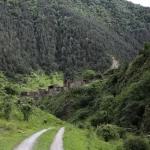
📷 Featured image by Nick Osipov on Unsplash.