On this page
- Sighnaghi in 2026: What No One Tells You Before You Go
- Walking the Ancient Fortress Walls
- Qvevri Cellars and Natural Wine Without the Tour Group
- The Old Town on Foot
- Bodbe Monastery: More Than a Footnote
- Into the Alazani Valley: Vineyard Walks and Village Roads
- The Sighnaghi Museum
- Day Trips from Sighnaghi
- Where to Eat and Drink in Sighnaghi
- Evenings in Sighnaghi
- Shopping: What to Buy and Where
- When to Visit Sighnaghi
- Getting to Sighnaghi and Getting Around
- Budget Breakdown: Daily Costs in 2026
- Practical Notes Before You Go
- Frequently Asked Questions
💰 Click here to see Georgia Budget Breakdown
💰 Prices updated: October, 2026. Budget figures are estimates — always verify before travel.
Exchange Rate: $1 USD = ₾2.60
Daily Budget (per person)
Shoestring: ₾70.00 – ₾130.00 ($26.92 – $50.00)
Mid-range: ₾180.00 – ₾350.00 ($69.23 – $134.62)
Comfortable: ₾500.00 – ₾1,000.00 ($192.31 – $384.62)
Accommodation (per night)
Hostel/guesthouse: ₾30.00 – ₾60.00 ($11.54 – $23.08)
Mid-range hotel: ₾110.00 – ₾200.00 ($42.31 – $76.92)
Food (per meal)
Budget meal: ₾15.00 ($5.77)
Mid-range meal: ₾35.00 ($13.46)
Upscale meal: ₾100.00 ($38.46)
Transport
Single metro/bus trip: ₾1.00 ($0.38)
Monthly transport pass: ₾40.00 ($15.38)
Sighnaghi in 2026: What No One Tells You Before You Go
Sighnaghi has a reputation problem — but not the kind you’d expect. The photos look almost too good: cobblestone lanes, terracotta rooftops, snow-capped Greater Caucasus on the horizon. So travelers arrive expecting a fairy-tale village and sometimes leave feeling like they walked through a film set. The truth is more interesting. Sighnaghi rewards people who slow down, skip the packaged wine tours, and actually spend the night. In 2026, with direct marshrutka connections from Tbilisi’s new Ortachala terminal and a growing number of small natural wine producers opening their cellars to visitors, there’s more reason than ever to give this town more than an afternoon.
Walking the Ancient Fortress Walls
The fortress walls are the most underused attraction in Sighnaghi. Most visitors photograph them from below and move on, but you can actually walk a significant stretch of the circuit — and the views from the towers are genuinely extraordinary. The walls, built in the 18th century under King Erekle II, stretch for nearly 4.5 kilometres and include 23 towers. Not all sections are accessible, but the walkable portions give you unobstructed sightlines across the Alazani Valley and, on clear mornings, the sharp white ridge of the High Caucasus rising behind it.
Start from the main square near the City Hall and follow the wall north. The path gets rough in places — wear proper shoes, not sandals. Early morning is the best time: the light is soft, the tour groups haven’t arrived, and on a cool spring day you can hear the wind moving through the valley below. Allow 90 minutes for a proper circuit walk.

Qvevri Cellars and Natural Wine Without the Tour Group
Sighnaghi sits at the edge of Kakheti, Georgia’s dominant wine region, and the town itself has become a hub for small producers who want to be closer to visitors. The difference between a packaged wine tour and finding your own cellar experience is significant — in price, in atmosphere, and in what you actually learn.
The main street running downhill from the central square has several small wine bars and cellar doors that opened between 2023 and 2025. Look for hand-painted signs in Georgian and English pointing to basement staircases. These are typically family operations where someone will pour you amber wine from a clay qvevri buried in the floor, explain in broken but enthusiastic English how the grape skins sit in contact with the juice for months, and charge you 15–25 GEL for a tasting of three or four wines.
Pheasant’s Tears, one of Georgia’s most respected natural wine producers, has a wine bar and restaurant in Sighnaghi that has been operating since the early 2010s. By 2026 it remains one of the most reliable places to try serious qvevri wines alongside good food. The candlelit interior, low wooden ceilings, and the earthy smell of aged wine in oak and clay create exactly the kind of atmosphere that wine writing always promises but rarely delivers.
For a more local experience, ask your guesthouse owner to call ahead to a family winery in a nearby village. The standard practice in Kakheti is hospitality-first: you will be offered food alongside wine, and the cost is usually a donation or a bottle purchase rather than a formal tasting fee.
The Old Town on Foot

Sighnaghi’s old town is small enough to cover completely in two hours, but interesting enough to occupy a full morning if you’re paying attention. The characteristic architecture is a mix of 18th and 19th century Georgian townhouses with carved wooden balconies overhanging the narrow lanes — painted in greens, blues, and ochres that fade beautifully in the summer heat. Many have been restored since the mid-2000s renovation programme, and the result is polished but not sterile.
The streets leading away from the main square downhill toward the southern wall are quieter and more residential. Locals hang laundry between the balconies, cats occupy every sunny step, and there are small workshops where you’ll sometimes find a craftsman working on wood or metalwork. This part of Sighnaghi has the texture of an actual living town rather than a tourist zone.
The central square itself has a café terrace and a small fountain, and in the evenings it functions as the town’s social hub — families, backpackers, and local couples all sharing the same compact space. The square looks directly west over the valley, which makes it one of the best sunset spots in all of eastern Georgia.
Bodbe Monastery: More Than a Footnote
Three kilometres south of Sighnaghi, Bodbe Monastery sits at the edge of a wooded ridge looking out over the Alazani Valley. It is the burial site of St. Nino, the woman credited with converting Georgia to Christianity in the 4th century, which makes it one of the most sacred locations in the country. In 2026 it continues to be an active working convent.
The main church is small and dark inside, lit by candles and oil lamps, with the silver-covered tomb of St. Nino surrounded by flowers and worshippers. Even if you have no religious interest, the atmosphere inside is striking — the low hum of prayer, the smell of incense, the flicker of dozens of candles against ancient stone walls. Dress conservatively: shoulders and knees covered, women with heads covered. Scarves are available at the entrance.

Below the monastery, a path winds steeply down through pine forest to the Holy Spring of St. Nino. The walk takes about 20 minutes down and 30 minutes back up. The spring itself is a small stone structure where pilgrims fill bottles and pray. Whether or not you’re a believer, the walk through the forest to reach it is peaceful and worth doing. Taxis from Sighnaghi charge around 15–20 GEL for the round trip with waiting time.
Into the Alazani Valley: Vineyard Walks and Village Roads
The real Kakheti experience is not in Sighnaghi’s streets — it’s in the valley below. The Alazani Valley floor is a flat, fertile expanse of vines, walnut orchards, and small villages connected by quiet roads that are almost entirely free of tourist traffic outside of harvest season. Walking or cycling down from Sighnaghi into this landscape takes about 45 minutes on foot and gives you a completely different perspective on the region.
There is no formal trail network, but the road descending from the south gate of the fortress walls leads directly into the valley and connects to a series of village roads. In late September and early October during Rtveli — the grape harvest — the valley comes alive with workers, trucks loaded with grapes, and the sharp, fermenting smell of crushed fruit that hangs in the warm air all day. Coming during this period and asking a family if you can help pick for an hour is genuinely possible and generally welcomed.
If you’d rather cycle, several guesthouses in Sighnaghi rent basic bikes for 30–50 GEL per day. The valley roads are flat and manageable, though summer temperatures above 35°C make early morning the only sensible time to ride.

The Sighnaghi Museum
The Sighnaghi Museum sits on the main square and covers two distinct collections: local archaeological finds from the Alazani Valley going back to the Bronze Age, and a substantial collection of paintings by Niko Pirosmani, Georgia’s most famous folk artist. The Pirosmani collection alone justifies the entrance fee of around 15 GEL in 2026.
Pirosmani painted in the early 20th century on black oilcloth, usually working in exchange for food and drink. His paintings of Georgian feasts, animals, and landscapes have a directness and warmth that reproductions don’t fully capture. Standing in front of the originals — some of them large canvases — is a different experience from seeing them in a book. The archaeological wing is smaller and less spectacular but gives useful context for the region’s deep history. Budget 60–90 minutes for a full visit.
Day Trips from Sighnaghi
Telavi
Telavi is the administrative capital of Kakheti and sits about 60 kilometres northwest of Sighnaghi. It has a medieval fortress, a good regional market, and access to several major wineries including Tsinandali Estate. The drive through Kakheti’s vineyard landscape takes around 75 minutes by car. There is no direct marshrutka — you’ll need to hire a taxi or join a shared transfer, which typically costs 80–120 GEL one way depending on negotiation.
Gremi Fortress
The ruined royal city of Gremi sits 60 kilometres northwest of Sighnaghi near the town of Kvareli. The hilltop fortress and church tower over the surrounding plain with a slightly eerie grandeur — there’s rarely more than a handful of visitors here. Combine it with a stop at one of the Kvareli-area wineries for a full day out.

Nekresi Monastery
One of Kakheti’s oldest monastery complexes, Nekresi is set high in forested hills above the Alazani Valley near Kvareli. A 4WD shuttle runs up to the monastery from a parking area below — the road is too steep for ordinary cars. The views from the top are exceptional and the complex itself feels genuinely ancient, with minimal tourist infrastructure.
Tsinandali Estate
The 19th-century estate of the Chavchavadze family near Telavi is a combination of winery, museum, and garden. The Georgian classical architecture and the mature plane trees in the grounds make it pleasant to walk around. Wine tastings run throughout the day. It’s a 90-minute drive from Sighnaghi and works well as a half-day trip combined with a Telavi market visit.
Where to Eat and Drink in Sighnaghi
Sighnaghi’s food scene is compact but decent. The main concentration of restaurants and wine bars runs along the street leading uphill from the central square and around the square itself. Most kitchens serve standard Kakhetian food — mtsvadi grilled over vine cuttings, lobiani bean bread, pork and walnut dishes — alongside local wine sold by the glass or the jug.
For breakfast, the small bakery near the lower market square does fresh bread and cheese from around 7am. It has no sign in English — look for the queue of locals and the smell of warm dough coming from a low stone doorway. A breakfast of bread, local cheese, and coffee costs under 15 GEL.
Pheasant’s Tears restaurant on the main street remains the benchmark for a proper sit-down meal. The menu changes seasonally and the wine list is all Georgian natural wine. Expect to spend 60–100 GEL per person with wine. For something cheaper and more local, the family-run guesthouses almost always offer dinner by arrangement — typically 25–35 GEL for a full spread including wine.

The terrace restaurants on the square are convenient but charge a premium for the view. Check the menu before sitting down — some list prices in both GEL and euros, which is a sign that the tourist markup is already built in.
Evenings in Sighnaghi
Sighnaghi is a small town and evenings are quiet by city standards — which is part of the point. After dark, the central square fills with a relaxed crowd of travelers and locals. Several wine bars stay open until midnight or later, and a couple of venues occasionally host live Georgian folk music, particularly on weekends in summer.
The town is also unusual in Georgia for its 24-hour wedding hall — a legacy of a 2007 government initiative that allowed couples to legally marry here at any hour of the day or night. In 2026 it still operates, and on Saturday evenings you’ll sometimes see Georgian wedding parties spilling across the square with toasts, dancing, and the particular chaos of Georgian celebration at full volume. As a visitor, this is one of the most alive things you can stumble into.
Shopping: What to Buy and Where
The main shopping street runs from the central square toward the fortress wall and is lined with small shops selling local wine, churchkhela (the walnut-and-grape-juice sweets that look like dark candles), pottery, and wool items. Quality varies — the churchkhela is almost always made locally and is good, but the pottery ranges from authentic local craft to mass-produced tourist stock. Ask where it was made before buying.
Wine is the obvious purchase. Buying directly from a family cellar rather than a shop means you get a better price and a direct connection to the producer. A good bottle of amber qvevri wine from a local family costs 20–40 GEL. The same bottle in Tbilisi’s wine shops costs 50–80 GEL.

The lower market area near the bus stop has a small daily market where locals sell seasonal produce, homemade preserves, and fresh churchkhela. This is a more honest version of the shopping experience — less curated, more real.
When to Visit Sighnaghi
The best two windows are late spring (May to early June) and autumn harvest season (late September through October). In spring the valley is green, temperatures are mild at 18–24°C, and accommodation is available without the need to book months ahead. The wildflowers on the valley floor are at their peak in May.
Rtveli harvest season in late September and October is the most atmospheric time to visit Kakheti. The light is golden, the vines are turning, and the whole region smells of fermenting grapes. Accommodation in Sighnaghi fills up fast during this period — book at least six weeks ahead in 2026 and expect prices to be 20–30% higher than shoulder season rates.
Summer (July–August) is hot, crowded, and expensive. Temperatures regularly hit 35–38°C in the valley. The town itself is pleasant in the evenings, but daytime sightseeing is uncomfortable. Winter (December–February) is quiet and cold, with temperatures dropping to 0–5°C. The landscape is less dramatic, but prices are low and you’ll have the fortress walls almost entirely to yourself.
Getting to Sighnaghi and Getting Around
From Tbilisi, the standard option in 2026 is a marshrutka departing from the Ortachala bus terminal. Journey time is approximately 2 hours and 15 minutes. Departures run throughout the day from around 8am, and the fare is 10–12 GEL. The new Ortachala terminal, which expanded in 2025, has clearer signage in English than the old setup, making it easier to find the right bay.
Taxis from Tbilisi to Sighnaghi cost 80–130 GEL depending on the vehicle type and how well you negotiate. Ride-hailing apps including Bolt and Yandex are available for Tbilisi-based pickups but do not currently cover the Sighnaghi end of the trip. Several Tbilisi-based drivers specialize in Kakheti day trips and can be found through guesthouse recommendations.

Within Sighnaghi, the town is small enough to walk entirely. For Bodbe Monastery and valley excursions, local taxis park near the central square. Agree on a price before getting in — 15–30 GEL covers most local trips. Car hire is not available in Sighnaghi itself; if you want a car for exploring Kakheti, arrange it in Tbilisi before you leave.
Budget Breakdown: Daily Costs in 2026
Budget tier (under 100 GEL/day): Guesthouse dormitory or basic private room at 35–50 GEL. Bakery breakfast at 10–12 GEL. Lunch at a local canteen at 18–25 GEL. Self-guided wall walk (free). Cellar wine tasting at 15–20 GEL. Total: 80–110 GEL per day.
Mid-range tier (150–250 GEL/day): Small guesthouse private room with breakfast at 80–120 GEL. Lunch at a sit-down restaurant at 35–50 GEL. Museum entry at 15 GEL. Dinner at Pheasant’s Tears or similar at 70–100 GEL with wine. Taxi to Bodbe at 20 GEL. Total: 220–300 GEL per day.
Comfortable tier (300+ GEL/day): Boutique guesthouse or small hotel at 150–220 GEL. Full lunch and dinner at quality restaurants with wine at 200–250 GEL combined. Private driver for a valley or Telavi excursion at 100–150 GEL. Total: 450–620 GEL per day.
Practical Notes Before You Go
Sighnaghi is safe and relaxed. The main street and central square are well-lit at night, and solo travelers — including solo women — consistently report feeling comfortable here. The town’s small size means you’re never more than 10 minutes’ walk from your guesthouse.
Georgian is the local language; English is spoken at most tourist-facing businesses but not by older locals. A few words of Georgian — madloba (thank you), gamarjoba (hello) — go a long way. Russian is also understood by older residents.

Tap water in Sighnaghi is generally safe to drink, but many visitors prefer bottled water as a precaution. 1.5-litre bottles cost 1.50–2 GEL in local shops. Tipping is not mandatory but 10% at sit-down restaurants is appreciated. Cash is preferred at family cellars and the local market; card payment is available at larger restaurants and the museum.
There is no large supermarket in Sighnaghi. The small convenience shops near the square carry basics. If you need a pharmacy, there is one on the main street — stock up before evening as it closes at 8pm.
Frequently Asked Questions
How many days should I spend in Sighnaghi?
Two nights is the sweet spot for most travelers. One full day covers the fortress walls, the old town, the museum, and a wine tasting. A second day is enough for Bodbe Monastery, a valley walk or bike ride, and a proper evening at a wine bar. One day is possible but feels rushed.
Is Sighnaghi worth visiting without a car?
Yes. The town itself is fully walkable and the marshrutka from Tbilisi is easy to navigate in 2026. Bodbe Monastery is accessible by local taxi. For deeper Kakheti exploration — Gremi, Nekresi, multiple wineries — a car or hired driver is much more efficient, but it’s not required for Sighnaghi itself.
What is the best wine to try in Sighnaghi?
Rkatsiteli made in qvevri is the most characteristic local style — an amber wine with tannins, dried fruit notes, and an earthy depth that you won’t find in European wines. Saperavi, a dark red grape, is also widely produced locally and is a reliable, full-bodied choice. Ask your cellar host to pour both and compare.
Can I visit Sighnaghi as a day trip from Tbilisi?
Technically yes, but it’s not the best use of your time. The marshrutka journey is over two hours each way, leaving limited hours in between. If a day trip is your only option, prioritize the fortress walls, the museum, and one wine tasting. Staying overnight gives the place an entirely different character.
When does the Rtveli grape harvest happen in Kakheti?
Rtveli typically runs from mid-September through the first half of October, depending on the year’s weather conditions. In 2026, early projections suggest the harvest window will be mid-September to early October. The Alazani Valley around Sighnaghi is fully involved in the harvest during this period, and the atmosphere across the region is unlike any other time of year.
Explore more
Best Restaurants in Sighnaghi, Georgia: A Foodie’s Guide
The Ultimate Sighnaghi Travel Guide: Planning Your Trip to Georgia’s City of Love
Sighnaghi Day Trip from Tbilisi: Maximizing Your ‘City of Love’ Visit
Where Should You Eat in Sighnaghi? Top 10 Picks
From Sighnaghi: Best Wineries and Wine Tasting Tours in Kakheti
Where to Stay in Sighnaghi: Best Hotels & Guesthouses for Every Budget
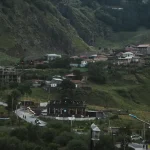
📷 Featured image by Evgeniy Prokofiev on Unsplash.