On this page
- Before You Arrive: Getting to Batumi in 2026
- Day 1: Old City, the Boulevard, and Watching the Sun Drop into the Sea
- Day 2: Mural Districts, the Dolphinarium Waterfront, and the Batumi Art Museum
- Day 3: Botanical Garden, Makhuntseti, and a Last Evening on the Strip
- Where to Eat Across Your Three Days
- Where to Stay: Batumi’s Three Main Zones
- 2026 Budget Breakdown
- Getting Around Batumi
- Practical Tips for Batumi in 2026
- Frequently Asked Questions
💰 Click here to see Georgia Budget Breakdown
💰 Prices updated: August, 2026. Budget figures are estimates — always verify before travel.
Exchange Rate: $1 USD = ₾2.61
Daily Budget (per person)
Shoestring: ₾80.00 – ₾170.00 ($30.65 – $65.13)
Mid-range: ₾150.00 – ₾420.00 ($57.47 – $160.92)
Comfortable: ₾650.00 – ₾1,200.00 ($249.04 – $459.77)
Accommodation (per night)
Hostel/guesthouse: ₾25.00 – ₾50.00 ($9.58 – $19.16)
Mid-range hotel: ₾80.00 – ₾200.00 ($30.65 – $76.63)
Food (per meal)
Budget meal: ₾20.00 ($7.66)
Mid-range meal: ₾40.00 ($15.33)
Upscale meal: ₾100.00 ($38.31)
Transport
Single metro/bus trip: ₾1.00 ($0.38)
Monthly transport pass: ₾40.00 ($15.33)
Batumi in 2026 is not the sleepy Soviet beach town some older blogs still describe. After a wave of construction that finished in 2024 and 2025, the city now has a noticeably more polished seafront, a renovated Old City pedestrian zone, and a crowd that comes from an increasingly wide mix of countries — Turkey, Israel, Kazakhstan, India, and a growing number of Western Europeans who discovered it as a cheaper alternative to the Adriatic. That also means prices have shifted. A three-day visit still offers extraordinary value compared to any Mediterranean coast, but the gap is narrowing, and planning around the crowds — especially in July and August — makes a real difference to your experience.
Before You Arrive: Getting to Batumi in 2026
Batumi International Airport sits about 3 kilometres south of the city centre. In 2025, Wizz Air added a Budapest–Batumi route and extended its Vienna service, and Turkish Airlines now operates a year-round connection through Istanbul. Pegasus, AirArabia, and FlyDubai continue to serve Batumi directly. If you are already in Tbilisi, the Georgian Railway overnight train remains one of the best ways to arrive — it departs Tbilisi Central Station at around 23:30 and pulls into Batumi in the early morning, dropping you fresh at the coast with a full day ahead. In 2026 the journey costs between 35 and 90 GEL depending on class, and the 2025 timetable refresh means the train now arrives roughly 20 minutes earlier than the old schedule. Book tickets through the Georgian Railway website at least two days ahead in summer.
From the airport, a taxi to the city centre costs 15–25 GEL and takes under 10 minutes. Bolt and Yandex both work in Batumi and are cheaper than flagging down a street cab.
Day 1: Old City, the Boulevard, and Watching the Sun Drop into the Sea
Start your first morning in Batumi’s Old City — the compact historic district of pastel-painted balconied houses squeezed between the port and Giorgi Nishnianidze Street. The 2024 pedestrianisation of Konstantine Gamsakhurdia Street added another traffic-free corridor through the neighbourhood, so you can now walk from Piazza Square all the way to the old port area without a car cutting across your path. Wander without a strict agenda for the first hour. The neighbourhood is small enough that getting slightly lost is actually the point — peeling facades, carved wooden balconies, and the occasional fig tree growing from a courtyard wall reward anyone who turns down an unmarked alley.
From the Old City, walk north along Batumi Boulevard. This 7-kilometre-long seafront promenade is the spine of the city’s social life, and the morning hours before 10:00 belong almost entirely to locals — elderly men playing backgammon, joggers, and women selling homemade churchkhela near the fountains. The air carries the faint brine of the Black Sea and the sweetness of freshly cut grass from the boulevard’s maintained lawns.
Spend the afternoon at Batumi’s Piazza — the Italianate square built around a working clock tower. It is unapologetically theatrical and not particularly “Georgian,” but it photographs beautifully and has some of the best cafe terraces in the city for watching the afternoon crowd. By late afternoon, head to the Alphabetic Tower at the northern end of the boulevard for the lift to the viewing platform (15 GEL in 2026). The descent of the sun behind the Turkish coastline to the southwest, turning the Black Sea the colour of hammered copper, is worth every lari.
For dinner on Day 1, walk back into the Old City and eat at one of the chakapuli-and-churchkhela joints on Mazniashvili Street. The restaurant terraces here fill up around 19:30 and the noise of a Batumi summer evening — conversations overlapping in four languages, the clink of wine glasses, someone playing guitar one balcony up — settles into something you will remember.
Day 2: Mural Districts, the Dolphinarium Waterfront, and the Batumi Art Museum
Batumi has quietly become one of the most mural-dense cities in the Caucasus. The area around Gorgiladze Street and the side streets running east from the boulevard between the Sheraton and the old port has accumulated dozens of large-format murals since 2022, with new commissions added in 2025 as part of a city arts initiative. This is a genuinely worthwhile morning walk — not just Instagram fodder. Several of the works engage directly with Georgian and Adjaran history, and reading them alongside the buildings gives the neighbourhood real texture.
By mid-morning, visit the Batumi Art Museum on Rustaveli Square. The collection leans heavily on 19th and early 20th century Georgian painters, and the permanent rooms have been partially re-hung since the 2024 renovation. It is cool, quiet, and one of the few genuinely air-conditioned public spaces in Batumi — a practical blessing in July. Entrance is 15 GEL for adults in 2026.
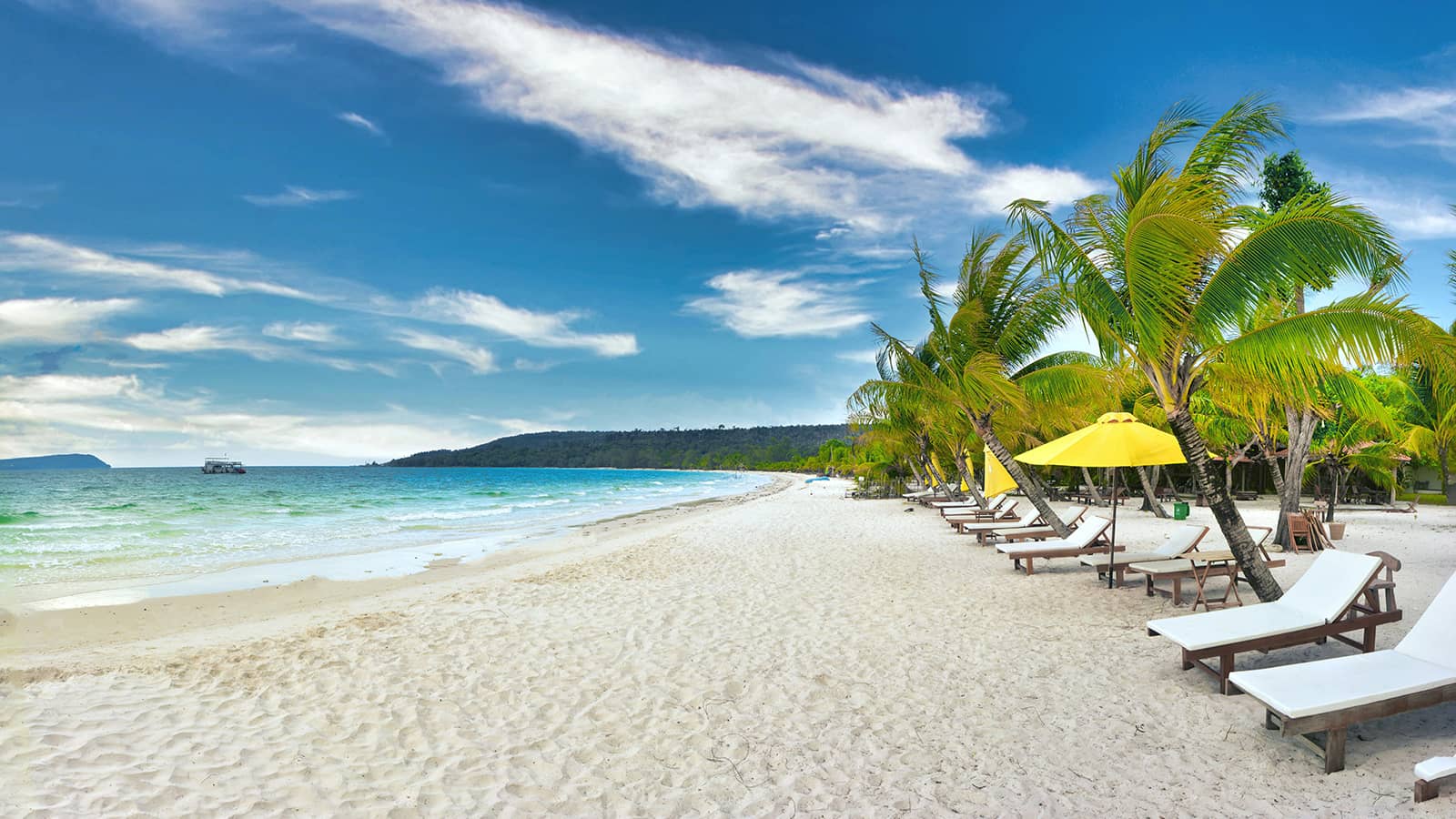
The afternoon belongs to the northern beaches. The pebble beach north of the Sheraton tower is where Batumi’s beach culture actually operates — vendors moving through the rows of sun loungers with corn on the cob, cold beer, and slices of watermelon, the warm Black Sea sitting at a comfortable 24–26°C in peak summer. Sun loungers rent for around 10–15 GEL per day at most concessions. The water is calm inside the artificial breakwaters and deeper almost immediately once you clear them, which makes it better for swimming than it looks.
In the evening, walk or take a short taxi ride to the Batumi Cable Car station near the old port (departure station on Pirosmani Street). The gondola climbs to the Anuria mountain ridge above the city and the view back down over the glittering Black Sea and Batumi’s peculiar skyline — all Soviet blocks and glass towers and casino signs — is genuinely startling. The cable car runs until 24:00 in summer and costs 10 GEL each way. There is a restaurant at the top, but the food is secondary to the experience.
Day 3: Botanical Garden, Makhuntseti, and a Last Evening on the Strip
Leave the city on Day 3 morning. The Batumi Botanical Garden, 8 kilometres north of the centre near Chakvi, is one of the oldest botanical gardens in the former Soviet Union and it remains genuinely spectacular — 108 hectares of subtropical and temperate plantings spread across the hillside above the sea. Entry is 15 GEL. Marshrutka No. 31 from the city centre reaches the garden in about 25 minutes and runs frequently from 09:00. Go early — by midday the paths get busy and the heat in the enclosed subtropical sections becomes intense. The garden’s clifftop section, where the path drops suddenly to reveal an unobstructed view of the Black Sea far below, is one of those moments where you genuinely stop walking.
After the garden, if you have a car or have pre-arranged a tour, Makhuntseti Waterfall in the Adjaran highlands is 50 kilometres east of Batumi. The waterfall — a broad curtain of water dropping 20 metres into a jade-green pool — is impressive enough on its own, but the drive through the sub-alpine Acharistskali River valley, with its wooden bridges and walnut orchards, justifies the journey. A private taxi from Batumi costs 80–120 GEL return. Several half-day tour operators run shared tours from Batumi for 40–60 GEL per person; ask at your accommodation or check the notice boards at the train station.
Be back in Batumi by early evening. Your last night is for the strip — the boulevard after dark, when the fountain shows run on the hour and the Batumi casino hotels throw coloured light across the seafront. It is not subtle. But a long walk from the Alphabetic Tower south to the Old City and back, with a cold Natakhtari beer from a boulevard kiosk in hand, is the right way to close three days on the Black Sea.
Where to Eat Across Your Three Days
Batumi’s food scene concentrates in a few reliable areas. For breakfast, the Bazroba Market on Chavchavadze Street is the most honest eating in the city — open from 07:00, with stalls selling churchkhela, fresh cheese, matsoni with honey, and still-warm bread from nearby tonés. Budget around 10–15 GEL for a full breakfast here.
For lunches and dinners in the Old City, Mazniashvili Street and Konstantine Gamsakhurdia Street have the densest concentration of sit-down restaurants with outdoor terraces. The quality varies, but the Adjaran specialties — Adjarian khachapuri (the boat-shaped version with an egg cracked into the centre), walnut-stuffed dishes, and fresh grilled fish — are consistently better here than at boulevard tourist traps. Expect to pay 25–45 GEL per person for a full meal with wine at a mid-range Old City restaurant.
For the freshest fish in the city, locals go to the informal fish market and grill area near the old port. Buy whole fish by weight (prices vary daily but 20–35 GEL per kilogram is typical in 2026) and the vendors grill it on the spot. Eat at the plastic tables with a glass of local white wine from Adjara — lighter and more acidic than Kakheti wines, and rarely seen outside the region.
For evening drinking, the bar cluster on Lermontov Street in the Old City has expanded since 2024 and now includes several natural wine bars and craft beer spots alongside the older chacha-and-beer joints. It is noisier than it used to be, but the concentration of good options within 200 metres is useful when you only have three nights.
Where to Stay: Batumi’s Three Main Zones
Old City is the best base for first-time visitors on any budget. You are walking distance from the main sights, the restaurants, and the port area. Guesthouses here range from 80–150 GEL per night for a private room in a well-run family-owned place. Small boutique hotels with en-suite rooms and air conditioning run 200–350 GEL. The neighbourhood is dense and occasionally noisy at night — ask for a room facing a courtyard rather than the street if light sleep is important to you.
The Boulevard area (roughly between the Sheraton and the Radisson) is where the international chain hotels and the upscale Georgian-owned properties concentrate. A mid-range hotel here costs 300–500 GEL per night in peak summer. You are on the seafront, which is the point, but you are also in the noisiest and most tourist-dense part of the city. If the budget allows it and you want a true sea-view room, this is where to spend it.
The residential north — the area around Khulo Street and above the botanical garden road — is quieter, cheaper (60–100 GEL for a clean guesthouse room), and 20 minutes by marshrutka from the centre. It suits travellers who want a local neighbourhood feel rather than a hotel strip.
2026 Budget Breakdown
Prices below reflect June–August peak season. Shoulder season (April–May, September–October) runs 15–25% lower across most categories.
- Budget traveller — 100–150 GEL per day: guesthouse bed (40–70 GEL), market breakfasts and simple lunches, one sit-down dinner, marshrutkas and walking, one or two entry fees.
- Mid-range traveller — 200–300 GEL per day: en-suite hotel room (150–200 GEL), restaurant meals twice a day, cable car, Bolt taxis, botanical garden entry, a glass of local wine most evenings.
- Comfortable traveller — 400–600 GEL per day: boulevard hotel with sea view (300–450 GEL), full restaurant meals, guided day trip to Makhuntseti (120–150 GEL for private car), cocktail bars in the evening, no budget anxiety on entry fees or activities.
A full three-day visit to Batumi — accommodation, food, transport, entry fees, and a day trip — runs approximately 350–450 GEL for a budget traveller, 700–900 GEL mid-range, and 1,400–1,800 GEL at the comfortable end. These figures assume solo travel; couples sharing a room bring the per-person cost down noticeably.
Getting Around Batumi
Batumi is a walkable city for most of its central area. The Old City to the Alphabetic Tower is about 4 kilometres along the boulevard — a 50-minute walk that most visitors do at least once. Beyond that distance, marshrutkas cover all the major routes for 1 GEL per ride (exact change or contactless card since 2025). Marshrutka No. 10 runs the boulevard north to south. No. 31 connects the centre to Chakvi and the Botanical Garden. Bolt and Yandex taxis are reliable and cheap — most city rides cost 6–12 GEL. There is no metro in Batumi; the city does not need one at its current scale. The cable car is both transport and attraction: it covers vertical ground efficiently if you want to reach the Anuria ridge without walking uphill for an hour.
Practical Tips for Batumi in 2026
Heat: July and August in Batumi are humid as well as hot — temperatures regularly sit at 32–36°C with high humidity. The sea breeze on the boulevard helps, but midday is not the time for walking exposed streets. Plan museum visits and the botanical garden for morning hours.
Currency: The lari is accepted everywhere. ATMs are plentiful on the boulevard and in the Old City. Currency exchange offices near Piazza Square typically offer slightly better rates than hotel desks. In 2026, most mid-range and upscale restaurants accept card payments; small guesthouses and market stalls remain cash-only.
SIM cards: Magti and Silknet both have retail shops near the train station and in the centre. A tourist SIM with 10GB of data runs 15–25 GEL. Coverage across Batumi city and along the coast to Chakvi is strong on both networks. In the Makhuntseti area, signal drops to one bar or less in several sections of the valley.
Safety: Batumi is a safe city by any reasonable measure. The usual precautions apply — keep phones out of obvious view on the beach, use Bolt rather than unmarked taxis at night, and be aware that the casino district attracts its own specific crowd late at night. The Old City is calm and family-friendly at all hours.
Beach etiquette: Batumi’s beaches are mixed public spaces. Swimwear is normal on the beach and seafront but cover up when walking more than a block or two inland, especially into the Old City or the market area, out of basic respect for local norms.
Frequently Asked Questions
How many days do you need in Batumi?
Three days gives you enough time to cover the Old City, the boulevard, the main cultural sights, the northern beaches, and one day trip into the surrounding landscape. A fourth day adds flexibility for a second excursion or a slower pace, but three days is a genuinely satisfying visit rather than a rushed one.
Is Batumi worth visiting in 2026?
Yes, with realistic expectations. Batumi is not a preserved historic gem — it is a fast-changing Black Sea resort city with a genuine Old City at its core. If you want beaches, good food, dramatic subtropical scenery, and a lively evening atmosphere at a fraction of Mediterranean prices, Batumi delivers clearly in 2026.
What is the best time of year to visit Batumi?
Late May, June, and September are the sweet spots — warm enough to swim (sea temperatures reach 22°C by June), far less crowded than July and August, and cheaper across the board. July and August are peak season with higher prices and busy beaches. October is green, mild, and very quiet, but sea swimming becomes borderline cold.
Can you do a day trip from Tbilisi to Batumi?
Technically yes, but it is not recommended. The train takes 5–6 hours each way, which leaves almost no time in Batumi itself. The overnight train from Tbilisi (arriving morning) and a return daytime train or flight works better as a two- or three-night trip. Batumi is too far from Tbilisi for a practical same-day return visit.
Is Batumi expensive compared to the rest of Georgia?
Batumi runs about 20–30% more expensive than Tbilisi for accommodation in peak summer, and seafront restaurants charge a noticeable premium over equivalent quality inland. Markets, marshrutkas, and everyday food costs stay close to Georgian national averages. It is still dramatically cheaper than any comparable Black Sea or Mediterranean beach destination in Europe.