On this page
- What Makes St. Simons Island Worth the Trip
- Best Areas to Base Yourself
- Top Things to Do on St. Simons Island
- Where to Eat and Drink
- Getting to St. Simons Island
- Getting Around the Island
- Day Trips from St. Simons Island
- Beaches and Outdoor Life
- Nightlife and Evening Entertainment
- Shopping on St. Simons Island
- Best Time to Visit St. Simons Island
- Budget Breakdown for St. Simons Island
- Practical Tips for Visiting in 2026
- Frequently Asked Questions
💰 Click here to see Georgia Budget Breakdown
💰 Prices updated: October, 2026. Budget figures are estimates — always verify before travel.
Exchange Rate: $1 USD = ₾2.60
Daily Budget (per person)
Shoestring: ₾70.00 – ₾130.00 ($26.92 – $50.00)
Mid-range: ₾180.00 – ₾350.00 ($69.23 – $134.62)
Comfortable: ₾500.00 – ₾1,000.00 ($192.31 – $384.62)
Accommodation (per night)
Hostel/guesthouse: ₾30.00 – ₾60.00 ($11.54 – $23.08)
Mid-range hotel: ₾110.00 – ₾200.00 ($42.31 – $76.92)
Food (per meal)
Budget meal: ₾15.00 ($5.77)
Mid-range meal: ₾35.00 ($13.46)
Upscale meal: ₾100.00 ($38.46)
Transport
Single metro/bus trip: ₾1.00 ($0.38)
Monthly transport pass: ₾40.00 ($15.38)
St. Simons Island keeps showing up on “hidden gem” lists, which is almost ironic — it has a lighthouse that’s been standing since 1872 and a main village that gets genuinely crowded in July. The real 2026 travel problem isn’t finding it. It’s knowing how to experience it without spending four days in the same two-block tourist loop. This guide cuts past the brochure version and tells you what the island actually offers, area by area, hour by hour.
What Makes St. Simons Island Worth the Trip
St. Simons is one of Georgia’s four Golden Isles — along with Jekyll Island, Little St. Simons, and Sea Island — and it’s the most accessible and most lived-in of the group. Unlike resort-only Sea Island or the state-managed Jekyll, St. Simons has actual residents, a genuine local economy, and neighborhoods that function beyond tourist season. That mix of real-town and beach destination is what gives it its particular character.
The island sits off the coast of Brunswick, connected by a causeway. It’s flat, heavily forested with live oaks draped in Spanish moss, and cut through with marshland that turns gold at low tide. The light here is famous among photographers — that soft, amber coastal Georgia glow that hits the marsh grass around 5 PM and makes everything look like a painting that’s been left in the sun too long.
In 2026, St. Simons has leaned further into sustainable and slow tourism, with the Golden Isles CVB actively promoting off-peak visits and nature-based experiences over mass beach tourism. The island feels less crowded in spring and autumn than it did even three years ago, partly because Jekyll Island has absorbed more of the family resort traffic since its conference center expansion.
Best Areas to Base Yourself
Pier Village and the Village Area
This is the social center of the island — a compact cluster of restaurants, shops, and bars within walking distance of the fishing pier. It suits travelers who want to walk everywhere, eat well without getting in a car, and have evening options within stumbling distance. The lighthouse is a five-minute walk. Accommodation here runs mid-range to upper-mid-range. It’s lively in summer and pleasantly quiet from November through February.
East Beach
The quieter residential stretch on the island’s eastern Atlantic-facing side. This is where you stay if you want a beach house feel, morning walks with almost no one around, and a 10-minute bike ride into the Village when you want food or company. It suits couples, families with young children, and anyone prioritizing beach access over walkable nightlife.
Retreat and North End
The northern part of the island is dominated by the Sea Island Golf Club’s public-access courses, large private homes, and marshfront properties. It’s quieter, more upscale, and further from everything — best suited to golfers or travelers renting a house for a week and wanting complete separation from the tourist core.
Top Things to Do on St. Simons Island
St. Simons Lighthouse and Museum
Built in 1872 on the site of an earlier lighthouse destroyed in the Civil War, this is one of the best-preserved coastal lighthouses on the East Coast. You can climb all 129 steps to the top for views across the marshes to Jekyll Island and the Atlantic. The Museum of Coastal History in the keeper’s cottage next door is small but well-curated. Entry is around $15 USD for adults. Go early on weekday mornings — by 11 AM in summer it gets a queue.
Fort Frederica National Monument
This is where the story of colonial Georgia actually happened. Fort Frederica was established by James Oglethorpe in 1736 and was the site of the Battle of Bloody Marsh in 1742, which effectively ended Spanish attempts to take Georgia. The ruins are atmospheric — tabby walls slowly being reclaimed by vegetation, interpretive signs that don’t talk down to you, and a stretch of the original town grid you can walk. The National Park Service manages the site; entry is $10 USD. It’s the most historically significant site in the Golden Isles and consistently undervisited compared to the lighthouse.
Neptune Park and the Fishing Pier
Neptune Park is the island’s main public green space next to the Village — a large lawn with a pool, miniature golf, and access to the fishing pier. The pier itself is free to walk and gives you the best unobstructed view back toward Brunswick and the marshes. In the evenings, locals actually fish from it. It’s one of those genuinely pleasant public spaces that hasn’t been over-commercialized.
Kayaking the Marshes
The salt marshes surrounding St. Simons are part of one of the largest intact saltmarsh ecosystems on the US East Coast. Several outfitters run guided kayak tours through the tidal creeks — Golden Isles Kayak and Coastal Georgia Outdoor Center both operate regularly in 2026. A two-hour guided tour runs around $65–75 USD per person. The experience of paddling through corridors of eight-foot spartina grass at high tide, with oystercatchers calling overhead, is the kind of thing people describe as a trip highlight when they weren’t expecting it to be.
Where to Eat and Drink
The Village area contains the island’s highest density of restaurants, and most visitors eat within three blocks of the pier. That concentration means competition is real and quality is generally solid, but you’ll get better value and more interesting food by looking slightly off the main strip.
4th Street Filling Station operates out of a converted service station on Beachview Drive and does the best fish tacos on the island — the grilled mahi version with mango slaw has a clean, bright flavor that doesn’t hide behind heavy sauce. Order at the counter and eat outside.
Brogen’s South on Mallery Street is the go-to for casual seafood — shrimp baskets, crab stew, cold beer on a covered porch. It’s loud, unpretentious, and full of actual islanders at lunch. The she-crab soup is legitimately good and worth ordering even in warm weather.
For coffee, Cafe Frederica on Frederica Road does the morning ritual properly — good espresso, local pastries, and a back porch that’s shaded by oaks until almost noon. It’s where you go before Fort Frederica, which is just up the road.
The island’s farmers market runs on Saturday mornings at Postell Park and has expanded since 2024 to include prepared food vendors, local honey, and coastal Georgia produce. It runs roughly 9 AM to 1 PM from spring through autumn.
Getting to St. Simons Island
Most travelers arrive by car. The island connects to the mainland via the F.J. Torras Causeway from Brunswick — there’s no toll in 2026 (the toll was removed permanently in 2019 and the causeway remains free). The drive itself across the marshes is scenic and acts as a gentle decompression from whatever highway you came in on.
The nearest major airport is Jacksonville International (JAX) in Florida, about 75 kilometres south — roughly 75 minutes by car. Jacksonville has direct flights from most major US cities and some international connections. Savannah/Hilton Head International (SAV) is about 115 kilometres north, also around 90 minutes. SAV has expanded its direct routes significantly since 2024, with new connections from Chicago, Boston, and Toronto making it a strong option for international visitors.
There is no commercial ferry or water taxi to St. Simons. You need a car or a rideshare from Brunswick. Lyft and Uber operate in the Brunswick/Golden Isles area, but coverage is thinner than in a major city — expect 10–15 minute wait times outside peak hours.
Getting Around the Island
St. Simons is flat and largely bike-friendly, which makes cycling the best transport option for anyone staying in the Village or East Beach areas. The island has a dedicated multi-use path system that runs along Demere Road, Ocean Boulevard, and several connecting trails. Barry’s Beach Service and several Village shops rent bikes by the hour or day — expect around $25–35 USD per day for a standard cruiser.
Golf carts are legal on island roads with speed limits under 35 mph and have become increasingly popular as a rental option since 2023. Several outfitters near the Village rent them by the half-day or full day ($80–120 USD). They’re genuinely useful for getting between the Village and Fort Frederica without needing a car.
The Golden Isles Transit system runs a limited bus route through the island connecting the Village with the Glynn County area and Brunswick. It’s functional but infrequent — not reliable for spontaneous movement. Most visitors either rent a car, bike, or use rideshare for anything beyond walking distance of their accommodation.
Day Trips from St. Simons Island
Jekyll Island — 25 Minutes by Car
Georgia’s state-owned barrier island is a 20-minute drive south via the Jekyll Island Causeway ($8 USD day pass required). Jekyll has better bike infrastructure than St. Simons, a historic district with the Gilded Age “cottages” of the Jekyll Island Club, and quieter beaches. It’s a full day easily, especially if you add the Georgia Sea Turtle Center.
Cumberland Island — Half-Day to Full Day
America’s largest undeveloped barrier island is accessible only by ferry from St. Marys, Georgia — about 70 kilometres south of St. Simons. The National Park Service ferry runs twice daily (reservations essential; they fill weeks ahead in spring). Cumberland has wild horses, ruins of the Carnegie family’s Dungeness mansion, and beaches with almost no development. It’s the most dramatically different experience available from St. Simons, and completely worth the logistics.
Savannah — 90 Minutes North
Savannah is a legitimate day trip — historic squares, the River Street waterfront, good food, excellent museums. The drive on I-95 is straightforward. Go on a weekday if possible; Savannah’s tourist district on weekend afternoons in summer is extremely crowded. Start by 9 AM, park near Forsyth Park, and work your way north through the squares.
Okefenokee Swamp — 2 Hours West
The Okefenokee National Wildlife Refuge is one of the largest blackwater swamp ecosystems in North America and sees a fraction of the visitors it deserves. The Stephen C. Foster State Park entrance is the most atmospheric. Canoe rentals, alligator sightings virtually guaranteed, and a landscape unlike anything else in the region. It’s a long day from St. Simons but absolutely worth it for nature travelers.
Beaches and Outdoor Life
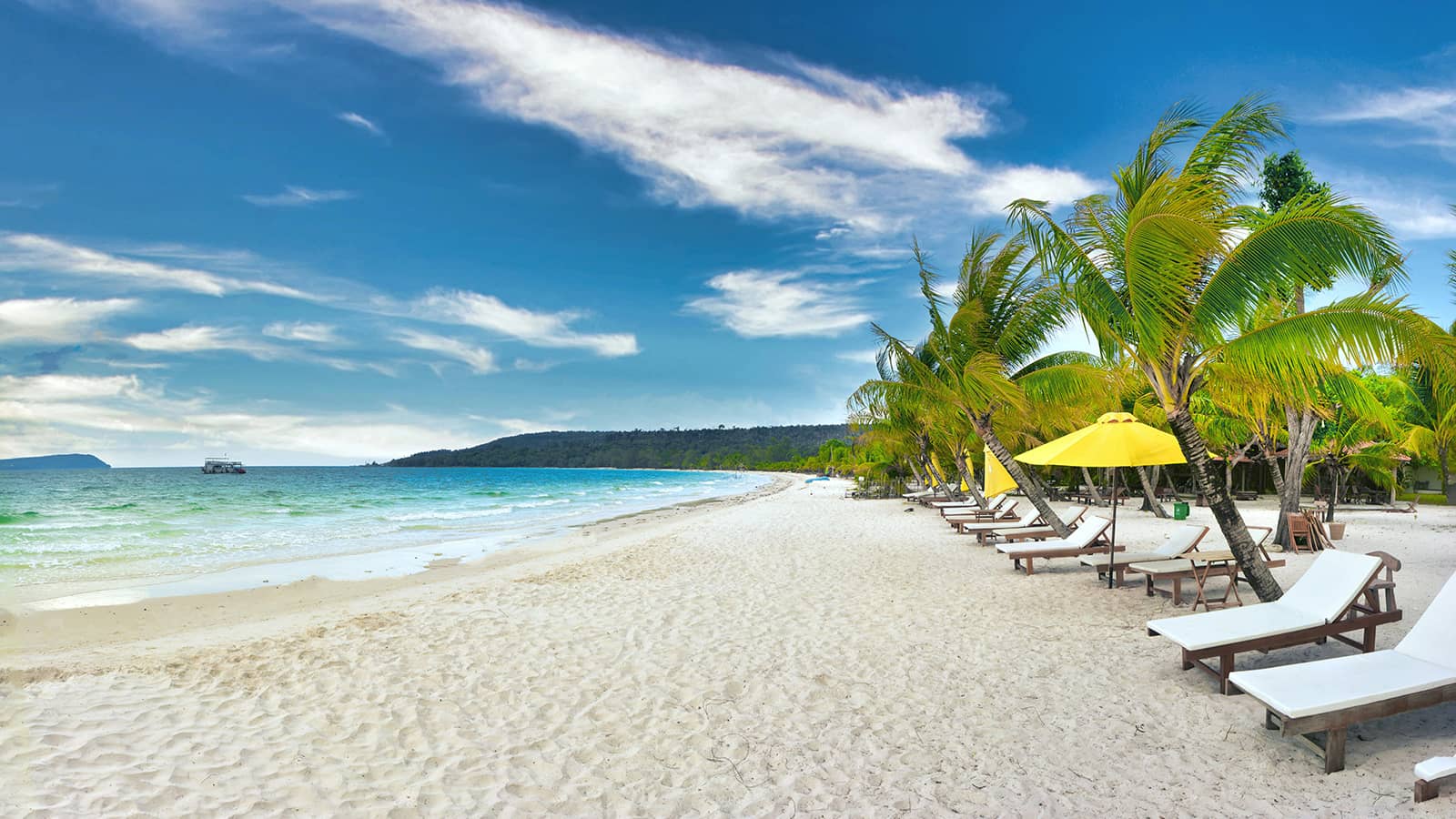
East Beach is the island’s primary Atlantic-facing beach — a wide, gently sloping stretch of hard-packed sand that runs for about three kilometres. The water is warm from late May through October (reaching 28–29°C at peak summer). The surf is mild, making it suitable for swimming, paddleboarding, and young children. The beach itself is free and public; parking at the East Beach parking area costs $5 USD per day.
Massengale Park at the south end of Ocean Boulevard has public restrooms, a shaded picnic area, and a beach access that’s noticeably less crowded than the main East Beach lot. It’s also the best spot on the island for watching the sun come up over the Atlantic — the beach faces slightly southeast, and the light arrives clean and unobstructed over the water.
Birding on St. Simons is exceptional. The marshes attract painted buntings (April–August), oystercatchers, roseate spoonbills, and Wilson’s plovers. The nature trail at the southern tip of the island near the lighthouse is particularly productive at dawn. Bring binoculars — the scrub habitat transitions to open marsh within 200 metres and gives you multiple habitat types in a short walk.
Nightlife and Evening Entertainment
St. Simons is not a party destination. The evening scene is relaxed, music-forward rather than club-focused, and winds down early by the standards of somewhere like Savannah or Charleston. That’s not a criticism — it fits the island’s pace perfectly.
Rafters Blues Bar on Mallery Street is the live music anchor of the Village, with bands playing most Thursday through Saturday evenings. The space is small, the sound is decent, and the crowd is genuinely mixed between tourists and locals who’ve been coming for years. Covers vary but rarely exceed $10 USD.
The pier area at sunset is a social event in itself — people gather on Neptune Park’s lawn with takeout and drinks from nearby shops. In summer this happens organically every clear evening around 8 PM and requires no planning or reservation.
Village Pub on Mallery is the most reliably open late-night option, with a beer selection heavier on craft regional options than national chains, and an outdoor patio that stays pleasant into October. It’s where the post-dinner overflow from the Village restaurants gravitates.
Shopping on St. Simons Island
The Village area has a solid concentration of independent retailers that goes beyond the usual beach-town souvenir loop. Beachview Books on Beachview Drive is a well-stocked independent bookstore with a strong Georgia authors section and staff who actually make recommendations worth following. It’s the kind of bookshop that earns its place on a trip.
Golden Isles Arts and Humanities on Mallery runs a gallery that represents local coastal Georgia artists — seascapes and marsh paintings with genuine technical skill rather than the mass-produced variety. Prices range from affordable prints to original works, and you can find something good for under $100 USD if you’re not looking for a large canvas.
For locally made goods, the Saturday farmers market at Postell Park covers the basics — honey, preserves, ceramics, handmade jewelry. The island also has several antique and vintage shops along Frederica Road worth an hour if that’s your thing.
Best Time to Visit St. Simons Island
Spring (March–May) is the strongest all-around season. Temperatures sit between 18–26°C, humidity is low by Georgia standards, the beach is uncrowded, and wildflowers are at their best in the maritime forest. Painted buntings begin arriving in April. This is the season serious visitors choose.
Summer (June–August) is peak season with good reason — water temperatures are ideal for swimming, evening outdoor dining is pleasant, and the island has the most activity. But temperatures reach 33–35°C with high humidity, afternoon thunderstorms are near-daily in July and August, and accommodation prices hit their ceiling. The beach is never overwhelmingly crowded by resort standards, but the Village gets busy on weekends.
Autumn (September–November) is increasingly popular and for good reason. Humidity drops dramatically in October, temperatures are 20–27°C, and accommodation rates fall 20–30% from summer peaks. Sea turtle nesting season runs May through October, and the hatching activity in September can be observed through organized night walks run by the Jekyll Island sea turtle program (which also covers St. Simons beaches).
Winter (December–February) is quiet, with temperatures ranging 10–18°C. The Village maintains enough open businesses to be functional, and some travelers specifically choose January for the complete lack of crowds. It’s not beach weather but it’s fine walking weather.
Budget Breakdown for St. Simons Island
St. Simons prices are in US dollars (USD). For Georgian travelers visiting from Georgia (the country), the 2026 exchange rate sits at approximately 1 USD = 2.72 GEL, though this fluctuates. All prices below are in USD with approximate GEL equivalents.
Budget Tier — $120–160 USD per day (approximately 326–435 GEL)
- Accommodation: Budget motels or hostel-style rooms in Brunswick on the mainland, $70–90/night
- Food: Counter-service meals, market breakfast, one sit-down lunch — $30–40/day
- Activities: Lighthouse entry, free beach access, free pier walking — $15–20/day
- Transport: Own car (fuel costs for driving on island are minimal given distances)
Mid-Range — $220–300 USD per day (approximately 598–816 GEL)
- Accommodation: Village-area inn or vacation rental on St. Simons — $140–180/night
- Food: Two restaurant meals plus coffee and snacks — $70–90/day
- Activities: Kayak tour, lighthouse, bike rental — $60–80/day
Comfortable — $400–600+ USD per day (approximately 1,088–1,632 GEL)
- Accommodation: Oceanfront vacation home or upscale inn — $300–450/night
- Food: Full restaurant dinners with wine, brunch spots — $120–150/day
- Activities: Golf, private boat charter, spa — $150–200+/day
Practical Tips for Visiting in 2026
Safety: St. Simons is extremely safe. The main practical hazard is sun exposure — the coastal Georgia summer sun is intense, and the breeze off the ocean makes it easy to underestimate. SPF 50 minimum, reapply every 90 minutes at the beach.
Tipping: Standard US tipping culture applies — 18–20% at restaurants, $1–2 per drink at bars, $2–5 per bag for hotel porters. This is non-negotiable by local social custom.
Water: Tap water is safe to drink throughout Glynn County. Carry a reusable bottle — the island is actively reducing single-use plastic, and refill stations are available at Neptune Park and East Beach.
Connectivity: Cell coverage on St. Simons is solid with all major US carriers. If visiting from Georgia (the country), a US SIM card from T-Mobile or AT&T available at the Jacksonville or Savannah airport gives the best coverage in this coastal area.
Insects: No-see-ums (tiny biting midges) are a real factor at dawn and dusk near the marshes from May through October. They come through standard window screens. A DEET-based repellent or Picaridin spray handles them effectively. Don’t skip this step.
Frequently Asked Questions
Is St. Simons Island worth visiting?
Yes, particularly for travelers who want a coastal destination with genuine history, outdoor activities, and a functioning local community rather than a purely resort experience. The combination of Fort Frederica, accessible marshland kayaking, a real village core, and easy day trips to Jekyll and Cumberland makes it one of the most well-rounded barrier island destinations on the US East Coast.
How many days do you need on St. Simons Island?
Three full days covers the core island experiences comfortably — lighthouse, Fort Frederica, East Beach, marshland kayaking, and proper Village eating. Four or five days allows a day trip to Cumberland Island or Savannah without feeling rushed. A long weekend (Friday arrival to Sunday departure) works if you’re focused.
What is the best beach on St. Simons Island?
East Beach is the primary Atlantic-facing beach and the best for swimming and general beach use. The southern access near Massengale Park is less crowded than the main East Beach parking area. For a wilder, more isolated experience, the beaches at the southern tip near the lighthouse see fewer visitors and have more shorebird activity.
Can you visit St. Simons Island without a car?
It’s possible but limiting. The causeway from Brunswick has no pedestrian or cycling crossing, so you’ll need a car, rideshare, or shuttle to reach the island. Once on-island, the Village area and East Beach are bikeable, and bike rentals are available. For day trips to Jekyll or Cumberland, a car becomes more or less essential.
When should you avoid St. Simons Island?
Late July and the first two weeks of August see the highest prices, most crowds, and most intense heat and humidity. If you’re sensitive to heat or want quieter beaches, this window is genuinely the weakest time to visit. Spring break weeks in March and early April also bring heavier family traffic to the Village area and Pier.
📷 Featured image by Michael Chambers on Unsplash.