On this page
- Why Georgia Works So Well for Couples
- Sighnaghi: The City of Love in the Alazani Valley
- Batumi: Seaside Romance on the Black Sea
- Mestia and the Svaneti Highlands: Romance at Altitude
- Tbilisi’s Most Romantic Corners: The Capital for Couples
- Borjomi and Bakuriani: Mountain Spas and Forest Walks
- Telavi and the Kakheti Wine Country: Vineyards, Estates, and Candlelit Cellars
- Getting Around Georgia as a Couple
- Budget Breakdown for a Romantic Trip in Georgia
- Best Time to Plan a Romantic Escape to Georgia
- Practical Tips for Couples Traveling Georgia in 2026
- Frequently Asked Questions
💰 Click here to see Georgia Budget Breakdown
💰 Prices updated: October, 2026. Budget figures are estimates — always verify before travel.
Exchange Rate: $1 USD = ₾2.60
Daily Budget (per person)
Shoestring: ₾70.00 – ₾130.00 ($26.92 – $50.00)
Mid-range: ₾180.00 – ₾350.00 ($69.23 – $134.62)
Comfortable: ₾500.00 – ₾1,000.00 ($192.31 – $384.62)
Accommodation (per night)
Hostel/guesthouse: ₾30.00 – ₾60.00 ($11.54 – $23.08)
Mid-range hotel: ₾110.00 – ₾200.00 ($42.31 – $76.92)
Food (per meal)
Budget meal: ₾15.00 ($5.77)
Mid-range meal: ₾35.00 ($13.46)
Upscale meal: ₾100.00 ($38.46)
Transport
Single metro/bus trip: ₾1.00 ($0.38)
Monthly transport pass: ₾40.00 ($15.38)
Georgia has been quietly earning a reputation as one of the most romantic destinations in the Caucasus region — and in 2026, that reputation is no longer quiet. With new direct flight routes into both Tbilisi and Kutaisi from cities across Europe and the Gulf, and with upgraded guesthouses and boutique hotels now scattered across the country, couples are arriving in far greater numbers than even three years ago. The challenge now isn’t convincing anyone that Georgia is worth the trip. It’s choosing which part of this deeply varied country to give your limited holiday time to.
Why Georgia Works So Well for Couples
Georgia is compact enough to move between dramatically different landscapes within a single day, yet unhurried enough that you never feel rushed. That combination is rare. A couple can wake up in a candlelit guesthouse in the Kakheti wine region, spend the afternoon on a vineyard tasting terrace, and be in Tbilisi’s Old Town by evening. Or they can go the other direction entirely — ancient stone towers in the Caucasus Mountains, thermal springs in a forest valley, a beach town on the Black Sea.
The food and wine culture adds another layer. Sharing a long Georgian table — supra style — with a generous host, local wine poured freely, bread torn from a clay oven, is an experience that tends to bring people closer together. Georgians are genuinely warm hosts, and that warmth is not performative. It’s structural to the culture.
In 2026, Georgia’s e-visa system covers over 100 nationalities, and the process takes as little as three business days. Arriving as a couple has never been administratively simpler.
Sighnaghi: The City of Love in the Alazani Valley
Sighnaghi has been called Georgia’s “City of Love” for years, and it earns that title more through atmosphere than marketing. The town sits on a hilltop above the Alazani Valley, ringed by an 18th-century fortress wall you can walk along, with the Greater Caucasus mountains visible on clear days across the plains. The streets are narrow, cobbled, and lined with balconied houses painted in peeling blues and ochres. In the late afternoon, when the light goes golden over the valley and the shadows lengthen across the rooftops, it’s genuinely beautiful in a way that doesn’t feel staged.
The town’s small scale is part of the appeal. There are no major roads to cross, no traffic noise. You can walk the entire perimeter wall in under two hours. The main square has a handful of wine bars and restaurants where you can sit outside with a glass of amber wine and watch almost nothing happen — which, for a romantic escape, is exactly the point.
Sighnaghi is also home to one of Georgia’s more unusual romantic quirks: a 24-hour marriage registry. Couples can get legally married here at any hour, which draws a steady trickle of Georgian couples eloping. It adds a kind of romantic gravity to the whole town.
Stay in one of the boutique guesthouses along the fortress wall for the best views. Rooms at mid-range properties run between 180–300 GEL per night in 2026, and breakfast is almost always included, usually featuring fresh churchkhela, local honey, and matsoni.
Batumi: Seaside Romance on the Black Sea
Batumi is Georgia’s coastal city, and it operates on a different frequency from the rest of the country. It’s louder, more energetic, more international, and in summer it buzzes with a genuine beach-town electricity. For couples who want romance with a pulse — seafront walks at night, rooftop bars with Bosphorus-adjacent humidity, the smell of saltwater mixed with grilling fish — Batumi delivers.
The Batumi Boulevard stretches along the Black Sea coast for several kilometres and is best walked in the evening when the heat softens and the city lights come on. The old botanical garden above the city is quieter and greener, with sea views through the eucalyptus trees. The Old Town quarter has narrow streets, boutique wine bars, and a cluster of restaurants that are genuinely good rather than tourist-facing.
For couples, Batumi works best in late spring (May–June) or early autumn (September–October) when the sea is warm but the crowds have thinned. Peak July-August is loud and expensive by Georgian standards. New direct flights from Dubai, Warsaw, and Istanbul in 2026 have made Batumi even more accessible as a standalone destination rather than just an add-on to a Tbilisi trip.
Mid-range hotels on the seafront run 250–450 GEL per night. The boutique options in the Old Town offer more character for similar prices.
Mestia and the Svaneti Highlands: Romance at Altitude
Svaneti is not for every couple. The road from Zugdidi climbs dramatically, the villages are remote, and the infrastructure — while much improved since 2022 — is still rustic in places. But for couples who find romance in wildness, in the crunch of gravel underfoot on a mountain trail, in the sight of medieval stone towers rising against a sky so blue it seems artificial, Svaneti is unlike anywhere else on earth.
Mestia is the main hub, and it has grown considerably in 2026. There are proper boutique guesthouses now, a handful of good restaurants serving Svan-style food, and reliable hot water in most places. The Svaneti Museum of History and Ethnography is small but worth an hour. But the real reason to come is the landscape — glaciers, high passes, ancient towers, and trails that seem to go on indefinitely into the mountains.
The most romantic moment in Mestia is early morning, when mist sits in the valleys between the towers and the first light catches the snow on Mount Ushba. Standing in that stillness together, with the cold air sharp against your face and the silence broken only by distant cowbells, is the kind of experience that lodges itself permanently in memory.
Fly from Tbilisi to Mestia in 35 minutes on Vanilla Sky’s scheduled flights (check current timetables as schedules adjust seasonally). Or take the overnight marshrutka from Zugdidi for the full mountain-road experience. Budget guesthouses in Mestia run 80–150 GEL per night; mid-range boutique options 200–350 GEL.
Tbilisi’s Most Romantic Corners: The Capital for Couples
Tbilisi doesn’t market itself as a romantic destination, which is partly why it works so well as one. The city is textured, layered, and full of accidental beauty — a carved wooden balcony draped in wisteria, a courtyard hidden behind a rusted gate, the sulfur baths of Abanotubani steaming quietly at dusk in the shadow of the Narikala fortress.
For couples, the most atmospheric parts of the city are the Old Town (particularly the streets around Leselidze and Shardeni), the Metekhi cliff overlooking the Mtkvari River, and the cable car ride up to Narikala, which gives a sweeping view over the entire old city and the river below. The Fabrika complex in Chugureti is the best spot for an evening drink — outdoor seating, local wine bars, and a creative crowd that makes the atmosphere genuinely lively without being overwhelming.
The Abanotubani sulfur baths are worth considering for couples. Private bath rooms can be rented by the hour, and the mineral-rich water — which has a distinct warmth and a faint sulfur edge — is a genuinely relaxing shared experience. Private rooms run from 60–120 GEL per hour depending on the bathhouse.
Tbilisi in 2026 has also expanded its metro system, making it easier to get between the Old Town, Rustaveli Avenue, and Vake without a taxi. The new Dighomi line extension opened in late 2025, though for romantic purposes, most of the city’s best areas are within comfortable walking distance of each other.
Borjomi and Bakuriani: Mountain Spas and Forest Walks
Borjomi sits in a narrow gorge in the Samtskhe-Javakheti region, famous across the former Soviet world for its mineral water. The town itself is modest, but the gorge it occupies is strikingly beautiful — forested slopes rising steeply on both sides, the Mtkvari River running cold and clear through the center. The main park has a natural mineral spring where you can fill a cup directly, and the water’s distinct iron-and-mineral taste is either immediately loved or politely avoided.
For couples, Borjomi works as a base for forest walks, thermal pools, and a distinctly unhurried pace. The Romanovs had a summer palace here, and the area retains a certain faded grandeur that gives it a melancholy, atmospheric beauty. Nearby Bakuriani is a ski resort town that in winter offers a genuinely cozy mountain-retreat experience — small chalets, snow-covered pine forests, wood fires, and reasonable prices compared to Alpine alternatives.
The Borjomi–Bakuriani narrow-gauge railway, one of Georgia’s most scenic train rides, connects the two towns. It runs slowly through forest and meadow and takes about three hours — not the most efficient way to travel, but very much the point of it.
Telavi and the Kakheti Wine Country: Vineyards, Estates, and Candlelit Cellars
Kakheti is Georgia’s primary wine region, and Telavi is its main city — a relaxed, tree-lined town with a functioning old quarter, a fortress, and a sprawling plane tree said to be over 900 years old. But the draw for couples is not really Telavi itself. It’s what lies around it: dozens of family wineries, estate guesthouses set in vineyard gardens, and the broader landscape of the Alazani Valley, which on a clear day with the Caucasus rising behind it is one of the most beautiful agricultural landscapes in the region.
Wine tasting in Kakheti is not the manicured, scripted experience of Napa or Tuscany. You’re usually tasting in someone’s basement cellar or a converted barn, with the family dog wandering in and the winemaker’s elderly father appearing to pour another glass. It’s genuinely warm and unpolished in the best possible way. The amber wines — made from white grapes fermented with their skins in traditional clay qvevri buried underground — have a depth and complexity that rewards slow attention.
For couples, the best approach in Kakheti is to book two or three nights at an estate guesthouse, rent a car or hire a driver for 150–200 GEL per day, and spend the days moving between wineries at a relaxed pace. Tsinandali, Château Mere, and Shumi are among the larger estates with proper tasting facilities; dozens of smaller family producers offer more intimate experiences if you call ahead.
Getting Around Georgia as a Couple
Georgia’s transport network has improved substantially, but for romantic travel between regions, a hired driver or rental car gives the most flexibility. Marshrutkas (shared minibuses) are cheap and frequent but operate on their own schedule. Taxis between cities are negotiable and often surprisingly affordable if agreed in advance — a Tbilisi to Sighnaghi taxi runs around 80–120 GEL each way.
Georgian Railway’s Tbilisi–Batumi overnight train remains one of the most enjoyable ways to travel between the capital and the coast. Book a two-berth private compartment (coupe) for around 70–100 GEL per person in 2026. The train departs Tbilisi Central in the evening and arrives in Batumi in the morning — you sleep through the journey and wake up on the Black Sea.
Tbilisi’s metro is efficient for getting around the capital. New route expansions in 2025 added coverage to areas that previously required taxis. Bolt and Yandex both operate reliable ride-hailing services throughout Tbilisi and Batumi at very reasonable rates — typical city rides run 8–20 GEL.
Budget Breakdown for a Romantic Trip in Georgia
Georgia remains excellent value in 2026, even with modest price increases across accommodation and dining in the more popular tourist areas.
- Budget tier (per couple, per day): 150–250 GEL. Guesthouse accommodation, local restaurants, marshrutka transport, wine from a supermarket or family producer.
- Mid-range tier (per couple, per day): 350–600 GEL. Boutique guesthouse or 3-star hotel, restaurant meals with wine, private taxi transfers, a winery visit or spa session.
- Comfortable tier (per couple, per day): 700–1,200 GEL. Boutique hotel with views, set-menu dinners at better restaurants, private driver for day trips, sulfur bath private room, vineyard estate stays.
A typical romantic long weekend in Georgia — say, two nights in Sighnaghi and two nights in Tbilisi — can be done comfortably for around 2,000–3,000 GEL for two people including transport, accommodation, food, wine, and one or two paid experiences. That’s a serious value proposition against comparable European destinations.
Best Time to Plan a Romantic Escape to Georgia
The two best seasons for a romantic trip to Georgia are late spring (May–June) and early autumn (September–October).
May and June bring warm temperatures, wildflowers across the mountain meadows, and the vineyards in full leaf. Crowds are present but manageable. Accommodation is easier to book than in August.
September and October are arguably the most atmospheric months. Rtveli — the grape harvest — runs through September and into October in Kakheti, and the entire region smells of fermenting must, with tractors loaded with grapes moving along country roads and family wineries open and active. The light is golden, the temperatures are comfortable (18–24°C in the valleys), and Sighnaghi in particular is at its most beautiful.
Winter (December–February) works well for Svaneti, Bakuriani, and Gudauri if skiing or snow landscapes are appealing. Tbilisi in winter is atmospheric but cold, and some guesthouses in smaller towns close or reduce service.
July and August are peak season everywhere. Batumi gets very crowded and expensive. Svaneti and the mountains are busy with hikers. Tbilisi gets genuinely hot (35–38°C). Not the ideal choice for a romantic escape unless you have very specific reasons.
Practical Tips for Couples Traveling Georgia in 2026
- SIM cards: Pick up a Magti or Silknet SIM at Tbilisi or Kutaisi airport on arrival. A data-heavy tourist SIM runs around 20–35 GEL for 30 days. Coverage in Svaneti and remote mountain areas is still limited.
- Language: Georgian script is its own alphabet and takes time to learn to read. English is widely spoken in Tbilisi, Batumi, and tourist-facing businesses in Sighnaghi and Telavi. In smaller villages, Russian is often more useful as a second language than English.
- Tap water: Safe to drink in Tbilisi and most cities. In mountain villages, ask at your guesthouse to confirm.
- Tipping: Not automatic in Georgia. 10% is a genuine compliment at a restaurant. Drivers and guides appreciate 15–20 GEL on top of the agreed fare for good service.
- Safety: Georgia is a very safe country for tourists, including couples and solo travelers. Street crime targeting visitors is rare. Standard urban awareness applies in Tbilisi.
- Dress: If visiting churches or monasteries together — and there are extraordinary ones throughout the country — women should cover their heads and shoulders. Scarves are often available at the entrance, but carrying your own is more reliable.
- Booking ahead: In peak season and especially around Rtveli in Kakheti, book accommodation at least four to six weeks in advance. Boutique properties in Sighnaghi fill up fast in October.
Frequently Asked Questions
What is the most romantic destination in Georgia for a first visit?
Sighnaghi is the easiest first choice — it’s small, walkable, beautiful, and close enough to Tbilisi (about 1.5 hours by car) to combine with a few days in the capital. Kakheti wine country surrounds it, giving you vineyard visits without needing to travel far. It suits couples who want atmosphere without complexity.
Is Georgia an affordable destination for couples in 2026?
Yes, very much so. A mid-range romantic trip — boutique accommodation, restaurant meals, wine, and private transport — runs around 350–600 GEL per couple per day. Compared to Western European equivalents, Georgia offers significantly better value. Budget couples can travel comfortably for 150–250 GEL per day combined.
How many days do couples typically need in Georgia?
Seven to ten days allows you to cover two or three regions properly without rushing. A long weekend (four days) works well if you base yourself in one area, such as Tbilisi plus Sighnaghi, or Batumi alone. Less than three days doesn’t give you enough time to settle into Georgia’s pace.
Can couples get married in Georgia as visitors?
Yes. Foreign nationals can legally marry in Georgia. Sighnaghi’s 24-hour marriage registry is the most famous option, though Tbilisi also has civil registry offices. You’ll need valid passports, proof that you’re both single (a certificate of no impediment from your home country), and a small administrative fee. Arrangements typically take a few days to process.
What is the best way to travel between romantic destinations in Georgia as a couple?
Hiring a private driver for full-day trips (150–200 GEL per day) gives the most flexibility and comfort, especially in Kakheti and Svaneti where public transport is infrequent. The Tbilisi–Batumi overnight train is excellent for that specific route. Within cities, Bolt and Yandex ride-hailing are reliable and cheap.
Explore more
How to Get Around Georgia: Your Ultimate Guide to Local Transport
Tbilisi Food Guide: Must-Try Eateries for Every Budget
Atlanta’s Best Rooftop Bars: Views, Vibes, & Craft Cocktails
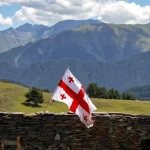
📷 Featured image by Nikolay Loubet on Unsplash.