On this page
- The Story Behind Rabati Castle’s Modern Renaissance
- Exploring the Castle Complex: What to See and Do
- Beyond the Castle: Akhaltsikhe’s Hidden Gems
- The Local Food Scene: Where to Eat in Akhaltsikhe
- Planning Your Visit: Travel Logistics
- Getting There and Getting Around
- Budget Breakdown: What to Expect in 2026
- Frequently Asked Questions
💰 Click here to see Georgia Budget Breakdown
💰 Prices updated: October, 2026. Budget figures are estimates — always verify before travel.
Exchange Rate: $1 USD = ₾2.60
Daily Budget (per person)
Shoestring: ₾70.00 – ₾130.00 ($26.92 – $50.00)
Mid-range: ₾180.00 – ₾350.00 ($69.23 – $134.62)
Comfortable: ₾500.00 – ₾1,000.00 ($192.31 – $384.62)
Accommodation (per night)
Hostel/guesthouse: ₾30.00 – ₾60.00 ($11.54 – $23.08)
Mid-range hotel: ₾110.00 – ₾200.00 ($42.31 – $76.92)
Food (per meal)
Budget meal: ₾15.00 ($5.77)
Mid-range meal: ₾35.00 ($13.46)
Upscale meal: ₾100.00 ($38.46)
Transport
Single metro/bus trip: ₾1.00 ($0.38)
Monthly transport pass: ₾40.00 ($15.38)
Akhaltsikhe’s transformation over the past decade has been nothing short of remarkable, but many visitors in 2026 still arrive unprepared for what they’ll find. This isn’t the crumbling medieval fortress you might expect—Rabati Castle has been extensively rebuilt into a gleaming tourist complex that divides opinion among purists and families alike. Whether you see it as authentic restoration or theme park fantasy, there’s no denying the scale of ambition in this corner of Samtskhe-Javakheti.
The Story Behind Rabati Castle’s Modern Renaissance
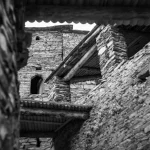
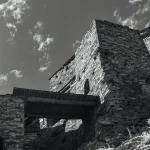
Walking through Rabati Castle today feels like stepping into a Georgian Disneyland, and that’s entirely by design. The massive reconstruction project, completed in 2012, transformed a ruined 13th-century fortress into a sprawling complex that showcases multiple architectural periods and cultures that shaped this strategic crossroads.
The original castle was built in the 1260s, but what you see today reflects centuries of Ottoman, Armenian, and Georgian influences. The Turkish name “Rabati” means “fortified place,” a reminder of the 300 years when this region fell under Ottoman control. The scent of freshly cut stone and the gleam of new mortar might jar history purists, but the reconstruction followed archaeological evidence and historical records.
The project’s scale was ambitious: rebuilding the citadel, creating a museum complex, constructing a mosque, Orthodox church, Catholic church, and synagogue within the same walls. Critics argue it’s too polished, too new. Supporters point out that it brings employment to a region that desperately needed economic investment.
The castle sits on a hill overlooking the Potskhovi River, commanding views over Akhaltsikhe and the surrounding valleys. On clear mornings, you can see the Javakheti Plateau stretching toward the Armenian border, reminding you of this area’s position as a cultural crossroads.

Exploring the Castle Complex: What to See and Do
The castle complex divides into several distinct areas, each telling part of Akhaltsikhe’s multicultural story. Plan at least three hours to see everything properly, though you could easily spend a full day here with the museum visits.
The Upper Citadel houses the main museum, displaying artifacts spanning from Bronze Age settlements to Ottoman administrative records. The medieval weapons collection includes original pieces alongside reproductions, while the ethnographic section showcases traditional Samtskhe crafts and clothing.
The Church of St. Marine, rebuilt in its original Orthodox style, features 2026’s newly restored frescoes that archaeologists discovered during excavation. The work is ongoing, and you can often see restoration specialists carefully cleaning centuries-old paint.
The Ahmadiya Mosque represents the Ottoman period, its minaret visible from across the town. Non-Muslims can visit outside prayer times, and the interior geometric patterns show the mathematical precision that characterized Islamic architecture in medieval Georgia.
The Armenian Church of Holy Mother of God reflects the significant Armenian population that lived here for centuries. The small Catholic church acknowledges the French missionary presence in the 19th century, while the tiny synagogue reminds visitors of Akhaltsikhe’s once-thriving Jewish community.
The defensive walls offer the best views, particularly from the northern tower. The sound of wind whistling through the battlements hasn’t changed in 800 years, even if everything else has. Walk the entire perimeter—it’s about 800 meters and gives you a real sense of the fortress’s strategic importance.
The Museums and Exhibitions
The Historical Museum occupies several floors of the main citadel building. The Bronze Age section includes finds from nearby Vardzia and other cave settlements. Medieval exhibits feature original manuscript fragments, coins from Georgian kings, and Ottoman tax records written in beautiful Arabic calligraphy.

The Samtskhe-Javakheti Regional Museum, housed in the same complex, focuses specifically on local traditions. Traditional wine-making equipment, including qvevri fragments from ancient cellars, shows how little the basic process has changed. The carpet-weaving section demonstrates patterns unique to this region.
Beyond the Castle: Akhaltsikhe’s Hidden Gems
Most visitors focus entirely on Rabati Castle, but Akhaltsikhe rewards those who explore beyond the fortress walls. The town itself has character that predates and survived the reconstruction fever.
The old town, downhill from the castle, retains its organic layout of narrow streets and traditional stone houses. Several families still maintain workshops where craftsmen repair traditional metalwork and weave carpets using patterns passed down through generations. These aren’t tourist demonstrations—they’re working businesses serving local communities.
The sulfur baths, similar to those in Tbilisi but much less touristy, operate in simple stone buildings near the river. The water emerges at 46°C and contains minerals that locals swear cure everything from arthritis to skin conditions. Three facilities operate as of 2026: two basic public baths (5 GEL per person) and one slightly upgraded private option (15 GEL per hour).
Sapara Monastery, 12 kilometers south of town, deserves a half-day excursion. This 13th-century complex includes some of Georgia’s finest frescoes, and unlike Rabati Castle, everything here is authentically medieval. The drive through pine forests provides mountain views that remind you why Georgian nobility chose this region for their summer retreats.
The Akhaltsikhe Market
The covered market, operating since Soviet times in a brutalist concrete building, offers authentic local products without tourist markup. Vendors sell honey from mountain apiaries, churchkhela made with local walnuts, and cheese aged in caves near Vardzia. Friday mornings are busiest, when farmers bring produce from surrounding villages.
Look for tklapi—traditional fruit leather made from wild plums and cornelian cherries that grow throughout Samtskhe. Local women still prepare it using medieval techniques, spreading pure fruit purée on wooden boards and sun-drying it for weeks.

The Local Food Scene: Where to Eat in Akhaltsikhe
Akhaltsikhe’s restaurant scene has improved dramatically since 2024, when several new establishments opened to serve growing tourist numbers. The local cuisine blends Georgian standards with influences from neighboring Armenia and Turkey.
Rabati Restaurant, inside the castle complex, serves upscale versions of regional dishes in a setting that matches the fortress’s theatrical atmosphere. Their khachapuri achma—layered cheese bread specific to this region—arrives at your table steaming hot with butter pooling in the center. Expect to pay tourist prices (25-40 GEL per main dish), but the quality justifies the cost.
Cafe Kartli, in the old town, offers more authentic experiences at local prices. Their mtsvadi (grilled meat) uses lamb raised on mountain pastures, giving it a flavor distinct from the beef-heavy versions common in eastern Georgia. The family running this place has operated here since the 1990s, and grandmother still makes khinkali by hand every morning.
For breakfast, Fursheti Bakery produces the best tone bread in town. Watch bakers slide round loaves into the traditional clay ovens, and buy yours still warm for 2 GEL. Their nazuki—sweet bread with cinnamon—makes perfect hiking fuel for Vardzia expeditions.
Regional Specialties to Try
Samtskhe cuisine includes dishes you won’t find elsewhere in Georgia. Tashmijabi combines potatoes, cheese, and butter into a hearty mountain dish perfect for cold weather. Lobio mtsvadi grills kidney beans with herbs in a way that transforms this usually simple dish into something memorable.
Local wine comes from small family producers rather than commercial wineries. The climate here suits semi-sweet varieties, and many families still ferment in qvevri buried in their courtyards. Ask at restaurants for “local wine”—you’ll usually get something made within 20 kilometers.

Planning Your Visit: Travel Logistics
This decision depends entirely on your travel style and what else you want to see in Samtskhe-Javakheti. Rabati Castle itself requires just half a day, but the broader region offers much more.
Day Trip Scenario
Leave Tbilisi early (7-8 AM marshrutka) to arrive in Akhaltsikhe by 10:30 AM. Spend 2-3 hours exploring the castle, have lunch in the old town, and catch a late afternoon marshrutka back to Tbilisi. This works if Rabati Castle is your only goal and you don’t mind a long travel day.
From Batumi, day trips are barely feasible due to distance (3+ hours each way) and limited marshrutka schedules. Consider flying into Kutaisi and using that as your base instead.
Overnight Options
Staying overnight opens up Vardzia, Sapara Monastery, and the Javakheti Plateau. You can also experience Akhaltsikhe without rushing, including those sulfur baths and a proper exploration of the old town.
Guest house options have expanded significantly since 2024. Family-run establishments charge 40-60 GEL per person including breakfast, while the handful of small hotels range from 80-150 GEL for doubles. Book ahead in summer—capacity remains limited.
Two-night stays allow day trips to both Vardzia and the Armenian border region around Javakheti. The landscape changes dramatically as you climb toward the plateau, transitioning from forested valleys to volcanic highlands that feel more like Armenia or Turkey than typical Georgian countryside.
Getting There and Getting Around
Transportation to Akhaltsikhe has improved with the 2025 completion of highway upgrades between Tbilisi and Akhalkalaki. The journey that once took 4+ hours on winding mountain roads now takes 3 hours on smooth asphalt.
From Tbilisi
Marshrutkas depart from Didube Station every hour from 8 AM to 4 PM (12 GEL, 3 hours). The route passes through Borjomi, where you’ll have a 10-minute stop—perfect for buying mineral water or snacks. Book seats in advance during summer, as these minibuses fill up with locals and tourists heading to Vardzia.

Driving takes the same 3 hours but gives you flexibility to stop at roadside honey vendors and explore side valleys. Car rental in Tbilisi costs 80-120 GEL per day for economy vehicles. The road is excellent condition as of 2026, with clear signage in Georgian and English.
From Batumi and Kutaisi
No direct marshrutka service exists from Batumi. Take a marshrutka to Akhalkalaki (2.5 hours, 15 GEL) then transfer to Akhaltsikhe (45 minutes, 5 GEL). Total journey time: 4-5 hours including waiting time.
From Kutaisi, marshrutkas run twice daily (9 AM and 2 PM, 2.5 hours, 10 GEL) via the mountain road through Tabakhmela. This scenic route offers better views but takes longer than the Tbilisi route.
Getting Around Akhaltsikhe
The town center is compact and walkable. Rabati Castle sits uphill from the main square—a 10-minute walk that gets steeper near the entrance. Taxis charge 5 GEL for trips within town, though most destinations are easier to reach on foot.
For Sapara Monastery and other nearby sites, arrange transport through your guest house or negotiate with taxi drivers at the main square. Day rates typically run 100-150 GEL depending on destinations and waiting time.
Budget Breakdown: What to Expect in 2026
Akhaltsikhe remains affordable compared to Georgia’s main tourist destinations, though prices have risen since the castle’s popularity grew. Here’s realistic daily spending for different comfort levels:
Budget Travel (50-70 GEL per day)
- Guest house accommodation: 40-50 GEL per person
- Meals at local cafes: 15-20 GEL per day
- Castle entrance: 5 GEL
- Local transport: 5-10 GEL
- Miscellaneous: 5-10 GEL

Mid-Range Travel (100-140 GEL per day)
- Small hotel or upgraded guest house: 80-100 GEL per room
- Restaurant meals: 30-40 GEL per day
- Castle and museum entrances: 10 GEL
- Taxi for local sights: 20-30 GEL
- Souvenirs and extras: 10-20 GEL
Comfortable Travel (180-250 GEL per day)
- Best available accommodation: 150-200 GEL per room
- High-end restaurant dining: 50-70 GEL per day
- Private transport for day trips: 100-150 GEL
- Shopping and experiences: 30-50 GEL
Group travel reduces costs significantly, especially for transportation and accommodation. Four people sharing a car and guest house room can travel comfortably for 80-100 GEL per person per day.
Frequently Asked Questions
Is Rabati Castle worth visiting if I prefer authentic historical sites?
The reconstruction is extensive, but the site’s historical significance and the quality of museums make it worthwhile. Many visitors initially skeptical about the “Disney castle” appearance find themselves appreciating the craftsmanship and educational value once inside.
How long should I plan to spend at Rabati Castle?
Allow 3-4 hours for a thorough visit including the museums. The complex is large, and rushing through diminishes the experience. Early morning or late afternoon visits offer better lighting and smaller crowds.
Can I visit Vardzia on the same day as Rabati Castle?
Yes, but it requires careful timing and preferably a rental car. Vardzia is 30 minutes from Akhaltsikhe. Start early, visit Rabati first, then drive to Vardzia for the afternoon. Plan 6-7 hours total for both sites.
What’s the weather like in Akhaltsikhe throughout the year?
Summers are warm (25-30°C) but can be rainy. Winters are cold with occasional snow. Spring and autumn offer the best weather for sightseeing, with comfortable temperatures and clear skies ideal for photography and hiking.
Are there English-speaking guides available at Rabati Castle?
Yes, the castle employs several English-speaking guides as of 2026. Guide services cost 20 GEL per group and can be arranged at the entrance. Audio guides in multiple languages are also available for 5 GEL.
📷 Featured image by Nick Osipov on Unsplash.