On this page
- Getting to Kutaisi: Airport Connections and Transport Options
- Kutaisi to Tbilisi: Train vs Bus vs Marshrutka Breakdown
- Getting Around Kutaisi: Public Transport, Walking, and Taxi Navigation
- Essential Transport Apps and Digital Tools for 2026
- Kutaisi’s Neighborhoods: Where to Base Yourself for Easy Access
- Day Trip Transport: Reaching Prometheus Cave, Okatse Canyon, and Beyond
- Budget Breakdown: Real Transport Costs in 2026
- Frequently Asked Questions
Kutaisi‘s transport landscape shifted dramatically in 2026 with new direct flights from major European cities and upgraded railway connections to Tbilisi. Yet many travelers still arrive confused about the best ways to navigate Georgia’s second-largest city and connect to the capital. The good news: getting around Kutaisi and reaching other destinations has never been more straightforward once you understand the local systems.
Getting to Kutaisi: Airport Connections and Transport Options
Kutaisi International Airport sits 22 kilometres west of the city center, and your arrival strategy depends entirely on your arrival time and budget. The official airport bus service runs every two hours from 7:00 AM to 11:00 PM, costing 3 GEL for the 45-minute journey to Freedom Square in central Kutaisi. The buses are clean, air-conditioned, and reliable—a stark improvement from the patchy service of previous years.
Taxis from the airport operate on a fixed-rate system introduced in 2026 to eliminate tourist overcharging. Expect to pay 25-30 GEL for a standard ride to the city center, with the journey taking 25-35 minutes depending on traffic. The taxi stand outside arrivals handles all bookings, and drivers are required to use meters or quote the fixed rate upfront.
For budget travelers arriving during off-peak bus hours, marshrutka minibuses provide the cheapest option at 2 GEL per person. These yellow minivans depart when full (typically 10-15 passengers) and follow the same route as the airport bus. The experience feels authentically Georgian: expect close quarters, animated conversations in Georgian, and the occasional stop for the driver to buy cigarettes.
Car rental counters at the airport include Avis, Hertz, and local operator Georgia Car Rental, with daily rates starting around 60 GEL for a compact vehicle. The drive to central Kutaisi follows a well-maintained highway, but parking in the old town requires local knowledge—most hotels can arrange parking for 10-15 GEL per night.

Kutaisi to Tbilisi: Train vs Bus vs Marshrutka Breakdown
The upgraded Georgian Railway connection between Kutaisi and Tbilisi launched in late 2025, transforming what was once a tedious journey into a comfortable 4.5-hour ride through Georgia’s stunning countryside. Trains depart Kutaisi station at 8:20 AM and 5:45 PM daily, with return services from Tbilisi Central Station at 9:30 AM and 6:15 PM. Second-class tickets cost 18 GEL, while first-class compartments run 32 GEL.
The morning train offers spectacular views of the Surami Range as golden sunlight catches the mountainous terrain between Khashuri and Gori. Carriages feature power outlets, clean restrooms, and a dining car serving Georgian snacks and Turkish coffee for reasonable prices. Book tickets online at railway.ge or at Kutaisi station up to 45 days in advance.
Express buses provide faster connections at 3 hours flat, departing every hour from 7:00 AM to 8:00 PM from Kutaisi’s central bus station on Rustaveli Avenue. Operators like Georgian Bus and Caucasus Travel charge 15-20 GEL for standard seats, with premium services featuring WiFi and air conditioning for 25 GEL. The route follows the E60 highway through scenic valleys, making stops in Zestaponi and Khashuri.
Marshrutka minibuses remain the budget choice at 12 GEL per person, though comfort levels vary wildly depending on vehicle age and driver temperament. These depart when full from various points around Kutaisi, with the most reliable pickup spot being the area behind the central market. Journey times stretch to 4-5 hours due to frequent stops and slower speeds on mountain roads.
Shared taxis offer middle-ground pricing at 25-30 GEL per seat for door-to-door service in 3.5 hours. Drivers coordinate pickups through WhatsApp groups—ask your accommodation to help arrange this, as the system relies heavily on Georgian language skills and local contacts.

Getting Around Kutaisi: Public Transport, Walking, and Taxi Navigation
Kutaisi’s compact city center makes walking the most practical option for reaching major attractions. The distance from Freedom Square to Bagrati Cathedral covers just 2 kilometres of gentle uphill terrain, while the walk to Gelati Monastery stretches 8 kilometres through rural landscapes—manageable for fit travelers but better suited to cycling or motorized transport.
Local buses serve suburban areas and nearby villages, with routes radiating from the central station near the market. Bus #1 connects the city center to Gelati Monastery every 30 minutes from 8:00 AM to 6:00 PM for 1 GEL. The journey takes 25 minutes, winding through residential areas before climbing into forested hills where the monastery complex sits amid ancient oak trees.
Kutaisi’s taxi fleet modernized significantly in 2026 with the introduction of ride-hailing apps Bolt and Yandex Go. Standard city rides cost 3-8 GEL depending on distance, with surge pricing during peak hours adding 20-30% to base rates. Traditional street taxis still operate but require negotiation—agree on pricing before departure to avoid disputes.
Bicycle rentals emerged as a popular option following the creation of dedicated cycling lanes along the Rioni River in 2025. Several shops near Freedom Square rent basic bikes for 15 GEL per day, while e-bikes cost 25 GEL daily. The riverside path extends 12 kilometres in each direction, providing car-free access to suburban neighborhoods and picnic spots.
Walking through Kutaisi’s old quarter reveals layers of history etched into cobblestone streets and Soviet-era apartment blocks. The central pedestrian zone around Rustaveli Avenue buzzes with cafes, shops, and impromptu chess games played on fold-out tables by elderly Georgian men who gesture emphatically between moves.
Essential Transport Apps and Digital Tools for 2026
Georgia’s digital infrastructure leaped forward in 2026, making smartphone apps essential for efficient travel around Kutaisi. The official Kutaisi Transport app covers all public buses with GPS tracking, mobile payments, and English-language announcements. Download it free from app stores and load credit using local bank cards or cash at designated kiosks.

Bolt operates extensively throughout Kutaisi with English-language support and transparent pricing. The app automatically detects your location and calculates fares based on distance and demand. Payment accepts international cards without additional fees, though cash remains welcome for drivers who prefer traditional transactions.
Maps.me works exceptionally well for offline navigation throughout Georgia, with detailed coverage of Kutaisi’s streets, hiking trails, and public transport stops. Download regional maps before arriving to avoid data charges, and use the app’s bookmark feature to save important locations like your accommodation, restaurants, and attraction entrances.
WhatsApp groups coordinate shared taxi services between cities, though accessing these requires local connections or assistance from hotel staff. Many guesthouses maintain relationships with reliable drivers and can arrange shared rides to Tbilisi, Batumi, or mountain destinations at competitive rates.
Google Translate’s camera function proves invaluable for reading Georgian script on bus destinations, street signs, and schedules. The app works offline after downloading Georgian language packs, essential for deciphering marshrutka routes and understanding departure times at smaller stations.
Payment Methods and Digital Wallets
Kutaisi embraced contactless payments across most transport services in 2026. TBC Bank’s TapTap cards work on buses, some taxis, and bicycle rentals, while international cards function seamlessly with ride-hailing apps. Cash remains necessary for marshrutkas, shared taxis, and older vehicles without card readers.
Kutaisi’s Neighborhoods: Where to Base Yourself for Easy Access
Freedom Square serves as Kutaisi’s transportation hub, making surrounding neighborhoods ideal for visitors prioritizing mobility. The area within 500 meters of the square offers walking access to restaurants, shops, and public transport connections, plus the atmospheric old town streets where morning fog drifts between traditional Georgian houses with their distinctive wooden balconies.

The historic district around Bagrati Cathedral provides elevated views over the Rioni River valley but requires uphill walks or taxi rides to reach central transport links. Guesthouses in this area offer tranquil settings among residential streets where neighbors gather for evening conversations on shared courtyards, though reaching restaurants after dark means navigating poorly lit cobblestone paths.
Rustaveli Avenue runs through Kutaisi’s commercial heart, lined with Soviet-era buildings housing modern businesses, cafes, and the central market. Staying along this corridor puts visitors within walking distance of the main bus station, taxi stands, and the pedestrian zone where street vendors sell fresh churchkhela candy and roasted sunflower seeds from wooden carts.
The Rioni River embankment emerged as a desirable area following waterfront renovations completed in 2025. New cycling paths connect this zone to central attractions, while riverside guesthouses offer peaceful settings just 10 minutes’ walk from major transport hubs. The sound of flowing water provides natural white noise that drowns out urban traffic.
Suburban areas like Sataplia Road provide budget accommodation options with direct bus connections to the city center, though evening transport becomes limited after 9:00 PM. These neighborhoods suit travelers planning day trips to nearby attractions who prefer quiet residential settings over central tourist areas.
Day Trip Transport: Reaching Prometheus Cave, Okatse Canyon, and Beyond
Prometheus Cave lies 20 kilometres from Kutaisi along a well-maintained road that winds through agricultural valleys dotted with traditional Georgian farmhouses. Marshrutkas depart from the central market area every hour from 9:00 AM to 4:00 PM, costing 3 GEL for the 40-minute journey. The final departure back to Kutaisi leaves at 6:00 PM, giving visitors ample time to explore the cave’s illuminated chambers.

Organized day tours to Prometheus Cave typically include Okatse Canyon and cost 45-60 GEL per person depending on group size. These tours handle all transportation in comfortable minivans, provide English-speaking guides, and eliminate the complexity of coordinating multiple marshrutka connections. Book through local tour operators near Freedom Square or ask your accommodation for recommendations.
Okatse Canyon requires more complex transport logistics. Marshrutkas to Zeda Gordi village depart twice daily at 11:00 AM and 2:00 PM from behind Kutaisi’s central market, costing 4 GEL for the 45-minute ride through mountainous terrain. From Zeda Gordi, the canyon entrance requires a 3-kilometre uphill hike through dense forest where morning dew clings to spider webs stretched between pine branches.
Private taxis to both destinations cost 80-120 GEL for full-day trips including waiting time. This option provides maximum flexibility for photography stops and exploration at your own pace. Negotiate prices upfront and confirm the driver will wait at each location rather than arranging separate pickup times.
Rental cars open possibilities for combining multiple attractions in single day trips. The route from Kutaisi to Prometheus Cave, Okatse Canyon, and Sataplia Cave covers approximately 60 kilometres of scenic mountain roads. Parking exists at all major attractions, though spaces fill quickly during summer weekends.
Motareti Lake and Sataplia Nature Reserve
Sataplia Nature Reserve sits just 9 kilometres northwest of Kutaisi, accessible via local bus #2 that departs every two hours from the central station. The 25-minute journey costs 2 GEL and terminates near the reserve entrance, where marked hiking trails lead through protected forest to dinosaur footprint sites and limestone caves.
Motareti Lake requires private transport or organized tours, as no public buses serve this remote mountain destination 35 kilometres from Kutaisi. The lake sits at 1,100 meters elevation, surrounded by alpine meadows where wild horses graze freely during summer months. Tour operators charge 70-90 GEL for full-day excursions including transport and guide services.

Budget Breakdown: Real Transport Costs in 2026
Understanding Kutaisi’s transport costs helps travelers budget effectively and choose appropriate options for different situations. These prices reflect actual 2026 rates across various service levels and destinations.
Budget Transport (10-25 GEL daily)
- Local buses within Kutaisi: 1 GEL per ride
- Marshrutka to Gelati Monastery: 1 GEL each way
- Airport bus to city center: 3 GEL
- Marshrutka to Prometheus Cave: 3 GEL each way
- Bicycle rental (basic): 15 GEL per day
- Marshrutka to Tbilisi: 12 GEL
Mid-Range Transport (25-60 GEL daily)
- Taxi rides within Kutaisi: 3-8 GEL per trip
- Express bus to Tbilisi: 15-20 GEL
- Airport taxi: 25-30 GEL
- E-bike rental: 25 GEL per day
- Train to Tbilisi (second class): 18 GEL
- Day tour to single attraction: 45-60 GEL
Comfortable Transport (60-150 GEL daily)
- Car rental: 60-80 GEL per day
- Private taxi day trips: 80-120 GEL
- Train to Tbilisi (first class): 32 GEL
- Premium bus to Tbilisi: 25 GEL
- Multi-attraction guided tours: 90-150 GEL
Weekly transport passes for frequent bus users cost 15 GEL and work on all city routes, while monthly passes run 40 GEL for residents and long-term visitors. International driving permits allow foreign visitors to drive rental cars, though insurance costs add 15-25 GEL daily to rental rates.
Fuel costs average 3.20 GEL per liter for regular gasoline, making rental cars economical for groups of 3-4 people visiting multiple distant attractions. Parking fees apply in central Kutaisi at 2 GEL per hour during business days, with free parking available evenings and weekends in designated zones.
Frequently Asked Questions
How long does the train from Kutaisi to Tbilisi take and how much does it cost?
The train journey takes 4.5 hours with departures at 8:20 AM and 5:45 PM daily. Second-class tickets cost 18 GEL while first-class compartments are 32 GEL. Book online at railway.ge up to 45 days in advance.

What’s the best way to get from Kutaisi airport to the city center?
The airport bus runs every two hours for 3 GEL and takes 45 minutes. Taxis cost 25-30 GEL with fixed rates and take 25-35 minutes. Budget travelers can use marshrutkas for 2 GEL when available.
Can I visit Prometheus Cave and Okatse Canyon in one day using public transport?
It’s challenging with public transport due to limited schedules and connections. Organized tours (45-60 GEL) or private taxis (80-120 GEL) work better for combining both attractions efficiently in a single day trip.
Do I need a car to get around Kutaisi and visit nearby attractions?
Not essential for city sightseeing, but helpful for day trips. Central Kutaisi is walkable, buses serve Gelati Monastery, and marshrutkas reach Prometheus Cave. Cars provide flexibility for multiple attractions and remote locations like Motareti Lake.
Which ride-hailing apps work in Kutaisi and do they accept international cards?
Bolt and Yandex Go operate throughout Kutaisi with English support and GPS tracking. Both accept international cards without additional fees, though cash payments remain welcome for drivers who prefer traditional transactions.
Explore more
Best Shopping in Kutaisi: Markets, Souvenirs & Imereti Wine Finds
Best Restaurants in Kutaisi: Your Guide to Traditional Georgian Food
Kutaisi Nightlife Guide: Best Bars, Wine Spots & Live Music After Dark
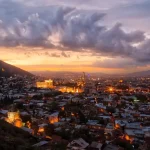
📷 Featured image by Sergio Guardiola Herrador on Unsplash.