On this page
- Tbilisi’s Personality and the Real Safety Picture
- Best Neighborhoods: Where Safety Feels Easiest
- Top Attractions and Highlights: Where to Be Careful
- Food and Drink Scene: Where to Eat With Confidence
- Getting Around: Metro, Taxis, and Walking Safely
- Day Trips: Mountains, Wine Country, and Places to Avoid
- Nightlife and Entertainment
- Shopping: Markets, Pickpockets, and Fair Prices
- Accommodation Areas by Budget Tier
- Best Time to Visit: Seasonal Safety Notes
- Practical Tips: The Details That Keep a Trip Smooth
- Budget Breakdown: Daily Costs in 2026
- Frequently Asked Questions
💰 Click here to see Georgia Budget Breakdown
💰 Prices updated: October, 2026. Budget figures are estimates — always verify before travel.
Exchange Rate: $1 USD = ₾2.60
Daily Budget (per person)
Shoestring: ₾70.00 – ₾130.00 ($26.92 – $50.00)
Mid-range: ₾180.00 – ₾350.00 ($69.23 – $134.62)
Comfortable: ₾500.00 – ₾1,000.00 ($192.31 – $384.62)
Accommodation (per night)
Hostel/guesthouse: ₾30.00 – ₾60.00 ($11.54 – $23.08)
Mid-range hotel: ₾110.00 – ₾200.00 ($42.31 – $76.92)
Food (per meal)
Budget meal: ₾15.00 ($5.77)
Mid-range meal: ₾35.00 ($13.46)
Upscale meal: ₾100.00 ($38.46)
Transport
Single metro/bus trip: ₾1.00 ($0.38)
Monthly transport pass: ₾40.00 ($15.38)
Tbilisi has been in the news more often since late 2024, and many travelers now wonder whether the city is still a good choice for a 2026 trip. The short answer is yes. Tbilisi remains one of the safest capitals in the region for visitors. Violent crime against tourists is rare, and most problems are small ones: a pickpocket in a crowded market, a taxi driver who quotes too much, or a car that does not stop at a zebra crossing. This guide covers what actually matters, area by area, so you can relax and enjoy the city.
Tbilisi’s Personality and the Real Safety Picture
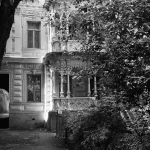
Tbilisi is a city where neighbors know each other, grandmothers watch the street from wooden balconies, and strangers will walk you to your destination rather than point vaguely. Hospitality is a point of pride here. Many visitors say that is what makes them feel safe: someone is almost always nearby and willing to help.
The city is also lively late into the night. Streets in the centre stay busy until after midnight, which adds to the sense of security. Georgia’s crime rates against foreigners are low compared with most European capitals. Most travelers spend a week here without a single problem.
Some things have changed since 2024. Political protests have been held on and around Rustaveli Avenue, mostly in the evenings, and the political mood is tense. These events are usually concentrated near the Parliament building and are not aimed at tourists. Still, check your government’s travel advisory before you fly, and keep the practical advice in the attractions section below in mind. Outside those areas, daily life continues as normal: cafes are full, taxis run, and the sulphur baths are busy.
Best Neighborhoods: Where Safety Feels Easiest
Every central district is walkable and generally safe during the day. Here is how they differ after dark and in character.
- Sololaki: Quiet, leafy, and full of faded mansions with carved balconies. It is calm at night and very good for first-time visitors. Some courtyards are poorly lit, so use your phone torch on side streets.
- Old Tbilisi and Abanotubani: The postcard area, with cobbled lanes and the sulphur baths. It is busy and well patrolled. The risk here is crowds in summer, so watch your bag.
- Vera: Cafe-filled and residential, with a local, relaxed feel. It is popular with solo travelers and has good lighting and steady foot traffic.
- Vake and Saburtalo: Leafy, upscale, and family-oriented. They feel very safe but are less atmospheric. Vake Park is pleasant for evening walks.
- Marjanishvili and Chugureti: Creative, lively, and a little rougher around the edges. The area is fine for walking, but some side streets are dim and the pavements are uneven.
- Avlabari: Across the river, with great views and local life. It is generally safe, but hilly streets and steep stairs make it a poor choice late at night with heavy luggage.

Top Attractions and Highlights: Where to Be Careful
Narikala Fortress sits above Old Tbilisi, and the cable car from Rike Park is the easiest way up. The path along the hillside is uneven and slippery after rain, so wear shoes with grip. At the top, the wind carries the smell of wild thyme and warm stone, and the views over the Mtkvari River are worth every step.
The Peace Bridge and Rike Park are lovely in the evening and well lit. Mtatsminda Park, with its funicular and Ferris wheel, is safe and family-friendly. The Dry Bridge area and Rustaveli Avenue are the busiest zones and are covered in the shopping section.
On protests: Rustaveli Avenue and the area near Parliament have hosted regular demonstrations since late 2024. If you see a large crowd, police vans, or barriers, simply walk a block or two away. Do not take photos of police operations, and do not join demonstrations as a visitor. You can still visit the National Museum and Opera House area calmly, especially during the day.
The Abanotubani baths are an experience you should not skip. The sulphur smell is strong, the water is warm, and the tiled domes are beautiful. Pick a private room at a licensed bathhouse rather than accepting offers from someone on the street. Do not stay in the hot water too long, and drink plenty of water afterwards.
Food and Drink Scene: Where to Eat With Confidence
Food safety in Tbilisi is good, and the best advice is simple: eat where the locals are queuing. Busy kitchens turn over ingredients quickly, which is the best sign of freshness.

- Dezerter Bazaar: The city’s biggest fresh-produce market, near Station Square. Come in the morning for fruit, cheese, and pickles. The stalls are fine to eat from, but keep your wallet in a front pocket.
- Marjanishvili and Chugureti: Rows of busy cafes and bakeries where office workers eat lunch. Good for casual, safe meals.
- Vera and Sololaki: Wine bars, small restaurants, and cafes with English menus. They are dependable for first-time visitors.
- Aghmashenebeli Avenue: A long street with plenty of mid-range restaurants and bakeries open until late.
- Fabrika area: A converted Soviet factory with street food, coffee, and casual dining in a courtyard. Evenings are lively and well lit.
The smell of fresh bread and yeasty steam from a bakery oven is hard to miss on any central street. A hot loaf costs around 1.5 to 3 GEL, and it is a cheap and safe snack.
A few cautions apply. Skip very cheap tourist restaurants on the main Old Tbilisi lanes that have no prices on the menu. Ask for a printed menu with prices before you order. Check whether a service charge is already added so you do not tip twice. If you have allergies, learn the Georgian words for nuts, since walnuts appear in many sauces. Wine is often homemade in small places, so ask for a bottled option if you prefer a known brand.
Getting Around: Metro, Taxis, and Walking Safely
Tbilisi’s metro is simple, cheap, and safe at most hours. The system has two lines, and fares are around 1 GEL using a rechargeable Metromoney card, which also works on buses. Stations are deep underground, and the escalators are fast and steep, so hold the handrail and keep luggage close.
Buses are frequent but crowded at rush hour, which is when pickpockets operate. Keep bags in front of you and zipped. Marshrutkas, the small minibuses, are cheap but chaotic.
For taxis, use Bolt or Yandex Go. A ride across the centre usually costs 6 to 15 GEL. Street taxis are fine if you agree the price before getting in, but they often charge more. At the airport, avoid drivers who approach you inside the terminal. A Bolt ride into the centre costs around 25 to 40 GEL, while the airport bus is a cheap alternative at about 1 to 3 GEL and takes longer.
Walking is pleasant, but the real danger in Tbilisi is traffic. Drivers can be fast and impatient, and some do not stop at crosswalks even when pedestrians have right of way. Look both ways even on one-way streets, and use underpasses on wide roads. Pavements are often uneven, and open drains or missing manhole covers are not unknown. After a night out, watch your step.
Stray dogs are common, and most are calm and have yellow tags in their ears showing they have been vaccinated. Do not feed or pet dogs you do not know, and avoid packs at night in quiet areas.
Day Trips: Mountains, Wine Country, and Places to Avoid
Day trips from Tbilisi are one of the best things about the city, and the main safety issue is road conditions.
- Mtskheta (20 km, half a day): A marshrutka from Didube Station costs 2 to 3 GEL and takes about 30 minutes. Very easy and safe.
- Kazbegi (150 km, full day): The Georgian Military Highway takes 3 to 3.5 hours each way. Shared minibuses from Didube cost about 25 to 35 GEL. In winter, snow and landslides can close the road, so check conditions the day before. The air at the top is thin and cold, and fresh snow crunches underfoot on trails near Gergeti Trinity Church.
- Kakheti and Sighnaghi (110 km, full day): Wine country, about 2 hours by minibus from Samgori Station. If you taste wine, do not take a driver who has been drinking. Hire a driver for the day, usually 250 to 350 GEL.
- Gori and Uplistsikhe (80 km, full day): Reachable by train or minibus. Easy and safe, and the cave town is dry and rocky, so wear sturdy shoes.
- Davit Gareja (about 3 hours each way): A remote desert monastery complex on the Azerbaijan border. Follow marked paths and do not wander into unmarked border zones.
Do not travel toward the administrative boundary lines with Abkhazia and South Ossetia. Those areas are not safe for casual travel, and crossing is not advised.
Nightlife and Entertainment
Tbilisi’s nightlife is energetic and mostly friendly. The bar scene is spread across a few districts. Erekle II Street and the Old Town have wine bars and live music, Vera and Sololaki have cocktail spots, and Mtatsminda has rooftop terraces with city views. The club scene is famous for its techno nights, with major venues in industrial spaces. Entry can depend on door staff, and most clubs have a strict no-photo policy inside.

Wine cellars and small bars are warm and candlelit in autumn, with the sound of a polyphonic song starting at the next table. These are some of the best evenings in the city.
Problems are rare but real. Some tourist-oriented bars add unexpected charges or push expensive drinks. Look at the menu prices before you order, and pay by card where possible so you can check the receipt. Never leave a drink unattended, and be wary of strangers who are very eager to buy you drinks or lead you to a “special” venue. Take a Bolt home rather than walking through a quiet area late at night. Drug laws in Georgia are strict even after reforms, so do not buy or carry drugs of any kind.
Shopping: Markets, Pickpockets, and Fair Prices
The Dry Bridge Market near Peace Bridge is the best place for Soviet-era souvenirs, paintings, and old coins. It is crowded on weekends, which makes it prime territory for pickpockets. Meidan Bazaar in the old town sells textiles, spices, and ceramics. Dezerter Bazaar is for food, and haggling is accepted at the outdoor stalls.
For fixed prices, walk Rustaveli Avenue and Aghmashenebeli Avenue, where you will find bookshops, boutiques, and design stores. Sololaki and Vera have small independent shops with local fashion and handmade items.
Practical safety advice for shopping:
- Carry only the cash you need for the day and leave the rest in your accommodation.
- Use a cross-body bag worn in front, not a backpack open at the back.
- Confirm the price before you take a photo of any item for sale.
- Be careful with “antiques” and with any items that look military or historical, which may be restricted for export. Ask for a receipt.
Accommodation Areas by Budget Tier
- Budget (dorm 35 to 70 GEL, basic private room 90 to 160 GEL): Marjanishvili, Chugureti, and parts of Sololaki. Hostels there are social and close to the metro. Check reviews for lighting and the walk from the station.
- Mid-range (180 to 380 GEL per night): Vera, Sololaki, and the lower slopes of Old Tbilisi. Boutique guesthouses are common, many with secure entrances and friendly hosts.
- Luxury (450 GEL and above): Rustaveli Avenue, Mtatsminda, and Vake. International chains and design hotels offer 24-hour reception and secure parking. On Rustaveli, ask about protest activity and request a back-facing room if you want a quiet night.
For any tier, pick a place with a lockable door, working windows, and recent reviews. Ask whether the building has a lift or stairs, because many old houses have steep, narrow staircases.
Best Time to Visit: Seasonal Safety Notes
- Spring (April to June): Mild, around 15 to 26°C, with blooming trees. Sudden rain is possible, so pack a light jacket.
- Summer (July to August): Hot, often above 35°C. Heat exhaustion is the most common problem, so drink water, wear a hat, and sightsee early or late.
- Autumn (September to October): The best season, with warm days and harvest festivals. Tbilisoba in October fills the streets with food, music, and crowds.
- Winter (December to March): Cold, around 0 to 8°C. Pavements can be icy, and mountain roads may close. New Year celebrations are lively.
Shoulder seasons, April to May and late September to October, give you pleasant weather and thinner crowds. In 2026, direct flights to Tbilisi and Kutaisi have expanded, so summer and festival periods can fill up quickly. Book accommodation early.
Practical Tips: The Details That Keep a Trip Smooth
- Emergencies: Dial 112 for police, ambulance, and fire. Operators in Tbilisi often speak English.
- Entry: Many nationalities can stay visa-free for up to a year, and others use the e-visa system. Check the official rules before travel, as they are updated.
- Tipping: About 10% in restaurants if service is not included. Round up taxi fares.
- Language: Georgian is the main language. Many older people speak Russian, and younger people often speak English. A simple “gamarjoba” (hello) and “madloba” (thank you) will bring smiles.
- SIM cards: Magti, Silknet, and Cellfie sell tourist SIMs for about 15 to 30 GEL with several gigabytes of data. Buy one at the airport or in the city with your passport.
- Water: Tap water in Tbilisi is generally considered drinkable, but many visitors prefer bottled water at 1.5 to 3 GEL. Fresh mineral water from Borjomi is easy to find.
- Opening hours: There is no formal siesta, but smaller shops may close briefly in the afternoon, and many cafes open later in the morning, around 10 am.
- Solo women: Most solo women report feeling comfortable. Expect some staring and sometimes unwanted conversation, but serious harassment is uncommon. Dress comfortably and be firm if someone persists.
- LGBTQ+ travelers: Georgia is socially conservative, and recent laws have made the climate harder. Be discreet with public affection and research current conditions before you go.
- Money: Cards and contactless payments are widely accepted in the centre. Keep some lari for markets and small shops, and use bank ATMs rather than standalone machines.
Budget Breakdown: Daily Costs in 2026
Tbilisi remains good value, though prices have risen since 2024, especially in Old Tbilisi and Sololaki. These are daily estimates per person.
- Budget (100 to 170 GEL): A hostel bed (35 to 70 GEL), bakery breakfast, a market lunch, a cheap dinner (15 to 30 GEL), metro rides, and one small attraction.
- Mid-range (250 to 450 GEL): A comfortable guesthouse or hotel (180 to 380 GEL for a room, often shared), restaurant meals with wine (40 to 90 GEL per meal), Bolt rides (6 to 15 GEL each), and a bathhouse visit (50 to 120 GEL).
- Comfortable (550 GEL and above): A luxury hotel (450 GEL and up), fine dining, private driver for day trips (250 to 350 GEL), and evening cocktails.
Spending less does not make you less safe. Budget travelers do very well in Tbilisi, as long as they pick well-reviewed lodging and use ride-hailing apps after dark.
Frequently Asked Questions
Is Tbilisi safe for solo female travelers?
Yes, most solo women find Tbilisi comfortable and welcoming. Expect some attention from men, but serious incidents are uncommon. Use Bolt after dark, choose well-reviewed accommodation, and avoid dim side streets late at night. Sharing your plans with someone back home adds an extra layer of security.
Is it safe to walk around Tbilisi at night?
In central areas like Old Tbilisi, Sololaki, Vera, and Rustaveli Avenue, walking at night is generally safe. Streets stay busy and well lit. Avoid empty back streets and poorly lit parks, and use a taxi app for longer distances. Watch your step because pavements are uneven.
Are the protests in Tbilisi dangerous for tourists?
Protests have mostly taken place on Rustaveli Avenue near Parliament and are not directed at tourists. Still, crowds and police operations can become tense. Avoid the area during demonstrations, do not take part, follow local news, and check your government’s travel advisory before and during your trip.
Is tap water safe to drink in Tbilisi?
Tbilisi tap water is generally considered safe to drink, and many locals use it. Some visitors with sensitive stomachs prefer bottled water, which costs about 1.5 to 3 GEL. If you are unsure, buy a bottle in your first days and see how your body reacts.
What are the most common scams in Tbilisi?
The most common problems are overcharging taxis, bars that add unexpected bills, and pickpockets in crowded markets and buses. Use Bolt or Yandex Go, check menu prices before ordering, keep bags zipped in front of you, and be cautious with anyone who approaches you too eagerly.
📷 Featured image by Marina Lambreht on Unsplash.