April 2026 brings ideal weather conditions for exploring Georgia, but navigating the country’s transport landscape requires understanding which routes have improved and which still demand patience. Spring road conditions after winter maintenance, updated marshrutka schedules, and clearer mountain passes create new opportunities alongside familiar challenges.
Transport Options Between Major Cities
The backbone of Georgian intercity travel remains the marshrutka system, supplemented by trains on specific routes and increasing flight connections. Marshrutkas operate from dedicated stations in major cities, with Didube Bus Station in Tbilisi serving as the primary hub for westbound destinations including Kutaisi, Batumi, and Zugdidi.
The Georgian Railway connects Tbilisi to Batumi via an overnight service departing around 20:30, reaching the coast by morning. This route offers sleeper compartments and regular seating, with advance booking recommended during April’s shoulder season. Eastbound connections serve destinations including Telavi and Sighnaghi through combination bus-marshrutka routes from Samgori Metro Station.
Domestic flights operate between Tbilisi and Batumi, though ground transport often proves more practical when factoring airport transfer times. The Tbilisi-Kutaisi corridor sees frequent marshrutka service throughout daylight hours, typically departing when vehicles fill rather than fixed schedules.
Navigating Tbilisi’s Public Transport System
Tbilisi’s metro system covers two main lines intersecting at Station Square, connecting central districts to residential areas and transport hubs. The blue line runs east-west through key areas including Rustaveli Avenue, while the green line provides north-south coverage including connections to Didube Bus Station.
Metro cards purchased at any station work across the entire public transport network, including buses and the aerial tramway connecting Rike Park to Narikala Fortress. Single rides cost 1 GEL, with daily unlimited cards available for 2 GEL – practical for tourists making multiple journeys.

Bus routes supplement metro coverage, particularly useful for reaching Mtatsminda Park, Turtle Lake, and residential neighborhoods. Route numbers display in Georgian script, though major stops announce in both Georgian and English. The familiar yellow buses operate frequent service during peak hours, with reduced frequency in early morning and late evening.
Ride-sharing services including Bolt operate throughout Tbilisi, offering fixed pricing and English-language apps. Traditional taxis negotiate fares, with courthouse and hotel stands typically charging premium rates compared to street hails.
Rural and Mountain Access Strategies
Reaching Georgia’s mountain regions requires combining transport modes and flexible timing. Kazbegi (Stepantsminda) connects to Tbilisi through marshrutkas departing from Didube, following the Georgian Military Highway through Mtskheta and Ananuri. The journey takes approximately three hours under normal conditions, with stunning mountain vistas replacing urban sprawl beyond Mtskheta.
Svaneti access typically requires reaching Zugdidi by marshrutka from Tbilisi, then connecting to Mestia via mountain roads that can close during adverse weather. April conditions generally allow passage, though afternoon departure risks encountering evening fog in higher elevations.
Local transport within mountain regions relies on 4WD vehicles arranged through guesthouses or local drivers. Reaching locations like Gergeti Trinity Church above Kazbegi involves hiring drivers familiar with unpaved mountain tracks, as rental vehicles often lack adequate clearance and traction.
The smell of diesel exhaust mixing with pine air marks many mountain marshrutka journeys, while the creak of suspension navigating switchback turns becomes a familiar soundtrack. Pack warm layers, as mountain weather changes rapidly regardless of valley conditions.
Vehicle Rental Considerations for Foreign Visitors
International driving permits allow vehicle rental in Georgia, with major companies operating from Tbilisi and Batumi airports. Standard documentation includes passport, home country license, international permit, and credit card for deposits typically ranging 500-1000 GEL depending on vehicle category.

Road conditions vary significantly between regions. Tbilisi-Batumi highways maintain good surfaces, while mountain routes often feature unpaved sections, narrow passages, and steep grades challenging for inexperienced drivers. Weather conditions in April can shift rapidly, particularly at elevation.
Fuel stations operate regularly along main corridors but become sparse in rural areas. Plan refueling stops when venturing beyond major cities, as remote regions may lack services for extended distances. Parking in Tbilisi city center requires patience, with paid zones operating throughout business districts.
Insurance coverage varies between providers, with basic liability included but comprehensive coverage recommended for mountain driving. Local driving customs include frequent overtaking on mountain roads and informal parking arrangements in smaller towns.
Cost Breakdown and Budget Planning
Transport costs in Georgia remain affordable by international standards, though budget allocation depends heavily on chosen comfort levels and destinations. Metro and city bus fares start at 1 GEL per journey, with daily unlimited cards offering better value for active exploration days.
Budget Level (25-40 GEL daily): Public transport in cities, shared marshrutkas for intercity travel, walking for short distances. Tbilisi-Batumi marshrutka costs approximately 25 GEL, while Tbilisi-Kazbegi runs about 15 GEL. This approach requires flexibility with departure times and comfort levels.
Mid-Range Level (60-100 GEL daily): Combination of public transport, ride-sharing, and occasional private transfers. Train compartments for overnight journeys, hired drivers for specific mountain destinations. Allows advance booking and reduced waiting times.
Comfortable Level (150+ GEL daily): Private transfers, rental vehicles with insurance, domestic flights when practical. Includes flexible scheduling, door-to-door service, and comfort during longer journeys.
Additional costs include fuel for rental vehicles (approximately 3 GEL per liter), parking fees in city centers (2-5 GEL per hour), and tips for helpful drivers or guides (10-15% customary for good service).
Frequently Asked Questions
Do I need an international driving permit to rent a car in Georgia?
Yes, rental companies require both your home country license and an International Driving Permit. Some also accept certain EU licenses, but IDP ensures acceptance across all providers and regions.

How reliable are marshrutka schedules between cities?
Marshrutkas typically depart when full rather than fixed times, especially on popular routes. Morning departures are more frequent, with reduced service in late afternoon. Allow flexibility rather than tight connections.
Can I use credit cards for transport in Georgia?
Metro cards and some bus systems accept card payments, but many marshrutkas and taxis require cash. Bring small denomination lari notes for local transport and rural areas.
Is it safe to drive in Georgian mountains during April?
April conditions are generally good, but weather changes rapidly at elevation. Check local conditions, carry emergency supplies, and avoid night driving on unfamiliar mountain routes. Consider hiring local drivers for challenging areas.
What’s the best way to reach remote monasteries and churches?
Many require combination transport: marshrutka to nearest town, then hired 4WD vehicle or hiking. Arrange return transport in advance, as services may be limited. Guesthouses often coordinate these transfers for guests.
Explore more
Packing for Georgia in April 2026: Layers and Spring Essentials
The Art of the Georgian Supra: A Springtime Feast in April 2026
Experiencing True Georgian Hospitality: A Traveler’s Guide for April 2026
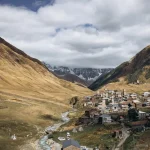
📷 Featured image by Muzykalne Podróże on Unsplash.