On this page
- Georgia in 2026 Still Has Places That Feel Completely Undiscovered
- Tusheti: The Highland Region That Earns Its Reputation
- Vashlovani: Georgia’s Desert That Nobody Expects
- Martvili and Skurcha: Samegrelo’s Canyon Country
- Akhaltsikhe and the Forgotten Villages of the Deep South
- Dmanisi: Where Europe’s Oldest Human Ancestor Was Found
- Chiatura: The Ropeway Town That Time Preserved
- Lesser-Known Wine Villages of Kakheti’s Eastern Edge
- Getting to These Places in 2026
- What It Costs to Travel Off the Beaten Path in Georgia
- When to Go — Seasons Matter More Off the Beaten Path
- Practical Realities for Travelling in Remote Georgia
- Frequently Asked Questions
💰 Click here to see Georgia Budget Breakdown
💰 Prices updated: August, 2026. Budget figures are estimates — always verify before travel.
Exchange Rate: $1 USD = ₾2.61
Daily Budget (per person)
Shoestring: ₾80.00 – ₾170.00 ($30.65 – $65.13)
Mid-range: ₾150.00 – ₾420.00 ($57.47 – $160.92)
Comfortable: ₾650.00 – ₾1,200.00 ($249.04 – $459.77)
Accommodation (per night)
Hostel/guesthouse: ₾25.00 – ₾50.00 ($9.58 – $19.16)
Mid-range hotel: ₾80.00 – ₾200.00 ($30.65 – $76.63)
Food (per meal)
Budget meal: ₾20.00 ($7.66)
Mid-range meal: ₾40.00 ($15.33)
Upscale meal: ₾100.00 ($38.31)
Transport
Single metro/bus trip: ₾1.00 ($0.38)
Monthly transport pass: ₾40.00 ($15.33)
Georgia in 2026 Still Has Places That Feel Completely Undiscovered
Tbilisi is busier than ever. Kazbegi fills up every summer weekend. Sighnaghi is charming but predictable. Georgia’s tourism boom — which accelerated sharply between 2023 and 2025 — has made the headline destinations genuinely crowded during peak season. If you arrived expecting solitude at the Gergeti Trinity Church on a July Saturday, you know exactly what that looks like. The good news: Georgia is enormous relative to its tourist infrastructure, and whole regions see almost no foreign visitors at all. This guide covers the places where you can still have a landscape, a village, or a canyon almost entirely to yourself.
Tusheti: The Highland Region That Earns Its Reputation
Tusheti sits in the northeastern corner of Georgia, wedged against the Russian border at elevations between 1,000 and 4,000 metres. The only road in — the Abano Pass road — is one of the most dramatic mountain drives in the Caucasus. It climbs to 2,926 metres, runs along narrow ridges with sheer drops on both sides, and is only reliably open from late May to October. In 2026, the road remains unpaved for most of its length. You need a 4WD vehicle and a driver who knows it.
The reward is a region of medieval stone towers, stone-built villages stacked into cliffsides, and landscapes that make you understand why Georgians have defended this territory for centuries. Omalo is the main village and the place to base yourself. From there, trails lead to Dartlo — arguably the most photogenic village in all of Georgia, its towers and slate-roofed houses spilling down a narrow valley with the smell of pine and cold river water cutting through everything. In late summer, the light turns the towers amber in the late afternoon, and the silence is total except for bells on livestock moving through the village paths.
Guesthouses in Omalo and Dartlo are basic but hospitable. Hosts cook traditional Tushetian food — chvishtari (cornbread with sulguni cheese), bean dishes, and lamb. Prices are typically 60–90 GEL per person including dinner and breakfast.
Vashlovani: Georgia’s Desert That Nobody Expects
Most people picture Georgia as green mountains and vine-covered valleys. Vashlovani Protected Areas in the far southeast — bordering Azerbaijan — look nothing like that. The landscape here is semi-arid steppe, eroded badlands, and pistachio forests. The Alazani River cuts through the area, and the combination of desert-style rock formations with river woodland is genuinely disorienting in the best possible way.
The protected area covers around 35,000 hectares and has almost no visitor infrastructure compared to other Georgian national parks. The small town of Dedoplistskaro is the access point, about 180 kilometres east of Tbilisi. From there, you can arrange guided 4WD trips into the park — independent driving is restricted in the core zone. Wildlife is real here: wolves, brown bears, striped hyenas, and Caspian cobras all live in the reserve. The rangers are straightforward about which trails are safe and which are not.
The mud volcanoes near the Iori River are worth the rough track to reach them. Small grey cones bubble slowly in an otherwise flat plain — geologically active, strange, and completely unphotographed compared to anything else in Georgia. Stay in Dedoplistskaro, where simple guesthouses charge 40–60 GEL per night, or camp inside the park with a ranger-issued permit.
Martvili and Skurcha: Samegrelo’s Canyon Country
Samegrelo in western Georgia has one city that gets attention — Zugdidi — and then largely disappears from most travel itineraries. That’s a mistake. The Martvili Canyon, about 70 kilometres northeast of Zugdidi, is one of the most visually striking places in Georgia: turquoise water cutting through layered limestone, with rubber boats carrying visitors through the narrowest sections. It’s not entirely unknown, but it sees a fraction of the crowds that hit Prometheus Cave.
What most visitors miss is the nearby Skurcha Canyon, accessed by a short walk through mixed forest. Skurcha is narrower, quieter, and has a swimming hole at its base that locals use all summer. The water is cold enough to take your breath away even in August. The two canyons can be done in a single day from Zugdidi or Kutaisi.
Samegrelo food is a separate reason to visit. The local cuisine uses more walnuts, more spice, and more satsivi-style sauces than Tbilisi restaurants typically offer. In the town of Martvili itself, small family restaurants serve Megrelian khachapuri — which is double-layered with cheese inside and outside — for around 12–15 GEL. The whole region has a lushness to it, the kind of thick, wet-green vegetation you associate with subtropics, and the air smells of earth and leaf mulch after any rain.

Akhaltsikhe and the Forgotten Villages of the Deep South
Akhaltsikhe gets brief mentions as the town near Rabati Castle — a heavily restored Ottoman-era fortress that divides opinion sharply. But the Samtskhe-Javakheti region around it is far more interesting than the castle alone suggests. Most visitors spend two hours at Rabati and leave. What they miss is substantial.
The cave monasteries of Vanis Kvabebi are carved into a vertical cliff face about 15 kilometres from Akhaltsikhe. Reaching them involves a steep climb on unmarked paths — comfortable shoes are essential, and the path becomes genuinely exposed near the top. The monastery dates from the 8th century. In 2026, there’s still no ticket booth, no tour group, and no handrail on the final section. You’ll likely have it to yourself on a weekday.
Further south, the high plateau of Javakheti borders Turkey and Armenia. The town of Akhalkalaki sits at around 1,700 metres and has a predominantly Armenian-speaking population — culturally distinct from the rest of Georgia and largely ignored by tourism. The volcanic lakes of the plateau, particularly Lake Paravani (Georgia’s largest lake at around 37 square kilometres), are isolated, windswept, and home to significant birdlife. There are no tourist facilities here. Bring your own food and water, and plan for cold wind even in July.
Dmanisi: Where Europe’s Oldest Human Ancestor Was Found
In 1991, paleontologists at Dmanisi in southern Georgia uncovered hominin fossils dating to 1.85 million years ago — the oldest human ancestors ever found outside Africa. The site rewrote the timeline of human migration. In 2026, the Dmanisi archaeological museum and site remains one of the most undervisited world-class historical locations in Europe.
The site sits on a promontory above the confluence of two rivers, surrounded by a ruined medieval town. The juxtaposition is striking: medieval Georgian fortifications layered directly on top of pre-human history. The museum is small but genuinely excellent — the skull reconstructions are displayed in a way that makes the scientific significance clear even without a guide. Entry costs around 15 GEL for foreigners.
Dmanisi is about 90 kilometres southwest of Tbilisi. A marshrutka (minibus) from Tbilisi’s Isani station takes about two hours and costs 6–8 GEL. There are almost no guesthouses in Dmanisi itself — most visitors do it as a day trip — but the village of Mashavera nearby has a couple of simple homestay options if you want to spend the evening.

Chiatura: The Ropeway Town That Time Preserved
Chiatura is a manganese-mining town in the Imereti region, built into a steep river gorge in the 1950s and connected by an aerial ropeway system that carried workers between the plateau and the valley floor. The ropeways are Soviet-era, original, and still operating in 2026 — partially. Several lines were upgraded between 2024 and 2025 after years of debate about safety, but a few of the older cabins still run on the original cables. Riding one — small, rattling, suspended over a sheer gorge — is an experience that is equal parts unsettling and unforgettable.
The town itself is not pretty in a conventional sense. It’s post-industrial, economically depressed, and architecturally Soviet. But for visitors interested in 20th-century industrial history, social geography, or genuinely unusual photography, Chiatura delivers. The cliff-top monastery of Katskhi Pillar is 20 kilometres away — a natural limestone monolith with a medieval church on its summit, 40 metres above the valley floor, accessible only by ladder.
Chiatura has basic guesthouses at 40–70 GEL per night. There’s a good local restaurant near the central market serving Imeretian cuisine — the lobiani (bean bread) here is particularly good, baked in a wood-fired oven and served hot enough to burn your fingers through the paper it’s wrapped in.
Lesser-Known Wine Villages of Kakheti’s Eastern Edge
Everyone goes to Telavi and Sighnaghi. Far fewer people explore the wine villages along the eastern edge of Kakheti, closer to the Alazani River floodplain and the foothills of the Greater Caucasus. Villages like Eniseli, Shilda, and Kardenakhi each have their own micro-appellations, their own qvevri wine traditions, and their own family wineries — most of which are not on any wine tour circuit.
Kardenakhi is known for its semi-sweet wines made from the Rkatsiteli grape, processed in a style quite different from the dry orange wines that dominate wine tourism. Shilda has a handful of small producers making natural wine in conditions that are essentially unchanged from 50 years ago — earthy cellars, concrete qvevri pits, handwritten labels. Tasting at these places typically involves sitting in someone’s garden with a clay cup, not a branded experience. The wine costs 8–15 GEL per bottle direct from the producer.
In 2026, a new rural cycling route — the Alazani Trail — was formally mapped and signed through this part of Kakheti. It’s possible to rent bicycles in Telavi and cycle between several of these villages in two days, staying in village guesthouses along the way. The route runs flat alongside the river for much of its length, through walnut forests and vine rows, with the Caucasus range visible to the north the entire time.
Getting to These Places in 2026
Georgia’s transport infrastructure improved significantly between 2023 and 2026, but the improvements have mostly benefited the main Tbilisi–Kutaisi–Batumi corridor. The places in this guide require more planning.
- Tusheti: Fly to Tbilisi (direct flights now operate from London, Paris, Warsaw, and Dubai in 2026), then hire a 4WD driver in Tbilisi or Telavi. Shared jeep services from Alvani village operate daily in summer — ask at the Alvani petrol station. Budget 150–250 GEL per seat for the full journey to Omalo.
- Vashlovani: Marshrutkas run from Tbilisi’s Ortachala terminal to Dedoplistskaro (2.5 hours, around 10 GEL). From Dedoplistskaro, hire a local guide with a 4WD — the park authority office in town maintains a list of licensed guides.
- Martvili/Skurcha: Kutaisi now has direct flights from multiple European cities. From Kutaisi, a taxi to Martvili takes about 90 minutes and costs 60–80 GEL. Marshrutkas also run from Zugdidi.
- Chiatura: Regular marshrutkas from Kutaisi’s main bus station (1.5 hours, 6 GEL). Kutaisi is also the base for Katskhi Pillar — combine both in a long day or stay overnight.
- Dmanisi: Marshrutka from Tbilisi’s Isani metro station (2 hours, 8 GEL). No advance booking needed — buses run through the morning.
What It Costs to Travel Off the Beaten Path in Georgia
Budget Tier — 80–120 GEL per day
This covers a bed in a village guesthouse or homestay (40–60 GEL), marshrutka transport (6–12 GEL per leg), and meals from local family kitchens or market stalls. Water, coffee, and snacks fit within this range comfortably. This is genuinely achievable in all the regions covered above.
Mid-Range Tier — 180–280 GEL per day
A private guesthouse room with a private bathroom, hired 4WD transport for harder-to-reach areas (split between 2–3 people), restaurant meals, and entrance fees. Hiring a driver for a full day typically costs 100–150 GEL and makes regions like Vashlovani and Javakheti significantly more accessible.
Comfortable Tier — 350–500 GEL per day
Private vehicle hire from Tbilisi for multi-day trips, staying in the best available local accommodation (which in these regions means well-run guesthouses, not hotels), and guided experiences. Note that genuine luxury accommodation does not exist in most of these locations — this tier buys you comfort and flexibility, not five-star amenities.
When to Go — Seasons Matter More Off the Beaten Path
The seasonality of these regions is not the same as Tbilisi or the main tourist circuit.
- Tusheti: Strictly late May to early October. The Abano Pass road closes with the first serious snow and does not reopen until the pass clears. July and August are peak season — September is the best balance of good weather and fewer visitors.
- Vashlovani: Spring (April–May) and autumn (September–October) are the best times. Summer temperatures exceed 38°C in the lowland steppe sections — not dangerous, but punishing for any hiking.
- Martvili/Samegrelo: The canyon is accessible year-round, but spring water levels make the boat tours more dramatic. Summer is crowded by Georgian domestic tourist standards (which is still quiet by international standards). Winter is mild and wet.
- Chiatura and Dmanisi: Both work in any season. Winter in Chiatura is atmospheric — snow in the gorge, fog on the plateau — but cold. The site at Dmanisi is exposed, so avoid very hot summer days unless you go early morning.
- Eastern Kakheti wine villages: September and October for harvest season. The grapes come off the vine in late September and the qvevri filling process begins — the most interesting time to visit by far.
Practical Realities for Travelling in Remote Georgia
A few things that matter more when you’re outside the main tourist infrastructure:
- Cash: ATMs are unreliable or absent in places like Tusheti, Vashlovani, and the Javakheti plateau. Carry enough GEL from Tbilisi for your entire stay in these areas. Guesthouses, local guides, and small restaurants do not accept cards.
- Mobile signal: Magti and Silknet have the best rural coverage in Georgia in 2026. Beeline coverage drops significantly outside main towns. A local SIM with data costs 15–25 GEL from any convenience store in Tbilisi and is essential for navigation in areas with poor signage.
- Language: English is rarely spoken outside Tbilisi and tourist-facing businesses in Sighnaghi or Kazbegi. In villages, Russian is more useful than English as a second language for older residents. Georgian phrasebook basics — greetings, numbers, thank you — are appreciated and reciprocated with warmth that’s difficult to overstate.
- Water: Mountain spring water throughout Tusheti and the Greater Caucasus regions is safe to drink directly. In Vashlovani and the southern plateau, bring your own supply.
- Safety: These are safe regions. The main practical risks are road conditions (4WD tracks that require skill to navigate), altitude (Tusheti), and heat (Vashlovani in summer). Tell your guesthouse host your planned route before any full-day hike in remote areas — this is standard local practice, not an overreaction.
- E-visa: Georgia’s e-visa system was updated in late 2025 to allow on-arrival processing for an expanded list of nationalities. Check the Georgian e-visa portal before travel — most EU, UK, US, and Australian passport holders still enter visa-free, but confirm your nationality’s current status.
Frequently Asked Questions
Are there organised tours to these lesser-known Georgian destinations?
A small number of Tbilisi-based operators run tours to Tusheti, Vashlovani, and Chiatura — companies like Caucasus Travel and Wild Georgia are reputable in 2026. However, most of these destinations are genuinely manageable independently with advance planning, especially Dmanisi, Martvili, and the eastern Kakheti wine villages.
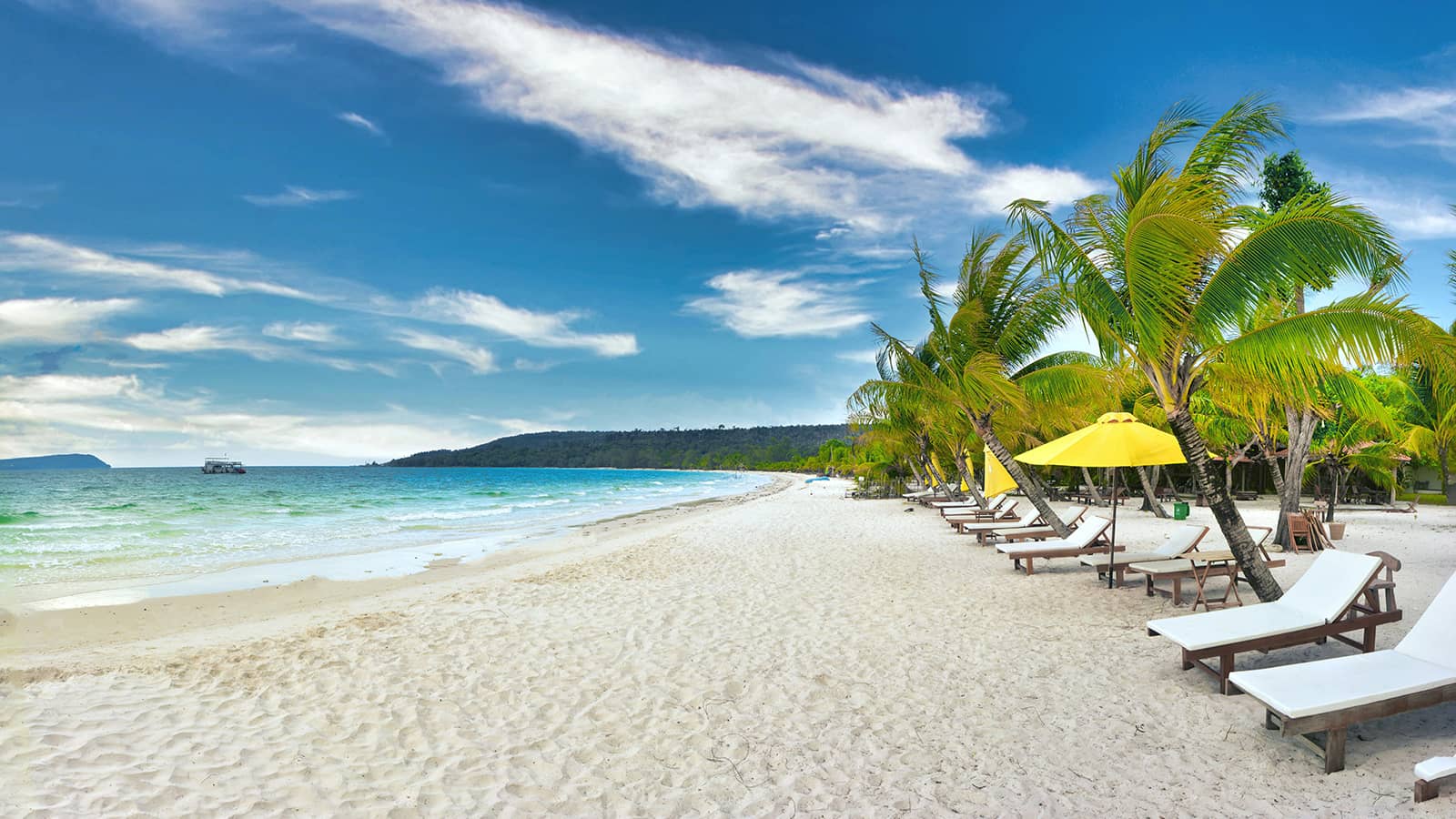
📷 Featured image by Jonathan Gong on Unsplash.