On this page
- Kakheti: Wine Country Feasts and Family Tables
- Adjara: Black Sea Coastal Flavors and Khachapuri Central
- Samtskhe-Javakheti: Mountain Soul Food and Thermal Spring Towns
- Svaneti: Alpine Heritage Cuisine in Remote Valleys
- Imereti: Western Georgian Specialties and Cave City Dining
- Guria: Hidden Coastal Gems and Hazelnut Harvests
- Budget Planning for Regional Food Adventures
- Frequently Asked Questions
💰 Click here to see Georgia Budget Breakdown
💰 Prices updated: October, 2026. Budget figures are estimates — always verify before travel.
Exchange Rate: $1 USD = ₾2.60
Daily Budget (per person)
Shoestring: ₾70.00 – ₾130.00 ($26.92 – $50.00)
Mid-range: ₾180.00 – ₾350.00 ($69.23 – $134.62)
Comfortable: ₾500.00 – ₾1,000.00 ($192.31 – $384.62)
Accommodation (per night)
Hostel/guesthouse: ₾30.00 – ₾60.00 ($11.54 – $23.08)
Mid-range hotel: ₾110.00 – ₾200.00 ($42.31 – $76.92)
Food (per meal)
Budget meal: ₾15.00 ($5.77)
Mid-range meal: ₾35.00 ($13.46)
Upscale meal: ₾100.00 ($38.46)
Transport
Single metro/bus trip: ₾1.00 ($0.38)
Monthly transport pass: ₾40.00 ($15.38)
Georgia’s culinary reputation extends far beyond Tbilisi’s trendy restaurants and tourist-friendly khachapuri shops. In 2026, Regional Georgia offers food experiences that rival anything in the capital — often at half the price and with twice the authenticity. The challenge isn’t finding great food outside Tbilisi; it’s knowing where to look and how to access the family-run establishments that locals guard like state secrets.
Kakheti: Wine Country Feasts and Family Tables
Kakheti delivers Georgia’s most complete food and wine experience outside Tbilisi. The region’s position as the country’s premier wine-producing area means every meal comes with perfect pairings, often poured directly from clay qvevri buried in restaurant courtyards.
Sighnaghi anchors the regional dining scene. Pheasant’s Tears restaurant, attached to the natural wine cellar, serves seasonal dishes that change based on what grows in their own garden. Their churchkhela made with fresh grape must and walnuts during October harvest season provides an entirely different experience from the tourist versions sold in Tbilisi markets.
The real treasures hide in Kakheti’s smaller settlements. In Kvareli, Château Mukhrani’s estate restaurant sources ingredients from farms within 20 kilometres. Their kakhetian khavitsi (cheese-filled bread) arrives at tables still steaming, the cheese stretching in golden threads when torn apart by hand.
Telavi offers the most authentic family dining experiences. Schuchmann Wines Chateau & Spa’s restaurant operates as a working farm where guests can join grape harvests during Rtveli season (September-October). The scent of fermenting grapes mingles with wood smoke from their traditional tone ovens during evening meals.
Transportation improvements in 2026 make Kakheti more accessible. The new express marshrutka service from Tbilisi’s Samgori metro station reaches Sighnaghi in 90 minutes for 8 GEL, with hourly departures until 7 PM.

Adjara: Black Sea Coastal Flavors and Khachapuri Central
Adjara transformed its food scene dramatically since 2024, moving beyond tourist-trap restaurants near Batumi Boulevard to showcase the region’s unique culinary identity. The subtropical climate produces ingredients impossible to grow elsewhere in Georgia, creating dishes that taste distinctly different from their mountainous counterparts.
Batumi’s old town harbors the region’s best traditional eateries. Chocolaterie on Zurab Gorgiladze Street serves adjarian khachapuri where the egg yolk runs bright orange from locally-raised chickens. The bread boat arrives so hot that butter melts instantly when stirred into the molten cheese.
Adjarian cuisine extends far beyond its famous boat-shaped bread. Sinatori restaurant in Kobuleti specializes in borano — a unique local dish combining beans, corn, and herbs that exists nowhere else in Georgia. Their version includes fresh sea beans foraged from nearby coastal areas, adding a briny complexity absent from inland variations.
The mountain village of Khulo, accessible via the dramatic mountain road from Batumi, preserves cooking methods unchanged for generations. Local families still prepare traditional Adjarian honey bread in wood-fired ovens, the golden crust crackling as it cools in mountain air that carries hints of pine and sea salt.
Coastal fishing villages between Batumi and Sarpi offer the freshest seafood in Georgia. In Kvariati, beachside grills serve locally-caught hamsi (anchovies) within hours of being netted, their silver skin crisping over charcoal while waves crash just metres away.
Samtskhe-Javakheti: Mountain Soul Food and Thermal Spring Towns
This high-altitude region produces Georgia’s heartiest cuisine, designed to fuel bodies through harsh mountain winters. The volcanic soil around Javakheti Plateau creates potatoes with an almost buttery texture that transforms simple dishes into memorable meals.
Akhalkalaki serves as the regional capital for potato cultivation, where local restaurants prepare variations of potato khinkali unknown in other regions. Javakhuri Samzareulo restaurant fills their dumplings with mashed potatoes mixed with local cheese, creating a comforting dish perfect for the region’s cool temperatures even in summer.

Vardzia’s cave restaurant scene evolved significantly in 2026. Cave Restaurant Vardzia now operates inside actual cave chambers, where meals are prepared over traditional fire pits. The smoke-infused flavors and the echo of crackling wood create an atmospheric dining experience that connects directly to the site’s monastic history.
Borjomi offers sophisticated dining that balances traditional recipes with modern presentation. Crowne Plaza Borjomi’s restaurant sources ingredients exclusively from Samtskhe-Javakheti farms, including unique varieties of beans and grains that grow only at these elevations. Their chakapuli features herbs gathered from the national park’s protected meadows.
The thermal town of Abastumani provides unexpected culinary surprises. Local restaurants utilize geothermal springs for slow-cooking traditional stews, resulting in incredibly tender meats and perfectly melded flavors. The natural mineral content in the water adds subtle complexity to every dish.
Svaneti: Alpine Heritage Cuisine in Remote Valleys
Svaneti’s isolation preserved cooking traditions that disappeared elsewhere in Georgia. The region’s extreme winters forced creativity with preservation methods, resulting in unique flavored salts, dried meats, and fermented dairy products that create flavors unavailable anywhere else.
Mestia anchors Svaneti’s dining scene with restaurants that cater to trekkers while maintaining authentic local character. Café Laila serves kubdari — Svanetian meat pie — where the spiced beef and pork filling includes wild herbs gathered from alpine meadows. The bread crust, baked in traditional tone ovens, develops a distinctive smoky flavor.
Upper Svaneti villages offer the most authentic experiences. In Ushguli, Europe’s highest continuously inhabited settlement, family guesthouses serve meals prepared exactly as they were centuries ago. The hearth-cooked stews simmer for hours in iron pots, filling stone houses with rich aromas of cumin, coriander, and blue fenugreek.

Svanetian salt, mixed with local herbs and spices, transforms simple dishes into complex flavor experiences. Local cooks guard their salt blend recipes, passed down through generations, that include ingredients like wild mint, fennel, and mysterious mountain plants known only to elderly village women.
The trek between villages often includes stops at traditional towers where families serve simple but perfect meals. Fresh bread, local cheese, and honey from mountain-flower-fed bees, eaten while gazing at 5,000-meter peaks, creates dining memories that outlast any restaurant meal.
Imereti: Western Georgian Specialties and Cave City Dining
Imereti’s central location made it Georgia’s historical crossroads, creating a cuisine that blends influences from all directions while maintaining distinct regional character. The rolling hills produce excellent wines that pair perfectly with the region’s signature dishes.
Kutaisi offers the region’s most diverse dining scene. Palaty restaurant occupies a restored 19th-century mansion where traditional imeretian khachapuri arrives with the perfect balance of sulguni and imeretian cheese. The slightly tangy flavor profile differs markedly from Tbilisi versions.
The cave city of Prometheus near Kutaisi provides unique dining opportunities. Cave Restaurant Prometheus utilizes natural cave formations as dining rooms where the constant cool temperature creates perfect conditions for storing and serving wine. The acoustics transform casual conversations into intimate whispered dinners.
Imeretian cuisine showcases techniques rarely seen elsewhere. Local restaurants prepare mtsvadi using grapevine cuttings that impart subtle fruity flavors to grilled meats. The smoke mingles with evening air filled with the perfume of grape blossoms during spring dining.
Sachkhere, surrounded by vineyards, offers authentic rural dining experiences. Family-run establishments serve dishes prepared in earthenware pots that enhance flavors through slow, even cooking. Their lobio features beans that cure in natural springs, developing complexity impossible to achieve through regular cooking methods.

Guria: Hidden Coastal Gems and Hazelnut Harvests
Guria remains Georgia’s most overlooked food region, despite producing some of the country’s finest ingredients. The combination of coastal humidity and inland mountains creates perfect growing conditions for hazelnuts, corn, and unique vegetable varieties.
Ozurgeti serves as Guria’s culinary capital, where local restaurants prepare dishes using ingredients that rarely travel beyond regional borders. Gurian House specializes in gurian ghvezeli — walnut and hazelnut sweets that showcase the region’s nut-growing expertise. The texture achieves perfect balance between creamy and crunchy.
Coastal villages between Ureki and Shekvetili offer beachside dining that rivals Adjara’s more famous restaurants. Local fishermen bring their catch directly to informal restaurant setups where fresh fish grills over driftwood fires while waves provide background percussion.
Hazelnut harvest season (September-October) transforms Guria into a culinary destination. Family farms invite visitors to participate in picking and processing, followed by feasts featuring dozens of hazelnut-based dishes. The nuts’ oils infuse everything from bread to meat preparations with rich, complex flavors.
The region’s corn varieties create unique khachapuri and bread preparations. Gurian mchadi (cornbread) develops a golden crust and sweet interior that pairs perfectly with local honey and fresh cheese. Traditional preparation methods using wood-fired ovens create textures impossible to replicate with modern equipment.
Budget Planning for Regional Food Adventures
Regional Georgia offers exceptional dining value compared to Tbilisi’s inflated prices. Understanding the cost structure helps maximize both experience and budget efficiency.
Budget Level (15-25 GEL per meal): Family guesthouses and local eateries serve authentic regional specialties. Marshrutka transportation between regions costs 5-15 GEL. Rural accommodations include meals for 40-60 GEL per night.
Mid-Range Level (25-50 GEL per meal): Established regional restaurants with wine pairings and multiple courses. Private taxi transfers cost 0.80-1.20 GEL per kilometre. Hotel restaurants and wine estate dining experiences.

Comfortable Level (50-100 GEL per meal): Premium wine estate restaurants, cooking classes with chefs, and exclusive supra experiences. Private driver services average 120-180 GEL per day including fuel.
Seasonal timing affects both prices and availability. Summer (June-August) commands peak pricing, while spring (April-May) and autumn (September-October) offer the best balance of weather, ingredient quality, and reasonable costs.
Frequently Asked Questions
Do regional restaurants accept credit cards? Most established restaurants in larger towns accept cards, but rural family establishments prefer cash. Always carry GEL for village dining experiences and market purchases.
How do I communicate dietary restrictions in regional Georgia? Download Georgian translation apps with food terms. Vegetarian options exist but aren’t always obvious. Pointing to ingredients and using basic Georgian food words works well.
What’s the best way to find authentic regional restaurants? Ask locals at accommodations, avoid places with English-only menus near tourist sites, and look for restaurants full of Georgian families during weekend lunch hours.
Should I book regional restaurant reservations in advance? For wine estate restaurants and cooking experiences, yes. For casual local eateries, walk-ins work fine except during harvest seasons and Georgian holidays.
How do regional food prices compare to Tbilisi? Regional dining costs 30-50% less than Tbilisi for equivalent quality. Wine prices drop significantly when buying directly from producers versus restaurant markups.
Explore more
Best Souvenirs from Georgia: Shopping Regional Markets for Crafts, Wine & Sweets
Getting Around Regional Georgia: Your Guide to Marshrutkas, 4x4s & Car Rental
Where to Find Unforgettable Nights in Regional Georgia: Supra Dinners, Wine Bars & More
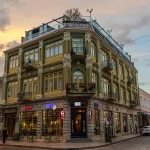
📷 Featured image by Diane Picchiottino on Unsplash.