On this page
- The Three Networks at a Glance
- Coverage Region by Region
- 2026 Budget Reality: What Plans Cost in GEL
- eSIM or Physical SIM?
- Buying Your SIM Step by Step
- Signal on Trains and Marshrutkas
- WiFi in Cafés and Guesthouses
- Topping Up Without Stress
- What Has Changed Since 2024
- Common Mistakes to Avoid
- Frequently Asked Questions
You land in Tbilisi, grab the cheapest SIM at the first counter, and everything works perfectly in the city. Then you reach Ushguli, open your map, and the signal bar is empty. This is the most common connectivity mistake visitors make in Georgia in 2026. The right SIM depends on where you are going, not just on price. This guide shows which operator covers the remote places, what each plan costs in GEL, and how to set everything up quickly.
The Three Networks at a Glance
Georgia has three mobile operators: MagtiCom (Magti), Silknet (which runs mobile service under the Geocell brand), and Beeline. All three sell prepaid SIMs to tourists, and all three need your passport at purchase.
Magti: the mountain choice
Magti has the most extensive and reliable coverage across Georgia, especially in remote and mountainous regions. It has a strong 4G/LTE presence and is the usual recommendation for Svaneti and Tusheti. Its app is MyMagti (iOS and Android), and the website is www.magticom.ge.
Silknet (Geocell): the strong second
Silknet is the second-largest operator. It gives good coverage in cities, towns and along main transport corridors, with competitive pricing. In very remote regions it is usually a little less extensive than Magti. Its app is MySilknet, and the website is www.silknet.com.
Beeline: the budget option
Beeline usually has the cheapest data bundles. Its network focuses on urban areas and major roads, so it is not recommended for extended trips in remote mountain regions, where its coverage can be very limited or non-existent. Its app is MyBeeline, and the website is www.beeline.ge.
Coverage Region by Region
Kazbegi (Stepantsminda)
Stepantsminda itself has good 4G/LTE coverage. Higher up, around Gergeti Trinity Church or in the Truso Valley, Magti usually holds the strongest signal, with Silknet next. Beeline can turn spotty or vanish in the more remote parts.
Svaneti: Mestia and Ushguli
In Mestia, both Magti and Silknet give generally good 4G/LTE, and Magti often has a slight edge. Ushguli is a different story. Magti is the dominant and often the only reliable provider there. Silknet may be very weak or intermittent, and Beeline is usually absent. If Ushguli or deeper Svaneti is on your list, choose Magti.
Tusheti, Racha and Khevsureti
Coverage here is much harder to count on. Magti gives you the best chance of a signal, especially in the larger villages, but expect long dead zones between settlements and on hiking trails. Silknet may work intermittently in some bigger villages. Beeline is highly unlikely to work at all.

- Download offline maps before you leave a town (Google Maps and Maps.me both work).
- Share your itinerary with someone, a guesthouse host or a friend at home.
- For truly off-grid trekking, consider a satellite communication device.
2026 Budget Reality: What Plans Cost in GEL
The prices below are 2026 estimates for tourist packages and standard 30-day bundles. Tourist package prices can vary slightly, so confirm the final price at the counter before you pay.
Budget tier
- Beeline “Welcome Package”: about 20–25 GEL for 5–8 GB, with some local calls and SMS, valid 15–30 days.
- Beeline 3 GB: 10 GEL for 30 days.
- Beeline 7 GB: 18 GEL for 30 days.
- Magti 5 GB: 15 GEL for 30 days (the cheapest way to get Magti coverage).
Mid-range tier
- Silknet “Tourist Package”: about 28–32 GEL for 8–12 GB, with some local calls and SMS, valid 15–30 days.
- Silknet 4 GB: 13 GEL for 30 days.
- Silknet 8 GB: 22 GEL for 30 days.
- Silknet 15 GB: 35 GEL for 30 days.
- Magti 10 GB: 25 GEL for 30 days.
Comfortable tier
- Magti “Tourist Welcome Pack”: about 30–35 GEL for 10–15 GB, with unlimited local calls and SMS, valid 15–30 days.
- Magti 20 GB: 40 GEL for 30 days.
- Magti unlimited data (speed is limited after a threshold): about 60–70 GEL for 30 days.
For most visitors, the Magti Tourist Welcome Pack gives the best mix of price, data and remote-area coverage. The gap between Beeline and Magti is only a few lari, which is small compared with losing signal in Svaneti.
eSIM or Physical SIM?
Both Magti and Silknet offer eSIM, and in 2026 the process is smoother than it was in 2024. An eSIM means no tiny card to swap, it is easy to keep your home number active alongside the Georgian one, and it suits phones with only one physical SIM slot. Beeline’s eSIM support is less developed, and it may still be limited or unavailable for new tourist activations, so check before you count on it.
New tourist eSIMs still most likely need a first visit to an operator store for passport checks, so do not rely on buying one fully online before you arrive. Make sure your phone is unlocked and eSIM-compatible before you fly.

Buying Your SIM Step by Step
The process is the same for all three operators. A valid international passport is mandatory, and tourists do not usually need any other documents.
- Find an operator store or kiosk. At Tbilisi airport, Magti and Silknet are in the arrivals hall, which is the most convenient option when you land.
- Tell the agent you want a prepaid SIM or eSIM.
- Hand over your passport. The agent scans it and enters your details.
- Choose a plan, either a tourist package or a standard data bundle.
- Pay in GEL. Cash and major cards (Visa, Mastercard) are accepted.
- The agent activates the SIM or gives you the eSIM QR code.
- Insert the SIM, or scan the QR code with your phone’s camera (or go to cellular settings and choose “Add Cellular Plan”).
- Test it by making a call or opening a web page.
Official Magti, Silknet and Beeline stores are in all the major cities, including Tbilisi, Kutaisi and Batumi, with branded storefronts that are easy to spot. Beeline has less presence at airports than the other two. Some electronics shops and supermarkets sell SIMs, but an official store is the safer choice for activation and plan advice. Allow 5–15 minutes, depending on the queue.
Signal on Trains and Marshrutkas
- Georgian Railway (Sakartvelos Rkinigza): On main routes such as Tbilisi to Batumi, Kutaisi or Zugdidi, coverage is generally good from all three operators. Magti and Silknet are the most consistent.
- Marshrutka minibuses: Coverage varies a lot. Along main intercity highways it is decent. On mountain routes, such as the roads to Kazbegi and Mestia or to more remote villages, expect frequent dead zones, especially with Beeline. Magti usually performs best.
Before a long marshrutka ride, load your maps, music and messages while you still have signal. Many travellers find the connection drops just as the road starts climbing.
WiFi in Cafés and Guesthouses
Good WiFi is the best backup when mobile signal fails. Most cafés, restaurants and bars in cities, and in many smaller towns, offer free WiFi. Look for a sign or ask staff for the password, though quality varies.
Hotels, guesthouses and most hostels provide free WiFi for guests. In remote guesthouses the speed may be basic, fine for messaging and email but not for big uploads, yet generally reliable. Public WiFi in city centres exists but is limited and not dependable enough to use as your main connection.

Topping Up Without Stress
You have four easy ways to add credit or buy a new bundle:
- Operator apps: MyMagti, MySilknet and MyBeeline let you check your balance, see active bundles, buy new ones and top up with a linked Visa or Mastercard.
- Self-service terminals: PayBox and Nova Technology terminals are everywhere, in supermarkets, metro stations and on street corners. Select “Mobile Operators” or the operator logo, enter your Georgian number, insert cash in GEL (or use the card reader on some machines), then confirm. Funds are usually added instantly.
- Operator websites: Pay directly with a bank card.
- Operator stores: Staff can help with top-ups or plan changes.
Top up while you are still in a town. Once you reach a mountain village, the nearest terminal may be a long way off and the app may not load.
What Has Changed Since 2024
- Smoother eSIM setup: Magti and Silknet lead, especially at airports. In 2024 the process was sometimes less intuitive for tourists.
- Small price rises: Bundle and tourist package prices are up roughly 5–15% over two years because of inflation, while data allowances have improved slightly for the same price thanks to competition.
- Network improvements: Ongoing infrastructure work has brought marginal gains in 4G/LTE coverage in some previously underserved areas, particularly from Magti.
- No major rule changes: Passport-based SIM registration for tourists is unchanged.
Common Mistakes to Avoid
- Choosing by price alone. Beeline saves a few lari, but if your route includes Ushguli, Tusheti or the upper Kazbegi valleys, you may have no signal at all.
- Forgetting your passport. No passport, no SIM. Keep it with you when you go to the store.
- Counting on a fully online eSIM. New tourist activations still most likely need a visit to a store, so plan to do it at the airport.
- Skipping offline maps. Even Magti has dead zones on hiking trails and between villages. Download maps in Google Maps or Maps.me before you leave town.
- Leaving top-up until the last minute. Mountain villages have fewer terminals and weaker signal for apps.
- Buying in a random shop. Supermarkets and electronics stores may sell SIMs, but an official operator store is the best place to get the right plan and proper activation.
- Going off-grid without a plan. Tell someone your route. For serious trekking, bring a satellite communication device.

Frequently Asked Questions
Which SIM has the best coverage in Georgia’s mountains?
Magti has the strongest coverage in remote and mountain areas in 2026. In Ushguli it is often the only reliable provider. Silknet works well in towns like Mestia and along main roads, while Beeline is best kept for cities. Even with Magti, expect dead zones on hiking trails.
Do I need a passport to buy a SIM card in Georgia?
Yes. A valid international passport is required for every SIM purchase in Georgia, and tourists do not usually need any other documents. The agent scans your passport, enters your details and activates the SIM on the spot. Bring the passport with you to the counter.
Can I get an eSIM at Tbilisi airport?
Yes. Magti and Silknet (Geocell) have kiosks or official stores in the arrivals hall at Tbilisi International Airport. Show your passport, choose a package, pay by Visa, Mastercard or cash, and scan the QR code the agent gives you. Expect 5–15 minutes, depending on the queue.
Is Beeline good enough for Kazbegi or Svaneti?
Not really. Beeline is the cheapest option but focuses on cities and major roads. In the higher valleys around Stepantsminda its signal can turn spotty or disappear, and in Ushguli it is usually absent. If you are heading to the mountains, choose Magti first and Silknet second.
How do I top up my Georgian SIM?
Use the operator app (MyMagti, MySilknet or MyBeeline) with a Visa or Mastercard, or pay on the operator’s website. You can also use PayBox and Nova Technology terminals in supermarkets and metro stations: choose the operator, enter your number, insert cash and confirm. Funds usually arrive instantly.
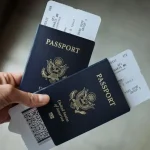
📷 Featured image by Mike Swigunski on Unsplash.