On this page
- Why Sighnaghi Is Georgia’s Most Rewarding Food Destination
- The Classic Dishes You’ll Eat Here
- Best Restaurants in Sighnaghi
- Wine Bars & Natural Wine Experiences
- Street Food, Bakeries & Market Eating
- Cooking Classes & Food Experiences
- Day Trip Eating: Villages & Wineries Near Sighnaghi
- 2026 Budget Breakdown for Eating in Sighnaghi
- Practical Tips for Eating Well in Sighnaghi
- Frequently Asked Questions
💰 Click here to see Georgia Budget Breakdown
💰 Prices updated: October, 2026. Budget figures are estimates — always verify before travel.
Exchange Rate: $1 USD = ₾2.60
Daily Budget (per person)
Shoestring: ₾70.00 – ₾130.00 ($26.92 – $50.00)
Mid-range: ₾180.00 – ₾350.00 ($69.23 – $134.62)
Comfortable: ₾500.00 – ₾1,000.00 ($192.31 – $384.62)
Accommodation (per night)
Hostel/guesthouse: ₾30.00 – ₾60.00 ($11.54 – $23.08)
Mid-range hotel: ₾110.00 – ₾200.00 ($42.31 – $76.92)
Food (per meal)
Budget meal: ₾15.00 ($5.77)
Mid-range meal: ₾35.00 ($13.46)
Upscale meal: ₾100.00 ($38.46)
Transport
Single metro/bus trip: ₾1.00 ($0.38)
Monthly transport pass: ₾40.00 ($15.38)
Why Sighnaghi Is Georgia’s Most Rewarding Food Destination
In 2026, Georgia’s food scene gets most of the international attention for Tbilisi. That’s understandable — the capital has the variety, the buzz, and the restaurants chasing awards. But serious food travelers who make it to Sighnaghi, the small walled town in Kakheti perched above the Alazani Valley, tend to say the same thing: this is where Georgian food actually makes sense. You’re eating the ingredients where they grow, drinking the wine where it ferments underground in clay, and sitting at tables run by families who have cooked this way for generations. The food isn’t performing for tourists. It just is what it is, and what it is happens to be extraordinary.
The other 2026 reality: Sighnaghi has seen a quiet but significant upgrade in its food scene over the past two years. A handful of new wine bars and one or two genuinely ambitious restaurants have opened without destroying the town’s small-scale intimacy. The infrastructure headache — the road from Tbilisi improved significantly after the 2025 resurfacing project — means the 110-kilometre drive now takes under two hours comfortably, and more people are staying overnight rather than rushing in and out on a day trip. That overnight crowd has pushed standards up.
The Classic Dishes You’ll Eat Here
Sighnaghi sits in Kakheti, and Kakhetian food has its own character within Georgian cuisine. The cooking here tends to be more austere and honest than in western Georgia — fewer walnut-heavy sauces, more reliance on the quality of the raw ingredient. Here’s what to actively seek out when you’re in town:

- Mtsvadi: Grilled pork or lamb skewers cooked over vine wood — the vine trimmings give the smoke a particular sweetness you don’t get elsewhere. Order these at any grill restaurant in the evening and watch them cook over open embers on the terrace.
- Badrijani nigvzit: Fried aubergine rolled around a filling of spiced walnut paste. In Sighnaghi, the local aubergines grown in the valley below are thinner and less bitter than what you get in the city — it makes a noticeable difference.
- Chadi with nadugi: Cornbread cooked in a pan, served alongside nadugi, a soft whey cheese that resembles fresh ricotta but carries more tang. This is a Kakhetian breakfast staple and almost impossible to find well-made outside the region.
- Chakapuli: A spring stew of lamb or veal with tarragon, tkemali (sour plum), and white wine. It only appears on menus between March and May when the tarragon is fresh. If you visit in that window, order it everywhere you eat.
- Lobiani: Flatbread stuffed with spiced kidney beans. Kakhetian bakers make a particularly good version — dense, slightly charred, and filling enough to be a full meal.
- Satsivi: Cold poultry in a rich walnut and spice sauce. In Kakheti it’s often made with turkey rather than chicken, and it’s typically served at room temperature as part of a cold spread.
The key detail to understand: most traditional Georgian meals in Sighnaghi arrive as a spread rather than a sequence of courses. Order two or three dishes and they’ll all arrive at once, family style. Bread — particularly the long shoti baked in a tone (clay oven) — comes automatically and keeps coming.
Best Restaurants in Sighnaghi
The town is small. You can walk from one end to the other in fifteen minutes. That keeps the restaurant count manageable, but the quality gap between venues is real — some places near the main square exist almost entirely for the tour-bus crowd and the food reflects that. The following spots are worth your time and your appetite.
Pheasant’s Tears Restaurant
This is the anchor of Sighnaghi’s serious food scene, and it remains essential in 2026. Connected to the natural wine project of the same name, the restaurant occupies a courtyard space on Baratashvili Street with wooden tables, candlelight in the evenings, and a menu that changes with the season. The kitchen cooks Kakhetian classics without fussing over them — the mtsvadi is consistently excellent, the cheese selection is sourced locally, and the bean dishes are the best in town. Mains run 20–35 GEL. Wine by the glass starts around 12 GEL and it’s some of the most interesting amber and red wine you’ll pour in Georgia. The courtyard in September smells of fermenting grapes from the adjacent winery. Book ahead for weekend dinners.
Restauranti Nikala
A family-run spot a short walk from the main square that handles the traditional Georgian spread better than almost anywhere in town. The portions are generous to the point of comedy — a table of two ordering four dishes will leave with leftovers. The kharcho (beef and rice soup with walnuts and spices) here is one of the better versions you’ll eat in Kakheti. The decor is simple and the service is unhurried but warm. Expect to pay 15–25 GEL per person for a full meal including wine from the house carafe.
Café Bazar
Positioned near the old city wall with a terrace view across the Alazani Valley and the Caucasus range beyond, Café Bazar earns its place not on food alone but on the full experience. The menu is reliable rather than ambitious — khinkali, grilled meats, salads — but the setting at dusk, when the mountains catch the last light and the valley below turns gold, makes it memorable. Prices are mid-range: 18–30 GEL per person.

Wine House Sighnaghi
More wine bar than restaurant but they serve a full food menu in 2026 including excellent churchkhela made in-house and a cold meze selection that pairs well with the amber wines on offer. The room is small — maybe thirty covers — and fills up on weekend evenings. Good option for a lighter meal or a long tasting afternoon.
Wine Bars & Natural Wine Experiences
Kakheti produces around 70% of Georgia’s wine, and the qvevri winemaking tradition — fermenting and aging wine in large clay vessels buried underground — is older here than almost anywhere else on earth. Sighnaghi sits in the middle of this, and in 2026 the town has a wine bar scene that punches well above its size.
Pheasant’s Tears (mentioned above) operates both a restaurant and a dedicated wine shop and tasting room on the same street. The project was founded by American painter John Wurdeman and winemaker Gela Patalishvili, and their qvevri wines — particularly the amber Rkatsiteli and the skin-contact Mtsvane — have become internationally recognized. A tasting of four wines with small accompaniments costs around 50–70 GEL per person and takes about ninety minutes if you take your time.
The town also has several small family cellars where guesthouses offer informal tastings as part of the stay. These aren’t commercial operations — you’re sitting in someone’s actual wine cellar, often on a wooden bench above a buried qvevri, drinking from a ceramic bowl while the host explains the vintage in enthusiastic Georgian with occasional English. These are the most authentic wine experiences in Sighnaghi and often cost nothing beyond what you spend on dinner.
For structured wine tourism, the Alazani Valley below Sighnaghi has multiple licensed winery operations including Shumi and Twins Old Cellar within a 20-kilometre drive. Both offer formal tasting rooms, tours of production facilities, and food pairings. A full winery visit with tasting runs 30–60 GEL per person depending on the wine selection.
Street Food, Bakeries & Market Eating
Sighnaghi’s daily market runs most mornings near the lower entrance to the old town, and it’s where the town’s actual food life happens. Elderly women from surrounding villages bring surplus produce — wild herbs, churchkhela (walnut-stuffed grape-juice candy), homemade cheeses, jars of tkemali and ajika. The prices are well below anything in Tbilisi and the quality is higher than any supermarket in the country. A large wheel of fresh sulguni cheese costs 12–18 GEL. A string of churchkhela runs 5–8 GEL.
The bakery situation in Sighnaghi is simple: find the working tone oven near the market and buy shoti directly from the baker. A fresh shoti loaf costs 1.50–2 GEL and the crust shatters slightly when you tear it, releasing a yeasty warmth that makes it almost impossible to stop eating before you’ve reached wherever you were going. This is the bread to eat with cheese and wine. Nothing else comes close.
Street-level snacks around the main square include vendors selling lobiani and other filled breads from small stands, particularly busy on weekends. A lobiani portion costs 3–5 GEL. For churchkhela specifically, the market versions made with grape juice from the current or previous harvest are noticeably fresher than the packaged versions sold in Tbilisi souvenir shops.
Cooking Classes & Food Experiences
The hands-on food experience market in Sighnaghi has grown meaningfully since 2024. Several guesthouses and local operators now offer structured cooking classes that go beyond the basic khinkali-folding session that became a cliché in Tbilisi years ago.
The most interesting format in 2026 is the full-day Kakhetian cooking experience offered by a handful of local families — you visit the market in the morning to buy ingredients, then spend three to four hours cooking a full Georgian feast that you eat for lunch. Sessions typically include making shoti in a tone oven, preparing two or three cold dishes, and learning to fold khinkali from scratch. Cost runs 80–120 GEL per person and usually includes wine. Look for operators advertising via the Sighnaghi guesthouse network — many are bookable through the main guesthouse platforms or directly via Instagram.
For a shorter experience, some wine producers in the valley offer grape-treading sessions during Rtveli (the autumn harvest, typically late September to mid-October). This is seasonal and increasingly popular — if you plan to visit during harvest season in 2026, book accommodation and any organized harvest experiences at least six weeks in advance. Rtveli is genuinely one of the best times to be anywhere in Kakheti.
Day Trip Eating: Villages & Wineries Near Sighnaghi
The eating doesn’t stop at the town walls. Within 30 kilometres of Sighnaghi, there’s a cluster of villages and winery estates worth building a meal around.
Bodbe Monastery Area
The monastery of Bodbe is 2 kilometres south of Sighnaghi and most visitors treat it as a quick religious site visit. But the road between Sighnaghi and Bodbe passes several small family guesthouses that serve lunch to non-staying guests — usually a set spread of Kakhetian dishes for 25–35 GEL per person including wine. Knock on the gate or look for the handwritten signs. These are some of the most relaxed lunches you’ll have in Georgia.
Tsinandali
About 35 kilometres northwest of Sighnaghi, the Tsinandali Estate has a formal restaurant alongside the museum and winery. The food is competent and the setting — a 19th-century manor house with formal gardens — is theatrical. Prices are higher than anywhere in Sighnaghi (mains 35–55 GEL) but the winery tour and tasting here is genuinely excellent and covers the history of European-style winemaking in Kakheti.
Gurjaani Village Stops
Gurjaani, 25 kilometres west, has a small but authentic local food market on weekend mornings and a couple of straightforward family restaurants serving village-style food without any tourist markup. If you’re driving between Sighnaghi and Telavi, stopping in Gurjaani for lunch costs 10–15 GEL per person and the food — simple grilled meats, fresh bread, local wine — is exactly what you want after a morning visiting monasteries.
2026 Budget Breakdown for Eating in Sighnaghi
Sighnaghi is significantly cheaper than Tbilisi for food and drink, and the quality-to-price ratio is among the best anywhere in Georgia. Here’s a realistic daily eating budget for 2026:
- Budget tier (30–50 GEL/day): Market breakfast with bread, cheese, and fruit (5–8 GEL). Lobiani or filled bread lunch from a street vendor (4–6 GEL). Simple family restaurant dinner with house wine carafe (20–30 GEL). You eat well at this level in Sighnaghi — the market and the bakery do most of the heavy lifting.
- Mid-range tier (80–130 GEL/day): Guesthouse breakfast included or café breakfast with coffee (10–15 GEL). Sit-down lunch at a local restaurant with wine by the glass (25–35 GEL). Dinner at Pheasant’s Tears or Nikala with a bottle of natural wine (50–70 GEL). This is the sweet spot for most food-focused visitors.
- Comfortable tier (150–220 GEL/day): Full restaurant meals at every sitting, proper wine tastings, a cooking class or winery tour, and cheese and charcuterie from the market as snacks. You’re not spending money on anything extravagant — there’s simply no ultra-luxury dining in Sighnaghi — but you’re buying the best of what’s available.
Note that wine tastings (50–70 GEL), cooking classes (80–120 GEL), and winery day trips (30–60 GEL) are additional costs on top of daily eating budgets. Factor these in if you’re planning structured food experiences.
Practical Tips for Eating Well in Sighnaghi
A few things that will make the difference between a good food trip and a great one:
- Lunch is the main meal: Most traditional Georgian families eat their largest meal at midday. Restaurants in Sighnaghi follow this pattern — lunch service is often more generous and better staffed than dinner. If you’re choosing one serious restaurant meal in a day, make it lunch.
- Cash is king at the market: The morning market and most small guesthouses operate on cash only. Carry GEL — the nearest ATM is on the main square and works reliably, but don’t arrive at the market planning to card-pay for cheese.
- Natural wine tastes different from what you know: If you’re new to Georgian amber (skin-contact) wines, expect something tannic, slightly cloudy, and deeply savory. It’s not a fault — it’s the style. Ask for a small pour before committing to a bottle if you’re unsure.
- Don’t rush the bread: Shoti baked fresh in a tone oven needs to cool for ten minutes before the inside is fully cooked through. Bakers will tell you this. Listen to them.
- Dinner reservations matter on weekends: Sighnaghi gets busy on Saturday nights, particularly between May and October. The town is small and the good restaurants are small. A quick phone call or Instagram message to Pheasant’s Tears or Nikala on a Friday afternoon can save you a lot of frustration.
- Rtveli timing: The grape harvest (late September to mid-October) transforms the entire food and drink atmosphere of the region. If you’re flexible on dates, plan around it.
Frequently Asked Questions
What is the best restaurant in Sighnaghi?
Pheasant’s Tears consistently offers the most complete experience — excellent Kakhetian food, outstanding natural wine, and a courtyard setting that feels genuinely special. For more traditional family-style cooking at lower prices, Restauranti Nikala is the local favorite. Both are worth visiting on the same trip if you’re staying more than one night.
What food is Sighnaghi known for?
Sighnaghi sits in Kakheti, so the local food is defined by grilled meats cooked over vine wood, fresh dairy including sulguni and nadugi cheese, bean dishes like lobiani, and the full range of Kakhetian cold spreads. The region is especially celebrated for its qvevri-fermented amber wines, which are served alongside almost every meal.
Is Sighnaghi good for vegetarians?
Better than many Georgian destinations. Georgian cuisine has a strong tradition of vegetable and bean-based dishes — badrijani, lobiani, pkhali (compressed vegetable and walnut preparations), bean soup, and various salads are all widely available and genuinely good. Most restaurants in Sighnaghi can build a full vegetarian spread without any special requests.
How much does a meal cost in Sighnaghi in 2026?
A full sit-down meal with wine at a mid-range restaurant costs 25–40 GEL per person. At Pheasant’s Tears with quality wines by the glass, budget 50–70 GEL. Street food and market eating brings costs down to 5–10 GEL per person. Sighnaghi remains noticeably cheaper than Tbilisi for comparable quality.
When is the best time to visit Sighnaghi for food and wine?
September and October are the peak food-and-wine months. The Rtveli grape harvest fills the valley with activity, restaurants run seasonal menus using just-harvested produce, and new wine from the current vintage is available for tasting. Spring (April–May) is the second-best window for food, when chakapuli and other seasonal dishes appear and the weather is mild for terrace dining.
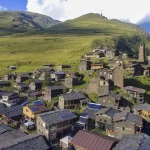
📷 Featured image by Nikita Ermilov on Unsplash.