On this page
- What Kind of Resort Is Bakuriani?
- The Slopes and Lift System in 2026
- Ski and Snowboard Rental and Lessons
- Beyond Skiing — Other Winter Activities
- Where to Eat on the Mountain and in Town
- Getting to Bakuriani
- Day Trip or Overnight?
- 2026 Budget Reality
- Practical Tips Before You Go
- Frequently Asked Questions
💰 Click here to see Georgia Budget Breakdown
💰 Prices updated: October, 2026. Budget figures are estimates — always verify before travel.
Exchange Rate: $1 USD = ₾2.60
Daily Budget (per person)
Shoestring: ₾70.00 – ₾130.00 ($26.92 – $50.00)
Mid-range: ₾180.00 – ₾350.00 ($69.23 – $134.62)
Comfortable: ₾500.00 – ₾1,000.00 ($192.31 – $384.62)
Accommodation (per night)
Hostel/guesthouse: ₾30.00 – ₾60.00 ($11.54 – $23.08)
Mid-range hotel: ₾110.00 – ₾200.00 ($42.31 – $76.92)
Food (per meal)
Budget meal: ₾15.00 ($5.77)
Mid-range meal: ₾35.00 ($13.46)
Upscale meal: ₾100.00 ($38.46)
Transport
Single metro/bus trip: ₾1.00 ($0.38)
Monthly transport pass: ₾40.00 ($15.38)
Bakuriani had a reputation problem for years — underpowered lifts, long queues on weekends, and infrastructure that felt stuck in the Soviet era. That changed significantly between 2024 and 2026. Two new chairlifts opened on the Kokhta sector, a refurbished gondola now runs on Didveli, and the resort has started attracting skiers from Turkey, Armenia, and the Gulf who previously would have flown straight to Gudauri. If you are planning a winter trip and trying to decide where to go, Bakuriani in 2026 is a genuinely different proposition from what older blog posts describe. This guide reflects what is actually on the mountain right now.
What Kind of Resort Is Bakuriani?
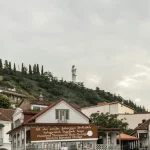
Bakuriani sits at around 1,700 metres above sea level in the Trialeti mountain range, about 175 kilometres southwest of Tbilisi. It is a pine-forested plateau town, not a dramatic alpine valley, which gives it a different character from Gudauri. The landscape is softer, the pine smell is constant, and the town itself has hotels, restaurants, and guesthouses spread out across a wide area rather than clustered at one base station.
This is fundamentally a family and beginner-friendly resort. The slopes are not steep by international standards, which is exactly why it works well for people learning to ski or travelling with young children. Experienced skiers can still find good runs on the upper Didveli sector, but if you are chasing steep couloirs and back-country terrain, Gudauri is a better match. Bakuriani rewards a different kind of trip — slower, more relaxed, with good food back in town and proper accommodation rather than overpriced slope-side chalets.
The town also has a strong Soviet-era nostalgia feel. The old narrow-gauge railway station, the pine-lined main street, the sanatoriums converted into hotels — it has genuine character that goes beyond the ski resort infrastructure.
The Slopes and Lift System in 2026
Bakuriani’s ski area splits into two main sectors: Didveli and Kokhta. They are not ski-linked, meaning you need to travel by road or resort shuttle between them.
Didveli
This is the main sector and the one most visitors use. The refurbished gondola, which opened fully in late 2025, runs from the base at around 1,850 metres to just under 2,800 metres. The journey takes about 12 minutes and the views across the Trialeti range — pale ridgelines stretching west toward Borjomi — are worth the ride even if you never ski a run. From the top, there are marked green and blue runs, a longer red run down the south face, and off-piste options in the trees below the ridge. Total vertical drop is around 900 metres.

Kokhta
The two new chairlifts installed in 2024–2025 have transformed this sector from a quiet local spot into a proper training area. It is lower altitude (base around 1,750 metres) and the runs are shorter, making it ideal for beginners and children. Ski schools operate here, and it is noticeably less crowded than Didveli on peak weekends.
A combined day pass covering both sectors costs around 75–90 GEL in 2026 depending on the week. Weekends in January and February sell out advance lift passes, so booking online through the resort’s own portal at least three days ahead is strongly recommended.
Ski and Snowboard Rental and Lessons
Rental shops line the road approaching Didveli base station. The quality varies considerably. For decent modern equipment — shaped skis, properly fitted boots — head to Ski Point Bakuriani near the gondola entrance or Snow Zone about 200 metres back down the access road. Both rent full ski sets (skis, boots, poles) for around 40–55 GEL per day. Snowboard sets run 50–65 GEL. Helmets are available for 10–15 GEL extra and worth taking, especially for children.
For lessons, the Bakuriani Ski School operates out of the Kokhta sector and has English-speaking instructors available with 48 hours’ notice — confirm this when booking. A two-hour group lesson costs around 80 GEL per person. Private instruction runs 150–200 GEL for two hours. Children’s group lessons run through most of the day in a dedicated beginner area with a small drag lift that is not intimidating for very young kids.
If you have your own gear, storage lockers are available at both base stations for 10 GEL per day.
Beyond Skiing — Other Winter Activities
A significant part of Bakuriani’s winter appeal is that non-skiers are not left with nothing to do. The town and surrounding forests offer several worthwhile alternatives.
- Sledding: There is a dedicated sledding slope near the Kokhta base that runs until around 8pm. Sled rental costs 15–20 GEL for the session. On a clear evening, the sound of children shrieking down the lit slope against a background of dark pine trees is genuinely entertaining to watch from the adjacent café terrace.
- Snowshoeing: The pine forest east of town has marked snowshoe trails. A few guesthouses and the Bakuriani Adventure Centre rent snowshoes for 25–30 GEL per day and provide basic trail maps.
- Horse-drawn sleigh rides: Available on the edge of town near the old railway station. These run to a small frozen lake area about 3 kilometres out. Prices are negotiable but expect to pay 50–80 GEL for a round trip for two people.
- Bitsisi Canyon walk: A short gorge walk accessible in winter with proper boots. The waterfall at the end partially freezes in January and February and is impressive without requiring any technical equipment.
Where to Eat on the Mountain and in Town
Food at the Didveli base and mid-station is functional rather than memorable. The slope-side cafeterias serve hot soups, khinkali, and coffee at prices that are higher than town but not outrageous — a bowl of bean soup (lobiani) costs around 12 GEL, khinkali 2–3 GEL each. The mid-station terrace is a good lunch spot on a clear day, with the smell of pine resin mixing with woodsmoke from the outdoor heater.
For dinner back in town, three places stand out:
- Retro Restaurant on the main street serves proper Georgian mountain food — a generous portion of chikhirtma (chicken and egg soup) costs 14 GEL, and their churchkhela dessert plate is homemade rather than shop-bought.
- Pine House Café near the old train station does better-than-average pizza alongside Georgian dishes, useful if you are travelling with children who are not enthusiastic about khinkali.
- Tamara’s Guesthouse Kitchen, a small operation behind the park, does a set dinner for 35 GEL per person that is genuinely home-cooked — the host makes her own tkemali (plum sauce) from the summer harvest.
Getting to Bakuriani
The most atmospheric option is the narrow-gauge train from Borjomi, a 37-kilometre, 2.5-hour journey through forested gorges. The train runs twice daily and costs around 3 GEL. It is slow, sometimes cold, and the windows are not always clean — and it is still one of the better travel experiences in the Caucasus. Check the Georgian Railway schedule in advance as winter timetables occasionally shift.
From Tbilisi, the practical route in 2026 is a marshrutka from Didube bus station to Borjomi (roughly 3 hours, 15–18 GEL), then either the train or a local taxi from Borjomi to Bakuriani (30–40 GEL by taxi, about 40 minutes). Some marshrutka operators in Tbilisi now run a direct Bakuriani service on weekends during ski season — ask at Didube the week before your trip as these are not always advertised online.
By car from Tbilisi takes about 2.5–3 hours via the Borjomi road. Winter tyres or chains are necessary after significant snowfall. The road from Borjomi up to Bakuriani can be icy in January and February, and 2WD cars have struggled on it in recent winters.
Day Trip or Overnight?
Day trips from Tbilisi are possible but leave you with about four to five hours on the mountain after travel time, which is tight if you want to make the most of a lift pass. From Borjomi or Akhaltsikhe, a day trip is more sensible — you can be on the slopes by 10am and back by evening without rushing.
For most visitors coming from Tbilisi, an overnight stay of at least one night makes the trip worth the effort. Two nights is ideal — ski the first day, explore the town and do a non-ski activity on the second morning, leave early afternoon. Weekend packages at mid-range guesthouses often include breakfast and fill up fast in January and February, so book at least two weeks ahead during peak season.
2026 Budget Reality
Budget (around 120–160 GEL per person per day)
- Guesthouse bed in a shared room or simple double: 50–70 GEL per person
- Kokhta sector day pass: 45–55 GEL
- Rental equipment (basic): 40 GEL
- Meals at slope-side cafeteria and one sit-down dinner: 30–40 GEL
Mid-Range (around 250–350 GEL per person per day)
- Hotel double room: 120–180 GEL per person
- Combined Didveli + Kokhta pass: 75–90 GEL
- Decent rental equipment: 55 GEL
- Two proper sit-down meals with drinks: 60–80 GEL
Comfortable (350 GEL+ per person per day)
- Boutique hotel or chalet with breakfast: 200–300 GEL per person
- Full-day combined pass plus equipment: 150 GEL
- Private ski lesson (2 hours): 150–200 GEL
- Restaurant dinners with wine: 80–120 GEL
Practical Tips Before You Go
- Best snow: January and February reliably have the best conditions. December can be patchy. March skiing is possible but the lower runs soften by midday.
- Crowds: Georgian school holidays (late December through early January, and the week around Orthodox Christmas on 7 January) are the busiest period. If you can go in mid-January or early February on weekdays, you will have much shorter lift queues.
- Clothing: Wind on the upper Didveli runs is consistent and cold. A proper windproof outer layer matters more here than insulation — temperatures at the top often sit between -5°C and -12°C in January.
- Mobile coverage: Magticom and Silknet have reasonable signal in town. On the upper Didveli sector, coverage is intermittent. Download offline maps before heading up.
- Cash: Most rental shops and smaller cafés are cash only. The town has two ATMs. Bring enough GEL from Tbilisi rather than relying on the machines being stocked on a busy weekend.
Frequently Asked Questions
How does Bakuriani compare to Gudauri?
Gudauri sits higher (base around 2,200 metres), has more vertical drop, better conditions for advanced skiers, and more international-standard infrastructure. Bakuriani is lower, greener, more family-oriented, and noticeably cheaper. The two resorts suit different trips rather than one being objectively better than the other.
Can I visit Bakuriani without skiing?
Absolutely. The pine forest snowshoe trails, sledding slope, horse-drawn sleigh rides, Bitsisi Canyon walk, and the narrow-gauge train journey from Borjomi all give non-skiers a full winter itinerary. Several visitors use Bakuriani purely as a quiet winter mountain retreat with good food and fresh air.