On this page
- There’s More to Sighnaghi Than a Wine Glass
- Walking the Fortress Walls: Sighnaghi’s Best Free Experience
- The Pirosmani Museum: A Painter Who Changed Georgian Art Forever
- Ceramics, Felt, and Craft Workshops in the Old Town
- Reading the Old Town’s Streets Like a Map of Georgian History
- Trails, Forest, and the Alazani Floodplain on Foot
- Bodbe Convent and the Wider Kakheti Spiritual Landscape
- The Saturday Market and Where Locals Actually Eat
- Day Trips from Sighnaghi That Don’t Require Renting a Car
- Festivals and Seasonal Events Worth Timing Your Visit Around
- What Things Actually Cost in Sighnaghi in 2026
- Getting to Sighnaghi and Practical Notes for 2026
- Frequently Asked Questions
💰 Click here to see Georgia Budget Breakdown
💰 Prices updated: October, 2026. Budget figures are estimates — always verify before travel.
Exchange Rate: $1 USD = ₾2.60
Daily Budget (per person)
Shoestring: ₾70.00 – ₾130.00 ($26.92 – $50.00)
Mid-range: ₾180.00 – ₾350.00 ($69.23 – $134.62)
Comfortable: ₾500.00 – ₾1,000.00 ($192.31 – $384.62)
Accommodation (per night)
Hostel/guesthouse: ₾30.00 – ₾60.00 ($11.54 – $23.08)
Mid-range hotel: ₾110.00 – ₾200.00 ($42.31 – $76.92)
Food (per meal)
Budget meal: ₾15.00 ($5.77)
Mid-range meal: ₾35.00 ($13.46)
Upscale meal: ₾100.00 ($38.46)
Transport
Single metro/bus trip: ₾1.00 ($0.38)
Monthly transport pass: ₾40.00 ($15.38)
There’s More to Sighnaghi Than a Wine Glass
Sighnaghi has a reputation problem — a very pleasant one. Visitors arrive expecting charming streets and a glass of Rkatsiteli, and that’s exactly what they get. But most leave without realising they’ve only scratched the surface. In 2026, with weekend tourist traffic from Tbilisi heavier than ever after the expansion of shared-taxi services on the Tbilisi–Sighnaghi route, the wine tourism bubble has grown thick enough that entire guesthouses are built around cellar tours alone. If you’ve already booked a winery visit or two, great — but this guide is for everything else. The town rewards the curious traveller who slows down, walks the perimeter walls at dusk, or wanders into a ceramics workshop where a woman is pressing clay by hand while her grandmother watches from a plastic chair in the corner.
Walking the Fortress Walls: Sighnaghi’s Best Free Experience
The 18th-century defensive wall that wraps around Sighnaghi is one of the largest surviving fortress complexes in the South Caucasus, and almost nobody actually walks the full circuit. Most visitors photograph a tower from below and move on. The wall stretches roughly 4.5 kilometres and connects 23 towers — you can access sections from multiple points around the old town without paying a single lari.
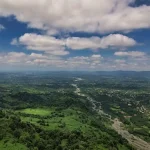
Start from the main square near the town hall and follow the wall south toward Tower 3, where a gap in the stonework lets you step onto the walkway. From the upper sections, the Alazani Valley opens below you in a way that no balcony or restaurant terrace can match — on a clear morning, the snowcapped ridgeline of the Greater Caucasus appears to float above a blanket of vineyard green. In autumn during Rtveli season, the colours below shift through amber and rust while the air smells faintly of fermenting grapes drifting up from the valley floor.
The full circuit takes about 90 minutes at a relaxed pace. Wear proper shoes — sections of the path are uneven stone, slick after rain. Early morning or evening light is genuinely dramatic here. The wall is accessible year-round at no cost.
The Pirosmani Museum: A Painter Who Changed Georgian Art Forever
Niko Pirosmani was born in the village of Mirzaani, just 12 kilometres from Sighnaghi, and the museum dedicated to him in the town centre is one of the most undervisited cultural spaces in all of Kakheti. Pirosmani spent much of his life in poverty, painting on black oilcloth for tavern owners who paid him in food and wine. His work — peasants, animals, feasts, lone figures in Georgian landscapes — is naïve in technique but devastating in emotional weight.
The museum holds original works and reproductions alongside biographical material that traces his Kakhetian childhood and his later years in Tbilisi. Even if you know nothing about Georgian art history, the paintings read immediately. A she-bear nursing her cubs, a fisherman on a moonlit Alazani — these aren’t decorative. They ache. Budget around 45 minutes to an hour here. Admission in 2026 is 5 GEL for adults, 1 GEL for students. The museum is closed on Mondays.
The village of Mirzaani itself is worth a half-day if you have a car or can arrange a taxi (roughly 30–35 GEL return from Sighnaghi). Pirosmani’s childhood home has been preserved as a small museum annex, and the surrounding countryside looks almost exactly as it does in his paintings — flat, wide, quietly melancholy.
Ceramics, Felt, and Craft Workshops in the Old Town
Sighnaghi has a small but genuine craft community that predates the wine tourism surge. Several working studios operate in the old town, and a handful welcome visitors who want to watch or participate rather than just buy.
On the street running parallel to the western wall, a ceramics workshop has operated for over a decade under a local family. The work draws on Kakhetian folk motifs — pomegranates, grapevines, deer — rendered in earthy terracotta glazes. You can watch pieces being thrown on a wheel and, with advance arrangement (ask your guesthouse to call ahead), join a short hands-on session for around 40–60 GEL per person.
Felt-making workshops appear occasionally as part of organised craft days, particularly around the Sighnaghoba festival in late summer. The Sighnaghi Tourism Information Centre, located near the main square, keeps an updated list of which studios are currently open to visitors — this changes seasonally, so it’s worth stopping in on your first morning rather than relying on last year’s listings online.
A small gallery space near the Pirosmani Museum sells work by contemporary Kakhetian artists — paintings, textile pieces, and hand-carved wood objects. Prices are honest and the work is far more interesting than the souvenir shops along the main tourist drag.

Reading the Old Town’s Streets Like a Map of Georgian History
Sighnaghi’s old town wasn’t built for tourists — it was built as a fortified refuge for the people of the Alazani Valley during centuries of raids from the south. That history is written into the architecture if you know where to look.
The characteristic wooden balconies overhanging the narrow lanes are a Kakhetian adaptation of Persian courtyard architecture, filtered through centuries of local building tradition. The carved wooden screens — ornamented jalis — that shade many of the upper windows aren’t decorative additions. They allowed inhabitants to observe the street without being seen, a practical necessity during uncertain times.
Walk down from the main square toward the lower residential quarter and the tourist infrastructure thins within two blocks. Here, families still live in houses that have been in continuous habitation for 150 years or more. Laundry dries on lines strung between balconies. An elderly man tends a small garden of herbs behind a low stone wall. The smell of wood smoke from a summer kitchen drifts across the lane. These streets are not a museum — they are a working neighbourhood, and they should be walked quietly and respectfully.
Look for the carved stone doorframes on older houses, the iron boot-scrapers set into the threshold stones, and the occasional Soviet-era mosaic panel surviving on a plastered wall. These small details build a picture of a town that has layered its history without erasing it.
Trails, Forest, and the Alazani Floodplain on Foot
Most visitors to Sighnaghi never leave the old town on foot. That’s a missed opportunity, because the landscape surrounding the town is genuinely beautiful and physically accessible without a vehicle.
The path down to Bodbe Convent through the forest is a 25-minute walk from the town’s lower gate — a winding track through mixed oak and hornbeam that’s cool even in midsummer. The forest floor in spring is carpeted with wood anemones, and in autumn it smells of leaf mould and wet earth after rain.
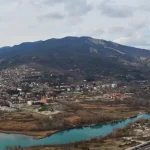
For a longer walk, the Alazani floodplain below the town offers flat, easy paths through wetland vegetation along the river. This is exceptional birdwatching territory — the floodplain hosts significant populations of migrating waterfowl in spring and autumn, and the river itself is fringed with willows and poplar that turn gold in October. The walk from the lower town to the river takes about 40 minutes; allow two to three hours for a relaxed return loop.
In 2026, a section of marked trail between Sighnaghi and the village of Vachnadziani has been improved with basic waymarking as part of a Kakheti rural tourism initiative. The trail passes through working vineyards and small orchards before descending to the village — about 8 kilometres one way. A local taxi back costs roughly 20–25 GEL.
Bodbe Convent and the Wider Kakheti Spiritual Landscape
Bodbe Convent sits 2 kilometres below Sighnaghi and holds the tomb of St. Nino — the woman credited with bringing Christianity to Georgia in the 4th century. It is one of the most significant pilgrimage sites in the South Caucasus, visited by Georgian Orthodox faithful year-round, and it operates on a different rhythm entirely from the tourist town above.
The main church, dedicated to St. George, was heavily restored in the 19th century but retains elements dating to the early medieval period. The atmosphere inside is dense with incense and candlelight; the sound of chanting carries through the stone walls on Sunday mornings. Below the convent complex, a long staircase descends through terraced gardens to a sacred spring where pilgrims collect water. The walk down and back up takes about 20 minutes and is worth doing even if you have no religious interest — the garden is beautifully maintained and the views back up to the convent walls are striking.
Bodbe is part of a broader spiritual circuit through Kakheti that also includes the Alaverdi Cathedral (near Telavi), the cave monastery at Nekresi, and the hilltop churches of the Gombori range. None of these require a private vehicle if you’re willing to combine marshrutkas with shared taxis.
The Saturday Market and Where Locals Actually Eat
The Saturday market held in the lower part of town near the main road is the real pulse of Sighnaghi’s local life. Farmers from surrounding villages arrive by 7am with seasonal produce — bundles of tarragon and coriander, jars of tkemali, dried churchkhela strings, home-pressed sunflower oil in recycled bottles, and whatever fruit is in season. By 10am, the tourist-facing stalls have set up alongside them, but the core market remains practical and local.
Buy churchkhela here rather than from the souvenir shops — the texture is entirely different. Fresh walnut churchkhela has give, not the dried-out chewiness of pieces that have been sitting in a tourist basket for two weeks. A full string costs 4–7 GEL depending on length and nut type.
For eating, the best food in Sighnaghi isn’t in the wine-pairing restaurants catering to weekend visitors from Tbilisi. Look for the small canteen-style places on the streets below the main square, where a full lunch of soup, bread, and a main dish costs 15–20 GEL. Ask your guesthouse host where they eat — not where they send guests. The answers are usually different.
There are also several family-run khinkali spots in the residential quarter that operate informally, often only open Thursday through Sunday. Again, your guesthouse host is the best source of current information.
Day Trips from Sighnaghi That Don’t Require Renting a Car
Sighnaghi sits in a strong position for exploring central Kakheti without your own vehicle. Shared taxis and marshrutkas connect the town to several worthwhile destinations.
- Telavi (45 km): Kakheti’s regional capital, with the Batonis Tsikhe fortress, the Telavi market, and the famous plane tree that has stood for 900 years. Shared taxis depart from the Sighnaghi lower junction; the ride takes about an hour and costs 8–12 GEL per seat. From Telavi, you can reach Alaverdi Cathedral and Tsinandali Estate by local marshrutka.
- Gremi Fortress (60 km): A 16th-century citadel and church on a dramatic rocky outcrop near Kvareli. Best reached via Telavi as a stopover. Allow a full day for the combination.
- Nekresi Monastery (70 km): One of Georgia’s oldest monastic sites, perched above the Alazani Valley. The road up is served by shared taxis from Kvareli; the final stretch requires a 4WD shuttle or a 30-minute hike.
- Mirzaani Village (12 km): Pirosmani’s birthplace and childhood home, preserved as a museum annex. Worth combining with a morning at the Sighnaghi museum.
- Lagodekhi Protected Areas (80 km): Georgia’s easternmost national park, bordering Russia and Azerbaijan. Day hike permits are required and must be arranged in advance through the Protected Areas Agency. Shared taxi from Kvareli to Lagodekhi runs regularly.
Festivals and Seasonal Events Worth Timing Your Visit Around
Sighnaghi has two annual events that fundamentally change how the town feels and both are worth planning around.
Sighnaghoba takes place in late August and is the town’s own festival, filling the main square and surrounding streets with folk music, dancing, craft stalls, and food from across Kakheti. In 2026, the festival is scheduled for the third weekend of August. Accommodation fills up completely — book at least 6–8 weeks ahead if you want to stay in town rather than commuting from Tbilisi.
Rtveli, the grape harvest season, runs from mid-September through October across Kakheti. In Sighnaghi, this means the air carries the thick, sweet smell of fermenting juice from the valley below, roadside stalls sell fresh grape juice and churchkhela still soft from the pot, and even the most anti-winery visitor finds it hard to ignore the energy of the harvest. Several family guesthouses offer informal harvest participation — ask when booking.
The week before Orthodox Easter is a quieter but atmospherically rich time to visit, particularly for the candlelit evening services at Bodbe Convent, which draw pilgrims from across Georgia.
What Things Actually Cost in Sighnaghi in 2026
Sighnaghi sits in the mid-range of Georgian travel costs. It’s noticeably more expensive than rural Kakheti but significantly cheaper than central Tbilisi for accommodation.
- Budget tier (under 80 GEL/day): Dorm bed in a guesthouse 30–40 GEL, meals at local canteens 10–20 GEL per sitting, market snacks, free wall walks, 5 GEL museum entry. Entirely achievable with planning.
- Mid-range (80–200 GEL/day): Private room in a family guesthouse 70–120 GEL, sit-down meals 25–45 GEL per person, occasional taxi for day trips, paid workshops. This is the most comfortable way to experience the town properly.
- Comfortable (200+ GEL/day): Boutique guesthouse with valley views 150–250 GEL per night, wine-pairing dinners 60–100 GEL per person, private driver for day trips 150–200 GEL, ceramics workshops, guided walks.
ATMs are available in town but can run out of cash on busy weekends. Bring sufficient lari from Tbilisi if visiting during Sighnaghoba or peak Rtveli season.
Getting to Sighnaghi and Practical Notes for 2026
The standard route from Tbilisi is by shared taxi from Ortachala bus station, taking roughly 1.5–2 hours and costing 15–20 GEL per seat. In 2026, a new coordination app for Kakheti-bound shared taxis has made it easier to pre-book a seat the night before — your guesthouse can assist with this.
There is no train to Sighnaghi. The nearest rail station is at Gombori junction, which requires an onward taxi. For most visitors, shared taxi remains the fastest and most practical option.
Mobile coverage is reliable throughout the old town on all three major Georgian networks. The Magti and Silknet SIM cards both work well in Kakheti. Water from taps in Sighnaghi is generally safe but has a mineral taste; bottled water is cheap and widely available.
Sighnaghi is extremely safe for solo travellers, including solo women. The town is small enough that you’re rarely more than ten minutes from your guesthouse on foot. Tipping is not mandatory but 10% is appreciated at sit-down restaurants. At family guesthouses, a small gesture at the end of a multi-night stay is warmly received.
Most shops and non-restaurant businesses close between 2pm and 4pm, particularly in summer. Plan museum visits for morning or late afternoon.
Frequently Asked Questions
Is Sighnaghi worth visiting without doing winery tours?
Completely. The fortress walls, Pirosmani Museum, Bodbe Convent, local market, craft workshops, and surrounding hiking trails offer a full two to three days of activity entirely independent of wine. Many visitors find the non-winery elements more memorable than the tastings.
How do I get from Tbilisi to Sighnaghi without a car?
Shared taxis depart from Ortachala bus station in Tbilisi throughout the morning. The journey takes 1.5–2 hours and costs 15–20 GEL per person. Pre-booking via a coordination app the evening before is the most reliable approach, especially on Friday and Saturday mornings — your guesthouse can help with this.
How many days should I spend in Sighnaghi?
Two full days covers the town’s highlights comfortably. Three days allows time for the Alazani floodplain walk, a day trip to Telavi or Nekresi, and a slower pace through the old town streets. One day is possible but rushed — you’ll leave feeling you missed something.
What is the best time of year to visit Sighnaghi?
Late September and October during Rtveli harvest season offers the richest sensory experience of Kakheti. May and June are excellent for wildflowers and mild temperatures. August is busy and hot but Sighnaghoba festival makes the third weekend worthwhile. January and February are cold but quiet and peaceful.
Is Bodbe Convent free to visit?
Yes, entry to Bodbe Convent is free. Modest dress is required — shoulders and knees covered for both men and women. Headscarves for women are available at the entrance. The sacred spring below the convent involves a 10–15 minute walk down steps through the gardens; the path is well-maintained in 2026.
Explore more
Where to Stay in Sighnaghi: Best Hotels & Guesthouses for Every Budget
The Best Bars in Sighnaghi: Where to Drink in the City of Love
📷 Featured image by Aydin Hassan on Unsplash.