💰 Click here to see Georgia Budget Breakdown
💰 Prices updated: October, 2026. Budget figures are estimates — always verify before travel.
Exchange Rate: $1 USD = ₾2.60
Daily Budget (per person)
Shoestring: ₾70.00 – ₾130.00 ($26.92 – $50.00)
Mid-range: ₾180.00 – ₾350.00 ($69.23 – $134.62)
Comfortable: ₾500.00 – ₾1,000.00 ($192.31 – $384.62)
Accommodation (per night)
Hostel/guesthouse: ₾30.00 – ₾60.00 ($11.54 – $23.08)
Mid-range hotel: ₾110.00 – ₾200.00 ($42.31 – $76.92)
Food (per meal)
Budget meal: ₾15.00 ($5.77)
Mid-range meal: ₾35.00 ($13.46)
Upscale meal: ₾100.00 ($38.46)
Transport
Single metro/bus trip: ₾1.00 ($0.38)
Monthly transport pass: ₾40.00 ($15.38)
Most visitors to Kakheti treat Telavi as a stopover between Tbilisi and the prettier village of Signaghi. That’s a mistake. Telavi is the actual capital of Georgia’s wine country, and in 2026 it has quietly grown into one of the most rewarding regional destinations in the country — with serious wineries, a working old town, and a food scene that has finally caught up with its agricultural wealth. The challenge is that information online is patchy, many wineries don’t accept walk-ins, and the town looks unimpressive from the highway. This guide gets past all of that.
What Makes Telavi Different from Other Kakheti Towns
Telavi sits at roughly 500 metres above sea level on the slopes of the Tsiv-Gombori range, looking out across the Alazani Valley toward the snow-capped Caucasus. The view alone separates it from flat, exposed towns like Gurjaani or Dedoplistskaro. The town has actual urban texture — a crumbling 17th-century fortress, a massive plane tree reputedly over 900 years old that stands in the middle of the old town, and streets with both Soviet housing blocks and traditional Kakhetian courtyards behind carved wooden balconies.
It’s also a working town. Winemakers, farmers, and local families use Telavi every day. That keeps prices lower than Signaghi, which has been almost entirely reoriented toward tourism. The market near the central square on weekday mornings is one of the most genuine in eastern Georgia — wooden crates of fresh tkemali plums, dried churchkhela in every colour, local cheese sold by women who made it that morning.
In 2026, a small cluster of boutique hotels and wine bars has grown up around the Batonis Tsikhe fortress area without overwhelming the neighbourhood. The balance still feels right.
The Wineries Worth Your Time in 2026
Kakheti has over 20,000 registered wine producers. Not all of them are worth a detour. The following are genuinely excellent and accessible from Telavi.
Schuchmann Wines
About 8 kilometres from the town centre, Schuchmann is one of the most visitor-ready estates in the region. The tasting rooms are professional without being sterile, and the qvevri-aged Rkatsiteli they produce — amber-coloured, tannic, with a dried-apricot finish — is a benchmark example of Georgia’s ancient winemaking method. Book ahead; the estate fills up on weekends from April through October. Guided tastings run from around 35–55 GEL per person depending on the tier you choose.
Twins Wine House
Run by twin brothers in the village of Napareuli, roughly 12 kilometres north of Telavi, this winery offers one of the most personal tasting experiences in Kakheti. The cellar tour goes deep into the qvevri production process, and the brothers or their staff explain the Kakhetian method — whole-bunch fermentation with skins and stems left in contact for months — in plain language that makes sense to people who don’t drink wine professionally. Prices in 2026 are around 40–60 GEL for a full tasting with food pairings.
Khareba Winery
Located in the village of Kvareli, about 35 kilometres from Telavi, Khareba is technically outside the immediate area but worth the drive. The winery is built into 7.7 kilometres of tunnels carved into a mountain during the Soviet era. The temperature inside stays at around 14°C year-round. Walking through those tunnels — cool air, stone walls glistening, the faint smell of oak and stone — is one of the genuinely strange and memorable experiences in Georgian wine country. A basic tunnel tour and tasting costs 20–35 GEL.
Small Producers in Town
Ask at your guesthouse about family-run marani (wine cellars) that accept visitors. In 2026, several households near the old market now offer informal tastings directly from qvevri buried in their courtyards. There’s no booking system, no tasting menu — just a plastic chair, a clay cup, and wine made by the family that’s been doing it for generations. Bring cash. A contribution of 10–15 GEL is appropriate and genuinely appreciated.
Cultural Gems Beyond the Wine
Wine is the reason most people come. Culture is the reason some of them stay an extra night.
Batonis Tsikhe Fortress
This 17th to 18th-century royal fortress in the centre of Telavi was the seat of the Kakhetian kings. The walls are largely intact, the interior contains a small but well-curated museum of Kakhetian royal history, and the grounds are quiet enough on weekday mornings that you can walk them alone. Entrance is 5 GEL. The view from the upper ramparts across the rooftops toward the Alazani Valley is the best orientation point in the town.
The Ancient Plane Tree
It sounds like a minor attraction until you stand next to it. The tree is estimated to be between 800 and 900 years old, with a trunk circumference of over 11 metres. It stands in a small square near the old town and is genuinely enormous — the kind of scale that makes you recalibrate how old the region’s human history actually is. It’s free, it takes five minutes, and almost every visitor to Telavi walks past it without stopping.

Alaverdi Cathedral
About 20 kilometres from Telavi, Alaverdi is one of the tallest medieval churches in the South Caucasus, rising 50 metres above the valley floor. The monastery complex is still active — monks live and work here — and the attached winery produces wine from grapes grown on the monastery grounds using methods that date back to the 11th century. The church interior, with its dim candlelight and partially preserved medieval frescoes under layers of later whitewash, is the most atmospheric sacred space in Kakheti. Dress modestly. Entry is free.
Where to Eat in Telavi
The food scene in Telavi has improved noticeably since 2024. Several new restaurants opened near the fortress area, and at least two guesthouses now run proper kitchens rather than just breakfast service.
Kakhuri, on the main street below Batonis Tsikhe, does the best mtsvadi (grilled meat skewers) in the town centre. The pork is marinated in pomegranate juice and cooked over real vine-wood coals — you can smell it from half a block away. A full meal for two with wine runs 60–90 GEL.
Marani Restaurant near the market area focuses on traditional Kakhetian dishes: shkmeruli (chicken in garlic-cream sauce), chakapuli (lamb with tarragon and white wine), and badrijani nigvzit (fried aubergine with walnut paste). Portions are large. Budget 25–40 GEL per person.
For breakfast, the bakery stalls near the morning market sell fresh shotis puri (the long, boat-shaped Georgian bread pulled from a tone oven) for under 2 GEL. Tear it while it’s still warm. That’s the right way to start a day in Kakheti.
Getting to Telavi and Getting Around
Telavi is about 150 kilometres from Tbilisi. The marshrutka from Tbilisi’s Ortachala bus station runs several times daily and takes around 2.5 to 3 hours depending on traffic. The fare in 2026 is approximately 12–15 GEL. There is no train service to Telavi — the railway line serves the southern Kakheti corridor through Gurjaani, not Telavi.
Within Kakheti, shared taxis and marshrutkas connect Telavi to Kvareli, Gurjaani, and Sighnaghi, though schedules are irregular. For winery visits spread across the valley, the most practical option is renting a car in Tbilisi or arranging a private driver for the day. A local driver based in Telavi for a full-day winery circuit typically costs 120–180 GEL, which is reasonable split between two or three people.
Walking works well for the town itself — the old town, fortress, and market are all within 20 minutes on foot from the central square.
Day Trip or Overnight?
A day trip from Tbilisi is possible, but it wastes the best part of being here. The early mornings in Telavi — cool air, the Caucasus visible before haze builds, the market before the heat — are worth the extra night. Most of the serious wineries are outside the town, so packing in two or three visits plus the cultural sites in a single day requires a tight schedule that leaves no room for the spontaneous detours that make Kakheti rewarding.
The ideal itinerary is two nights. Arrive by midday on day one, visit a winery in the afternoon, eat in town that evening. Use day two for Alaverdi Cathedral, a second winery, and the old town on foot. Leave on the morning of day three with enough time to stop at a roadside stall selling Kakhetian honey and homemade chacha on the way back to Tbilisi.
If you genuinely only have one day, prioritise Batonis Tsikhe, one winery visit (Schuchmann is the most logistically straightforward), and lunch at Kakhuri. That covers the essentials without rushing.
2026 Budget Reality
Telavi remains one of the more affordable regional destinations in Georgia. Prices below reflect 2026 costs.
- Budget: Guesthouse bed in a family home 40–60 GEL per night. Meals from market stalls and local canteens 10–20 GEL per day. Marshrutka transport. Total daily spend roughly 70–100 GEL.
- Mid-range: Small guesthouse or boutique hotel near the fortress 100–160 GEL per night. Sit-down meals at Kakhuri or Marani Restaurant 30–50 GEL per meal. One winery tasting 40–55 GEL. Total daily spend roughly 200–280 GEL.
- Comfortable: The best-reviewed hotels in Telavi or nearby wine estates with rooms now charge 200–350 GEL per night. Multi-course winery lunches with premium tastings run 80–120 GEL per person. Private driver for the day 150–200 GEL. Total daily spend 450–650 GEL for two people.
One practical note: many small wineries, guesthouses, and market vendors still prefer cash. Carry lari. Card machines exist at larger establishments but are not universal.
Frequently Asked Questions
When is the best time to visit Telavi?
Late September through early October is Rtveli — the grape harvest. The entire valley is working, the air smells of fermenting fruit, and many wineries open their doors to visitors during harvest. Spring (April–May) is also excellent: mild temperatures, green vineyards, fewer tourists. July and August are hot and crowded at popular wineries.
Do I need to speak Georgian to visit wineries around Telavi?
Not at the major estates. Schuchmann, Twins Wine House, and Khareba all have English-speaking staff in 2026. At smaller family wineries, English is rare, but wine needs minimal translation. A few words of Georgian — “gamarjoba” (hello), “madloba” (thank you) — go a long way with local producers.
Is Telavi safe for solo travellers?
Yes. Telavi is a quiet regional town with low crime. Solo travellers, including women travelling alone, report no particular issues. The main practical challenge is transport logistics — marshrutkas and shared taxis require some flexibility. Having the Georgian number of your guesthouse host saved in your phone is useful for navigating arrival.
Can I visit Telavi without a car?
You can reach the town by marshrutka from Tbilisi easily. Getting between wineries without a car is harder. Taxis are available in Telavi, and several guesthouses arrange day tours or driver services. If your main goal is the cultural sites and town atmosphere rather than multiple winery visits, you can manage without a car.
How does Telavi compare to Signaghi for a wine trip?
Signaghi is more photogenic and has better-developed tourist infrastructure, but it’s smaller, pricier, and its wine scene is more curated for visitors. Telavi is messier and more authentic, with better access to serious wineries and a real local food market. Serious wine travellers in 2026 consistently rate the Telavi area higher for actual wine experiences.
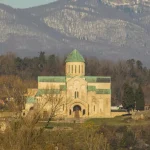
📷 Featured image by Yuriy Yosipiv on Unsplash.