On this page
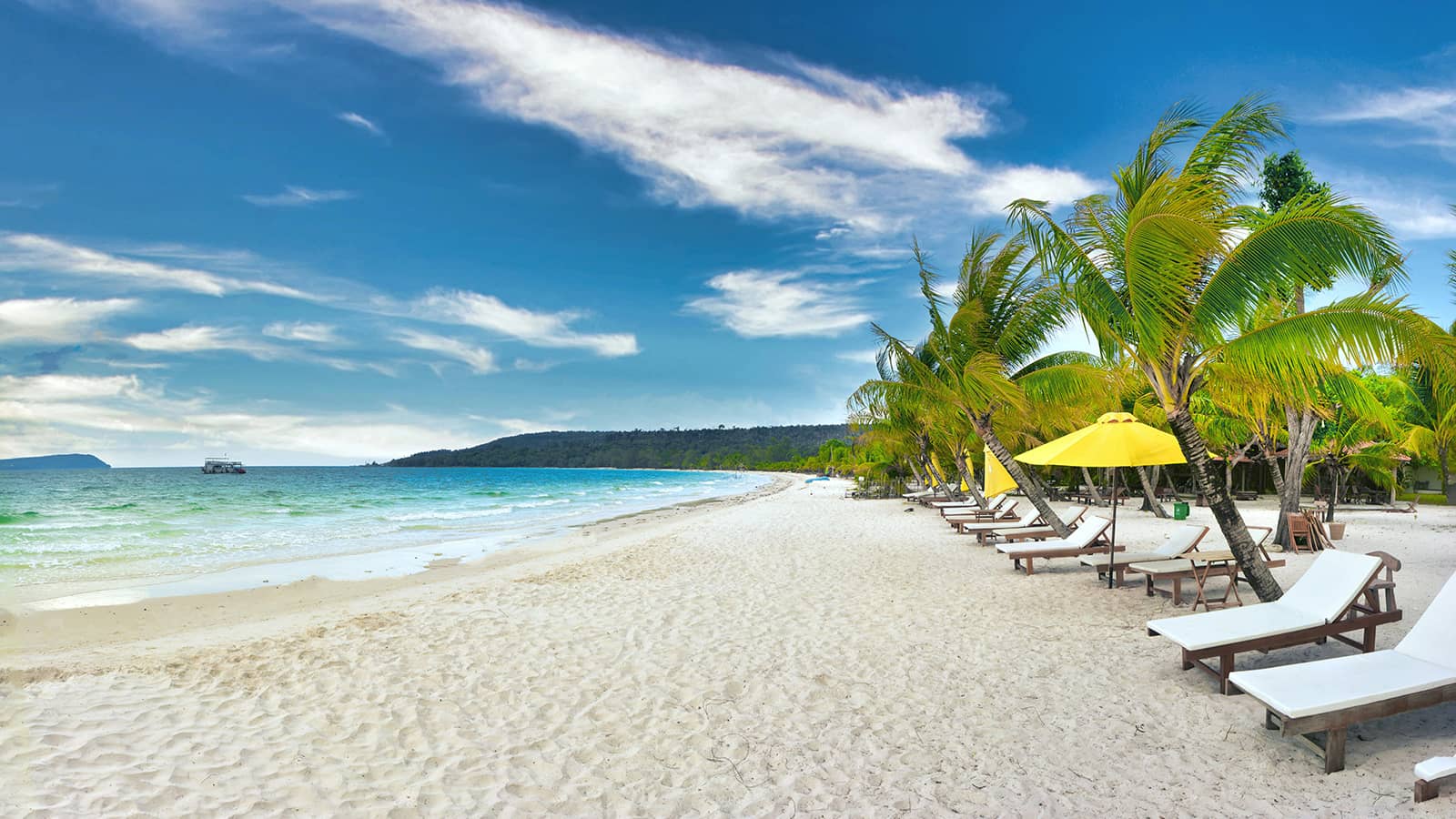
June is the sweet spot on Georgia’s Black Sea coast — the water is warm enough to swim, the summer crowds that choke Batumi in July and August haven’t fully arrived yet, and prices are still reasonable. The challenge in 2026 is that more travellers than ever have figured this out. Accommodation in Batumi fills up faster than it used to, even in early June, and the coast road between Batumi and Kobuleti gets congested on weekends. Plan with that in mind and the season rewards you generously.
Where to Base Yourself in June
The Black Sea coast isn’t a single destination — it’s a string of towns with genuinely different characters, and choosing wrong can shape your whole trip.
Batumi is the obvious anchor. It’s Adjara’s capital, a city of about 160,000 people with a functioning old town, a boulevard that stretches along the seafront, casinos, restaurants, and nightlife. In June, the boulevard fills with Georgian families in the evenings. The beach in Batumi itself is pebbly — dark volcanic gravel rather than sand — but the water is clean and the infrastructure around it is well-developed. Stay here if you want easy access to restaurants, the botanical garden, and day trips into the Adjarian highlands.
Kobuleti sits about 25 kilometres north of Batumi. It’s quieter, slightly cheaper, and the beach is wider. It draws a lot of Georgian and Armenian domestic tourists. The town itself has limited dining variety, but for families who want calm mornings on the water without Batumi’s noise, it works well.
Ureki is the unusual one. About 70 kilometres north of Batumi, Ureki has a magnetic sand beach — the black sand contains iron minerals and locals believe it has therapeutic properties. Whether or not you subscribe to that, the beach itself is dramatic and far less crowded than Batumi in June. It’s a good choice for travellers who want coast without city.
Anaklia, further north still, remains underdeveloped compared to the others. Infrastructure is basic. It’s worth a day trip to see the estuary where the Enguri River meets the sea, but basing yourself here for a week requires a high tolerance for limited services.
What June Weather Actually Feels Like on the Coast
Batumi sits in a subtropical microclimate. June averages around 23–25°C during the day, dropping to roughly 17–18°C at night — warm enough for dinner outside in a light layer. The sea temperature in early June sits around 20–22°C, which is genuinely comfortable for swimming, not just wading.
The rain is the thing people don’t always anticipate. Batumi is one of the wettest cities in the Caucasus. June gets rain — not constant, but real showers that can last an afternoon. The rain tends to come in fast and leave quickly, often in the late afternoon or evening, which actually makes it manageable. Morning swims followed by an afternoon reading under a café awning while a warm downpour hits the boulevard is one of the coast’s more underrated pleasures.
Humidity is noticeable, especially inland from the coast. If you’re sensitive to it, stay near the water where the breeze keeps things more comfortable. UV intensity in June is high — factor 50 on the beach is not overcaution, it’s sensible.
The sea itself in June is calm by Black Sea standards. Waves are mild and the undertow is minimal at the main beaches. The water at Ureki is particularly calm because the beach there forms a slight natural bay shape.
Beyond the Beach: What to Do When the Sun Goes In
Batumi rewards exploration beyond the shoreline, and a rainy afternoon is often the best prompt to get into it.
The Batumi Botanical Garden stretches across the slopes above the coast just north of the city centre. It’s one of the largest botanical gardens in the Caucasus, and in June the subtropical planting is at full height. The garden descends in terraces toward the sea, and there’s a lower exit that puts you almost on the beach. Allow two to three hours minimum.
The old town of Batumi — compact, genuinely atmospheric — has a cluster of Ottoman-era buildings around Piazza Square and along the streets behind it. The architecture is mixed: colonnaded European-style facades next to wooden balconied houses. It takes about an hour to walk properly, longer if you stop in the small wine shops and spice sellers that line the back streets.
For a day trip, the Adjarian highlands are within reach. The road to Khulo winds up through villages and forests, past waterfronts and rope bridges. Hire a car or join one of the shared tour minibuses that leave from Batumi’s central area. The altitude drops temperatures by about 8–10°C, which feels extraordinary after a humid coastal morning.
The Batumi central market is worth a dedicated visit — not a tourist market but a working one, where Adjarian farmers bring tarragon, young churchkhela, and enormous bunches of local herbs. The yeasty warmth of freshly baked bread drifts from the stalls near the covered section, and the vendors tend to be more relaxed with visitors than in Tbilisi’s equivalent markets.
2026 Budget Reality: What a Week on the Black Sea Costs
Prices on the coast have risen steadily since 2023, pushed by domestic Georgian tourism demand and increased arrivals from regional neighbours. Here’s what to expect in June 2026:
Accommodation (per night)
- Budget — guesthouses and shared-room hostels in Batumi or Kobuleti: 60–100 GEL
- Mid-range — private room in a guesthouse or a two-star hotel with sea view: 150–250 GEL
- Comfortable — three- to four-star hotel on or near the boulevard: 350–600 GEL
Food and drink (per person, per day)
- Budget — khachapuri, lobiani, local canteen meals: 30–50 GEL
- Mid-range — sit-down restaurants with seafood and wine: 80–130 GEL
- Comfortable — rooftop restaurants, cocktails, multi-course meals: 200 GEL and above
Activities and transport
- Entry to Batumi Botanical Garden: approximately 15–20 GEL (verify at gate in 2026)
- Day-trip minibus to Adjarian highlands: 20–40 GEL per person depending on destination
- Taxi within Batumi via app: 8–20 GEL per trip
A realistic week for two people travelling mid-range — including accommodation, food, local transport, and a couple of day trips — sits around 3,000–4,500 GEL total, excluding international flights.
Getting to the Coast in 2026
The most practical ways to reach the Black Sea coast remain well-established.
By train from Tbilisi: Georgian Railway operates regular services between Tbilisi Central Station and Batumi. The journey takes approximately five to five and a half hours depending on the service. Night trains are available and popular in summer — book ahead. Prices vary by class but a standard ticket in second class runs roughly 30–50 GEL.
By marshrutka: Shared minibuses run from Tbilisi’s Didube station to Batumi and take a similar amount of time, sometimes less. They cost around 20–30 GEL and don’t require advance booking, though in peak June weekends the early morning runs fill fast.
By air: Batumi International Airport receives domestic flights from Tbilisi and a range of international routes. If you’re flying in from abroad, check whether a direct route to Batumi fits your itinerary, as it cuts out the Tbilisi transit entirely. Flight availability and pricing change seasonally — check operators directly for 2026 schedules.
Eating and Drinking Your Way Through Batumi
Adjarian food is distinct from what you eat in Tbilisi, and the coast is the right place to understand why.
Adjarian khachapuri — the boat-shaped bread filled with melted suluguni cheese, a raw egg cracked in the centre, and a knob of butter — is something you’ll find everywhere in Georgia, but eating it in Batumi is different. Pulled apart and eaten with your hands while still steaming at a wooden table in a side-street bakery, the cheese stretching and the egg barely set, it connects to the place in a way that a reheated version in Tbilisi simply doesn’t.
Seafood is the other pillar. The Black Sea yields mullet, sea bass, and the local Adjarian favourite, barbecued fish served whole with tkemali plum sauce and cornbread. The restaurants along the old harbour area and behind the boulevard tend to be better value than the highly visible seafront places targeting tourists.
For wine, Adjara doesn’t have its own major wine tradition in the way Kakheti does, but natural wine bars and bottle shops in central Batumi now carry good selections from across Georgia. In June, a chilled Rkatsiteli or a light Chinuri works well as an evening drink on a terrace with a breeze coming off the water.
The local spirits culture also deserves attention. Chacha — Georgian grape spirit — is consumed seriously here. If someone offers you homemade chacha in a guesthouse, don’t refuse it reflexively. It ranges from rough to genuinely excellent, and the conversation that accompanies it is usually worth the morning head.
Frequently Asked Questions
Is June a good time to swim at Batumi?
Yes. The water is comfortable for swimming by the second week of June. Beaches are less crowded than in July and August, and conditions are reliably good through the month. Early June evenings can feel cool, but daytime swimming is fine.
How far is Batumi from Tbilisi and how long does it take?
Batumi is approximately 340 kilometres from Tbilisi by road. By marshrutka the journey can be similar to the train or slightly faster depending on stops. Driving takes approximately four to five hours depending on traffic near Tbilisi and road conditions through the Adjarian corridor.
Is Batumi expensive compared to Tbilisi?
In June, beachfront and boulevard accommodation in Batumi tends to cost more than equivalent Tbilisi options. Food prices are broadly comparable, and seafood restaurants are competitive. Budget travellers who stay in guesthouses away from the waterfront will find the coast affordable. July and August bring sharper price increases.
Do I need to book accommodation far in advance for June?
Weekday availability is generally easier to secure at shorter notice. Guesthouses in Kobuleti and Ureki tend to have more last-minute availability than central Batumi hotels.
What is the beach like at Batumi — is it sand or pebble?
The main Batumi beach is dark volcanic pebbles, not sand. It’s comfortable to walk on with sandals and swimwear, but beach mats or inflatable pads are worth bringing if you want to lie on it. The magnetic sand beach at Ureki is a genuine black sand beach and a good alternative for those who prefer it.
Explore more
Georgia’s Mountain Escapes: Hiking and Nature Trails for June 2026
May in Georgia 2026: Weather, Activities, and Packing Essentials
Experiencing Georgia’s New Wine Festival in May 2026
📷 Featured image by Damon On Road on Unsplash.