On this page
- Sataplia Nature Reserve: Dinosaur Footprints and a Glass Cliff
- Prometheus Cave and the Tskaltubo Circuit
- Gelati and Motsameta: The Two-Monastery Route
- Okatse Canyon vs. Martvili Canyon: Which One, or Both?
- Racha: The Mountain Road North
- Batumi: The Black Sea Day Trip
- Chiatura: Soviet Industrial Time Capsule
- Planning Your Day Trips: Logistics and Transport in 2026
- 2026 Day Trip Budget Breakdown
- Frequently Asked Questions
💰 Click here to see Georgia Budget Breakdown
💰 Prices updated: October, 2026. Budget figures are estimates — always verify before travel.
Exchange Rate: $1 USD = ₾2.60
Daily Budget (per person)
Shoestring: ₾70.00 – ₾130.00 ($26.92 – $50.00)
Mid-range: ₾180.00 – ₾350.00 ($69.23 – $134.62)
Comfortable: ₾500.00 – ₾1,000.00 ($192.31 – $384.62)
Accommodation (per night)
Hostel/guesthouse: ₾30.00 – ₾60.00 ($11.54 – $23.08)
Mid-range hotel: ₾110.00 – ₾200.00 ($42.31 – $76.92)
Food (per meal)
Budget meal: ₾15.00 ($5.77)
Mid-range meal: ₾35.00 ($13.46)
Upscale meal: ₾100.00 ($38.46)
Transport
Single metro/bus trip: ₾1.00 ($0.38)
Monthly transport pass: ₾40.00 ($15.38)
Kutaisi punches well above its weight as a base for day trips. The city sits almost dead-centre in western Georgia, which means within two hours in any direction you can reach Soviet-era cable cars dangling over a rust-coloured mining town, canyon walkways suspended above turquoise rivers, or Black Sea promenades lined with Art Nouveau buildings. The problem most travellers faced in 2024 — unreliable shared transport and patchy English signage at trailheads — has improved noticeably in 2026, with several new marshrutka routes launched and updated QR-code trail maps installed at key sites. That said, some routes still reward those who hire a driver. Here is exactly what is worth your time.
Sataplia Nature Reserve: Dinosaur Footprints and a Glass Cliff
Sataplia sits just 9 kilometres west of Kutaisi city centre, which makes it the easiest half-day option on this list. The reserve protects a genuine Cretaceous-era trackway — over 200 dinosaur footprints pressed into the limestone surface roughly 100 million years ago. You walk along a raised boardwalk above them, close enough to see the three-toed impressions clearly. It is not a reconstruction. The footprints are real, and standing above them in the morning quiet, when the tour buses have not yet arrived, feels genuinely strange.
The cave inside the reserve is modest compared to Prometheus (see the next section), but the stalactite formations are well-lit and the 45-minute guided loop is easy for all fitness levels. The headline attraction for many visitors is the glass-floored viewing platform cantilevered over the forested hillside. On a clear day you can see Kutaisi spread out below and the distant Caucasus ridgeline to the north.
Entrance costs 15 GEL for adults in 2026. A taxi from central Kutaisi runs about 15–20 GEL one way. Most visitors combine this with a morning market stop in the city and return before lunch. There is no public bus directly to the reserve entrance, so either taxi or join a small group tour departing from Kutaisi’s White Bridge area.
Prometheus Cave and the Tskaltubo Circuit
Prometheus Cave, located near the village of Kumistavi about 20 kilometres northwest of Kutaisi, is the most visited natural attraction in all of western Georgia. The cave system stretches over 22 kilometres in total, with 1.4 kilometres open to visitors across six illuminated halls. The formations here are theatrical — pale curtains of flowstone, deep crimson stalactites, underground lakes reflecting coloured lights from below. You can exit the cave by rowing boat along an underground river, which adds roughly 30 minutes and 15 GEL to the ticket price but is worth every tetri. The boat glides through a low, cathedral-like passage, the sound of dripping water amplified in the dark, and it deposits you blinking into daylight at a different exit than you entered.
Standard cave entry in 2026 costs 23 GEL. The boat exit option brings the total to 38 GEL. Guided tours in English run every 30 minutes from 10:00 to 18:00 daily.
The smart move is to combine Prometheus with Tskaltubo, a Soviet-era spa town 8 kilometres away. Tskaltubo was once the USSR’s premier radon and carbonate mineral water resort, and its crumbling sanatoriums — enormous Stalinist-era buildings swallowed by vines and moss — are among the most photogenic pieces of ruin architecture in Georgia. You can walk freely around the grounds of most of them. The town has seen small-scale renovation since 2024 with a few sanatoriums converted into functioning guesthouses, but the majority remain atmospheric ruins. A taxi circuit from Kutaisi covering Prometheus Cave and two or three Tskaltubo sanatoriums, with waiting time, costs around 80–100 GEL for the vehicle.

Gelati and Motsameta: The Two-Monastery Route
These two monasteries sit within 3 kilometres of each other above the Rioni River gorge, and both can be visited comfortably in three hours. Gelati Monastery, founded in 1106 by King David the Builder, is a UNESCO World Heritage Site and one of the most important religious and artistic monuments in the entire Caucasus. The mosaics inside the Cathedral of the Virgin are extraordinary — gold-ground Byzantine work that has survived nine centuries. King David himself is buried under the south gate, where tradition holds that entering through it shows disrespect to the king, so most Georgians enter via the side entrance.
Motsameta, 2 kilometres further along a gorge road, is smaller, quieter, and perched on a dramatic rocky promontory above a bend in the Rioni. The church holds the relics of two brothers martyred in the 8th century. Locals come here to pray and circle the reliquary chest three times — a custom still very much alive. The gorge view from the church terrace is one of the most quietly beautiful spots near Kutaisi.
Marshrutka No. 30 from Kutaisi’s central bus station goes to Gelati for 1 GEL. For Motsameta, you walk or take a taxi the remaining distance. A combined taxi from the city covering both sites and returning runs 40–50 GEL. Neither monastery charges entry, though a donation at the candle stand is customary.
Okatse Canyon vs. Martvili Canyon: Which One, or Both?
Western Georgia has two spectacular river canyon walkways within 40 kilometres of each other, and choosing between them — or attempting both in one day — is one of the most common planning questions for travellers based in Kutaisi.
Martvili Canyon, near the town of Martvili, is the more dramatic of the two. The canyon is roughly 2.5 kilometres long, cut through pale limestone, with multiple waterfalls and a mandatory boat ride through the narrowest gorge section. The water is a deep, cold turquoise — you can feel the temperature drop as you step into the boat, and the spray from the falls above soaks your jacket whether you want it to or not. Entry is 17 GEL in 2026, boat ride included.

Okatse Canyon, near Imereti’s village of Okatse, features a 780-metre suspended metal walkway bolted to the cliff face above the Okatse River, with open-grid flooring that lets you look straight down 40 metres to the water. It is more of a head-for-heights experience than Martvili. The full trail including the canyon walkway and the Kinchkha waterfall trail (Georgia’s second-highest waterfall at 70 metres) takes about 3–4 hours. Entry is 15 GEL.
Both canyons are roughly 55–60 kilometres from Kutaisi. Combining them in one day is doable but rushed — you will be walking for six to seven hours total. If you have one day, pick Martvili for pure spectacle and save Okatse for a second visit. Several tour operators in Kutaisi run combined canyon day trips for 60–80 GEL per person including transport. No reliable public marshrutka serves either site directly in 2026, so a tour or private driver is essential.
Racha: The Mountain Road North
Racha is the least-visited region on this list and arguably the most rewarding for travellers who want to feel genuinely off the tourist circuit. The drive north from Kutaisi follows the Rioni River upstream into increasingly steep mountain terrain, passing through walnut forests and village houses with carved wooden balconies until it reaches the Shaori Reservoir — a long, still stretch of blue-green water cradled by forested ridges at about 900 metres elevation.

The architectural centrepiece is Nikortsminda Cathedral, a 11th-century church with the most intricately carved exterior facade of any building in Georgia. The stone reliefs covering the drum and apse are detailed enough to study for an hour without running out of new subjects. The surrounding village is genuinely quiet, and the air at altitude carries the smell of pine and wood smoke from nearby homes.
Racha is a longer day trip — about 1.5 hours each way. The road has been improved since 2024, with the Kutaisi–Ambrolauri highway resurfaced in 2025, cutting journey time by roughly 20 minutes. A private car is strongly recommended; the infrequent marshrutka to Ambrolauri does not time well for a same-day return. A driver for the full circuit, including Shaori and Nikortsminda, costs approximately 150–180 GEL.
Batumi: The Black Sea Day Trip
Batumi sits 183 kilometres southwest of Kutaisi and is fully reachable as a day trip by train or car. Georgian Railway runs four daily services between Kutaisi and Batumi in 2026, with journey times of 2 hours 15 minutes on the faster express. Tickets cost 16–25 GEL one way depending on class. The train schedule was updated in late 2025 with an additional early morning departure at 06:40 from Kutaisi, making a full day in Batumi and a comfortable evening return very practical.
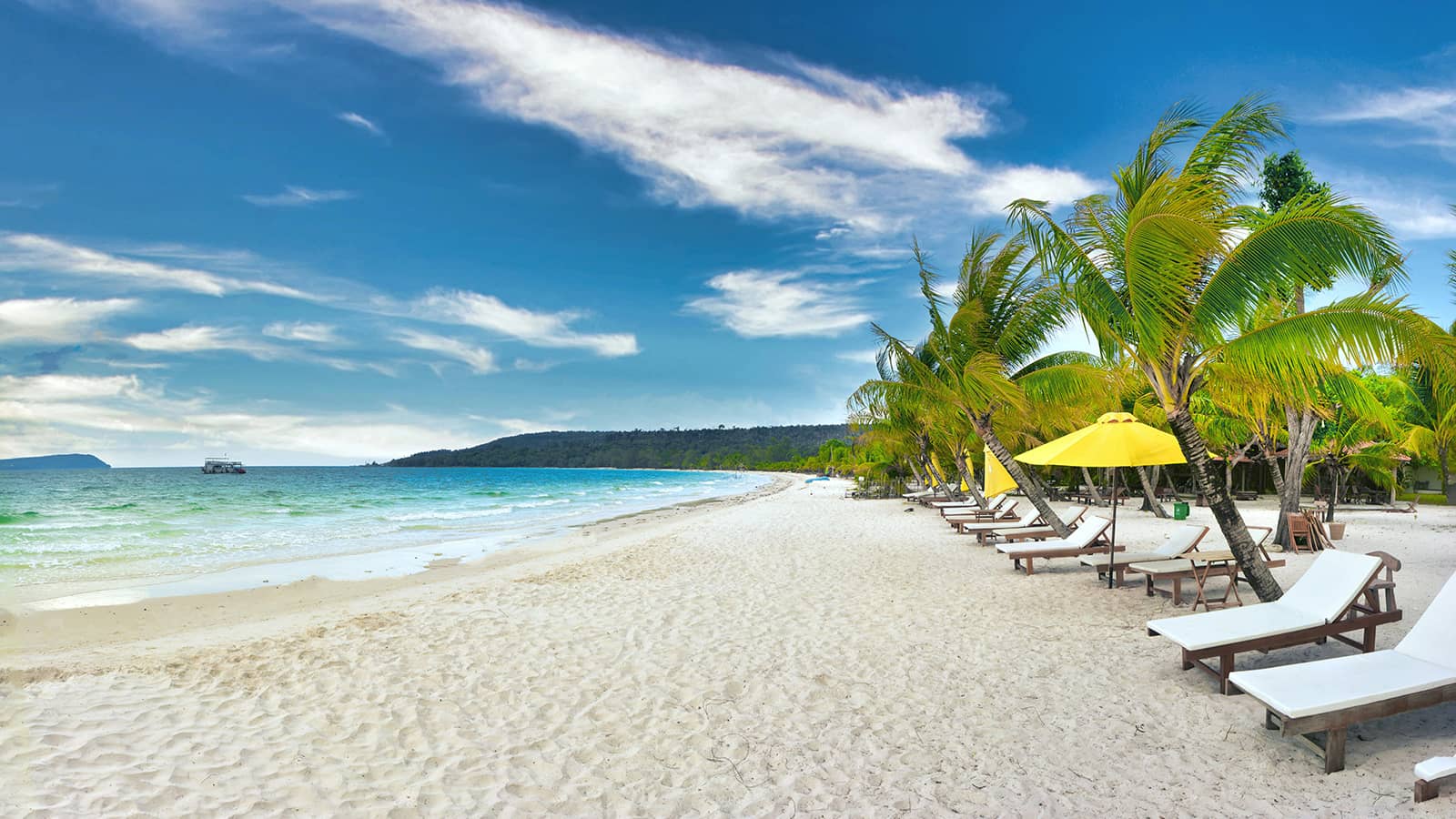
What makes Batumi worth the trip is the contrast: Kutaisi is landlocked and historic; Batumi is coastal, humid, and architecturally chaotic in the best sense. The Old Town’s Art Nouveau and Ottoman-era buildings stand directly alongside 21st-century towers. The boulevard along the sea runs for 6 kilometres and is alive with people at all hours. The Adjara Art Museum houses a strong collection of Georgian modernist painting. The Batumi Botanical Garden above the city offers coastal forest trails with sea views on one side and the Caucasus foothills on the other.

For a day trip from Kutaisi, take the first morning train, walk the Old Town and boulevard, eat lunch at the Bazroba market near the port (the churchkhela and fresh adjika here are notably better than tourist-area versions), and catch the 18:00 or 20:00 return service.
Chiatura: Soviet Industrial Time Capsule
Chiatura is only 70 kilometres northeast of Kutaisi, but it belongs to a completely different world. The city was built to extract manganese ore from the surrounding cliffs, and the Soviet engineers who designed it solved the problem of vertical topography with a network of cable cars — aerial gondolas strung between the canyon floor and the clifftop residential neighbourhoods above. Some of these cable cars date to the 1950s and remain operational, carrying residents who have no other practical way to reach their homes.
In 2026, several of the original Soviet cabins have been replaced on the busier lines following a government safety programme launched in 2024, but at least four lines still run original mid-century gondolas — small, rattling metal boxes with scratched windows that lurch upward over a 150-metre drop above the Kvirila River. Riding them is not for the anxious, but the experience is unlike anything else in Georgia. The manganese processing infrastructure across the gorge — rust-stained concrete and iron conveyor towers — looks like a film set.
There is no entrance fee for the cable cars (they are public transport; a token costs around 0.50 GEL). The town itself is not a polished tourist site — it is a real working city with real residents going about their day. That is exactly the point. Getting there by marshrutka from Kutaisi’s central station takes about 1.5 hours and costs 8 GEL. A private taxi for the round trip runs 100–120 GEL with waiting time.
Planning Your Day Trips: Logistics and Transport in 2026

The most important practical point: Kutaisi’s central bus station (the Avtostansia near the White Bridge) is the departure point for almost all marshrutka services. Schedules are posted in Georgian but station staff will point you to the right vehicle if you show the destination written down. Google Maps is increasingly reliable for Georgian road routes in 2026, though it still sometimes suggests routes that are not passable without 4WD.
For Sataplia, Gelati, and the city monasteries — public transport or a cheap taxi is fine. For Prometheus, Tskaltubo, Martvili, Okatse, and Chiatura — either join a guided day tour or hire a private driver. For Racha and Batumi — train for Batumi, private driver for Racha.
Several Kutaisi-based driver-guides offer full-day circuits. Expect to pay 150–200 GEL for a full car (up to four passengers) covering a single major destination with waiting time. If you are a solo traveller, joining a shared day tour through a hostel or guesthouse typically costs 50–80 GEL per person. As of 2026, guesthouses along King Tamar Avenue are the most reliable source for vetted driver recommendations.
Most natural sites open at 09:00 and begin turning visitors away by 17:00–18:00. Caves and canyon walkways are occasionally closed after heavy rainfall — check the day before with your accommodation. All major sites now accept card payment at the entrance, though having cash as backup is sensible for smaller sites and transport.
2026 Day Trip Budget Breakdown
Costs below are per person, based on a solo or pair of travellers, including transport and entrance fees. Food is not included.
- Budget tier (public transport + self-guided): Sataplia half-day — 30–40 GEL | Gelati + Motsameta — 10–15 GEL | Chiatura by marshrutka — 20–25 GEL | Batumi by train — 40–55 GEL
- Mid-range tier (shared tour or taxi): Prometheus + Tskaltubo — 90–110 GEL | Martvili Canyon tour — 80–100 GEL | Okatse Canyon tour — 80–100 GEL | Chiatura private taxi — 120–140 GEL
- Comfortable tier (private driver, full day): Okatse + Martvili combined — 180–220 GEL | Racha circuit — 180–200 GEL | Kutaisi–Batumi by hired car — 250–300 GEL return

Lunch at a roadside café or village restaurant typically adds 20–35 GEL per person. Entrance fees across most sites range from 15–38 GEL per person. A realistic full-day budget including transport, entrance, and one meal runs 80–130 GEL on a mid-range approach.
Frequently Asked Questions
What is the best day trip from Kutaisi for first-time visitors?
Prometheus Cave combined with the Tskaltubo sanatorium ruins gives you two completely different experiences in one day. The cave is visually spectacular and easily accessible, while Tskaltubo adds a strange, atmospheric contrast. Most visitors rate this combination as their highlight of the entire Kutaisi region.
Can I visit Martvili and Okatse Canyon on the same day from Kutaisi?
Technically yes, but it makes for a tiring day with 6–7 hours of walking. The drive between the two canyons takes about 45 minutes. If you have one day, choose Martvili for the boat ride and waterfalls, or Okatse for the suspended cliff walkway. Two separate days gives both sites proper attention.
How do I get from Kutaisi to Chiatura without a car?
Marshrutkas to Chiatura depart from Kutaisi’s central bus station several times daily, costing around 8 GEL and taking 1.5 hours. From Chiatura’s central square, the cable car stations are walkable. There is no need for a private car if you are comfortable navigating independently and asking locals for directions.
Is it worth hiring a private driver for day trips from Kutaisi?
For sites without direct public transport — Martvili Canyon, Okatse Canyon, and Racha — a private driver is genuinely worth the cost, especially split between two or three people. You get flexible timing, door-to-door service, and most drivers know the sites well enough to suggest where to go first to avoid crowds.
What is the easiest day trip from Kutaisi for families with children?
Sataplia Nature Reserve is the best option for families. The dinosaur footprints engage children immediately, the cave walk is short and not physically demanding, and the glass viewing platform is exciting without being genuinely dangerous. The whole visit takes 2–3 hours and the site is only 9 kilometres from the city centre.
Explore more
How to Get Around Kutaisi: Public Transport, Taxis & Walking
The Ultimate Guide to Shopping in Kutaisi, Georgia
The Ultimate Guide to Kutaisi Nightlife: Bars, Clubs & More
📷 Featured image by Michael Bourgault on Unsplash.