On this page
- Georgia’s Black Sea Coast Is Not What You Expect
- The Coast at a Glance: What You Are Actually Working With
- Batumi and the Adjara Riviera: The Main Event
- Anaklia, Ureki, and the Magnetic Sand Belt
- Kobuleti: Wide Beaches and the Shallow End
- Gonio, Kvariati, and Sarpi: The Southern Edge
- Georgia’s Black Sea “Islands”: What Actually Exists
- Water Sports and Active Coast Options
- Getting to the Georgian Coast in 2026
- Eating and Drinking on the Coast
- 2026 Budget Breakdown: What the Coast Actually Costs
- Best Time to Visit the Georgian Coast
- Practical Tips for the Georgian Coast
- Frequently Asked Questions
💰 Click here to see Georgia Budget Breakdown
💰 Prices updated: October, 2026. Budget figures are estimates — always verify before travel.
Exchange Rate: $1 USD = ₾2.60
Daily Budget (per person)
Shoestring: ₾70.00 – ₾130.00 ($26.92 – $50.00)
Mid-range: ₾180.00 – ₾350.00 ($69.23 – $134.62)
Comfortable: ₾500.00 – ₾1,000.00 ($192.31 – $384.62)
Accommodation (per night)
Hostel/guesthouse: ₾30.00 – ₾60.00 ($11.54 – $23.08)
Mid-range hotel: ₾110.00 – ₾200.00 ($42.31 – $76.92)
Food (per meal)
Budget meal: ₾15.00 ($5.77)
Mid-range meal: ₾35.00 ($13.46)
Upscale meal: ₾100.00 ($38.46)
Transport
Single metro/bus trip: ₾1.00 ($0.38)
Monthly transport pass: ₾40.00 ($15.38)
Georgia’s Black Sea Coast Is Not What You Expect
Most travelers in 2026 still arrive at the Georgian coast with Mediterranean expectations — and leave genuinely surprised. This is not Santorini. It is not Antalya. The Black Sea here is moody and green, the sand ranges from fine gold to dark magnetic mineral granules, and the mountains sit so close behind the resorts that you can see snow on the peaks while lying on a beach towel in July. That contrast is exactly what makes it worth the trip. The practical problem for many visitors right now is that post-2024 development has changed several resorts significantly — Anaklia in particular has construction activity that affects access — and the 2025 Georgian Railway schedule changes have made the Tbilisi–Batumi run faster but with fewer stops at smaller coastal towns. This guide covers what is actually accessible, what has changed, and where to spend your days on the Georgian coast in 2026.
The Coast at a Glance: What You Are Actually Working With
Georgia’s Black Sea coastline runs roughly 310 kilometres from the Russian-administered territory boundary in the north down to the Turkish border at Sarpi in the south. The accessible resort stretch — the part that functions as a tourism zone — spans about 120 kilometres, anchored by Batumi in the south and Anaklia in the north, with a string of smaller towns between them. The terrain shifts noticeably as you move along this strip. The northern section around Anaklia and Ureki sits on a flat coastal plain with wide open beaches. Moving south toward Batumi and then Gonio, the mountains push closer to the shore, the beaches narrow, and the landscape becomes more dramatic. There are no true offshore islands in the conventional tourist sense — Georgia’s “island” experiences are land peninsulas, river delta formations, and a handful of small rocky outcrops. Understanding this geography upfront saves a lot of confused searching on maps.

Batumi and the Adjara Riviera: The Main Event
Batumi is the undisputed centre of Georgian coastal life. The city of around 170,000 people functions simultaneously as a functioning port, a casino resort destination for regional visitors, a UNESCO-adjacent old town, and a beach resort — all compressed into a surprisingly walkable area. The main beach runs along a six-kilometre boulevard, the Batumi Bulvar, which was extended further north in 2024 and now stretches past the new Porta Batumi mall development. The sand here is dark grey and pebbly — not the soft white you might picture — but the water is clean and the backdrop of the city’s chaotic skyline, mixing Soviet-era blocks with glass towers and a functioning Ferris wheel, is genuinely unlike anywhere else.
The Old Town (Evropa Square area) sits about ten minutes’ walk inland from the beach and gives you the sensory jolt that makes Batumi memorable: the smell of churchkhela hanging in doorways, the sound of backgammon pieces clicking in the covered tea houses, the feel of worn cobblestones under your feet in the narrow alleys off Parnavaz Mepe Street. Batumi’s beach itself is most pleasant in the early morning before the sun-lounger rental operators fill the prime spots. The northern end of the boulevard near the new botanical garden access point is consistently less crowded than the central sections opposite the casino hotels.

Immediately south of Batumi, the Adjara Riviera refers loosely to the stretch of coves and small beaches running toward Gonio. This is where the coast gets genuinely beautiful. The mountains press right down to the water, the vegetation is subtropical, and the traffic thins out. Several small guesthouses and boutique hotels have opened in this stretch since 2023, and it now offers a quieter alternative base to Batumi proper.
Anaklia, Ureki, and the Magnetic Sand Belt
About 80 kilometres north of Batumi, the coast opens into a flat, wide beach zone that stretches from Ureki through Shekvetili to Anaklia. This stretch is famous for its dark magnetic sand — high concentrations of magnetite give the beach its distinctive near-black colour and its claimed therapeutic properties for circulation and joint problems. Whether you believe the health claims or not, the visual effect of dark sand against the green water is striking, and the beaches here are significantly wider and longer than anything around Batumi.
Ureki is the most developed of the magnetic sand resorts and has decent infrastructure — a main street with guesthouses, restaurants, and rental operators, plus a small funfair area that gets lively on summer evenings. It is popular with Georgian families and with visitors from Armenia and Azerbaijan. Shekvetili next door is home to the Oasis Park resort complex and a calmer atmosphere with more upmarket accommodation options.
Anaklia is a different story in 2026. The long-stalled Anaklia Deep Sea Port project has resumed construction under new management following a revised government concession agreement signed in early 2025. The construction zone affects the northern beach access around the port area, but the central and southern Anaklia beach remains accessible and still draws visitors for its wide, open feel and genuine sense of remoteness. Check current access maps before visiting — the situation is actively changing through 2026.

Kobuleti: Wide Beaches and the Shallow End
Kobuleti, sitting about 25 kilometres north of Batumi, is the coast’s family resort town. The beach here is sandy rather than pebbly, the water is shallower than at Batumi for a longer distance from shore, and the general vibe is calm and domestic. It is not a nightlife destination. It is where Georgian families come for two weeks in August, where grandmothers sit under parasols and children paddle in ankle-deep water for hours. That is not a criticism — it is a genuinely relaxed, unhurried atmosphere that travellers who find Batumi overstimulating often prefer.
The town itself has a long pedestrian street with teahouses, corn-on-the-cob vendors, and a handful of decent local restaurants. Accommodation here is cheaper than Batumi across all tiers. The train from Tbilisi stops at Kobuleti before Batumi, making it easy to access independently. In 2026, several new guesthouses have opened on the quieter southern end of town near the pine forest that backs the beach — this area is noticeably cooler in the afternoon heat.
Gonio, Kvariati, and Sarpi: The Southern Edge
South of Batumi, the coast road toward Turkey passes through three small communities that offer some of the most scenically dramatic beaches in Georgia. Gonio is anchored by its ancient Roman-era fortress, one of the best-preserved in the South Caucasus, which sits improbably close to the beach. The beach itself is pebbly and the water deepens quickly — it suits swimmers more than paddlers. The village has a low-key resort strip with local guesthouses and seafood restaurants directly on the water.
Kvariati, a few kilometres further south, is considered by many regular visitors to be the prettiest spot on the entire Georgian coast. The beach is a narrow crescent backed by wooded hills, the sea is cleaner here than almost anywhere else on the coast, and the accommodation options include several genuinely comfortable small hotels. It gets busy in July and August but remains manageable compared to Batumi. The road from Batumi takes about 20 minutes by taxi.

Sarpi sits directly on the Turkish border and has an unusual dual character — half border-crossing logistics hub, half small beach resort. The beach is narrow but the water is clear, and there is something genuinely interesting about swimming 200 metres from an international border crossing. A few good fish restaurants operate here year-round thanks to the cross-border trade traffic.
Georgia’s Black Sea “Islands”: What Actually Exists
Searches for “Georgia Black Sea islands” produce a lot of confusion, so this deserves a direct answer. Georgia does not have inhabited offshore resort islands in the way Greece or Croatia does. What it does have are several distinct formations worth knowing about. Mtsvane Kontskhi (Green Cape), often called Peter’s Island locally, is a forested peninsula near Batumi that juts into the sea and contains the botanical garden — it is connected to the mainland and walkable. The “island” framing is a romantic exaggeration of its geography.
The Paliastomi Lake area near Poti, accessible by boat from the coast, contains small forested islands within a lagoon system that connects to the sea — this is a genuinely wild and undervisited area that bird watchers and kayakers explore. It is not a beach destination but it is a genuinely remarkable landscape. Several Batumi-based tour operators run half-day and full-day boat trips into the Paliastomi lagoon system in 2026, typically charging 80–120 GEL per person depending on group size.
For an offshore experience, the most realistic option is renting a boat from Batumi harbour for a few hours to explore the coast from the water — several operators around the old harbour offer this for 200–400 GEL depending on vessel size and duration.

Water Sports and Active Coast Options
The Georgian coast has developed its water sports offering considerably since 2022. Batumi has the widest range — jet skiing, parasailing, banana boat rides, and paddleboard rental are all available along the central boulevard from May through September. Prices are negotiable and roughly standard across operators: jet ski 30 minutes costs around 60–80 GEL, paddleboard rental runs 20–30 GEL per hour.
For diving, the Black Sea is not the Maldives — visibility is moderate and the marine life is interesting rather than spectacular. A Batumi-based dive operator (Black Sea Divers, operating since 2019) runs PADI courses and guided dives at several sites near Batumi, including a submerged Soviet-era vessel about 4 kilometres offshore. A two-dive trip costs approximately 180 GEL including equipment.
Surfing exists but is seasonal and unpredictable — the Black Sea generates waves during autumn storms, primarily October and November, and a small community of local surfers gathers at the open beaches near Anaklia and at the exposed point near Sarpi. This is not a surf destination in the traditional sense, but conditions can be surprisingly good after a storm system passes through.
Hiking directly above the coast is an underused option. The hills behind Kvariati and Gonio have marked trails that climb steeply through forest to viewpoints above the sea — the effort is significant in summer heat but the views are exceptional.
Getting to the Georgian Coast in 2026
The main gateway is Batumi International Airport, which in 2026 receives direct flights from Istanbul, Warsaw, Tel Aviv, Dubai, Kyiv (seasonal), and several European charter destinations during summer. Wizz Air and Georgian Airways operate the most frequent routes. The airport is 2 kilometres from the city centre — a taxi costs 15–20 GEL and takes about five minutes.

From Tbilisi, the Georgian Railway overnight train remains the best value option: the 09:30 morning express arrives in Batumi in approximately five hours and costs 35–55 GEL depending on class. A faster afternoon service introduced in 2025 does the run in four hours and twenty minutes. Book through the Georgian Railway app or website — seat availability fills quickly in July and August. From Kutaisi, the train south to Batumi takes about two hours.
Marshrutka minibuses run from Tbilisi’s Didube station to Batumi every 30–40 minutes through the day and cost around 25–30 GEL. They are faster than the train in traffic-free conditions but less comfortable. For reaching smaller coastal towns like Kobuleti, Ureki, or Gonio independently, local marshrutkas from Batumi’s bus station on Meliqishvili Street run throughout the day and cost 3–6 GEL per trip.
Eating and Drinking on the Coast
Batumi’s best food areas are concentrated in three zones. The Old Town streets around Sioni and Memed Abashidze have the highest density of good local restaurants — look for khinkali houses that post handwritten menus on the door, a reliable sign of a kitchen that changes its offerings daily. The harbour area near the old port has several fish restaurants where the catch comes in daily; fried Black Sea mullet with tkemali sauce costs around 18–25 GEL for a full plate. The central boulevard has the most tourist-facing options — prices are 20–30% higher than the Old Town and quality is variable, but several good spots exist among the mediocre ones.
The Batumi Green Bazaar (the central covered market off Meliqishvili Street) is the place to buy fresh churchkhela, local honey, dried fruit, and the Adjaran variety of cheese — slightly saltier and firmer than the standard suluguni. It opens from around 7am and the best produce goes by mid-morning. For coffee and pastry, the concentration of cafes around Evropa Square in the Old Town outperforms anything on the boulevard in both quality and price.

In Kobuleti and Ureki, dining options are simpler — family-run guesthouses often provide the best meals, typically half-board arrangements that cost 40–60 GEL per person per day and include generous portions of local dishes. Independent restaurants in both towns are functional rather than memorable.
2026 Budget Breakdown: What the Coast Actually Costs
Budget tier (under 120 GEL per day): Guesthouse room in Kobuleti or Ureki — 50–70 GEL per night. Meals from market stalls and local canteens — 25–35 GEL per day. Local marshrutka transport — 5–10 GEL per day. This is entirely achievable outside peak July–August weeks.
Mid-range tier (120–280 GEL per day): A comfortable hotel room in Batumi’s Old Town or Kvariati — 100–160 GEL per night. Restaurant meals twice a day — 60–80 GEL. A day trip or water sports activity — 60–100 GEL. This covers a genuinely comfortable experience with flexibility.
Comfortable tier (280 GEL and above per day): Boutique hotel or sea-view apartment in central Batumi or Shekvetili — 180–350 GEL per night. Private taxi day hire — 120–180 GEL. Fine dining at Batumi’s better restaurants — 80–150 GEL per person. Casino hotels charge significantly more during peak season and often require minimum stays in August.
Note that prices across all tiers spike sharply in the first three weeks of August, which is peak Georgian domestic holiday season. Booking accommodation in Batumi for this period six to eight weeks in advance is not optional — it is necessary.
Best Time to Visit the Georgian Coast
The Black Sea swimming season runs from mid-June to mid-September, with water temperatures peaking at around 26–28°C in late July and early August. Outside this window the sea is too cold for comfortable swimming for most people, though the coast remains beautiful and dramatically uncrowded from October through May.

June is the sweet spot — temperatures are warm but not punishing (27–30°C), the water is swimmable by late June, and the crowds are a fraction of August levels. September offers a similar quality: warm water from the summer, cooling air temperatures, and a noticeable drop in prices as Georgian school holidays end.
July and August are hot, busy, and expensive. Daytime temperatures regularly hit 33–35°C in Batumi. The city fills with domestic tourists, the Armenian and Azerbaijani summer crowd, and an increasing number of European visitors. If you visit in August, arrive with accommodation booked and lower your expectations for beach personal space.
Spring and autumn offer Batumi’s most atmospheric side — the subtropical vegetation is lush after the rains, the Old Town is quiet enough to actually explore, and the seafront boulevard takes on a melancholy quality that some travellers find more interesting than the summer circus. The Batumi Jazz Festival, held annually in late June or early July, is worth timing a visit around — it brings international and Georgian acts to outdoor venues along the boulevard.
Practical Tips for the Georgian Coast
Water and swimming safety: The Black Sea has no significant tidal system but rip currents and sudden wave increases do occur, particularly at the open beaches around Anaklia and Sarpi during or after strong winds. Pay attention to flag systems on staffed beaches — red flags are not suggestions. At unstaffed beaches in the Gonio–Sarpi stretch, be cautious about water entry after weather changes.
Currency: All prices along the coast operate in GEL. ATMs are abundant in Batumi city centre and at most resort towns. In smaller places like Sarpi and the village beaches south of Gonio, card payment is unreliable — carry cash. The GEL has been relatively stable through 2025–2026 but always check current exchange rates before converting large amounts.

SIM cards: Magti and Beeline both offer good coverage along the main coastal road. Coverage drops in the hills behind the coast. A local SIM with data costs 15–25 GEL and is available at Batumi Airport arrivals and at shops throughout the city. The 2026 Georgian e-SIM provision is now available through both operators for compatible devices.
Beach rental costs: Sun lounger and parasol rental on Batumi’s central beach runs 15–25 GEL per set per day. At Kobuleti and Ureki, prices are slightly lower. Most beaches also have free sections where you can lay your own towel — these fill up early in peak season.
Language: English is workable in Batumi hotels, tourist restaurants, and among younger staff. Outside Batumi, Russian remains the most useful foreign language alongside Georgian. Learning five to ten Georgian phrases makes a disproportionately positive impression on locals throughout the coast.
Frequently Asked Questions
Is the Black Sea in Georgia clean enough to swim in?
Yes, with some nuance. Batumi’s central beach near the port area is the least clean — the water quality improves significantly as you move south toward Gonio and Kvariati, or north toward Kobuleti. EU-standard water quality testing is not consistently applied, but the coastal waters at Kvariati and Kobuleti are considered clean by any reasonable standard. Avoid swimming near the port or after heavy rainfall anywhere on the coast.
Does Georgia have sandy beaches or only pebble beaches?
Both exist. Kobuleti and Ureki have sandy beaches, including the famous dark magnetic sand at Ureki. Batumi, Gonio, Kvariati, and Sarpi are pebbly. The pebbles at Batumi are medium-sized and reasonably comfortable with a mat or towel — water shoes are useful for children. The sandy stretches at Kobuleti are noticeably more comfortable for families with young children.

How do I get from Batumi to Kobuleti or Ureki by public transport?
Marshrutkas for Kobuleti depart from Batumi’s main bus station on Meliqishvili Street roughly every 20 minutes and cost 3–4 GEL for the 30-minute journey. For Ureki, take a marshrutka or train toward Poti and ask to be dropped at Ureki — the journey takes about 50 minutes and costs 5–6 GEL. The Georgian Railway also stops at Ureki station on the Tbilisi–Batumi line.
Is Batumi safe for solo travelers in 2026?
Batumi is one of the safest resort cities in the region for solo travelers of any gender. Petty theft exists at the level of any tourist city — standard bag-watch awareness applies around the central boulevard in peak season. The Old Town is calm at night. The casino areas attract a rowdier crowd after midnight but are not dangerous. Violent crime targeting tourists is extremely rare and the city is well-lit and populated until late through summer.
What is the water temperature in the Black Sea off Georgia?
Water temperatures at the Georgian coast typically reach 18–20°C by mid-June, peak at 26–28°C in late July and early August, and drop to around 20–22°C through September. By October the water is below 18°C, which most swimmers find too cold for comfort. The sea warms earlier in the sheltered coves south of Batumi than on the open beaches further north around Anaklia and Ureki.
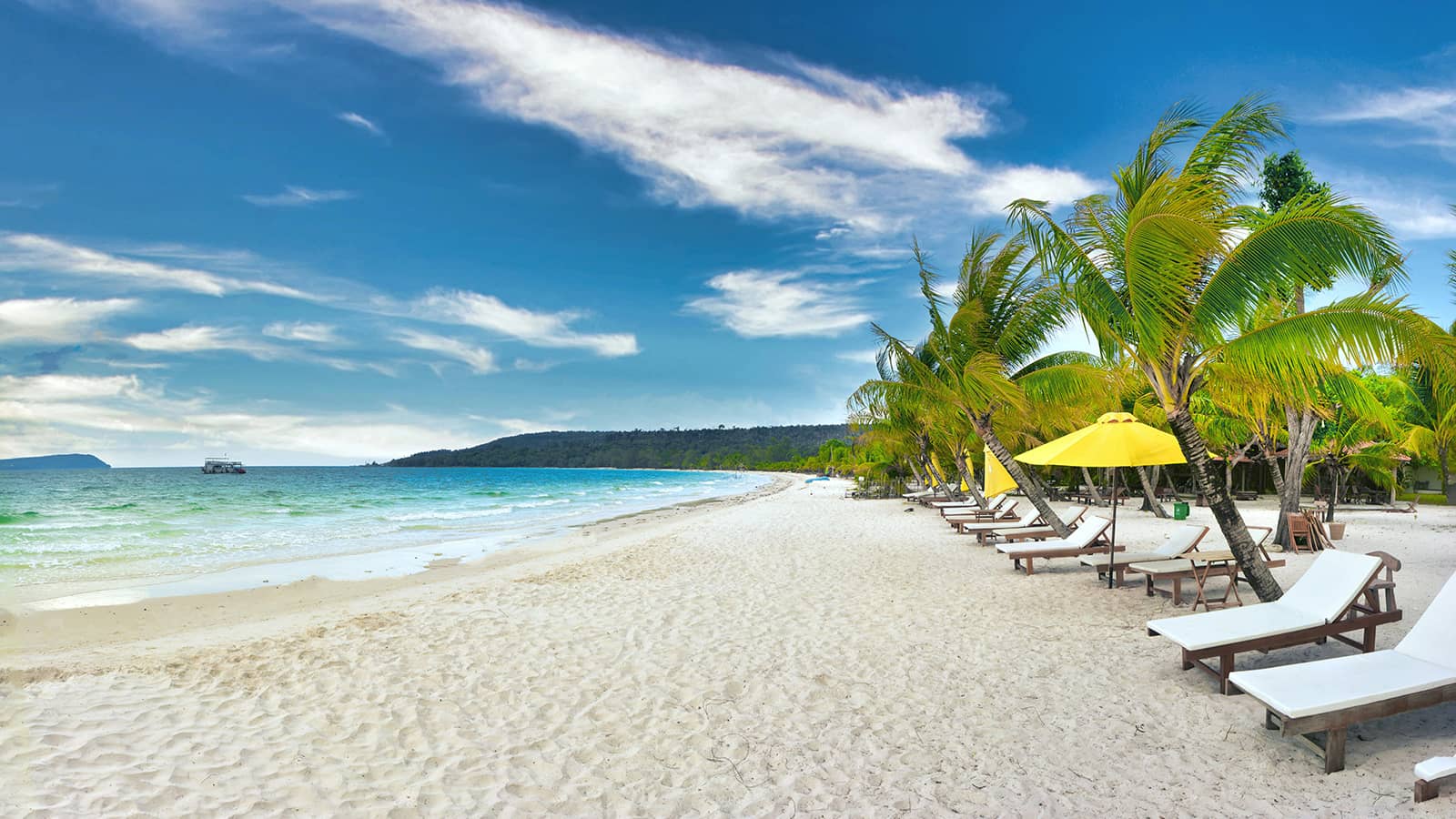
📷 Featured image by Bryan Turner on Unsplash.