On this page
- Mountain Village Magic: Why Kazbegi Captures Every Traveler
- Base Camp Neighborhoods: Choosing Your Mountain Home
- Must-See Sights & Experiences
- Mountain Dining Scene
- Getting Around the Valleys
- Day Adventures from Kazbegi
- Evening Entertainment
- Alpine Shopping
- Where to Stay by Valley
- Seasonal Planning
- Mountain Survival Tips
- Daily Budget Reality
- Frequently Asked Questions
💰 Click here to see Georgia Budget Breakdown
💰 Prices updated: October, 2026. Budget figures are estimates — always verify before travel.
Exchange Rate: $1 USD = ₾2.60
Daily Budget (per person)
Shoestring: ₾70.00 – ₾130.00 ($26.92 – $50.00)
Mid-range: ₾180.00 – ₾350.00 ($69.23 – $134.62)
Comfortable: ₾500.00 – ₾1,000.00 ($192.31 – $384.62)
Accommodation (per night)
Hostel/guesthouse: ₾30.00 – ₾60.00 ($11.54 – $23.08)
Mid-range hotel: ₾110.00 – ₾200.00 ($42.31 – $76.92)
Food (per meal)
Budget meal: ₾15.00 ($5.77)
Mid-range meal: ₾35.00 ($13.46)
Upscale meal: ₾100.00 ($38.46)
Transport
Single metro/bus trip: ₾1.00 ($0.38)
Monthly transport pass: ₾40.00 ($15.38)
Planning a Kazbegi trip in 2026 means navigating a mountain destination that’s evolved far beyond the basic guesthouse scene of previous years. With new luxury lodges opening alongside traditional family accommodations, plus improved road access and expanded hiking infrastructure, choosing the right base and timing requires more strategy than ever.
Mountain Village Magic: Why Kazbegi Captures Every Traveler
Kazbegi sits at 1,740 meters above sea level, where the Greater Caucasus mountains create a natural amphitheater around the Tergi River valley. The main settlement, Stepantsminda, feels like a frontier town where Soviet-era concrete blocks mix with traditional stone houses, all dwarfed by Mount Kazbek’s 5,047-meter peak looming overhead.
The morning light hitting Gergeti Trinity Church creates the postcard moment that draws most visitors, but Kazbegi’s real appeal lies in its accessibility to serious mountain experiences without requiring technical climbing skills. You can wake up in a comfortable guesthouse, hike to a 14th-century church, and end the day soaking in natural hot springs—all while breathing air so crisp it almost burns your lungs on the first deep inhale.
Unlike other Georgian mountain regions, Kazbegi offers immediate gratification. The dramatic scenery starts the moment you arrive, not after hours of hiking. This makes it perfect for photographers, families with older children, and anyone wanting to experience Georgia’s alpine culture without committing to multi-day treks.
Base Camp Neighborhoods: Choosing Your Mountain Home
Stepantsminda town center clusters around the main square where marshrutkas arrive and depart. This area suits first-time visitors who want walking access to shops, restaurants, and tour operators. The concrete apartment buildings house budget guesthouses, while newer hotels occupy prime spots with Kazbek views.
The Gergeti area, 2 kilometers uphill from town, puts you closer to the church and hiking trails. Accommodations here range from traditional farm guesthouses to luxury mountain lodges. The thin air at this elevation affects some visitors, but the sunrise views over the main Caucasus ridge are unmatched.

Sno village, 12 kilometers south of Stepantsminda, offers a quieter base with easier access to the Chaukhi mountain range and fewer crowds. Several family guesthouses operate here, plus it serves as the starting point for Chaukhi Pass hikes.
For serious hikers, staying in Juta village (17 kilometers from Stepantsminda) provides immediate access to the Chaukhi massif and alpine lake trails. Only a handful of guesthouses operate here, making advance booking essential during hiking season.
Must-See Sights & Experiences
Gergeti Trinity Church dominates every Kazbegi itinerary. The 14th-century stone church sits at 2,170 meters, requiring either a steep 3-kilometer hike or a 4WD transfer. The trail starts behind Stepantsminda’s main square, climbing through pine forests before emerging onto alpine grassland. Early morning visits avoid crowds and catch the best light on Mount Kazbek’s glacier.
Mount Kazbek base camp trek challenges fit hikers with a 7-hour round trip to 3,400 meters. The trail follows the Chkheri River through a lunar landscape of volcanic rocks and seasonal waterfalls. Weather can change rapidly above 3,000 meters, making proper gear essential even in summer.
Dariali Gorge stretches 11 kilometers north of Stepantsminda along the Georgian Military Highway. The narrow canyon walls rise 1,000 meters above the Tergi River, creating a wind tunnel effect that keeps temperatures cool even in summer. A 4th-century fortress ruins cling to the eastern cliff face.
Truso Valley offers a gentler hiking alternative, following an ancient trade route through abandoned villages and mineral springs. The 8-kilometer trail passes Soviet-era ruins and crosses several hot spring streams where locals soak their feet.

Mountain Dining Scene
Stepantsminda’s restaurant scene revolves around khinkali houses where mountain-sized dumplings arrive steaming hot on wooden boards. Cafe 5047 on the main square serves excellent khinkali with views of Mount Kazbek, while locals prefer the unnamed khinkali house behind the bus station where portions cost half the touristy spots.
Guesthouse dining provides the most authentic mountain meals. Family-run places serve massive spreads of khachapuri, mtsvadi (grilled meat), and seasonal vegetables grown in high-altitude gardens. The bread comes fresh from traditional tone ovens, and homemade chacha (grape brandy) appears with every dinner.
For picnic supplies, the covered market near the main square stocks local honey, Georgian wine, fresh bread, and mountain cheese. The cheese vendor in the back corner sells particularly good Guda cheese, perfect for trail lunches.
Mountain dining means embracing the guesthouse supra tradition. These extended Georgian feasts can last 3 hours, with toast after toast accompanied by stories about mountain life. The quantity of food and drink can overwhelm unprepared visitors, but refusing hospitality offends hosts.
Getting Around the Valleys
Stepantsminda sits 157 kilometers north of Tbilisi along the Georgian Military Highway. Marshrutkas depart hourly from Didube Metro Station in Tbilisi, taking 3 hours and costing 15 GEL. The road climbs from sea level to over 2,000 meters, providing dramatic scenery but causing motion sickness for some passengers.
Within Kazbegi, most attractions require 4WD vehicles due to steep, unpaved mountain roads. Local drivers congregate around Stepantsminda’s main square, charging 80-120 GEL for Gergeti Trinity Church transfers and 200-300 GEL for full-day valley excursions. Agree on prices before departing.
Hiking trails connect most major sights, but proper preparation is essential. The altitude affects many visitors, and weather changes rapidly above tree line. Local guesthouses rent hiking boots and provide basic trail maps.

The new mountain bike rental shop on Stepantsminda’s main street rents quality bikes for 40 GEL per day, opening access to moderate trails previously requiring long walks. Electric bikes cost 70 GEL daily and help with the steep climbs.
Day Adventures from Kazbegi
Juta village and Chaukhi Pass provide a challenging day hike through Georgia’s most dramatic alpine scenery. The trail starts from Juta’s wooden houses, climbing 800 meters over 8 kilometers to reach a glacial lake beneath the Chaukhi massif’s needle-sharp peaks. The round trip takes 6-8 hours for fit hikers.
Truso Valley offers a gentler full-day exploration combining hiking, hot springs, and historical sites. The valley road is passable by regular car to the village of Abano, where hiking trails continue to abandoned settlements and mineral springs. The Soviet-era watchtowers provide eerie reminders of border tensions.
Dariali Gorge and the Friendship Monument make an easy half-day trip along the Georgian Military Highway. The monument marks the Georgian-Russian border with a circular viewing platform offering 360-degree mountain views. The site requires passport checks but allows day visits.
Sno village serves as base for exploring the eastern Chaukhi range. Several hiking trails begin from the village, including routes to hidden waterfalls and shepherd camps active during summer months. The village maintains a more traditional mountain culture than touristy Stepantsminda.
Gudauri ski resort lies 30 kilometers south of Stepantsminda, accessible year-round for chairlift rides to 3,300 meters. Summer lift operations provide easy access to high-altitude hiking without the climb, though services are limited outside winter season.
Evening Entertainment
Kazbegi’s nightlife centers around guesthouse supra dinners where Georgian hospitality traditions dominate the evening. These multi-hour feasts involve elaborate toasts, traditional songs, and enough homemade wine to test any visitor’s limits. The ritual follows strict protocols—wait for the tamada (toastmaster) before drinking, and never refuse a toast to friendship.

Several guesthouses organize traditional music evenings where local musicians perform mountain songs accompanied by panduri (three-string guitar) and chonguri instruments. The haunting mountain ballads echo across the valleys, especially moving when performed under star-filled skies.
For stargazing, the minimal light pollution makes Kazbegi exceptional for astronomy. Clear nights reveal the Milky Way stretching across the sky, with Mount Kazbek’s silhouette creating a dramatic foreground. The thin air at altitude makes stars appear unusually bright and close.
The town’s single proper bar, Mountain Pub, stays open until midnight serving Georgian beer and chacha to a mix of locals and hikers. The atmosphere remains low-key, with conversation revolving around weather conditions and trail reports rather than typical bar talk.
Alpine Shopping
Stepantsminda’s covered market specializes in local mountain products. The honey vendors sell varieties unavailable elsewhere: alpine flower honey with a floral intensity that reflects the high-altitude meadows, and rhododendron honey with a slightly medicinal taste prized by locals.
Handknitted wool goods dominate the craft stalls. Local women produce thick sweaters, socks, and gloves using traditional patterns passed down through generations. The wool comes from sheep grazed on mountain pastures, creating exceptionally warm and durable clothing.
The hiking gear shop on the main square stocks basic outdoor equipment for visitors who arrive unprepared. Prices exceed Tbilisi levels, but quality remains adequate for short mountain excursions. Rental options include sleeping bags, hiking boots, and rain gear.
Several guesthouses sell their own preserves, pickled vegetables, and mountain herbs. These homemade products use traditional recipes and organic ingredients grown in high-altitude gardens. The pickled jonjoli (bladdernut) provides a uniquely Georgian mountain flavor.
Where to Stay by Valley
Budget accommodations cluster in Stepantsminda’s town center, where Soviet-era apartment buildings house family guesthouses charging 40-60 GEL per person with meals included. These places offer basic comfort with shared bathrooms, but the mountain hospitality and home-cooked meals create memorable experiences.

Mid-range options include newer guesthouses in the Gergeti area with private bathrooms and mountain views. Expect to pay 80-120 GEL per person for half-board accommodation with comfortable rooms and reliable heating. Many feature traditional architecture using local stone and timber.
Luxury mountain lodges have transformed Kazbegi’s accommodation scene since 2024. Properties like Kazbegi Premium offer heated pools, spa services, and gourmet restaurants at 300-500 GEL per night. These places provide resort-level comfort while maintaining mountain atmosphere.
For authentic mountain experience, family guesthouses in outlying villages like Sno and Juta provide immersive cultural experiences. Expect basic facilities but exceptional hospitality, with family members treating guests like relatives and including them in daily mountain life.
Seasonal Planning
Summer hiking season runs June through September when high-altitude trails remain snow-free. July and August bring warm weather but also peak crowds and higher prices. September offers ideal conditions with stable weather, fewer tourists, and autumn colors beginning on lower slopes.
Winter transforms Kazbegi into a snow-covered landscape where most hiking trails become inaccessible. December through March sees consistent snow cover, making 4WD vehicles essential for reaching Gergeti Trinity Church. Many guesthouses close during this period, limiting accommodation options.
Spring arrives late in the mountains, with snow lingering into May at higher elevations. April and May provide excellent photography conditions with snow-capped peaks contrasting against emerging green valleys, but trail conditions remain unpredictable.
The annual Kazbegi Mountain Festival in August celebrates traditional mountain culture with folk dancing, traditional music, and local food competitions. The event draws visitors from across Georgia but also creates accommodation shortages requiring advance booking.

Mountain Survival Tips
Weather changes rapidly in mountain environments. Morning sunshine can turn to afternoon thunderstorms within hours. Pack layers, rain gear, and warm clothing even for summer day hikes. The temperature difference between valleys and peaks can exceed 20°C.
Mobile phone coverage remains spotty outside Stepantsminda town. Inform your accommodation about hiking plans and expected return times. Several mountain rescue teams operate in the region, but response times increase in remote areas.
Water from mountain streams generally remains safe to drink, but many visitors prefer bringing purification tablets or filters. Guesthouses provide bottled water, and the town has several shops selling supplies for longer hikes.
Georgian mountain culture emphasizes hospitality and mutual aid. Local shepherds and farmers often invite passing hikers to share meals or shelter, but language barriers can complicate communication. Learning basic Georgian phrases improves these interactions significantly.
Daily Budget Reality
Budget travelers can experience Kazbegi for 80-100 GEL daily by staying in family guesthouses with full board included, using marshrutka transport, and hiking independently. This covers accommodation, meals, local transport, and basic supplies.
Mid-range comfort requires 150-200 GEL daily for better accommodation with private bathrooms, occasional restaurant meals, 4WD transfers to major sights, and equipment rentals. This budget allows more flexibility and comfort without sacrificing authentic mountain experiences.
Comfortable travel costs 250-350 GEL daily, covering quality mountain lodges, guided excursions, restaurant dining, and gear rentals. This level provides excellent comfort while accessing all major attractions and activities without budget constraints.
Major expenses include accommodation (40-300 GEL per person), meals if not included in accommodation (30-50 GEL daily), 4WD transfers (80-300 GEL per trip), and hiking gear rentals (20-40 GEL per item). Transport from Tbilisi adds 15 GEL each way by marshrutka or 200-300 GEL for private transfer.
Frequently Asked Questions

How many days should I spend in Kazbegi?
Three to four days provide sufficient time to visit Gergeti Trinity Church, complete one major hike, explore Dariali Gorge, and experience mountain guesthouse culture. Extended stays of a week or more suit serious hikers wanting to explore multiple valleys and challenging trails.
Can I visit Kazbegi without hiking experience?
Yes, 4WD vehicles access most major sights including Gergeti Trinity Church and Dariali Gorge. Basic walking ability handles easier trails, while challenging hikes require proper preparation and fitness. Many visitors enjoy Kazbegi’s scenery and culture without serious hiking.
Is Kazbegi safe for solo female travelers?
Georgian mountain culture emphasizes protecting guests, making solo travel generally safe. Stay in established guesthouses, inform hosts about hiking plans, and avoid isolated areas alone. The main risks involve weather and trail conditions rather than personal safety.
What should I pack for a Kazbegi trip?
Layered clothing for variable mountain weather, sturdy hiking boots, rain gear, sun protection, and a warm jacket for evenings. Summer visitors need lighter gear, while winter requires serious cold-weather equipment. Many items can be rented locally if needed.
How does altitude affect visitors to Kazbegi?
Stepantsminda’s 1,740-meter elevation causes mild altitude effects for some people, including headaches and fatigue. Most visitors adjust within 24 hours. Ascend gradually, stay hydrated, and avoid alcohol initially. Serious symptoms require descent to lower elevations immediately.
Explore more
The Ultimate Kazbegi Travel Guide: Plan Your Perfect Trip
What Souvenirs to Buy in Kazbegi: A Guide to Authentic Georgian Keepsakes
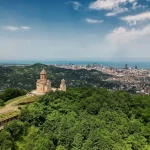
📷 Featured image by Nikoloz Gachechiladze on Unsplash.