On this page
- What Makes Poti Different from Georgia’s Other Coastal Cities
- Poti’s Maritime Heritage and Port Culture
- Day Trip or Overnight? Planning Your Poti Visit
- Getting to Poti: Transport Connections in 2026
- Lake Paliastomi Nature Reserve: Poti’s Hidden Natural Gem
- Where to Eat in Poti: Local Seafood and Port Town Flavors
- Practical Tips for Visiting Poti
- Budget Breakdown: What Poti Costs in 2026
- Frequently Asked Questions
💰 Click here to see Georgia Budget Breakdown
💰 Prices updated: October, 2026. Budget figures are estimates — always verify before travel.
Exchange Rate: $1 USD = ₾2.60
Daily Budget (per person)
Shoestring: ₾70.00 – ₾130.00 ($26.92 – $50.00)
Mid-range: ₾180.00 – ₾350.00 ($69.23 – $134.62)
Comfortable: ₾500.00 – ₾1,000.00 ($192.31 – $384.62)
Accommodation (per night)
Hostel/guesthouse: ₾30.00 – ₾60.00 ($11.54 – $23.08)
Mid-range hotel: ₾110.00 – ₾200.00 ($42.31 – $76.92)
Food (per meal)
Budget meal: ₾15.00 ($5.77)
Mid-range meal: ₾35.00 ($13.46)
Upscale meal: ₾100.00 ($38.46)
Transport
Single metro/bus trip: ₾1.00 ($0.38)
Monthly transport pass: ₾40.00 ($15.38)
Most travelers skip Poti entirely, viewing Georgia’s main commercial port as nothing more than a transit point to Batumi. But this working Black Sea city offers something Georgia’s resort towns don’t: an authentic glimpse into maritime Georgia, minus the tourist crowds and inflated prices that have taken over Batumi since 2024.
What Makes Poti Different from Georgia’s Other Coastal Cities
Poti feels like stepping into a different Georgia altogether. While Batumi sparkles with casinos and beach resorts, Poti remains stubbornly industrial, its character shaped by decades as the Soviet Union’s primary Black Sea cargo hub. The city sprawls around one of the region’s largest ports, where massive container ships dock alongside fishing boats that still bring in daily catches.
Walking through Poti’s center, you’ll notice the architecture tells a story of maritime commerce rather than tourism. Soviet-era apartment blocks stand next to 19th-century merchant houses, while the port’s cranes dominate the skyline. The smell of salt air mixes with diesel fumes and the earthy scent of the nearby Rioni River delta.
Unlike Batumi’s beach promenades, Poti’s waterfront remains working infrastructure. You won’t find beach clubs here, but you will discover authentic Georgian port culture that has remained largely unchanged despite the country’s tourism boom. Local fishermen still mend nets along the harbor, and the city’s restaurants serve seafood that was swimming in the Black Sea hours earlier.
Poti’s Maritime Heritage and Port Culture
Poti’s history stretches back to ancient Colchis, though its modern identity began taking shape in the 1870s when the Russians developed it as a major port. The city became the endpoint for the Transcaucasian Railway, connecting the Black Sea to the Caspian through Tbilisi and Baku.
Today’s Poti Port handles roughly 80% of Georgia’s seaborne trade, making it one of the Caucasus region’s most important commercial hubs. The port expansion completed in 2025 added new container facilities, cementing Poti’s role in China’s Belt and Road Initiative as cargo moves between Asia and Europe.

The Maritime Museum, housed in a renovated 1920s customs building near the port entrance, showcases this commercial heritage. Exhibits include ship models from Colchis-era vessels to modern container ships, plus displays on the port workers’ lives during Soviet times. The museum’s highlight is a restored captain’s cabin from a 1950s Georgian cargo vessel, complete with navigation equipment and personal belongings.
Port tours operate three times weekly through the Poti Municipality, offering behind-the-scenes access to container operations and ship-loading facilities. These 90-minute tours provide insight into how Georgia’s economy connects to global trade networks. Tours cost 25 GEL per person and require advance booking through the municipality office.
Day Trip or Overnight? Planning Your Poti Visit
Most travelers can see Poti’s main attractions in a single day, making it an excellent day trip from Batumi (1 hour by marshrutka) or Kutaisi (1.5 hours). A day trip allows time for the Maritime Museum, Lake Paliastomi Nature Reserve, lunch at a seafood restaurant, and a walk through the port area.
However, staying overnight reveals Poti’s quieter rhythms. Early morning at the fish harbor, evening strolls along less touristy stretches of coastline, and dinner at family-run restaurants where port workers gather after shifts. The city’s few guesthouses offer genuine local hospitality, and you’ll likely be the only foreign visitor.
Overnight stays make sense if you’re interested in birdwatching at Lake Paliastomi, which requires dawn or dusk timing for optimal wildlife viewing. The nature reserve also offers longer hiking trails that need a full day to explore properly.

Consider Poti as a base for exploring the Kolkheti lowlands if you prefer authentic Georgian experiences over resort amenities. From here, you can easily reach Zugdidi (45 minutes), explore Samegrelo regional cuisine, or continue toward Svaneti’s mountain regions.
Getting to Poti: Transport Connections in 2026
Poti’s transport connections improved significantly in 2025 with new marshrutka routes and updated railway services. From Tbilisi, take a marshrutka to Kutaisi (3 hours, 15 GEL), then connect to Poti (1.5 hours, 8 GEL). Direct Tbilisi-Poti marshrutkas operate twice daily but take 5-6 hours with multiple stops.
The railway option involves taking the morning train from Tbilisi to Zugdidi (6 hours, 12 GEL), then a 45-minute marshrutka to Poti (5 GEL). Georgian Railway restored this route in 2024, and trains run daily except Mondays.
From Batumi, frequent marshrutkas run to Poti every hour from 7 AM to 6 PM (1 hour, 6 GEL). The coastal road passes through several small villages, offering glimpses of rural Adjara and Samegrelo regions.
Car rental makes sense if you’re exploring multiple destinations in western Georgia. The drive from Kutaisi to Poti follows well-maintained roads through agricultural lowlands, with several roadside restaurants serving regional specialties.
Within Poti, most attractions lie within walking distance of the central bus station. Local buses connect the city center to Lake Paliastomi (3 GEL) and run every two hours. Taxis cost 5-10 GEL for trips within the city.
Lake Paliastomi Nature Reserve: Poti’s Hidden Natural Gem
Just 7 kilometers from Poti’s center, Lake Paliastomi offers a completely different experience from the industrial port. This coastal lake, connected to the Black Sea by narrow channels, forms part of the larger Kolkheti National Park and hosts over 190 bird species.
The lake’s brackish waters create unique ecosystems where freshwater and marine environments meet. Dense reed beds provide nesting sites for pelicans, herons, and cormorants, while the surrounding wetlands support populations of wild boar and roe deer. Early morning visits often reveal otters playing along the shoreline.

Wooden boardwalks extend into the lake, allowing close wildlife observation without disturbing nesting areas. The main observation tower, rebuilt in 2025, provides panoramic views across the wetlands to the Black Sea coast. Binoculars are essential for serious birdwatching, though large species like pelicans and cormorants are easily visible with naked eyes.
Boat tours operate from the small visitor center, taking passengers through narrow channels into the lake’s interior. These 2-hour tours cost 30 GEL per person and include basic wildlife interpretation. The park ranger speaks limited English but enthusiastically points out various species.
Hiking trails range from easy boardwalk walks (30 minutes) to longer forest paths (3-4 hours) that connect to other sections of Kolkheti National Park. The longest trail leads to an ancient Colchis forest, where massive oak and hornbeam trees create cathedral-like canopies.
Best Times for Wildlife Viewing
Spring migration (March-May) brings the greatest bird diversity, with species traveling between Europe and Africa stopping to rest and feed. Autumn (September-November) offers another excellent viewing period, though with different species compositions.
Summer visits focus more on resident species and the lake’s botanical diversity, including rare orchids and carnivorous plants. Winter brings northern waterfowl species that overwinter in Georgia’s milder coastal climate.
Where to Eat in Poti: Local Seafood and Port Town Flavors
Poti’s restaurants reflect its working-class character and maritime location. Forget fancy presentations – here you’ll find generous portions of ultra-fresh seafood prepared in traditional Samegrelo style, often with the region’s signature spice blends and walnut-based sauces.
Restaurant Anchiskhati, near the port entrance, specializes in fish caught by local boats the same day. Their khavitsi (Black Sea anchovy) served with mchadi (cornbread) and fresh herbs creates a simple but memorable meal. The restaurant’s spartan interior – plastic tables, fluorescent lights – might seem off-putting, but the food quality rivals Tbilisi’s best seafood establishments.

Cafe Rioni, located in a converted shipping container near the fish market, serves the city’s best khachapuri filled with local cheese and fresh dill. The owner, a former port worker, prepares everything himself and maintains amazingly consistent quality despite the unconventional setting.
For regional specialties, Restaurant Samegrelo offers traditional Megrelian dishes alongside fresh fish. Try their gebzhalia (cottage cheese in mint sauce), badrijani (eggplant with walnut paste), and any fish prepared with blue fenugreek, a spice unique to this region.
Several family-run establishments around the central market serve excellent lobio (bean stew) and mtsvadi (grilled meat), though seafood remains the obvious choice given Poti’s location. Prices average 15-25 GEL per person for hearty meals including multiple courses.
Practical Tips for Visiting Poti
Poti receives relatively few foreign visitors, so don’t expect extensive English signage or tourist infrastructure. Basic Georgian phrases help significantly, though younger port workers often speak some English.
The port area requires caution, particularly around active loading zones where heavy machinery operates continuously. Stick to designated pedestrian areas and avoid wandering into restricted sections marked with signs.
Accommodation options remain limited compared to major tourist destinations. Guesthouse Poti, near the city center, offers clean rooms with private bathrooms for 40-60 GEL per night. Family-run establishments provide more authentic experiences but may lack amenities like consistent hot water or WiFi.
Weather can change rapidly due to Poti’s coastal location. Bring layers even in summer, as sea breezes can cool temperatures significantly. Rain gear is essential during autumn and winter months when Black Sea storms bring heavy precipitation.

ATMs are available in the city center, but many small restaurants and guesthouses operate cash-only. Exchange money in Kutaisi or Batumi before arriving, as currency exchange options in Poti are limited.
Budget Breakdown: What Poti Costs in 2026
Poti remains one of Georgia’s most affordable destinations, with prices significantly lower than tourist-focused cities like Batumi or Sighnaghi.
Budget Range (40-60 GEL per day)
- Guesthouse accommodation: 25-40 GEL per night
- Meals at local restaurants: 15-20 GEL per day
- Local transport and museum entries: 10-15 GEL per day
- Lake Paliastomi boat tour: 30 GEL
Mid-Range (60-100 GEL per day)
- Better guesthouse with amenities: 50-70 GEL per night
- Restaurant meals with wine: 25-35 GEL per day
- Taxi transport and guided activities: 20-30 GEL per day
- Port tour and nature reserve activities: 40 GEL
Comfortable (100+ GEL per day)
- Hotel accommodation in nearby Kutaisi: 80-120 GEL per night
- Multiple restaurant meals and local specialties: 40-60 GEL per day
- Private transport and comprehensive tours: 50-70 GEL per day
- Extended nature activities and guide services: 60-80 GEL
Transportation costs remain minimal within Poti itself, though reaching the city from Tbilisi or other major destinations adds 15-30 GEL to daily budgets depending on chosen routes.
Frequently Asked Questions
Is Poti safe for tourists?
Yes, Poti is generally safe, though the industrial port environment requires normal caution around heavy machinery and busy traffic areas. Crime rates are low, and locals are helpful to visitors.
Can you swim at Poti’s beaches?
The beaches near the port are not suitable for swimming due to commercial ship traffic and water quality concerns. Lake Paliastomi offers better swimming conditions in designated areas.
How long should I spend in Poti?
Most visitors find one full day sufficient for main attractions, though overnight stays allow deeper exploration of Lake Paliastomi and authentic local experiences without rushing.
What’s the best season to visit Poti?
Spring (April-May) and autumn (September-October) offer ideal weather and excellent birdwatching at Lake Paliastomi. Summer can be hot and humid, while winter brings frequent rain.
Are there English-speaking guides available?
Limited English-speaking guides operate through the Maritime Museum and Lake Paliastomi visitor center. Most local restaurants and accommodations rely on basic Georgian or Russian for communication.
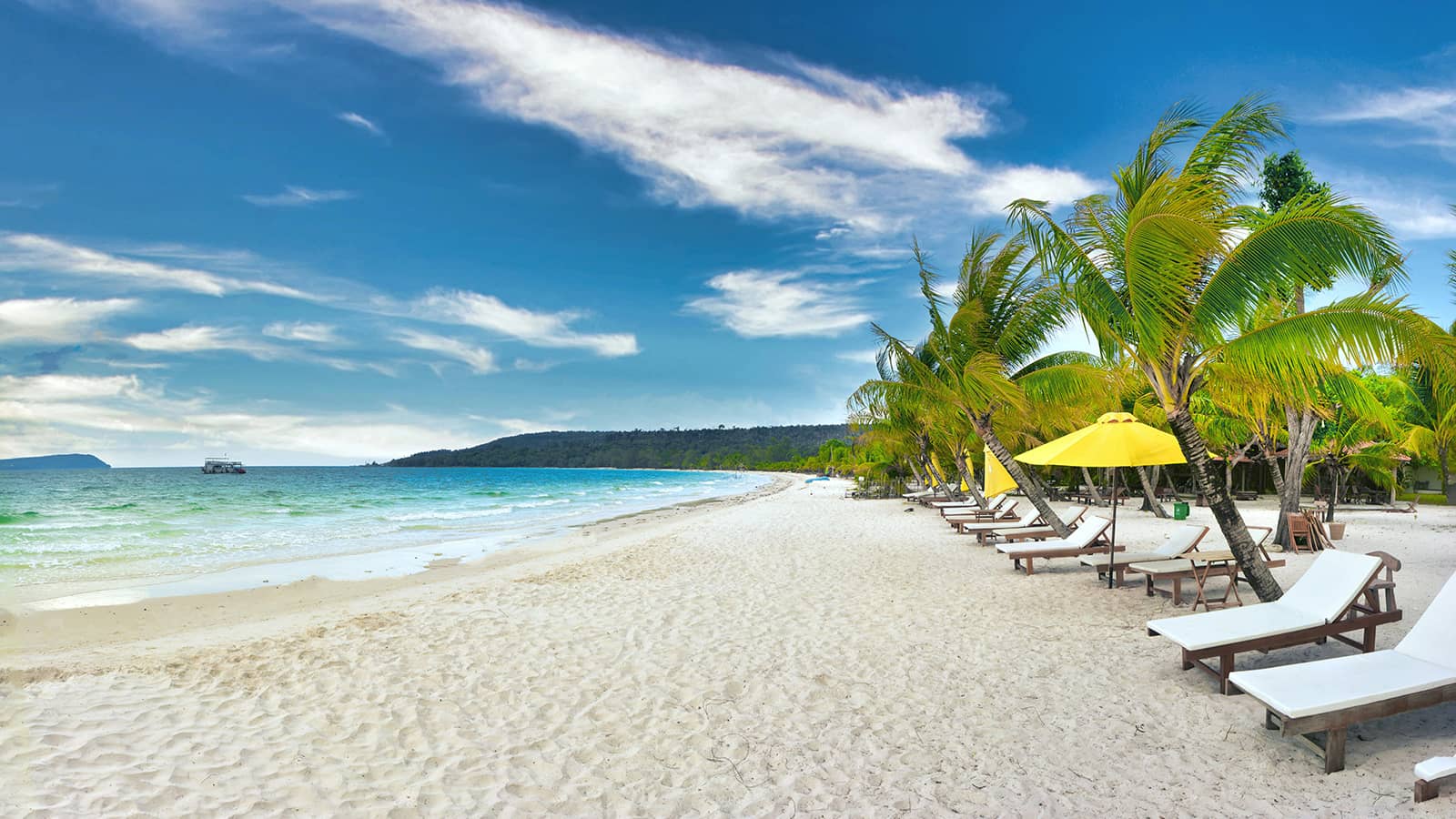
📷 Featured image by Nick Osipov on Unsplash.