On this page
- Why Zugdidi Matters More Than You Think
- The Dadiani Palace: Georgia’s Royal Treasure Trove
- Exploring Zugdidi’s Town Center and Markets
- Food Scene: Where Mingrelian Cuisine Shines
- Getting to Zugdidi: Your Svaneti Starting Point
- Beyond the Palace: Zugdidi’s Hidden Corners
- Budget Breakdown for 2026
- Frequently Asked Questions
💰 Click here to see Georgia Budget Breakdown
💰 Prices updated: October, 2026. Budget figures are estimates — always verify before travel.
Exchange Rate: $1 USD = ₾2.60
Daily Budget (per person)
Shoestring: ₾70.00 – ₾130.00 ($26.92 – $50.00)
Mid-range: ₾180.00 – ₾350.00 ($69.23 – $134.62)
Comfortable: ₾500.00 – ₾1,000.00 ($192.31 – $384.62)
Accommodation (per night)
Hostel/guesthouse: ₾30.00 – ₾60.00 ($11.54 – $23.08)
Mid-range hotel: ₾110.00 – ₾200.00 ($42.31 – $76.92)
Food (per meal)
Budget meal: ₾15.00 ($5.77)
Mid-range meal: ₾35.00 ($13.46)
Upscale meal: ₾100.00 ($38.46)
Transport
Single metro/bus trip: ₾1.00 ($0.38)
Monthly transport pass: ₾40.00 ($15.38)
Most travelers rush through Zugdidi on their way to Svaneti’s soaring peaks, treating it as nothing more than a transport hub. That’s a mistake. This western Georgian town of 42,000 holds one of the country’s finest palace museums and serves up some of the best Mingrelian cuisine outside Tbilisi. With improved marshrutka connections and the 2026 completion of road upgrades toward Mestia, Zugdidi deserves more than a rushed pit stop.
Why Zugdidi Matters More Than You Think
Zugdidi sits at the crossroads of three distinct Georgian worlds. To the north lie the snow-capped towers of Svaneti. To the west, the subtropical coast of Samegrelo beckons. To the south, the rolling wine hills of Imereti begin their gentle climb. This geographic position made Zugdidi a natural power base for the Dadiani princes, who ruled western Georgia for centuries and maintained closer ties to European courts than most Georgian nobility.
The town’s significance extends beyond its royal past. Zugdidi remains the administrative center of Samegrelo region, home to a distinct culture with its own language (Mingrelian), culinary traditions, and musical heritage. Walk through the central market on any morning and you’ll hear more Mingrelian than Georgian being spoken between vendors hawling fresh corn, hazelnuts, and the region’s famously sweet persimmons.
In 2026, Zugdidi benefits from Georgia’s improved western transport network. Direct marshrutkas now run every 30 minutes from Kutaisi, making day trips from the west coast entirely feasible. The town also serves as the launching point for the renovated road to Mestia, which finally received proper asphalt in late 2025 after years of bone-jarring conditions.
The Dadiani Palace: Georgia’s Royal Treasure Trove
The Dadiani Palace Museum houses one of the most eclectic royal collections in the Caucasus. Built in the 1850s by Prince David Dadiani, the palace reflects the family’s unusual position as Georgia’s most internationally connected nobility. Princess Salome Dadiani married Achille Murat, Napoleon’s nephew, bringing French imperial artifacts to this corner of western Georgia.

The museum’s crown jewel is its collection of Napoleon memorabilia, including the emperor’s death mask, brought to Zugdidi after Salome’s marriage. You’ll also find Mingrelian royal regalia, medieval manuscripts, and an impressive weapons collection spanning from local Colchian artifacts to 19th-century European firearms. The palace’s winter garden, with its glass ceiling and exotic plants, creates an unexpectedly tropical atmosphere during Zugdidi’s mild winters.
Entry costs 15 GEL for adults, 5 GEL for students. The museum opens Tuesday through Sunday from 10:00 to 18:00, with extended summer hours until 19:00 from June through September. English-language tours run at 11:00, 14:00, and 16:00 daily, led by knowledgeable local guides who bring the Dadiani family’s stories to life with theatrical flair.
Don’t miss the palace park, a 26-hectare botanical garden that houses over 200 tree species from around the world. The park’s winding paths lead to hidden pavilions, a small lake, and the family mausoleum where several Dadiani princes rest. The contrast between towering California sequoias and native Georgian oaks perfectly captures the family’s blend of local roots and international connections.
Exploring Zugdidi’s Town Center and Markets
Zugdidi’s central boulevard, Zviad Gamsakhurdia Street, stretches from the palace grounds to the main market area. This tree-lined avenue showcases the town’s mix of 19th-century architecture and Soviet-era buildings, with several well-preserved merchant houses that hint at Zugdidi’s commercial past as a major trading center.
The Central Market operates daily from 7:00 to 15:00, reaching peak activity around 9:00 when farmers arrive from surrounding villages. Here you’ll find the freshest examples of Samegrelo’s agricultural bounty: massive sweet corn ears, aromatic tkemali plums in summer, persimmons so sweet they seem candied, and hazelnuts that locals crack with their teeth while conducting business.

The market’s spice section deserves special attention. Mingrelian cuisine uses distinct spice blends not found elsewhere in Georgia, particularly blue fenugreek (locally called “blue spice”) that gives regional dishes their characteristic nutty flavor and subtle blue-green tint. Vendors sell ready-made spice mixes for khachapuri, beans, and meat dishes at 8-12 GEL per 100 grams.
For a glimpse of local life beyond tourist circuits, visit the evening promenade along Rustaveli Street. From 18:00 onward, families stroll between small cafes and ice cream vendors while teenagers gather around the central fountain. The pace is decidedly unhurried, reflecting Zugdidi’s position as a regional center rather than a tourist destination.
Food Scene: Where Mingrelian Cuisine Shines
Zugdidi offers Georgia’s best opportunity to experience authentic Mingrelian cuisine without the tourist markup found in Tbilisi restaurants. Mingrelian food emphasizes dairy, nuts, and distinctive spice combinations that create flavors unlike anywhere else in Georgia.
Start with Mingrelian khachapuri, which differs significantly from other Georgian versions. The cheese filling includes a higher proportion of fresh matsoni and often incorporates chopped herbs. The result is creamier and more aromatic than Imeretian khachapuri, with a distinctive tang from the fermented dairy. Restaurant Dadiani, near the palace, serves excellent versions for 8 GEL alongside their comprehensive Mingrelian menu.
For the region’s signature dish, elarji, head to Cafe Egrisi on Rustaveli Street. This polenta-like dish combines cornmeal with suluguni cheese and fresh butter, creating a rich, stretchy consistency perfect for scooping with torn bread. The cafe’s version includes a sprinkle of blue fenugreek that adds both visual appeal and nutty depth for 12 GEL per portion.

Don’t miss gebzhalia, Samegrelo’s answer to burrata. This fresh cheese delicacy features a creamy center wrapped in a thin cheese membrane, traditionally served with mint and garlic. The texture resembles fresh mozzarella but with a more complex, slightly sour flavor profile. Cafe Megrel serves excellent gebzhalia with warm shotis puri bread for 15 GEL.
The smell of wood-fired ovens and bubbling cheese fills the air around Zugdidi’s traditional bread bakeries, where bakers work from 5:00 AM preparing the day’s khachapuri varieties. These neighborhood bakeries, scattered throughout residential areas, offer the most authentic experience and lowest prices, typically 6-8 GEL for generous portions.
Getting to Zugdidi: Your Svaneti Starting Point
Zugdidi sits 318 kilometers northwest of Tbilisi, accessible by multiple transport options that improved significantly in 2026. The most convenient route from Tbilisi involves taking a marshrutka to Kutaisi (2.5 hours, 25 GEL), then connecting to frequent Zugdidi services (1 hour, 15 GEL). Total journey time is roughly 4 hours with connections.
Direct marshrutkas from Tbilisi’s Didube station run three times daily at 8:00, 12:00, and 16:00, taking 4.5 hours for 35 GEL. These services use newer vehicles and make fewer stops than the connection route, making them worthwhile for the modest price increase.
From Batumi, frequent marshrutkas depart every hour from 7:00 to 19:00, covering the 110-kilometer journey in 2 hours for 20 GEL. The coastal route passes through Poti and offers glimpses of the Black Sea before turning inland toward Zugdidi.
Georgian Railway operates daily trains between Tbilisi and Zugdidi, departing Tbilisi at 20:35 and arriving at 05:15. While economical at 22 GEL for second class, the overnight journey suits only those comfortable with Soviet-era rolling stock and early morning arrivals.
For Svaneti connections, marshrutkas to Mestia depart from Zugdidi’s transport hub near the central market at 7:00, 10:00, 14:00, and 17:00. The improved road surface makes this 2.5-hour journey significantly more comfortable than in previous years, though the route remains spectacular rather than speedy due to mountain curves.

Beyond the Palace: Zugdidi’s Hidden Corners
While the Dadiani Palace dominates Zugdidi’s tourist landscape, several lesser-known sites reward curious travelers. The Zugdidi Archaeological Museum, housed in a former Soviet administrative building, displays Colchian artifacts that predate Greek mythology’s Golden Fleece stories. Bronze Age tools, jewelry, and pottery reveal sophisticated metalworking techniques developed in this region over 3,000 years ago.
The town’s 19th-century cathedral, officially named the Vlakhernsky Cathedral, combines Georgian Orthodox architecture with Russian imperial influences reflecting Samegrelo’s complex political history. The interior frescoes, completed in 2019, blend traditional Georgian religious art with Mingrelian cultural symbols in a unique artistic synthesis.
For a glimpse of Soviet-era ambition, visit the Inguri Hydroelectric Power Station, 20 kilometers northeast of town. This massive dam project, completed in 1978, created an artificial lake that dramatically altered the regional landscape. While tours aren’t available due to security concerns near the South Ossetia boundary, the external viewing area offers impressive perspectives on Soviet engineering capabilities.
Zugdidi’s evening cultural scene centers around the Lado Meskhishvili Theatre, where performances in both Georgian and Mingrelian showcase regional theatrical traditions. The theater’s 2026 season includes several productions featuring traditional Mingrelian music and dance, performed by local companies that maintain centuries-old artistic traditions.
Budget Breakdown for 2026
Budget (backpacker style): 80-120 GEL per day
- Accommodation: Guesthouse bed 40-60 GEL
- Meals: Market snacks and simple restaurants 25-35 GEL
- Palace entry: 15 GEL
- Local transport and miscellaneous: 10-15 GEL
Mid-range (comfortable traveler): 150-220 GEL per day
- Accommodation: Private guesthouse room 80-120 GEL
- Meals: Full restaurant meals including specialties 45-65 GEL
- Palace entry plus guided tour: 25 GEL
- Transport, souvenirs, and activities: 20-30 GEL
Comfortable (full experience): 250-350 GEL per day
- Accommodation: Hotel Zugdidi or equivalent 120-180 GEL
- Meals: Fine dining and multiple restaurant experiences 70-100 GEL
- Palace, museum, and cultural activities: 35 GEL
- Private transport, shopping, and extras: 40-60 GEL

Transport to Zugdidi varies significantly by route: Tbilisi direct (35 GEL), Tbilisi via Kutaisi (40 GEL total), Batumi direct (20 GEL), Kutaisi direct (15 GEL). Budget an additional 25 GEL for onward transport to Mestia if continuing to Svaneti.
Frequently Asked Questions
Is Zugdidi worth visiting if I’m not going to Svaneti?
Yes, particularly for the Dadiani Palace and authentic Mingrelian cuisine. The palace museum ranks among Georgia’s best, and the town offers genuine local culture without tourist crowds found elsewhere.
How much time should I spend at the Dadiani Palace?
Plan 2-3 hours minimum to see both the museum and botanical garden properly. Add an extra hour if taking a guided tour, which provides valuable context about the royal family’s fascinating history.
Can I store luggage in Zugdidi while exploring?
Yes, the transport station near the central market offers luggage storage for 5 GEL per day. Most hotels and guesthouses also store bags for departing guests at no charge.
What’s the best time of year to visit Zugdidi?
April through October offers the best weather for exploring. Summer brings the fullest market selection and longest museum hours, while spring and autumn provide comfortable temperatures for walking around town.
Are there ATMs and currency exchange in Zugdidi?
Yes, Bank of Georgia and TBC Bank have multiple ATMs throughout the town center. The post office provides currency exchange services, though rates are better in larger cities like Kutaisi or Batumi.
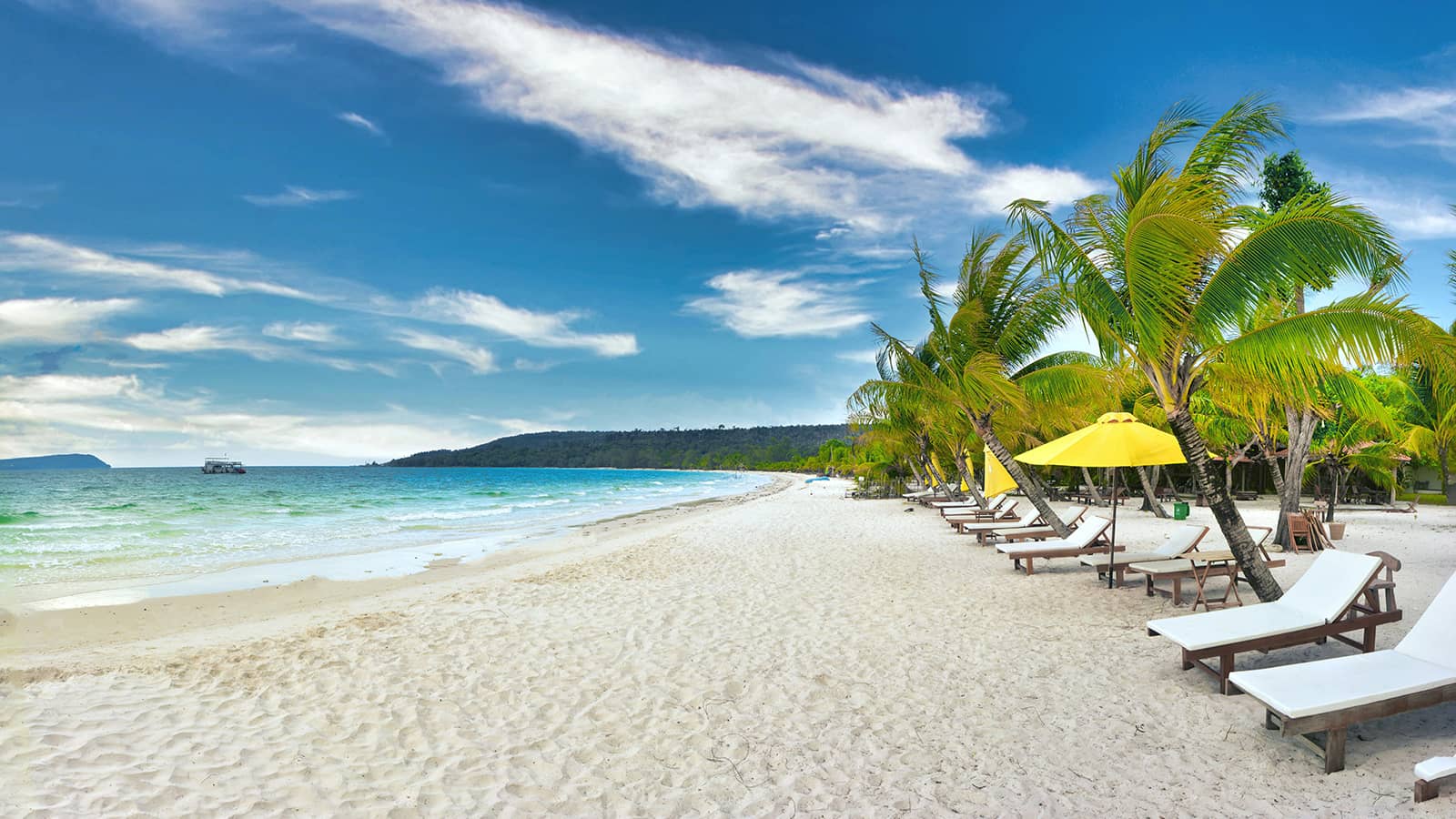
📷 Featured image by Nick Osipov on Unsplash.