On this page
- Telavi’s Royal Legacy: From Heraclius II to Modern Georgia
- Architectural Treasures Beyond the Tourist Trail
- The Living Fortress: Exploring Gremi Archaeological Complex
- Culinary Traditions That Predate the Wine Tourism Boom
- Navigating Telavi’s Neighborhoods Like a Local
- Day Trips to Kakheti’s Forgotten Villages
- Budget Planning for Your Telavi Adventure
- Frequently Asked Questions
💰 Click here to see Georgia Budget Breakdown
💰 Prices updated: October, 2026. Budget figures are estimates — always verify before travel.
Exchange Rate: $1 USD = ₾2.60
Daily Budget (per person)
Shoestring: ₾70.00 – ₾130.00 ($26.92 – $50.00)
Mid-range: ₾180.00 – ₾350.00 ($69.23 – $134.62)
Comfortable: ₾500.00 – ₾1,000.00 ($192.31 – $384.62)
Accommodation (per night)
Hostel/guesthouse: ₾30.00 – ₾60.00 ($11.54 – $23.08)
Mid-range hotel: ₾110.00 – ₾200.00 ($42.31 – $76.92)
Food (per meal)
Budget meal: ₾15.00 ($5.77)
Mid-range meal: ₾35.00 ($13.46)
Upscale meal: ₾100.00 ($38.46)
Transport
Single metro/bus trip: ₾1.00 ($0.38)
Monthly transport pass: ₾40.00 ($15.38)
While most visitors to Telavi in 2026 arrive with wine tastings on their minds, the capital of Kakheti offers layers of history and culture that run far deeper than its celebrated vineyards. The challenge for modern travelers is breaking free from the wine tour circuit to discover the royal palaces, ancient fortresses, and authentic neighborhood life that make this eastern Georgian city genuinely fascinating.
Telavi’s Royal Legacy: From Heraclius II to Modern Georgia
King Heraclius II ruled the Kingdom of Kartli-Kakheti from Telavi in the 18th century, and his palace complex remains the most compelling historical site in the region. The restored royal residence on Erekle II Street showcases the sophisticated court life that flourished here centuries before Georgia became known internationally for its wine.
The palace museum houses original manuscripts, royal portraits, and ceremonial weapons that tell the story of Georgia’s struggle for independence against Persian and Ottoman empires. Walking through the king’s private chambers, you can still see the ornate ceiling frescoes and carved wooden details that survived Soviet-era neglect. The scent of old wood and the soft echo of footsteps on polished floors transport you directly into 18th-century Georgian aristocracy.
Behind the main palace, the small Church of the Holy Cross contains the tomb of Heraclius II himself. Local historians often gather here on weekday mornings to discuss Georgian history with visitors who show genuine interest beyond the standard tourist narrative.
The transformation of Telavi since 2024 has been remarkable. New pedestrian zones around the palace complex make exploration more pleasant, while improved lighting highlights architectural details that were previously lost in shadows. The city invested heavily in historical interpretation, with multilingual plaques now explaining the significance of each royal building.

Architectural Treasures Beyond the Tourist Trail
Telavi’s architectural heritage extends far beyond the royal palace into neighborhoods where 19th-century merchant houses and traditional Kakhetian balconies create some of Georgia’s most photogenic streetscapes. Chavchavadze Avenue features a collection of two-story wooden houses with elaborate carved balconies that wealthy wine merchants built during the Russian Imperial period.
The Batonis Tsikhe fortress, located just behind the main square, offers a completely different perspective on Telavi’s defensive history. This 17th-century citadel served as the administrative center for the entire Kakheti region. Climbing to the fortress walls provides panoramic views across the Alazani Valley to the Caucasus Mountains, particularly stunning during late afternoon when the light turns golden.
Hidden in the residential areas north of the center, the 6th-century Ikalto Monastery represents some of the oldest Christian architecture in Kakheti. The monastery’s academy educated generations of Georgian scholars, including the 12th-century poet Shota Rustaveli. The complex includes three churches, each built in different centuries, creating a timeline of Georgian ecclesiastical architecture.
Local restoration projects completed in 2025 uncovered original stone carvings and frescoes that had been plastered over during Soviet times. The monastery now serves as both an active religious site and a center for traditional Georgian calligraphy workshops.
The Living Fortress: Exploring Gremi Archaeological Complex
Twenty kilometers northeast of Telavi, the Gremi Archaeological Complex represents one of Georgia’s most ambitious historical restoration projects. This 16th-century royal citadel served as the capital of Kakheti Kingdom before Iranian invasions destroyed much of the settlement in 1616.
The reconstructed Church of the Archangels features original frescoes depicting King Levan of Kakheti and his family. The artwork provides rare insight into royal portraiture during Georgia’s golden age. Archaeological excavations ongoing since 2023 continue revealing foundations of the royal palace, workshops, and residential quarters that made Gremi a thriving medieval city.

The museum complex opened in late 2025 houses artifacts discovered during recent digs: Byzantine coins, Persian ceramics, and Georgian manuscripts that illustrate Gremi’s role as a major trading center on the Silk Road. Interactive displays allow visitors to understand how merchants, craftsmen, and nobles lived within the fortress walls.
The climb to the top of the bell tower requires steady nerves but rewards visitors with views across the Alazani Valley that help explain why medieval kings chose this location for their capital. The wind-swept platform provides a sense of the isolation and strategic importance that defined fortress life six centuries ago.
Culinary Traditions That Predate the Wine Tourism Boom
Telavi’s food scene offers far more than the tourist-oriented restaurants serving standard Georgian fare to wine tour groups. The city’s location in the heart of Kakheti means access to ingredients and cooking techniques that remain largely unchanged since medieval times.
Dedali Restaurant on Rustaveli Street serves traditional Kakhetian cuisine in a family home that dates to 1890. Their signature dish, chakapuli with wild plums, uses a recipe passed down through five generations. The tart sweetness of the plum sauce paired with tender lamb creates flavors that reflect Kakheti’s position between Persian and Georgian culinary traditions.
For breakfast, locals gather at small bakeries throughout the old town that specialize in Kakhetian khachapuri filled with Imeretian cheese and fresh herbs. The aroma of yeast and baking cheese fills these neighborhood spots before 8:00 AM, when workers stop for coffee and warm bread before heading to the vineyards.
The central market operates every day except Monday, offering seasonal produce that reflects Kakheti’s agricultural diversity beyond grapes. Vendors sell walnuts, honey, dried fruits, and handmade churchkhela that represent the region’s authentic flavors. Many speak basic English and enjoy explaining how traditional preservation methods keep foods fresh without refrigeration.

Evening meals at family-run establishments like Gvino serve dishes that pair with local wines but stand alone as examples of refined Georgian cooking. Their mtsvadi (grilled meat) uses techniques specific to Kakheti, where the meat marinates in wine and wild herbs before grilling over vine cuttings.
Navigating Telavi’s Neighborhoods Like a Local
Understanding Telavi’s neighborhood structure helps visitors experience the city beyond its obvious attractions. The historic center around Erekle II Square contains most tourist sites but represents only a small portion of this working city of 20,000 residents.
The Saburtalo district, west of the center, features Soviet-era apartment blocks interspersed with newer construction that houses many families involved in the wine industry. Walking these residential streets provides insight into contemporary Georgian life away from tourist zones. Small shops sell household goods, while neighborhood cafes serve coffee and Georgian sweets to locals taking breaks from work.
North of the main road to Sighnaghi, the Vardisubani neighborhood preserves traditional Kakhetian architecture with single-story houses surrounded by vegetable gardens and fruit trees. Many families here still make wine for personal consumption using methods passed down through generations. Residents often welcome curious visitors who show respect for their traditions.
The area around the bus station reflects Telavi’s role as Kakheti’s transportation hub. Marshrutka drivers, farmers bringing produce to market, and workers commuting from smaller villages create a constant flow of activity that reveals the economic relationships connecting this region.
Getting around requires either walking or using the informal taxi system. Drivers gather near the main square and charge fixed rates (10-15 GEL) for trips within the city. Most speak basic English and often serve as impromptu guides who can suggest authentic restaurants or direct visitors to sites not mentioned in guidebooks.

Day Trips to Kakheti’s Forgotten Villages
Telavi serves as an excellent base for exploring Kakheti villages that receive few international visitors but offer genuine insights into rural Georgian life. These destinations work best as day trips, though some offer family guesthouses for overnight stays.
Omalo, 45 kilometers north in the Tusheti region, requires a 4×4 vehicle and 2.5 hours of mountain driving but provides access to medieval defensive towers and traditional stone houses largely unchanged since the 18th century. The village operates seasonally (June-September) due to snow, but the journey through the Gometsari Pass offers some of Georgia’s most dramatic mountain scenery.
Closer to Telavi, the village of Kondoli preserves traditional winemaking in family cellars carved into hillsides centuries ago. The 12th-century church contains frescoes depicting local saints, while surrounding vineyards use organic methods that predate modern agricultural techniques by hundreds of years.
Napareuli village, 15 kilometers west of Telavi, specializes in traditional bread-making in outdoor stone ovens. Several families welcome visitors to observe the process and purchase fresh bread baked using wood from local fruit trees. The village also maintains traditional crafts including pottery and textile weaving.
Transportation to these villages requires either hiring a driver (80-120 GEL per day) or joining small group tours organized by local operators. Public marshrutkas serve some villages but operate irregular schedules that make day trips challenging without advance planning.
Budget Planning for Your Telavi Adventure
Telavi’s costs in 2026 remain significantly lower than Tbilisi or Batumi, though wine tourism has driven some price increases in tourist-oriented establishments. Budget planning depends largely on accommodation choices and dining preferences.
Budget Level (40-60 GEL per day):
- Guesthouse accommodation: 25-35 GEL per night
- Local restaurant meals: 8-12 GEL per meal
- Museum entrances: 3-5 GEL per site
- Local transportation: 2-5 GEL per trip
- Market snacks and drinks: 5-10 GEL per day

Mid-range Level (80-120 GEL per day):
- Small hotel accommodation: 50-70 GEL per night
- Restaurant meals with wine: 20-30 GEL per meal
- Guided tours to nearby sites: 30-50 GEL per person
- Private taxi for city exploration: 40-60 GEL per day
- Souvenirs and local products: 20-30 GEL per day
Comfortable Level (150-200 GEL per day):
- Boutique hotel accommodation: 100-130 GEL per night
- Fine dining experiences: 40-60 GEL per meal
- Private driver for village tours: 120-150 GEL per day
- Wine tastings at premium cellars: 25-40 GEL per session
- Traditional craft workshops: 30-50 GEL per experience
ATMs are available throughout the city center, and most establishments accept both cash and cards. However, smaller family restaurants and village excursions typically require cash payment in Georgian lari.
Frequently Asked Questions
How many days do I need to explore Telavi properly?
Two to three days allows thorough exploration of the city’s historical sites and one day trip to nearby villages. Wine enthusiasts might want an additional day for cellar visits.
What’s the best time of year to visit Telavi?
April through October offers the best weather, with September being ideal for harvest season. Winter visits are possible but many village sites have limited access.
Do I need a car to get around Telavi and surrounding areas?
The city center is walkable, but a car or hired driver significantly improves access to villages and historical sites outside the immediate area.
How different is Telavi from other Georgian wine regions?
Telavi focuses more on traditional qvevri winemaking and has stronger historical connections to Georgian royalty compared to the more tourist-developed Sighnaghi area.
Are there English-speaking guides available for historical sites?
Yes, the tourist information center near Erekle II Square can arrange English-speaking guides for 40-60 GEL per half-day for historical and cultural tours.
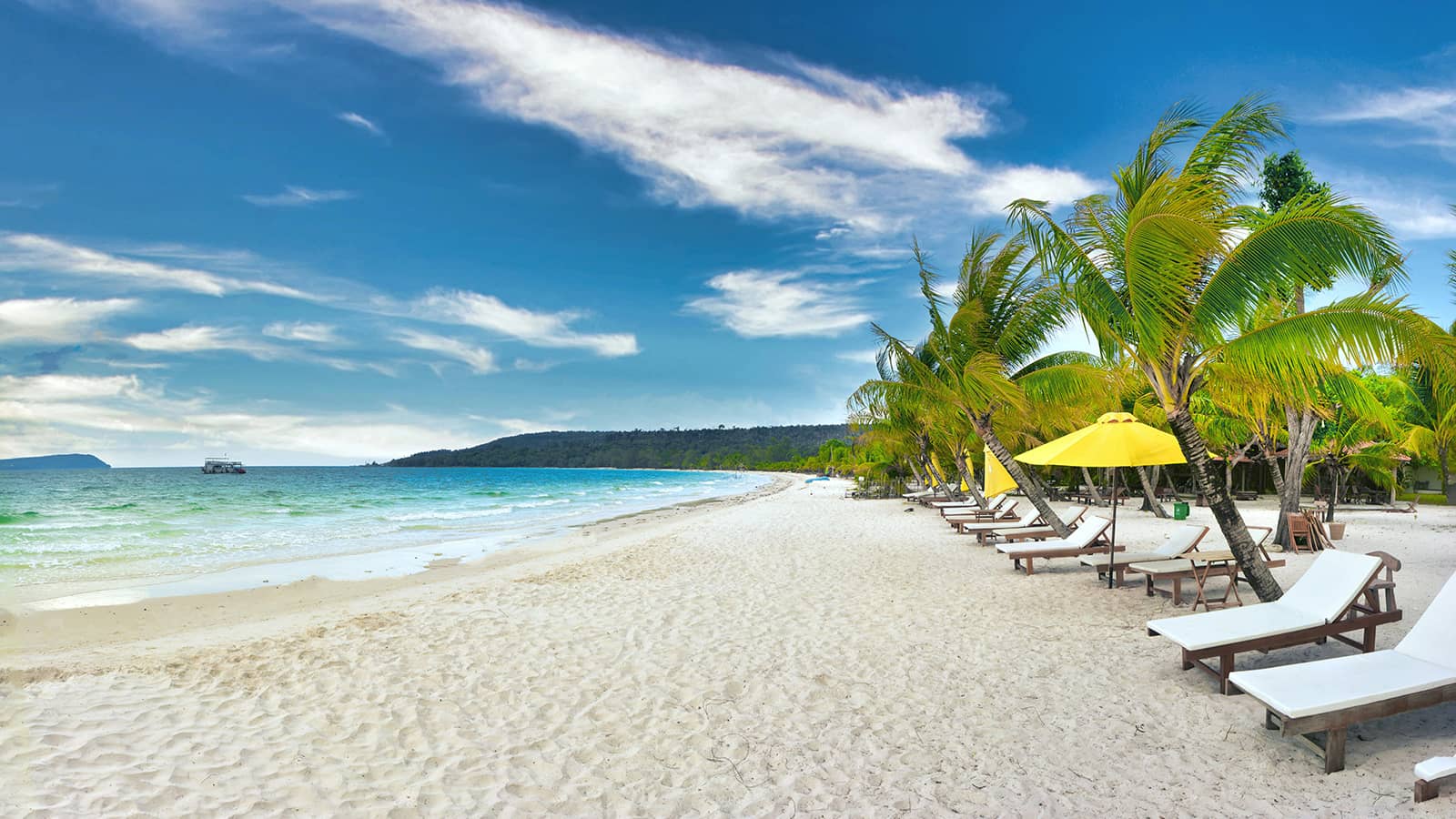
📷 Featured image by Nick Osipov on Unsplash.