April in Georgia brings more than just blooming wildflowers and warming weather—it ushers in a distinct culinary season that many visitors miss entirely. Spring ingredients like wild nettles, young garlic scapes, and tender herbs transform traditional Georgian dishes into lighter, more vibrant versions of their winter counterparts. The challenge for 2026 travelers is knowing where to find these seasonal specialties beyond tourist-focused restaurants that serve the same khachapuri year-round.
Spring Ingredients and Seasonal Specialties
Georgian spring cuisine centers around foraged ingredients that appear briefly in markets and family kitchens. Wild nettle, called chichkhili, transforms into soups and fillings for khinkali that taste nothing like the heavy meat versions served in winter. The young leaves create a bright green broth with a mineral tang that pairs beautifully with fresh cheese.
Young garlic shoots, harvested before the bulbs mature, add a mild onion flavor to pkhali—those walnut-based vegetable spreads that become intensely flavorful when made with spring greens. Wild spinach varieties, including ispanakhi and mountain spinach, create pkhali with a complexity impossible to achieve with cultivated vegetables.
Fresh herbs reach their peak in April. Tarragon, cilantro, and Georgian basil (regan) appear in abundance, while wild mint grows along mountain streams. These herbs transform simple dishes—a handful of fresh tarragon can elevate basic matsoni (Georgian yogurt) into a sophisticated sauce for grilled meats.
Regional Spring Dishes Across Georgia
Each region approaches spring ingredients differently, creating distinct seasonal variations worth seeking out. In Svaneti, spring brings kubdari filled with wild herbs instead of the traditional spiced meat. The high-altitude greens, including wild onions and mountain herbs, create a completely different flavor profile from the heavy winter version.

Adjara’s spring cuisine incorporates fresh fish from the Black Sea with young vegetables. Sinori, a layered cheese bread, gets stuffed with early spring onions and fresh herbs. The coastal humidity keeps herbs particularly aromatic, and local cooks layer them between thin sheets of dough to create intensely flavored breads.
Kakheti, Georgia’s wine region, offers spring dishes designed to complement young wines. Fresh cheese mixed with chopped herbs becomes churchkhela filling, while tender vine leaves get stuffed with rice, herbs, and pine nuts. The grape leaves in April are at their most tender, before they toughen in summer heat.
Western Georgian regions like Samegrelo showcase spring vegetables in elarji, their signature cornmeal dish. Instead of the heavy winter version, spring elarji incorporates fresh corn kernels, young beans, and wild greens. The texture becomes lighter while maintaining the satisfying warmth that defines Samegrelo cuisine.
Wine Pairings for Spring Cuisine
Georgian wines in April offer unique pairing opportunities as winemakers release their young wines alongside established vintages. Fresh Chinuri and Mtsvane whites complement herb-heavy dishes without overwhelming delicate spring flavors. These wines maintain enough acidity to balance rich walnut-based sauces while supporting rather than competing with seasonal vegetables.
Natural wines from producers like Pheasant’s Tears and Iago’s Wine work particularly well with foraged ingredients. The wild fermentation process mirrors the unpredictability of spring foraging, creating wines with earthy undertones that enhance wild nettle soups and herb-stuffed breads.
For red wine drinkers, light Tavkveri from Kartli pairs beautifully with spring lamb dishes. The wine’s bright fruit character doesn’t overpower tender young meat, while its moderate tannins complement herb-crusted preparations common in spring cooking.
Sparkling wines made from Chinuri create excellent pairings with fresh cheese dishes. The bubbles cleanse the palate between bites of rich pkhali, while the wine’s mineral character enhances the complexity of walnut-based spreads.

Where to Experience Authentic Spring Flavors
Finding authentic spring Georgian cuisine requires looking beyond central Tbilisi restaurants. Sakhli #11 in Tbilisi’s Vake district changes its menu seasonally and sources ingredients from specific farms in different regions. Their spring khinkali filled with wild greens exemplifies how traditional techniques adapt to seasonal ingredients.
In Signagi, Pheasant’s Tears restaurant coordinates with their winery to create food and wine pairings using ingredients from their organic garden. April visits often feature dishes impossible to recreate outside Georgia, using herbs and vegetables that don’t travel well.
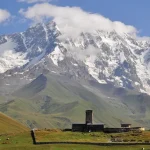
Family-run guesthouses throughout Svaneti offer the most authentic experience of regional spring cooking. Hosts in villages like Mestia and Ushguli prepare meals using foraged ingredients from surrounding mountains. The elevation keeps spring vegetables available longer than in lower regions, extending the season into May.
Batumi’s Piazza area includes several restaurants specializing in Adjarian spring dishes. Adjarian House serves traditional coastal spring preparations, including herb-stuffed fish and seasonal vegetable combinations not found elsewhere in Georgia.
Spring Food Markets and Local Shopping
Georgia’s covered markets transform in April as vendors shift from preserved winter foods to fresh spring ingredients. Tbilisi’s Central Market offers the widest selection, with dedicated sections for herbs, wild vegetables, and seasonal specialties. The aroma of fresh tarragon and cilantro fills the herb section, while vendors display unfamiliar wild greens with patient explanations of their uses.
Kutaisi’s Green Market specializes in western Georgian ingredients, including varieties of herbs and vegetables specific to Imereti region. The market’s cheese vendors sell fresh matsoni and seasonal cheese preparations that pair perfectly with spring herbs. Local honey vendors offer varieties made from spring wildflowers, creating unique flavors available only during this brief season.

Telavi Market in Kakheti provides access to wine region specialties, including grape leaves perfect for stuffing and herbs used in traditional Kakhetian spring dishes. The market’s wine section includes small producers selling limited spring releases alongside established favorites.
Regional markets in towns like Akhalkalaki and Gori offer ingredients specific to their elevations and microclimates. Mountain markets feature wild mushrooms and high-altitude herbs, while lowland markets focus on early vegetables and coastal specialties.
Budget Guide for Spring Dining
Spring dining in Georgia offers excellent value compared to peak tourist seasons, with seasonal ingredients keeping costs moderate across all price ranges. Budget dining (20-40 GEL per person) centers around small family restaurants and market-adjacent eateries serving seasonal soups and bread-based dishes. A bowl of fresh nettle soup with local bread costs 8-12 GEL, while seasonal pkhali portions range from 5-8 GEL depending on ingredients.
Mid-range restaurants (40-80 GEL per person) offer more refined presentations of spring dishes alongside wine pairings. Expect to pay 15-25 GEL for herb-stuffed khinkali, 20-30 GEL for seasonal fish preparations, and 25-35 GEL for spring vegetable combinations. Wine by the glass ranges from 8-15 GEL for regional selections.
Comfortable dining (80-150 GEL per person) includes wine-focused restaurants and upscale establishments creating innovative spring menus. Multi-course spring tasting menus cost 60-90 GEL without wine, while premium natural wine pairings add 40-60 GEL per person. These restaurants often feature ingredients unavailable elsewhere and preparations that showcase seasonal complexity.
Market shopping for spring ingredients costs significantly less than restaurant meals. Fresh herbs cost 2-4 GEL per bunch, seasonal vegetables range from 3-8 GEL per kilogram, and artisanal cheeses cost 15-25 GEL per kilogram. A week’s worth of spring ingredients for self-catering typically costs 50-80 GEL per person.
Frequently Asked Questions

What makes Georgian spring cuisine different from other seasons?
Spring Georgian cuisine focuses on foraged wild ingredients like nettles, wild onions, and mountain herbs that create lighter, more complex flavors than heavy winter dishes. Many spring ingredients are only available for 4-6 weeks.
Can vegetarians enjoy Georgian spring cuisine?
Absolutely. Spring is the best season for vegetarian Georgian food, with numerous herb-based dishes, seasonal vegetable preparations, and cheese combinations. Many traditional spring dishes are naturally vegetarian, using wild plants and fresh dairy products.
How do I identify authentic spring dishes on restaurant menus?
Look for seasonal indicators like “wild herbs,” specific Georgian plant names, or menu items marked as “spring only.” Authentic restaurants often explain seasonal availability and may not have these dishes year-round.
Are spring ingredients safe for travelers to eat?
Yes, when prepared by knowledgeable cooks. Avoid attempting to forage wild ingredients yourself—stick to restaurant preparations or market vendors who can properly identify safe plants. Georgian cooks have generations of experience with seasonal ingredients.
What’s the best time in April to experience spring flavors?
Mid to late April offers the peak variety of spring ingredients across most of Georgia. Earlier April may have limited selection in mountain regions, while May begins the transition to summer vegetables and reduced availability of wild spring herbs.
Explore more
Georgian Wine Country in April 2026: A Springtime Guide
Georgia’s Green Season: Hiking and Nature Trails for April 2026
Experiencing Orthodox Easter in Georgia: A Traveler’s Guide for April 2026
📷 Featured image by Jacek Urbanski on Unsplash.