💰 Click here to see Georgia Budget Breakdown
💰 Prices updated: October, 2026. Budget figures are estimates — always verify before travel.
Exchange Rate: $1 USD = ₾2.60
Daily Budget (per person)
Shoestring: ₾70.00 – ₾130.00 ($26.92 – $50.00)
Mid-range: ₾180.00 – ₾350.00 ($69.23 – $134.62)
Comfortable: ₾500.00 – ₾1,000.00 ($192.31 – $384.62)
Accommodation (per night)
Hostel/guesthouse: ₾30.00 – ₾60.00 ($11.54 – $23.08)
Mid-range hotel: ₾110.00 – ₾200.00 ($42.31 – $76.92)
Food (per meal)
Budget meal: ₾15.00 ($5.77)
Mid-range meal: ₾35.00 ($13.46)
Upscale meal: ₾100.00 ($38.46)
Transport
Single metro/bus trip: ₾1.00 ($0.38)
Monthly transport pass: ₾40.00 ($15.38)
Sighnaghi‘s dining scene has transformed dramatically since 2024, with new wine-focused restaurants opening alongside renovated historic cellars. The challenge isn’t finding good food in this hilltop town — it’s choosing between exceptional khachapuri at a family bakery, natural wines paired with contemporary Georgian cuisine, or centuries-old qvevri tastings in atmospheric stone cellars. Here’s where to eat and drink your way through Georgia’s wine capital.
Traditional Georgian Restaurants in Sighnaghi’s Old Town
Pheasant’s Tears remains the gold standard for authentic Kakhetian cuisine paired with natural wines. John Wurdeman’s restaurant focuses on forgotten regional dishes like chakapuli with plums and mtsvadi grilled over vine cuttings. The khachapuri here uses local Tushetian cheese, creating a creamy texture that pairs beautifully with their skin-contact rkatsiteli. Expect to pay 45-60 GEL per person for dinner with wine.
Okros Satsmissi occupies a beautifully restored 19th-century mansion with vine-covered terraces overlooking the Alazani Valley. Their specialty is slow-cooked lamb with tkemali sauce, prepared in traditional tone ovens. The restaurant sources ingredients from nearby villages, and their churchkhela is made fresh daily using grape juice from their own vineyard. Main dishes range from 18-28 GEL.
Machakhela focuses specifically on Adjarian cuisine, unusual for Kakheti but executed perfectly. Their khachapuri adjarian arrives as a boat-shaped bread filled with melted cheese, topped with a raw egg and a pat of butter that slowly melts as you mix it. The lobio here is cooked with smoked pork and served in individual clay pots. Portions are generous, with most dishes under 20 GEL.
Modern Wine-Focused Dining Venues
Cradle of Wine opened in early 2026 in a converted Soviet-era building near the main square. Chef Tekuna Gachechiladze creates contemporary interpretations of Kakhetian classics, like mtsvadi tataki with adjika aioli and deconstructed khinkali served as dumplings in bone broth. Their wine list features 40 Georgian producers, with many available by the glass through a Coravin system. Tasting menus start at 85 GEL.

Qvevri Kitchen specialises in wood-fired cooking, with every dish prepared in their massive outdoor oven visible from the dining room. Their signature dish pairs grilled trout from nearby streams with fermented grape verjuice and wild herbs foraged from the Caucasus foothills. The restaurant maintains its own qvevri for fermenting both wine and vinegar used in cooking. Expect 35-50 GEL for main courses.
Vintage Sighnaghi combines traditional winemaking with modern techniques in both their cellar and kitchen. Their tasting room features floor-to-ceiling windows showcasing rows of qvevri buried in the ground. The menu changes seasonally, with spring featuring wild garlic pkhali and autumn highlighting persimmon and walnut combinations. Wine and food pairings cost 65-90 GEL per person.
Cosy Cafes and Bakeries for Light Meals
Bread House Sighnaghi bakes traditional shotis puri in a massive tone oven every morning at 7 AM. The aroma of freshly baked bread fills the small space, mixing with steam from their tea brewing station. Their khachapuri imeruli is exceptional, with locally made sulguni cheese that stretches into long, satisfying strings. Breakfast here costs 8-12 GEL with tea or coffee.
Cafe Terrace occupies the top floor of a restored merchant house with panoramic views across the Alazani Valley toward Azerbaijan’s mountains. Their Georgian coffee is prepared in traditional jezve pots, served with small portions of gozinaki and churchkhela. Light meals include fresh salads with Kakhetian tomatoes and cheese plates featuring local varieties. Prices range from 15-25 GEL.
Mtsvadi Corner isn’t technically a cafe, but this small grill house near the city walls serves the best grilled meat in town from 10 AM onwards. They marinate chunks of pork and beef in wine overnight, then grill them over glowing vine cuttings. The meat arrives smoky and tender, accompanied by fresh herbs and traditional Georgian pickles. Portions cost 12-18 GEL.

Sweet Sighnaghi specialises in Georgian desserts often overlooked by tourists. Their pelamushi — grape juice thickened with flour and shaped into sausage-like rolls — provides an authentic taste of autumn harvest traditions. The shop also makes excellent baklava using local walnuts and honey from Telavi region. Desserts and sweets range from 3-8 GEL per portion.
Historic Wine Cellars and Tasting Rooms
Sighnaghi Wine Cellar occupies tunnels carved into the hillside during the 19th century, maintaining constant temperature perfect for aging wine. Their collection includes rare Soviet-era vintages alongside modern natural wines. Tastings include six wines paired with local cheese and nuts, while guides explain traditional qvevri winemaking techniques passed down through generations. Standard tastings cost 35 GEL per person.
Bodbe Monastery Cellar produces wine using grapes grown on monastic lands, continuing traditions dating to the 4th century. Their rkatsiteli and saperavi are fermented in ancient qvevri buried beneath the stone floor. The atmospheric cellar features candlelit alcoves where visitors taste wine while learning about Georgian Orthodox winemaking traditions. Religious wine tastings cost 25 GEL.
Château Schuchmann combines German precision with Georgian traditions in their modern facility outside town. Their underground cellar showcases both qvevri and steel tank fermentation methods. The tasting room overlooks endless vineyard rows, particularly beautiful during October harvest season when leaves turn golden. Premium tastings with food pairings range from 45-80 GEL.
Family Winery Jakeli represents traditional Georgian winemaking at its most authentic. The family has produced wine for eight generations using the same qvevri vessels. Their cellar remains completely natural — no electricity, just candles and oil lamps creating dancing shadows on ancient clay vessels. Intimate tastings for small groups cost 30 GEL per person.

Local Markets and Street Food Spots
Sighnaghi Central Market operates every morning except Monday in the square below the main church. Vendors sell fresh produce from surrounding villages, including the sweetest grapes you’ll taste in Georgia during September and October. Local women prepare khachapuri and lobio in portable clay ovens, selling portions wrapped in paper for 5-8 GEL each.
Weekend Farmers Market takes place Saturday and Sunday near the city walls. This smaller market focuses on organic produce and homemade specialties. Look for fresh matsoni (Georgian yogurt), homemade cheese varieties, and seasonal fruit preserves. Vendors often offer tastings before purchase, and prices remain very reasonable at 2-10 GEL for most items.
Churchkhela Vendors set up along the main walking street, particularly busy during summer tourist season. These grape juice and walnut confections hang like colorful sausages from wooden frames. Quality varies significantly — look for vendors with darker, more concentrated grape coatings rather than artificially bright colors. Authentic churchkhela costs 3-5 GEL per piece.
Mobile Khinkali Stands appear in the main square during evening hours, serving hot dumplings from insulated containers. The filling typically includes a mixture of pork, beef, and herbs, with the broth sealed inside thin dough wrappers. Eat these standing up, holding by the twisted top and slurping the hot broth before biting into the meat. Expect 2-3 GEL per dumpling.
Budget Breakdown: What to Expect in 2026
Budget Level (25-40 GEL per day): Focus on local bakeries for breakfast, market vendors for lunch, and family-run restaurants for dinner. Bread House provides excellent morning meals, while market khachapuri and simple mtsvadi satisfy lunch needs. Evening meals at Machakhela or similar local spots keep costs reasonable.

Mid-Range Level (60-90 GEL per day): Combine traditional restaurants with one wine cellar visit. Start with cafe breakfast, enjoy lunch at Okros Satsmissi, and include a standard wine tasting at Sighnaghi Wine Cellar. This budget allows for better wine selections and more diverse Georgian specialties.
Comfortable Level (120-180 GEL per day): Experience both traditional and modern Georgian cuisine with premium wine pairings. Include breakfast at Cafe Terrace, lunch at Qvevri Kitchen, and dinner at Pheasant’s Tears or Cradle of Wine. Add premium cellar visits and higher-end wine selections.
Wine Cellar Costs: Basic tastings range from 25-35 GEL, while premium experiences with food pairings cost 65-90 GEL. Private cellar tours for small groups typically add 20-30 GEL per person. Most cellars require advance booking, especially during harvest season (September-October).
Transportation Notes: Since 2025, marshrutka service between Tbilisi and Sighnaghi has improved significantly, with direct routes costing 8 GEL each way. However, many wine cellars lie outside town and require taxi transport, typically 15-25 GEL for short distances within the Sighnaghi area.
Frequently Asked Questions
What are Sighnaghi restaurant opening hours in 2026?
Most restaurants open 11 AM-10 PM during summer, but many close earlier (8-9 PM) in winter. Several establishments don’t serve lunch Monday-Wednesday during off-season. Always call ahead, especially for dinner reservations.
Do Sighnaghi restaurants accept credit cards?
Major restaurants like Pheasant’s Tears and newer establishments accept cards, but many traditional venues and all market vendors require cash in lari. ATMs are available near the main square and city walls.
Can vegetarians find good food options in Sighnaghi?
Absolutely. Georgian cuisine includes excellent vegetarian dishes like pkhali (vegetable pâtés), lobio (bean stews), and various khachapuri types. Most restaurants accommodate dietary restrictions with advance notice, and several specialize in seasonal vegetable preparations.
How much should I budget for wine tastings?
Plan 25-35 GEL for basic cellar tastings, 45-65 GEL for experiences with food pairings. Premium private tastings cost 80-120 GEL per person. Most cellars offer package deals for multiple visits during extended stays.
What’s the best time to visit for food and wine experiences?
September-October during harvest season offers the most authentic experience, with active wine production and seasonal ingredients. Spring (April-May) provides excellent weather and fresh produce, while summer offers full restaurant operations but larger crowds.
Explore more
Sighnaghi Shopping Guide: Best Souvenirs, Wine & Local Crafts
Planning Your Trip to Sighnaghi: Essential Tips & How to Get There from Tbilisi
Sighnaghi After Dark: Top Wine Bars, Marani Tastings & Nightlife Spots
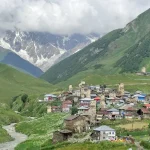
📷 Featured image by Artem Zhyzhyn on Unsplash.