On this page
- Batumi’s Dual Personality: Where Ancient Adjara Meets Modern Resort Life
- Neighborhood Character Guide: Finding Your Batumi Base
- Must-Experience Attractions and Unmissable Highlights
- Food Markets, Restaurant Districts, and Where Locals Actually Eat
- Transportation: Navigating Batumi’s Compact Layout
- Day Trip Destinations: Exploring Beyond Batumi
- After Dark: Batumi’s Nightlife and Entertainment Scenes
- Shopping Districts: From Luxury Malls to Artisan Markets
- Where to Stay: Accommodation Areas by Budget and Style
- Seasonal Planning: When to Visit for Your Ideal Experience
- Practical Travel Tips: Navigating Resort Town Logistics
- Budget Breakdown: Daily Costs Across Spending Levels
- Frequently Asked Questions
💰 Click here to see Georgia Budget Breakdown
💰 Prices updated: October, 2026. Budget figures are estimates — always verify before travel.
Exchange Rate: $1 USD = ₾2.60
Daily Budget (per person)
Shoestring: ₾70.00 – ₾130.00 ($26.92 – $50.00)
Mid-range: ₾180.00 – ₾350.00 ($69.23 – $134.62)
Comfortable: ₾500.00 – ₾1,000.00 ($192.31 – $384.62)
Accommodation (per night)
Hostel/guesthouse: ₾30.00 – ₾60.00 ($11.54 – $23.08)
Mid-range hotel: ₾110.00 – ₾200.00 ($42.31 – $76.92)
Food (per meal)
Budget meal: ₾15.00 ($5.77)
Mid-range meal: ₾35.00 ($13.46)
Upscale meal: ₾100.00 ($38.46)
Transport
Single metro/bus trip: ₾1.00 ($0.38)
Monthly transport pass: ₾40.00 ($15.38)
Batumi in 2026 faces a peculiar challenge: how do you maintain authentic Georgian character when international hotel chains and luxury developers have transformed the skyline into something resembling Dubai-by-the-Black-Sea? The answer lies in the city’s remarkable ability to blend old and new, where 13th-century fortresses sit alongside rotating Ferris wheels, and traditional Adjarian khachapuri vendors operate from glass-walled shopping complexes.
Batumi’s Dual Personality: Where Ancient Adjara Meets Modern Resort Life
Batumi operates as two cities sharing the same coastline. The historic center preserves the soul of ancient Adjara with its maze of cobblestone streets, 19th-century European architecture, and traditional Georgian wine cellars tucked beneath Ottoman-era buildings. Step five blocks toward the sea, and you’re surrounded by towering glass hotels, LED-wrapped skyscrapers, and beach clubs that wouldn’t look out of place in Monaco.
This cultural split isn’t accidental. Since 2010, Georgia’s government has positioned Batumi as the country’s gateway to European tourism, investing heavily in infrastructure that attracts visitors from Turkey, Armenia, and increasingly, direct flights from European capitals. The result is a city where you can browse handwoven Adjarian carpets in the morning and sip champagne 200 meters above sea level in a revolving restaurant by evening.
The Black Sea coastline extends beyond Batumi proper, encompassing resort towns like Kobuleti to the north and the pristine beaches of Gonio to the south. Each stretch offers different experiences: Kobuleti attracts Georgian families with affordable guesthouses and pine-shaded beaches, while Gonio draws history enthusiasts to its Roman fortress ruins and relatively uncrowded shoreline.
What makes Batumi compelling isn’t just its beaches—though the 6-kilometer pebble and sand coastline is genuinely beautiful—but its role as a cultural crossroads. Adjarian cuisine blends Georgian, Turkish, and Armenian influences. Local architecture showcases Art Nouveau facades alongside contemporary glass towers. Even the language shifts: you’ll hear Georgian, Turkish, Armenian, and Russian spoken within the same city block.

Neighborhood Character Guide: Finding Your Batumi Base
Batumi’s neighborhoods each cater to different travel styles and budgets. Understanding these districts before booking accommodation saves both money and disappointment.
Old Town (Stari Batumi)
The historic center occupies roughly twelve square blocks between the port and Batumi Boulevard. Narrow streets wind between 19th-century buildings housing family-run restaurants, wine bars, and small hotels. This area suits travelers who prioritize atmosphere over modern amenities. Accommodations range from renovated guesthouses (50-80 GEL per night) to boutique hotels (120-200 GEL). The neighborhood comes alive after dark when restaurants spill onto cobblestone streets and impromptu wine tastings begin in basement cellars.
Walking to the beach takes 10-15 minutes through pedestrian zones. The port location means some traffic noise, but the cultural immersion compensates. Old Town works best for couples seeking romance, solo travelers interested in Georgian culture, and anyone wanting to experience authentic Adjarian hospitality.
New Boulevard and Miracle Park
The modern resort district stretches along the coastline from Miracle Park northward to the new port area. Glass towers house international hotel chains, upscale restaurants, and rooftop bars with sea views. This zone targets visitors seeking luxury resort experiences with European standards of service and amenities.
Beachfront hotels dominate accommodation options (200-500 GEL per night for sea-view rooms). The area includes Batumi’s most photographed attractions: the moving Ali and Nino sculpture, the Alphabet Tower, and the Batumi Ferris wheel. Shopping centers, casinos, and spa facilities cluster along the Boulevard, creating a self-contained resort experience.
New Boulevard suits families with children (beaches are well-maintained with lifeguards), business travelers (reliable Wi-Fi and meeting facilities), and anyone prioritizing convenience over cultural immersion. Direct beach access and modern infrastructure make this the practical choice for shorter stays.

City Center (Between Old Town and Boulevard)
The middle zone offers the best balance of authenticity and convenience. Streets like Tamar Mepe and Zviad Gamsakhurdia house mid-range hotels, local restaurants, and shops catering to both tourists and residents. This area provides easy access to both historic sites and beach areas without the premium pricing of seafront locations.
Accommodation includes Soviet-era hotels with updated rooms (60-120 GEL), modern business hotels (100-180 GEL), and apartment rentals (40-100 GEL). The neighborhood offers genuine local life: grocery markets, traditional barber shops, and restaurants where Georgian families dine rather than just tourists.
Khelvachauri and Southern Suburbs
The areas south of central Batumi, including villages like Khelvachauri, offer budget accommodation and a more rural Adjarian experience. Guesthouses and small hotels (25-60 GEL per night) often include home-cooked meals and direct contact with Georgian families. The trade-off is distance: reaching central Batumi requires 30-45 minutes by bus or marshrutka.
This option works for budget travelers, those interested in agritourism experiences, and visitors planning to explore the broader Adjarian region rather than focusing solely on Batumi’s urban attractions.
Must-Experience Attractions and Unmissable Highlights
Batumi’s attractions divide between natural wonders, architectural marvels, and cultural sites that showcase the region’s complex history.
Batumi Botanical Garden
Located 9 kilometers north of central Batumi, the botanical garden ranks among the world’s largest, covering 108 hectares of coastal hillside. The collection includes over 5,000 plant species from nine distinct climate zones, ranging from Japanese bamboo forests to Australian eucalyptus groves. The garden’s microclimate supports plants that shouldn’t theoretically grow together, creating surreal landscapes where palm trees share space with alpine flowers.
The visit requires 3-4 hours to explore properly. Well-marked trails lead through different climate zones, with benches positioned for rest stops and photography. The upper sections offer panoramic views of the Black Sea coastline stretching toward Turkey. Entry costs 10 GEL for adults, with guided tours available in English for an additional 15 GEL.
Batumi Cable Car (Argo Cable Car)
The cable car system connects Batumi Boulevard to Anuria Mountain, climbing 250 meters above sea level in approximately 8 minutes. The journey offers rotating views of the city, coastline, and Adjarian mountains. At the summit, a restaurant complex provides dining with panoramic views, though prices reflect the tourist location (entrees 25-45 GEL).
Operating hours extend from 11:00 to midnight during peak season (June-September), with reduced hours off-season. Round-trip tickets cost 20 GEL for adults, 10 GEL for children. The summit station includes walking trails, souvenir shops, and a small amusement park area suitable for families with young children.
Ali and Nino Sculpture
The 8-meter tall moving sculpture depicts two lovers from different cultures slowly approaching, embracing, and separating in an endless cycle. The figures complete their movement every 10 minutes, creating a hypnotic display that draws crowds throughout the day and evening. LED lighting transforms the sculpture after dark, with colors shifting to match the movement phases.
Located on Batumi Boulevard near Miracle Park, the sculpture provides excellent photography opportunities, particularly during sunset when the Black Sea creates a natural backdrop. The surrounding area includes benches, small cafes, and street performers, making it a natural gathering point for evening strolls.
Gonio-Apsaros Fortress
Fifteen kilometers south of Batumi, this Roman fortress dates to the 1st century AD and represents one of the region’s most significant archaeological sites. The rectangular fortress covers 4.5 hectares, with walls reaching 5 meters high and 2 meters thick. Archaeological excavations have revealed Roman baths, early Christian churches, and Byzantine-era additions spanning nearly 1,500 years of continuous occupation.

The on-site museum displays artifacts including Roman coins, pottery, and early Christian inscriptions. Entry costs 5 GEL, with English-language audio guides available for 10 GEL. The visit requires 1-2 hours, combining outdoor exploration of the fortress walls with indoor museum exhibits.
Batumi Archaeological Museum
The museum houses Georgia’s largest collection of artifacts from the Colchis period (6th-1st centuries BC), including gold jewelry, bronze weapons, and ceremonial objects. The collection provides context for understanding pre-Christian Georgian culture and the region’s connections to ancient Greek civilization through the myth of Jason and the Golden Fleece.
Located in a renovated 19th-century building on Chavchavadze Street, the museum includes interactive displays and detailed explanations in Georgian, English, and Russian. Entry costs 8 GEL, with guided tours available by advance booking. The visit complements other historical sites by providing broader context for Adjarian cultural development.
Food Markets, Restaurant Districts, and Where Locals Actually Eat
Batumi’s food scene reflects its position as a cultural crossroads, with Adjarian specialties alongside Turkish, Armenian, and international cuisines. Understanding where to find different types of food prevents tourist trap disappointment and leads to memorable meals.
Central Market and Street Food
The central market operates on Mayakovsky Street from early morning until evening, offering the city’s best selection of local produce, spices, and prepared foods. Adjarian khachapuri vendors cluster near the main entrance, preparing boat-shaped cheese breads with fresh eggs and butter for 3-5 GEL each. The market’s prepared food section includes churchkhela (Georgian candy made from nuts and grape must), fresh cheese varieties, and seasonal fruits.
Street food concentrates along Batumi Boulevard during evening hours, with vendors selling grilled corn (2 GEL), lobiani (bean-filled bread, 2-3 GEL), and Georgian wine by the glass (3-5 GEL). Quality varies significantly, but vendors near the Ali and Nino sculpture maintain higher standards due to visibility and competition.

Traditional Georgian Restaurant Quarter
The streets surrounding Europe Square house Batumi’s concentration of traditional Georgian restaurants catering to both tourists and locals. Sanapiro Restaurant on Konstantine Gamsakhurdia Street serves authentic Adjarian cuisine including kuchmachi (organ meat stew) and mtsvadi (grilled meat skewers) in a restored 19th-century building. Main courses range from 12-25 GEL, with extensive Georgian wine lists.
Fanfan Restaurant on Takaishvili Street offers modern presentations of Georgian classics in an Art Nouveau setting. Their signature dish, Adjarian khachapuri with black sea anchovies, costs 18 GEL and represents creative fusion of local traditions. The restaurant maintains an English-language menu and staff comfortable with international visitors.
Seafood Dining Along the Harbor
The old port area hosts several seafood restaurants with direct access to daily catches from Black Sea fishing boats. Restaurant Sakartvelo overlooks the harbor from a converted warehouse space, serving grilled turbot, Black Sea mussels, and seasonal fish preparations. The daily catch menu changes based on availability, with prices ranging from 20-40 GEL for main courses.
Harbor-area restaurants operate seasonally, with peak quality during summer months when fishing activity increases. Many establishments offer outdoor seating with harbor views, though the proximity to port operations means some industrial noise and activity.
Rooftop and High-End Dining
The New Boulevard hotel district includes several rooftop restaurants with sea views and international cuisine. Skybar Batumi, located on the 20th floor of the Radisson Blu hotel, offers contemporary European dishes with panoramic coastal views. Main courses range from 35-55 GEL, with cocktails priced at 15-25 GEL. Reservations recommended during peak season.
Restaurant Chateau Mere in the Sheraton Batumi provides upscale Georgian cuisine with wine pairings from the hotel’s extensive cellar. The seven-course tasting menu (85 GEL per person) includes modern interpretations of Adjarian specialties paired with Georgian wines from small producers.

Local Hangouts and Authentic Experiences
For genuine local dining experiences, venture to neighborhoods where Georgian families actually eat. Cafe Laguna on Angisa Street serves homestyle Georgian meals including khinkali (dumpling soup, 1 GEL per piece) and badrijani nigvzit (eggplant with walnut paste, 8 GEL) in a no-frills setting where conversations happen in Georgian and tourists are genuinely rare.
The wine cellars beneath Old Town buildings offer informal tasting experiences with local vintners. Cellar Marani on Ilia Chavchavadze Street operates from a 19th-century basement space, serving Georgian wines by the glass (4-8 GEL) with simple cheese and bread plates. The atmosphere emphasizes conversation and wine appreciation over formal dining.
Transportation: Navigating Batumi’s Compact Layout
Batumi’s relatively small size makes most attractions accessible on foot, though understanding local transportation options helps with longer distances and day trips beyond the city.
Airport Connections
Batumi International Airport sits 2 kilometers south of the city center, handling direct flights from Tbilisi, seasonal European routes, and Turkish connections. Airport bus service (Route 10) operates every 30 minutes from 7:00 to 22:00, connecting the terminal to central Batumi for 1 GEL. The journey takes 15-20 minutes depending on traffic.
Taxi service from the airport costs 10-15 GEL to central hotels, with pre-booked transfers available through hotel concierge services. Several international car rental companies maintain airport counters, though driving in central Batumi presents parking challenges during peak season.
City Bus System
Batumi operates a modern bus network with electronic payment systems and GPS tracking. Route 1 connects the southern suburbs through the city center to the northern coastal areas, providing access to most tourist areas for 1 GEL per journey. Buses run every 10-15 minutes during daylight hours, with reduced frequency after 20:00.

The Batumi Card (available at hotels and tourist information centers) provides unlimited bus travel plus discounts at participating restaurants and attractions. Three-day cards cost 15 GEL, seven-day cards cost 25 GEL. The card also includes free Wi-Fi access at designated hotspots throughout the city.
Bike Rentals and Cycling
Batumi Boulevard includes a dedicated cycling path extending from the port area north to the botanical garden area. Bike rental stations operate at regular intervals along the Boulevard, with hourly rates at 5 GEL and daily rentals at 20 GEL. The flat coastal terrain makes cycling accessible for all fitness levels.
Electric scooter sharing services introduced in 2025 provide additional short-distance options. Lime and Bolt scooters are available through smartphone apps, with rates starting at 1 GEL unlock fee plus 0.20 GEL per minute. Scooters cannot be used on pedestrian areas but provide efficient transport along main streets.
Walking Distances and Pedestrian Areas
Central Batumi covers approximately 3 square kilometers, with most attractions within 20 minutes walking distance of each other. The entire Boulevard length requires about 45 minutes to walk, though the flat, well-maintained path makes for pleasant strolling with regular rest stops and cafes.
Pedestrian-only zones include much of the Old Town center and sections of the Boulevard during evening hours (18:00-midnight in summer). These areas offer the most atmospheric exploration opportunities, particularly during late afternoon when residents emerge for evening socializing.
Day Trip Destinations: Exploring Beyond Batumi
Batumi’s location provides access to diverse day trip options, from ancient fortresses to mountain villages and cross-border excursions into Turkey.
Gonio Fortress and Beach (30 minutes south)
The Roman fortress of Gonio-Apsaros combines historical significance with one of the region’s best beaches. Marshrutka minibuses depart from Batumi’s central station every 30 minutes (3 GEL, 25-minute journey). The fortress visit requires 1-2 hours, leaving time for beach relaxation or lunch at seaside restaurants.

Gonio Beach offers cleaner water and fewer crowds compared to central Batumi, with a mix of pebble and sand shoreline. Beach chair rentals cost 10 GEL per day, with several beachside restaurants serving fresh seafood. The combination of history and beach time makes this an ideal half-day excursion.
Machakhela National Park (45 minutes northeast)
This mountain park protects temperate rainforest, waterfalls, and traditional Adjarian villages. The park entrance at Chaisubani village is accessible by marshrutka from Batumi (5 GEL, 40-minute journey). Well-marked hiking trails lead to Makhuntseti Waterfall (30-meter cascade) and Queen Tamar’s Bridge, a medieval arched bridge spanning a mountain gorge.
The full park experience requires 4-6 hours, including hiking time and village exploration. Local guesthouses in Chaisubani offer traditional Adjarian lunch (15-20 GEL per person) and insights into mountain village life. The park represents excellent value for nature enthusiasts and photographers.
Sarpi and Turkish Border (30 minutes south)
The village of Sarpi sits directly on the Georgian-Turkish border, offering easy crossing opportunities for visa-free tourism. Turkish towns like Hopa provide different cultural experiences, shopping opportunities, and Turkish cuisine. Marshrutka service connects Batumi to Sarpi every hour (4 GEL, 30-minute journey).
Border crossing requires valid passport and takes 15-30 minutes depending on crowds. Turkish side offers duty-free shopping, Turkish breakfast experiences, and scenic coastal drives. A full day allows time for Turkish coastal exploration before returning to Batumi by evening.
Kobuleti Coastal Resort (30 minutes north)
Kobuleti offers a more traditional Georgian beach experience, with pine forests backing sandy beaches and family-run guesthouses. Regular train service connects Batumi to Kobuleti (3 GEL, 25-minute journey), with additional marshrutka options. The town provides insight into how Georgian families vacation, with less international influence than Batumi.
Kobuleti’s beaches extend for several kilometers, with natural shade from pine trees and several seaside restaurants serving traditional Georgian beach food. The town center includes a small market, Soviet-era sanatoriums, and guesthouses offering home-cooked meals. This destination suits travelers seeking authentic Georgian coastal culture.

Adjarian Wine Route Villages (1-2 hours inland)
Mountain villages like Khulo and Shuakhevi preserve traditional Adjarian winemaking and offer dramatic mountain scenery. Organized tours (available through Batumi travel agencies) cost 80-120 GEL per person and include transportation, wine tastings, and traditional lunch. Independent travel requires rental car or hired driver, as public transport to these villages is limited.
The wine route includes visits to family cellars, traditional cheese-making demonstrations, and mountain hiking opportunities. Villages maintain traditional architecture and lifestyles, providing contrast to Batumi’s resort atmosphere. The experience works best as a full-day commitment with advance planning.
After Dark: Batumi’s Nightlife and Entertainment Scenes
Batumi’s nightlife operates on multiple levels, from sophisticated rooftop lounges to beach clubs and traditional Georgian wine cellars that transform into late-night gathering spaces.
Casino District and Gaming
The New Boulevard area houses several large casinos targeting tourists from countries where gambling is restricted. Casino Batumi Palace and Shangri La Casino operate 24 hours with slot machines, table games, and poker rooms. These establishments include restaurants, bars, and entertainment venues creating self-contained nightlife complexes.
The casinos attract international visitors and create a distinctive atmosphere different from typical Georgian nightlife. Dress codes lean toward smart casual, and minimum bets start around 5 GEL for table games. Free drinks are provided to active players, following international casino conventions.
Beach Clubs and Seaside Bars
Summer season brings beach clubs to life along Batumi Boulevard, with outdoor bars, DJ sets, and dance areas directly on the sand. Club Hype and Beach Bar Batumi operate from May through September, featuring international DJs, cocktail service, and late-night dancing. Entry fees range from 10-20 GEL, with higher prices during peak weekends and special events.

These venues cater to younger crowds and international visitors seeking party atmospheres. Music leans toward electronic dance, house, and international pop. The beachside setting creates unique atmospheres with sea breezes and outdoor dancing under stars.
Rooftop Lounges and Sophisticated Drinking
Several hotels and independent establishments offer elevated drinking experiences with city and sea views. The Clouds Bar on the 18th floor of the Batumi Marriott provides panoramic views with craft cocktails and small plates. Cocktails range from 18-25 GEL, with a sophisticated clientele and upscale atmosphere.
Sky Lounge at the Radisson Blu offers similar views with more casual atmosphere and Georgian wine focus. The venue hosts weekly wine tasting events featuring Georgian producers, with tastings priced at 25-35 GEL including appetizers. Reservations recommended for window seating.
Traditional Wine Cellars and Local Hangouts
Old Town cellars transform into intimate wine bars during evening hours, offering authentic Georgian drinking culture. Cellar Marani and Wine House Georgia provide extensive Georgian wine selections in atmospheric underground spaces. Wine by the glass ranges from 4-12 GEL, with cheese and bread plates available.
These venues attract both tourists seeking authentic experiences and locals gathering for conversation and wine appreciation. The atmosphere emphasizes socializing and wine education rather than dancing or entertainment. Live traditional music occasionally accompanies weekend evenings.
Live Music and Cultural Entertainment
Several venues offer live music ranging from traditional Georgian polyphonic singing to jazz and contemporary acts. Opera and Ballet Theater of Batumi presents classical performances in a renovated 19th-century theater building. Ticket prices range from 15-40 GEL depending on seating and performance.
Jazz clubs like Club Underground feature local and visiting musicians performing in intimate settings. Cover charges typically range from 10-15 GEL, with drink minimums required. The music scene includes both traditional Georgian influences and international jazz standards.
Shopping Districts: From Luxury Malls to Artisan Markets
Batumi’s shopping landscape reflects its dual character, with modern shopping centers alongside traditional markets and local artisan workshops.
Mall of Georgia and Modern Shopping Centers
The largest shopping complex houses international brands, Georgian retailers, and a comprehensive food court. Located on Rustaveli Avenue, the mall includes European fashion brands, electronics stores, and a large Carrefour supermarket. The venue provides air-conditioned relief during hot summer months and familiar shopping experiences for international visitors.
Prices reflect tourist location premiums, particularly for imported goods. However, the mall offers good selection for necessities, souvenirs, and clothing needs. The food court includes both international chains and Georgian fast-casual options, with meals ranging from 8-18 GEL.
Old Town Artisan Workshops and Boutiques
Narrow streets near Europe Square house workshops producing traditional Adjarian crafts including hand-woven carpets, silver jewelry, and wooden items. These small businesses often welcome visitors to observe production processes and offer custom work. Prices are negotiable, particularly for multiple items or custom orders.
Notable workshops include Adjarian Carpet House (traditional rug weaving), Silver Studio Batumi (contemporary jewelry with traditional motifs), and Wood Art Adjara (carved items and furniture). Quality varies significantly, so examination of workmanship and materials is important before purchasing.
Turkish and Armenian Import Shops
Batumi’s position near the Turkish border creates opportunities for importing Turkish goods at competitive prices. Shops along Agmashenebeli Avenue specialize in Turkish textiles, leather goods, and household items. Quality Turkish leather jackets and shoes offer good value compared to European prices.
Armenian import shops concentrate around the central market area, offering brandy, handicrafts, and specialty food items. These establishments cater primarily to local residents but welcome tourist customers and often provide detailed explanations of products and origins.
Duty-Free and Luxury Shopping
The casino district includes duty-free shops targeting international visitors, particularly those crossing from Turkey where import duties are high. These stores offer alcohol, tobacco, perfumes, and luxury goods at tax-free prices. Selection focuses on international brands rather than Georgian products.
High-end boutiques in New Boulevard hotels carry European designer clothing and accessories. Prices reflect luxury positioning, but selection includes items not readily available elsewhere in Georgia. These shops cater to upscale hotel guests and casino visitors.
Local Markets and Authentic Finds
The central market provides the best selection of authentic Georgian products including spices, honey, wine, and traditional food items. Vendors often provide samples and detailed explanations of products. Bargaining is acceptable and expected, particularly for larger purchases.
The market’s craft section includes hand-knitted items, traditional Georgian clothing, and religious items. Quality varies significantly, but careful selection can yield authentic pieces at reasonable prices. Morning visits offer the best selection and freshest products.
Where to Stay: Accommodation Areas by Budget and Style
Batumi’s accommodation options span from backpacker hostels to luxury resorts, with distinct areas catering to different budgets and preferences.
Budget Options: Hostels and Guesthouses (25-60 GEL per night)
The Old Town area houses several backpacker hostels in converted 19th-century buildings. Hostel Old Town and Backpacker Hostel Batumi offer dormitory beds from 25-35 GEL per night, with private rooms available for 50-70 GEL. These establishments provide kitchen facilities, common areas, and assistance with travel planning.
Guesthouses in residential areas south of the center offer private rooms with shared bathrooms from 30-50 GEL per night. Family-run establishments often include breakfast and provide insights into local life. Guest House Nato and Villa Dali receive consistent positive reviews from budget travelers.
The suburban areas of Khelvachauri and villages south of Batumi offer the lowest accommodation costs, with guesthouses charging 25-40 GEL per night including meals. The trade-off is transportation time to central attractions and limited English-language communication.
Mid-Range Hotels: Comfort and Convenience (80-180 GEL per night)
The city center between Old Town and the Boulevard provides the best mid-range options with balanced location and pricing. Hotel London on Takaishvili Street offers renovated rooms with modern amenities from 90-130 GEL per night, including breakfast and Wi-Fi. The location provides easy walking access to both historic sites and beach areas.
Boutique Hotel Central on Chavchavadze Avenue combines historic architecture with modern comfort, charging 110-160 GEL for rooms with original details like high ceilings and restored moldings. The hotel includes a restaurant serving Georgian cuisine and a wine bar featuring local producers.
Business hotels like Best Western and Ibis styles cater to corporate travelers and tourists seeking reliable international standards. Rates range from 120-180 GEL per night, including amenities like fitness centers, business centers, and 24-hour room service.
Luxury Resorts: Premium Experiences (200-500 GEL per night)
The New Boulevard coastline houses international luxury chains offering resort-style experiences. The Sheraton Batumi features sea-view rooms from 280-400 GEL per night, with spa services, multiple restaurants, and direct beach access. The property includes pools, fitness facilities, and concierge services for arranging local activities.
Radisson Blu Batumi occupies a distinctive tower building with panoramic views from all rooms. Sea-view suites range from 350-500 GEL per night and include access to executive lounges, premium dining options, and spa treatments. The hotel’s location provides immediate access to Boulevard attractions and nightlife.
Boutique luxury options include Hotel Piazza, a restored Art Nouveau building in Old Town offering suites from 220-320 GEL per night. The property combines historical architecture with contemporary amenities, providing luxury experiences within the historic district rather than the modern resort area.
Alternative Accommodations: Apartments and Unique Stays
Short-term apartment rentals through platforms like Airbnb offer flexibility and local immersion opportunities. One-bedroom apartments in central locations range from 60-120 GEL per night, often including kitchen facilities and more space than hotel rooms. These options work well for longer stays or travelers preferring independence.
Several converted mansions in Old Town offer unique accommodation experiences in historic settings. These properties, often family-run, provide 4-6 rooms in restored 19th-century buildings with original architectural details. Rates range from 80-180 GEL per night depending on room size and amenities.
Seasonal Planning: When to Visit for Your Ideal Experience
Batumi’s subtropical climate and seasonal tourism patterns create distinct experiences throughout the year, with optimal timing depending on priorities and preferences.
Peak Summer Season (June-August): Beach Weather with Crowds
Summer brings ideal beach conditions with average temperatures of 26-28°C and minimal rainfall. Sea temperatures reach 24-26°C, perfect for swimming and water sports. This period offers the full resort experience with all beach clubs, outdoor restaurants, and water activities operational.
However, summer also brings peak pricing and crowds. Hotel rates increase 30-50% compared to off-season, and popular restaurants require reservations. The Boulevard becomes crowded during evening hours, and beach areas can feel overcrowded on weekends when Georgian families visit from Tbilisi.
Summer works best for travelers prioritizing beach activities, nightlife, and the full resort atmosphere. Families with children benefit from warm sea temperatures and extensive activity options. Book accommodation well in advance, particularly for July and August visits.
Shoulder Seasons (May and September): Optimal Balance
Late spring and early fall provide excellent weather with fewer crowds and moderate pricing. May temperatures average 22-24°C with occasional rain, while September offers 24-26°C with generally clear skies. Sea temperatures remain comfortable for swimming through September.
These months offer 20-30% lower accommodation costs compared to peak summer, with easier restaurant reservations and less crowded attractions. Most tourist facilities remain open, though some beach clubs operate reduced hours. The weather supports both beach activities and hiking in nearby mountains.
Shoulder seasons suit travelers seeking good weather without summer crowds, photographers wanting clear skies and good light, and budget-conscious visitors who still want warm weather experiences.
Spring Season (March-April): Cultural Focus and Mild Weather
Spring brings mild temperatures (15-20°C) and blooming vegetation, particularly beautiful in the botanical garden. This season emphasizes cultural attractions over beach activities, as sea temperatures remain cool (14-16°C). Accommodation costs drop significantly, with many hotels offering 40-50% discounts from peak rates.
Spring weather can be unpredictable with occasional rain, but clear days offer excellent conditions for sightseeing and hiking. Tourist crowds are minimal, creating opportunities for authentic interactions with locals and peaceful exploration of attractions.
Winter Season (December-February): Mild Mediterranean Climate
Batumi’s winter remains surprisingly mild with temperatures rarely dropping below 8°C, though frequent rain and grey skies create a different atmosphere. Many beach-focused businesses close, but cultural attractions, restaurants, and hotels continue operating with significant price reductions.
Winter appeals to travelers interested in Georgian culture, wine, and cuisine without beach activities. The rainy season provides opportunities for museum visits, wine cellar explorations, and indoor cultural experiences. Accommodation costs reach their lowest point, sometimes 60-70% below summer rates.
Festival and Event Timing
Batumi Music Festival (September) brings international performers to venues throughout the city, creating special cultural programming. Adjara Day (May 20) features traditional music, dance, and food celebrations with local participation.
New Year celebrations in Batumi rival those in Tbilisi, with outdoor concerts, fireworks, and special events along the Boulevard. The mild winter climate allows for comfortable outdoor celebrations despite the season.
Practical Travel Tips: Navigating Resort Town Logistics
Batumi’s tourism infrastructure handles international visitors well, though understanding local customs and logistics improves the experience significantly.
Language and Communication
Georgian serves as the primary language, though Russian remains widely understood among older residents. Turkish is common due to proximity to Turkey and significant Turkish tourism. English proficiency varies significantly: hotel staff and tourist-oriented businesses typically offer English service, while local markets and residential areas may require basic Georgian phrases or translation apps.
Useful Georgian phrases include “gamarjoba” (hello), “madloba” (thank you), and “ra ghirs?” (how much?). Most restaurants in tourist areas provide English menus, though authentic establishments may offer only Georgian or Russian text. Translation apps with camera functions help with menu reading and basic communication.
Money Matters and Practical Costs
The Georgian lari (GEL) serves as local currency, with exchange rates fluctuating around 2.6-2.8 GEL per USD. ATMs throughout central Batumi accept international cards, though smaller establishments may prefer cash. Currency exchange offices offer competitive rates, particularly near the Boulevard and Old Town areas.
Tipping practices follow European conventions: 10-15% for restaurant service, rounding up for taxi fares, and small tips for hotel housekeeping. Many establishments include service charges, so check bills before adding additional tips.
Safety and Security Considerations
Batumi maintains low crime rates with tourist police patrols along the Boulevard and main attractions. Standard urban precautions apply: secure valuables, avoid isolated areas after dark, and maintain awareness in crowded tourist zones. The casino district experiences some late-night activity that may feel uncomfortable for some visitors.
Beach safety requires attention to sea conditions and posted warnings. Lifeguards operate at main beaches during summer months, but swimming outside designated areas or during rough weather carries risks. The Black Sea can develop dangerous currents and sudden weather changes.
Health and Medical Services
Several private clinics cater to international patients, with English-speaking medical staff available. Aversi and PSP pharmacies throughout the city stock international medications and provide basic medical supplies. Travel insurance remains important as medical tourism infrastructure focuses on elective procedures rather than emergency care.
The subtropical climate requires sun protection and hydration during summer months. Tap water meets international standards, though bottled water is widely available and inexpensive (1-2 GEL per liter).
Technology and Connectivity
WiFi coverage throughout central Batumi is comprehensive, with free access at most hotels, restaurants, and public areas along the Boulevard. International roaming charges can be expensive, so local SIM cards provide cost-effective alternatives. Magti, Beeline, and Geocell offer tourist packages with data and local calling for 15-25 GEL.
Power outlets use European-style plugs (Type C and F), and electricity runs at 220V. Most hotels provide adapters, though bringing universal adapters ensures compatibility with all devices.
Budget Breakdown: Daily Costs Across Spending Levels
Understanding realistic daily costs helps with trip planning and prevents budget surprises during the visit.
Budget Travel (40-70 GEL per day)
Budget travelers can experience Batumi comfortably within 40-70 GEL daily by choosing hostel accommodation (25-35 GEL per night), eating at local establishments and markets (15-25 GEL for three meals), using public transport (2-5 GEL daily), and focusing on free attractions like Boulevard walks and beach time.
This budget includes hostel dormitory accommodation, meals at local Georgian restaurants and market food vendors, city bus transportation, and entry fees for basic attractions like the botanical garden. Alcohol and shopping require additional budget allocation.
Sample daily breakdown: accommodation 30 GEL, meals 20 GEL, transport 3 GEL, attraction entry 10 GEL, miscellaneous 7 GEL = 70 GEL total.
Mid-Range Travel (100-180 GEL per day)
Mid-range budgets allow private hotel rooms (80-120 GEL per night), diverse dining options including some tourist restaurants (30-50 GEL for three meals), occasional taxi use (5-15 GEL daily), and comprehensive attraction visits including guided tours and cable car rides.
This level provides comfort and convenience while maintaining reasonable costs. Accommodation includes private bathrooms and often breakfast, dining encompasses both local and tourist-oriented restaurants, and transportation includes taxis for convenience alongside public options.
Sample daily breakdown: accommodation 100 GEL, meals 40 GEL, transport 10 GEL, attractions and activities 20 GEL, shopping and miscellaneous 15 GEL = 185 GEL total.
Comfortable Travel (200-400 GEL per day)
Comfortable budgets support sea-view hotel rooms (150-250 GEL per night), varied dining including upscale restaurants (60-100 GEL for three meals), private transportation options (20-40 GEL daily), and premium experiences like spa treatments and wine tastings.
This category includes superior accommodation with amenities, flexibility in dining choices, convenience in transportation, and access to premium attractions and activities. Shopping and entertainment options expand significantly within this budget range.
Sample daily breakdown: accommodation 200 GEL, meals 80 GEL, transport 25 GEL, premium activities 40 GEL, shopping and entertainment 35 GEL = 380 GEL total.
Luxury Travel (500+ GEL per day)
Luxury travel in Batumi includes resort-style accommodation (300-500+ GEL per night), fine dining experiences (100-200 GEL for meals), private drivers and premium transport (50-100 GEL daily), and exclusive activities like private yacht charters or helicopter tours.
This budget level provides access to Batumi’s most exclusive experiences, including luxury resort amenities, Michelin-level dining, private guide services, and unique activities not available to other budget categories.
Sample daily breakdown: accommodation 400 GEL, fine dining 150 GEL, private transport 75 GEL, exclusive activities 100 GEL, luxury shopping 75 GEL = 800 GEL total.
Frequently Asked Questions
Is Batumi safe for solo female travelers?
Batumi is generally very safe for solo female travelers with low crime rates and tourist-friendly infrastructure. The main precautions involve standard urban awareness, avoiding isolated areas after dark, and maintaining awareness in the casino district during late hours. Tourist police patrol major areas regularly.
Can I cross into Turkey for a day trip without a visa?
Many nationalities can enter Turkey visa-free for short visits, but requirements vary by passport. Check current visa requirements before traveling, as policies change. The Sarpi border crossing is efficient, typically taking 15-30 minutes. Turkish towns like Hopa offer different cultural experiences and shopping opportunities within day-trip distance.
What’s the best way to get from Tbilisi to Batumi in 2026?
Direct flights operate multiple times daily (1 hour, 80-150 GEL), while the renovated Georgian Railway offers comfortable train service (4.5 hours, 25-50 GEL depending on class). Marshrutka minibuses provide budget options (5-6 hours, 20-25 GEL), and private car transfers cost 200-300 GEL for the 4-hour journey.
Is the sea warm enough for swimming year-round?
Swimming season typically runs May through October, with peak comfort June through September when temperatures reach 22-26°C. Winter sea temperatures drop to 8-10°C, making swimming uncomfortable for most visitors. The subtropical climate means mild air temperatures even in winter, but sea swimming requires summer timing.
How many days are needed to see Batumi properly?
Three to four days allows comfortable exploration of main attractions, beach time, and one day trip to surrounding areas. Two days covers essential sights but feels rushed. A week permits deeper exploration of Adjarian culture, multiple day trips, and relaxed beach experiences. The optimal length depends on whether you prioritize cultural exploration or resort relaxation.
Explore more
Where to Stay in Batumi: Old Town, Beach District, or New Boulevard?
The Ultimate Guide to Batumi Nightlife: Bars, Clubs & Live Music
10 Unforgettable Day Trips from Batumi to Explore Adjara
20 Must-Do Things in Batumi: Your Essential Sightseeing Checklist
Beyond the Beach: Unique Things to Do in Batumi, Georgia
The Ultimate Guide to Day Trips from Batumi, Georgia
Batumi Botanical Garden Guide: Exploring One of Europe’s Largest
Batumi Boulevard: A Complete Guide to Georgia’s Iconic Promenade
Finding the Best Beaches in Batumi: Sun, Sand & Sea
Batumi Nightlife Guide: Where to Party After Dark in Georgia
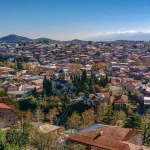
📷 Featured image by Collab Media on Unsplash.