On this page
- Batumi in 2026: Before You Start Ticking Boxes
- Old Town and Boulevard: The Non-Negotiables
- Architecture That Defies Easy Categorization
- Active and Outdoor Experiences
- Cultural and Museum Stops Worth Your Time
- Food Markets and Eating Zones
- Day Trips From Batumi
- Nightlife and Evening Highlights
- Shopping: What to Buy and Where
- 2026 Budget Breakdown
- Practical Tips for Batumi in 2026
- Best Time to Visit Batumi
- Frequently Asked Questions
💰 Click here to see Georgia Budget Breakdown
💰 Prices updated: October, 2026. Budget figures are estimates — always verify before travel.
Exchange Rate: $1 USD = ₾2.60
Daily Budget (per person)
Shoestring: ₾70.00 – ₾130.00 ($26.92 – $50.00)
Mid-range: ₾180.00 – ₾350.00 ($69.23 – $134.62)
Comfortable: ₾500.00 – ₾1,000.00 ($192.31 – $384.62)
Accommodation (per night)
Hostel/guesthouse: ₾30.00 – ₾60.00 ($11.54 – $23.08)
Mid-range hotel: ₾110.00 – ₾200.00 ($42.31 – $76.92)
Food (per meal)
Budget meal: ₾15.00 ($5.77)
Mid-range meal: ₾35.00 ($13.46)
Upscale meal: ₾100.00 ($38.46)
Transport
Single metro/bus trip: ₾1.00 ($0.38)
Monthly transport pass: ₾40.00 ($15.38)
Batumi in 2026: Before You Start Ticking Boxes
Batumi has been on the Black Sea tourist map long enough now that the crowds are real, the prices have crept up, and the city has changed faster than most travel guides can keep up with. In 2026, the Tbilisi–Batumi night train has a new timetable with additional departures, the cable car to Anuria has been refurbished, and the northern seafront beyond Alphabet Tower has opened up significantly with new walking infrastructure. None of that means Batumi has lost its edge — the palms still lean over the boulevard, the casino towers still glow absurdly above the Black Sea at night, and the old town still has those wrought-iron balconies dripping with wisteria in spring. This checklist covers 20 genuinely worthwhile things to do, organized by theme so you can plan efficiently. Skip nothing in the first two sections unless you have a very good reason.
Old Town and Boulevard: The Non-Negotiables
These are the sights that define Batumi for first-time visitors. Do them early in your trip before the midday heat in summer, or in the golden hour before sunset when the light on the old facades turns everything amber.
1. Walk the Batumi Boulevard
The boulevard runs roughly 7 kilometres along the seafront. The southern section near the old town is the most polished — fountain plazas, pergolas of climbing roses, the famous Alphabet Tower rising from the waterfront. Walking the full stretch from the old town port area up to the Sheraton tower and beyond takes about 90 minutes at a comfortable pace. The early morning walk, when the Black Sea is still flat and fishermen are out near the pier, has a completely different energy to the evening promenade crowd. Both are worth doing.
2. Explore the Old Town on Foot
The old town is compact — roughly a 10-minute walk end to end — but it rewards slow movement. The restored Ottoman-era houses with wooden lattice balconies sit alongside Art Nouveau facades from the Russian imperial period. Start at Piazza Square (the central square with the colonnaded buildings), then work outward through Lado Asatiani Street and the surrounding lanes. The combination of Georgian, Turkish, Russian, and European architectural layers exists nowhere else in Georgia in quite this form.

3. Sit at Piazza Square
This is Batumi’s main pedestrian square and it functions as the city’s living room. Cafe terraces ring the colonnaded buildings. In the evenings, the fountains run, street performers appear, and the square fills with families and tourists in roughly equal measure. Have a coffee here, watch the crowd, and get your bearings. It’s also the central node for understanding how the old town grid connects to the boulevard.
4. See the Alphabet Tower
Rising 130 metres from the seafront on a double-helix frame, the Alphabet Tower wraps the 33 letters of the Georgian alphabet around its structure in illuminated relief. It looks best at dusk when the letters start to glow before the sky fully darkens. There is a viewing platform and rotating restaurant inside, though the external view from the boulevard walkway is arguably better than the interior experience for most visitors.
5. Watch the Statues of Ali and Nino
This is one of Batumi’s genuinely moving experiences. Two large steel figures — a man and a woman — slowly move through each other every 10 minutes in a mechanical sculpture representing the famous love story set across the Caucasus. They merge, then pass through each other, then separate. Standing close to them as they move, you can hear the soft mechanical hum and feel the faint displacement of air as the forms intersect. It costs nothing, takes 15 minutes to watch a full cycle, and is one of those travel moments that sticks.
Architecture That Defies Easy Categorization
Batumi is visually chaotic in the best possible way. The skyline from the beach is a collision of Soviet concrete, glittering high-rises, and deliberately theatrical modern buildings. These are the architectural sights worth going out of your way for.
6. The Chacha Tower
This six-sided tower near the beach shoots actual chacha — Georgian grape spirit — from its fountain on the first Sunday of each month. The fountain runs for about 20 minutes. Outside of that event, the tower itself is a bizarre and photogenic piece of modern kitsch that perfectly captures Batumi’s appetite for spectacle. Worth a look even when the fountain is dry.
7. The Radisson and Sheraton Hotel Towers
Batumi’s modern casino hotel towers on the northern seafront are genuinely strange architecture — curved, illuminated, and scaled to Vegas ambitions. Even if you’re not staying in them, the strip along the northern boulevard at night is worth walking for the sheer visual excess. The reflection of the tower lights on the Black Sea on a still night looks like a scene from a city that hasn’t fully decided what it wants to be yet.
8. The Old Port Area and the Former Customs House
The area around the port has been redeveloped but retains some of the late 19th-century warehousing and customs architecture from Batumi’s oil export boom era. The contrast between the old stone customs buildings and the modern cruise terminal infrastructure is abrupt and photogenic. This corner of the city is less visited than the main boulevard and gives a more layered sense of Batumi’s history as a serious commercial port.

Active and Outdoor Experiences
9. Cable Car to Anuria Mountain
The Batumi cable car runs from near the Rose Revolution Square up to Anuria Hill, at roughly 260 metres elevation. The refurbished gondolas introduced in 2025 are significantly more comfortable than the previous system. The ride takes about 8 minutes and the view from the top across the Black Sea and back into the Adjara foothills is excellent on a clear day. At the top, there’s a small amusement area, cafes, and walking paths. Total time including the ride and a short walk at the summit: about 90 minutes.
10. Batumi Botanical Garden
Located 9 kilometres north of the city centre (minibus or taxi from the boulevard), the botanical garden sits on a headland above the sea and covers 113 hectares. It was established in 1912 and the collection spans plants from Japan, Mexico, the Himalayas, and the Colchic flora of the Adjara region. Walking the full garden takes 2–3 hours. The section near the cliff edge, where subtropical greenery drops sharply to the Black Sea below, is particularly striking — the air is thick with salt and vegetation smell combined, unlike anywhere else in Georgia.
11. Cycling the Boulevard and Northern Seafront
Rental bikes are available at multiple points along the boulevard for around 10–15 GEL per hour in 2026. The cycling path now extends fully from the old town to the botanical garden access road — about 9 kilometres — with relatively few pedestrian conflicts on the dedicated lane in the early morning. This is the fastest way to get a complete read on how the waterfront changes from tourist-heavy in the south to more residential and quieter in the north.

12. Beach Time (With Realistic Expectations)
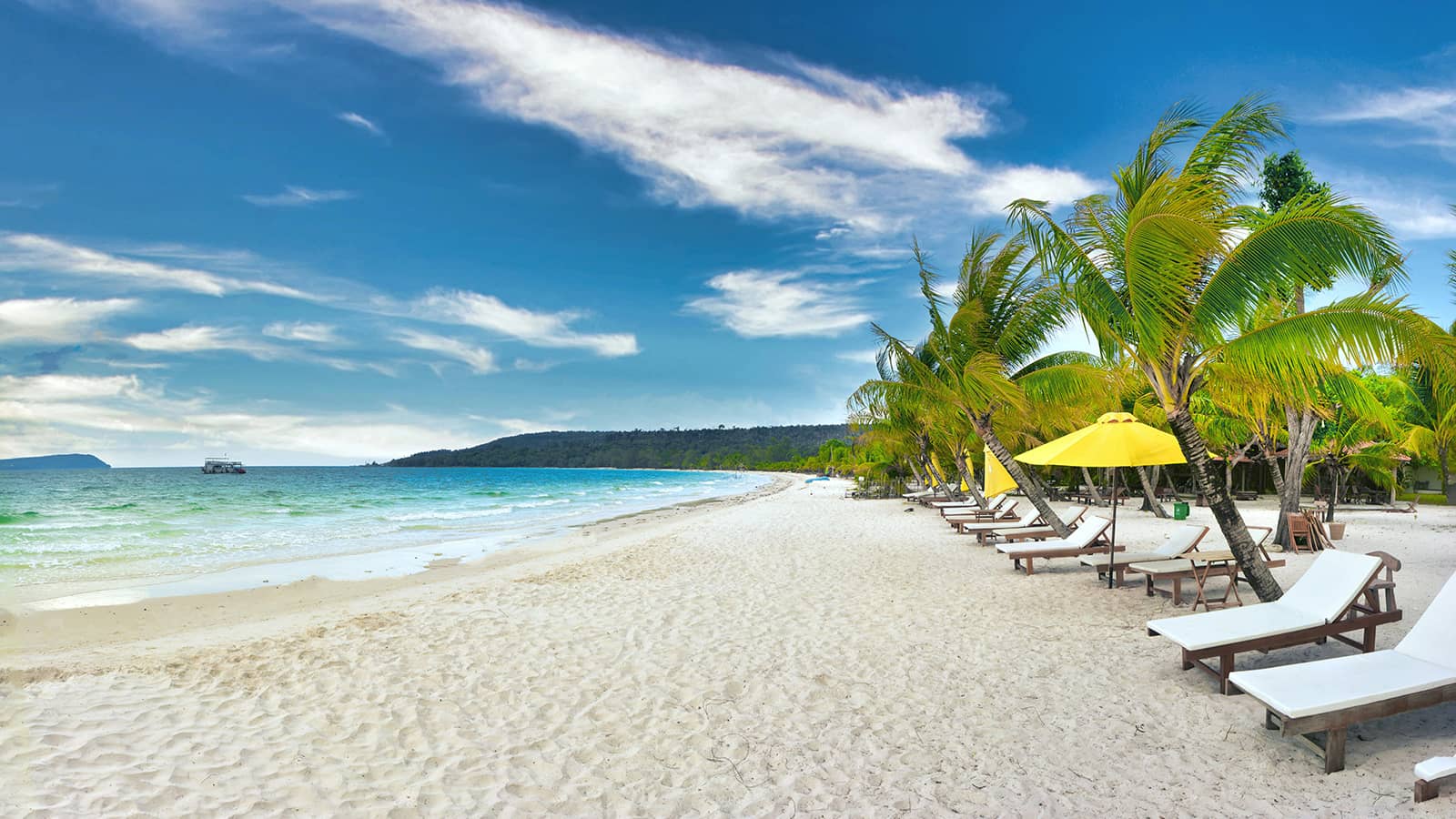
Batumi’s beaches are pebble, not sand. The water is clean and swimmable from June through September. The town beach directly below the boulevard is packed in summer — arrive before 10:00 or after 17:00 if you want space. The beach strip north toward Gonio is quieter and has cleaner access in places. Water shoes are a practical necessity, not optional, given the pebble composition.
Cultural and Museum Stops Worth Your Time
13. Adjara State Museum
Located on King Tamar Street, the Adjara State Museum is the most substantive indoor cultural stop in the city. The collection covers regional history from ancient Colchis through the Ottoman period and Soviet era. The gold artefact collection from local archaeological sites is genuinely impressive and not well known outside Georgia. Entry in 2026 is 15 GEL for adults. Allow 1.5 hours.
14. Batumi Art Museum
Housed in a 1917 building on Zurab Gorgiladze Street, the art museum holds a collection of Georgian and European paintings including some Pirosmani works. The building itself — with its ornate staircase and high-ceilinged halls — is part of the experience. Quieter than the Adjara State Museum and worth an hour, particularly if you’re interested in Georgian naïve art.
Food Markets and Eating Zones
15. Tamara the Great Market (Central Bazaar)
The indoor sections of the central bazaar are where Batumi residents actually shop. Stalls sell Adjaran variants of Georgian staples — look for Adjaran khachapuri being assembled to order near the back of the market, the cheese-and-egg-filled boat shape steaming on wooden boards, the torn bread dipped into the runny yolk before it sets. Surrounding streets have small canteen-style eateries where a full lunch runs 15–25 GEL.
16. Nighttime Street Food Strip Near the Boulevard Fountains
In the evenings from around 19:00, a loose strip of food stalls and small vendors sets up near the central boulevard fountain area. Corn on the grill, churros, local pastries, and cheap khinkali are all available. This is snacking territory rather than a meal, but for under 10 GEL you can put together a decent evening street food round while watching the fountain shows.

Day Trips From Batumi
17. Gonio Fortress (30 minutes south)
One of the oldest Roman fortresses in the Caucasus, Gonio sits at the mouth of the Chorokhi River just before the Turkish border. The walls are largely intact, the internal museum is small but informative, and the surrounding beach area is quieter than Batumi’s main waterfront. Take a marshrutka from Batumi’s bus station (fare around 2 GEL) or taxi (around 30–40 GEL return). Half-day trip.
18. Mtirala National Park (45 minutes northeast)
Georgia’s wettest national park receives up to 4,500mm of rain annually and the result is a dense, dripping Colchic rainforest that feels unlike anywhere else in the country. The main trail from Chakvistavi village takes 3–4 hours return. A guide is strongly recommended for the first visit — arrange through the national park visitor centre. Bring waterproofs regardless of the forecast.
19. Sarpi and the Turkish Border Village
Sarpi, the Georgian village directly on the Turkish border 28 kilometres south of Batumi, has a small beach, a dramatic clifftop road, and a border crossing that sees significant daily traffic. The drive or marshrutka ride along the coastal road is itself worth doing — the road clings to cliffs above the sea with views down to fishing villages. Some travellers cross into Hopa on the Turkish side for the day; you need to check current visa requirements for your nationality at the border.
Nightlife and Evening Highlights
20. Casino Strip, Rooftop Bars, and the Boulevard After Dark

Batumi at night is a different city. The casino hotels along the northern seafront are open 24 hours and the ground-floor bars are accessible to non-gamblers. The rooftop bar at one of the tower hotels on the strip gives a view of the illuminated city and sea that rewards the elevator ride. For something more local, the bar cluster around Pushkin Street and the old town edges stays active until 02:00 on weekends. Live Georgian folk music surfaces at a handful of restaurants on the Piazza Square perimeter most evenings from 20:00 — walk past and listen before committing to a table.
Shopping: What to Buy and Where
The pedestrian streets of the old town — particularly Mazniashvili Street and the lanes off Piazza Square — have souvenir shops selling the standard range: churchkhela, wine, chacha, ceramics, and Georgian jewellery. Quality varies significantly. For better-quality items at fairer prices, try the permanent stalls inside the Tamara the Great market building, where local traders sell directly. Adjaran textiles and handwoven items are the most region-specific purchases available in Batumi — look for them in the market’s upper floor. The duty-free zone near the port area is useful for spirits if you’re exiting by sea or heading to Turkey overland.
2026 Budget Breakdown
Batumi is no longer the ultra-cheap destination it was before 2022. Prices have risen steadily, though it remains significantly more affordable than most European beach cities.
- Budget tier (hostel dorm, street food, public transport, free attractions): 60–90 GEL per day
- Mid-range tier (guesthouse double room, sit-down meals, taxis, cable car, museum entries): 150–250 GEL per day
- Comfortable tier (boutique hotel, restaurant meals, guided day trips, rooftop bars): 350–500 GEL per day
Specific 2026 reference prices: Cable car return ticket — 15 GEL. Botanical garden entry — 15 GEL. Adjara State Museum — 15 GEL. Sit-down lunch in a mid-range old town restaurant — 35–60 GEL per person with drinks. Beer in a boulevard bar — 8–12 GEL. Taxi from the train station to the old town — 10–15 GEL via app (Bolt operates in Batumi in 2026).

Practical Tips for Batumi in 2026
Getting there: The overnight train from Tbilisi (Tbilisi Central to Batumi Passenger Station) takes approximately 5 hours 30 minutes. In 2026, Georgian Railway added a second nightly departure, so booking ahead is important in summer — seats and coupé berths sell out. The daytime train is slower (around 6.5 hours) but the route through Kutaisi and the Rioni valley is scenic. Kutaisi International Airport receives direct European flights (Wizz Air, Ryanair, and seasonal charters) and is about 2.5 hours by road from Batumi. Batumi Airport itself handles domestic flights and some Turkish connections.
Getting around the city: Bolt taxis are the most practical option for getting between sights. Marshrutkas (minibuses) cover the main routes including the boulevard, market, and botanical garden for 1 GEL per ride. Walking is practical within the old town and boulevard zone. Bikes handle the seafront well.
Safety: Batumi is a safe city for tourists. The main annoyances are aggressive restaurant touts around Piazza Square and occasional petty theft in very crowded boulevard areas at peak summer. Standard travel caution applies.
SIM cards: Magti and Geocell SIMs are available at the train station and multiple shops in the old town. A tourist data SIM with 20GB runs approximately 25–35 GEL in 2026.
Language: Georgian is the primary language. Russian is still widely understood by older residents. English comprehension is improving but remains limited outside tourist-facing businesses. Basic Georgian phrases — madloba (thank you), gamarjoba (hello) — go a long way.
Tap water: Tap water in Batumi is generally safe to drink. Locals mostly drink it. If in doubt, bottled water is available everywhere for 1–2 GEL.
Best Time to Visit Batumi
Batumi’s subtropical climate means it receives rain year-round — this is the wettest city in Georgia by a significant margin. Summer (June–August) is hot, humid (35°C peaks), and very crowded. Hotel prices are at their highest. The boulevard is heaving on weekends in July and August.
The best windows are late May (the botanical garden is in full bloom, temperatures around 22–26°C, crowds light) and September–early October (sea still warm enough to swim, summer crowds gone, lower prices). The Batumi International Arts Festival typically runs in late August and draws significant visitor numbers — good if you want cultural programming, but book accommodation far in advance.
Winter (December–February) is mild by Georgian standards (10–15°C) but frequently overcast and rainy. The city is very quiet, prices drop significantly, and the boulevard has an atmospheric off-season emptiness that some travellers prefer.
Frequently Asked Questions
How many days do you need in Batumi?
Two full days covers the main sights comfortably — old town, boulevard, cable car, botanical garden, and a day trip to Gonio or Mtirala. Three days allows you to slow down, add the museums, and explore the northern seafront properly. Anything beyond four days without doing regional day trips means you’ll run out of new city content.
Is Batumi worth visiting in 2026 compared to other Black Sea destinations?
Yes, for its combination of walkable old town architecture, subtropical landscape, and accessibility. It’s cheaper than Turkish Riviera resorts and significantly more architecturally interesting than most other Black Sea cities. The casino strip polarises visitors but doesn’t define the whole city. The Adjara region day trips add serious value.
What is the best way to get from Tbilisi to Batumi?
The overnight train is the best option for most visitors — affordable, scenic departure, and you arrive at Batumi Passenger Station (central). In 2026, book through the Georgian Railway website at least a week ahead in summer. The marshrutka (shared minibus) from Didube station in Tbilisi is cheaper and faster (about 5 hours) but less comfortable for longer journeys with luggage.

Is Batumi safe for solo female travellers?
Generally yes. The main tourist areas are well-lit, active, and have enough tourist presence in summer that solo travellers don’t stand out. Normal urban precautions apply — keep valuables out of sight in crowded boulevard areas, use Bolt rather than flagging unmarked taxis at night, and stick to active streets after dark.
Do you need to book Batumi attractions in advance?
Most attractions — botanical garden, museums, cable car — operate walk-up entry and rarely sell out. The exception is the cable car, which can have 30–45 minute queues on summer weekends. Arrive before 10:00 or after 17:00 to avoid the longest waits. Restaurant reservations for the better old town spots are worth making 24 hours ahead in peak July–August season.
Explore more
Best Neighborhoods in Batumi: Where to Stay for Every Traveler
The 15 Best Restaurants in Batumi You Can’t Miss
15 Must-Do Excursions from Batumi You Can’t Miss
Where to Party in Batumi: A Traveler’s Guide to the Hottest Clubs
📷 Featured image by Anastasiia Merkuleva on Unsplash.